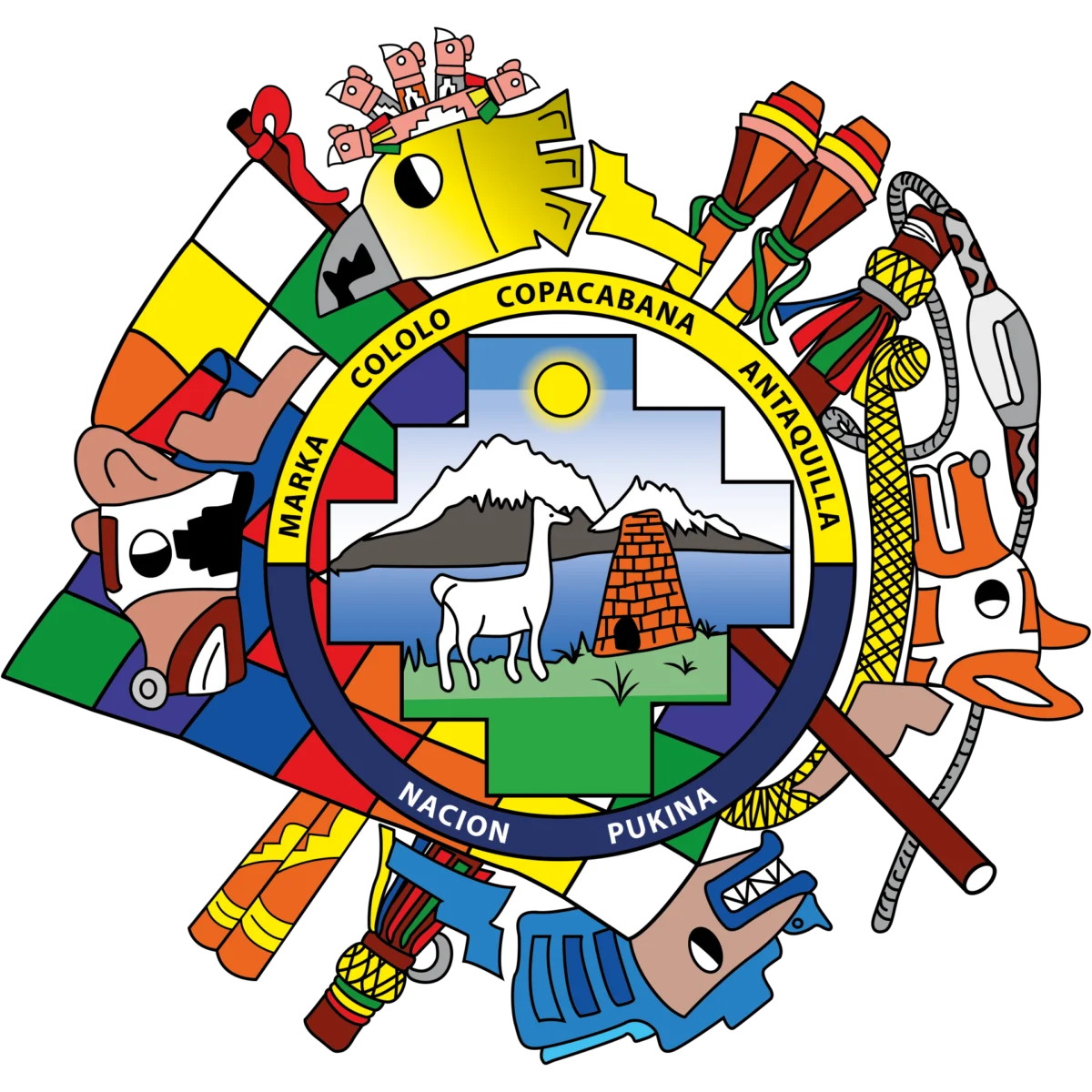
When the COVID-19 pandemic reached the remote, high-altitude territories of the Pukina Nation in Bolivia, the conventional healthcare system, already strained by geographical isolation, faltered. The nearest health center stood empty, devoid of a doctor, and the closest hospital was a journey of many hours. In this critical moment, the Pukina people, drawing upon centuries of ancestral knowledge, turned to their rich pharmacopoeia of medicinal plants, the wisdom of their traditional healers, and the unwavering strength of their deeply rooted community organization. This narrative transcends a mere account of medical response; it is a profound testament to how an Indigenous Nation, long subjected to imposed structures that had fragmented its ancestral ayllu (community) system, rediscovered its inherent identity and effectively protected its people from a global health crisis.
The ancestral territory of the Pukina Nation, known as Marka Cololo Copacabana Antaquilla, is situated approximately 300 kilometers northwest of La Paz, nestled within the Apolobamba National Integrated Management Natural Area. This rugged landscape spans elevations from 3,858 to 5,580 meters above sea level, encompassing a spectrum from frigid valleys to the vast, windswept puna (highland plains), where the air is thin and the towering mountains seem to kiss the sky. The Pukina Nation is comprised of four markas (regions)—Agua Blanca, Cololo, Antaquilla, and Puyo Puyo—and ten ayllus, collectively home to an estimated 2,000 individuals. However, the numerical count is secondary to the profound significance of this people’s deliberate decision to reconstitute themselves, reclaim their organic governing structures, and reassert their distinct identity on their ancestral lands.
A History of Reclaiming Identity and Sovereignty
The Pukina ayllus embarked on a crucial journey of self-determination in 1999, organizing to demand formal recognition of their Communal Land of Origin. This concerted effort culminated in 2001 with the attainment of legal status and ethnic certification, paving the way for the eventual securing of land titles for two land blocks, totaling nearly 40,000 hectares. A significant milestone in their resurgence was the approval of their first Plan de Vida (Life Plan) in 2012, named Sumanu. This Pukina term eloquently translates to "a state of integral existence, living a holistic life among ayllus and markas." Despite the contemporary prevalence of Aymara and/or Quechua as spoken languages among the majority of Pukina people, a dedicated revitalization of their ancestral Pukina language is underway. This commitment was further solidified in 2023 with the establishment of the Pukina Language and Culture Institute, a vital step in preserving and propagating their linguistic heritage.
The Pukina Nation operates under a robust three-level hierarchical organizational structure. At the apex is the Pukina Nation itself, presided over by its highest authority, the Jilir Apu Mallku. Below this national leadership are the markas, each governed by its respective Mallkus de Marka. At the foundational level are the ayllus, led by the Irpiri Mallku. Strategic decision-making for the Nation occurs during the tantachawi (assembly), a crucial forum convened four times annually on a rotating basis across the various markas. Furthermore, authorities from each marka and ayllu convene for monthly meetings, ensuring continuous communication and coordinated action.
The Botanical Arsenal: Indigenous Remedies Against COVID-19
During the acute phase of the COVID-19 pandemic, the Pukina Nation’s traditional healers—comprising yatiris (spiritual healers), midwives, and herbalists—assumed the primary responsibility for the health and well-being of their communities. Through extensive field research, including interviews with traditional healers, surveys, and participatory workshops conducted across the four markas, an impressive inventory of 93 medicinal plants was identified and utilized for treating a spectrum of ailments. Notably, 16 native species were specifically employed in the fight against the novel coronavirus.
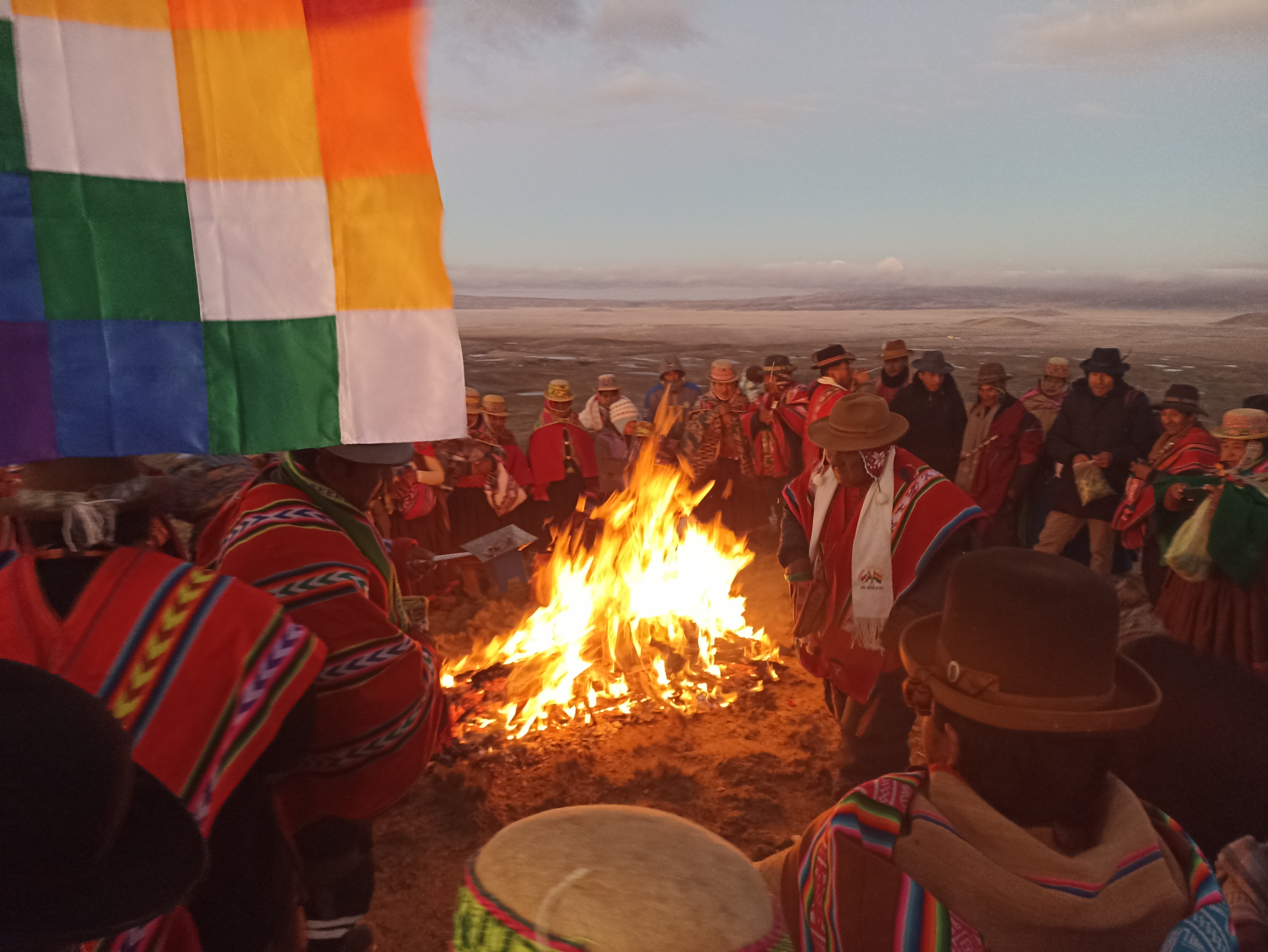
These traditional healers meticulously prepared potent remedies in the form of mates (herbal infusions), decoctions, and steam inhalations. Their expertise lay in skillfully blending various plant constituents, sometimes incorporating honey or urine as potent agents, and providing clear, accessible instructions to the sick on self-administration. The most frequently utilized plant families belonged to the Asteraceae group, renowned for their efficacy in alleviating symptoms such as fever, coughs, and respiratory distress.
Juan Pablo Tito Kuno, a respected traditional healer from Agua Blanca, exemplified this dedication. In 2021, he reported treating approximately 70 individuals exhibiting COVID-19 symptoms using a carefully formulated blend of 12 distinct plants. "First, I test to ensure the medicine is effective; only then do I administer it to people," he stated. "Since I consistently take my plant-based remedies, I never fell ill with COVID." His personal experience underscores the perceived protective benefits derived from consistent use of traditional medicines.
Delfina Casilla, a traditional healer from Nube Pampa, highlighted the holistic approach of Pukina healing practices, addressing not only physical ailments but also emotional and spiritual well-being. She specializes in treating susto (shock) and tending to the ánimo (spiritual strength). "Simply by looking at people’s faces and listening to my heart, I know what is ailing them," Casilla explained. "What we eat and drink gives us energy; it makes us happy and strengthens us—both in energy and spirit. That is why plants are so vital: they heal both the body and the spirit. We must maintain balance." Her words emphasize the interconnectedness of physical, mental, and spiritual health within the Pukina worldview, with medicinal plants serving as a crucial bridge.
Challenges and the Imperative of Knowledge Transmission
Despite the remarkable success in leveraging traditional knowledge during the pandemic, the Pukina Nation faces significant challenges in preserving this invaluable heritage. The transmission of knowledge from Elders to younger generations is at a critical juncture. Midwife Justiniano Mayhua, for instance, acquired his extensive knowledge through practical experience but found no willing apprentice to whom he could pass on his skills before his passing. This situation reflects a broader concern: many young Pukina individuals, influenced by contemporary societal trends, tend to undervalue traditional medicinal plants and gravitate towards conventional medical practitioners.
Carmen Mamani, a healer from Agua Blanca, voiced this concern: "Young people don’t attach much importance to medicinal plants; they go to the doctor. But because of this disease, some are now willing to learn and have shown interest." The pandemic, while devastating, appears to have fostered a renewed appreciation for traditional healing among some segments of the younger population, creating a potential opening for intergenerational knowledge transfer.
The Pukina traditional healers also articulate a desire for formal recognition and support. Manuela Mendoza, another midwife, expressed a widely shared sentiment: "It would be good if they gave us a certificate so that we could be recognized as traditional healers of the marka. That way, we could go to other places to provide training." Such formal recognition could empower them to share their expertise more broadly and contribute to the dissemination of this vital knowledge.
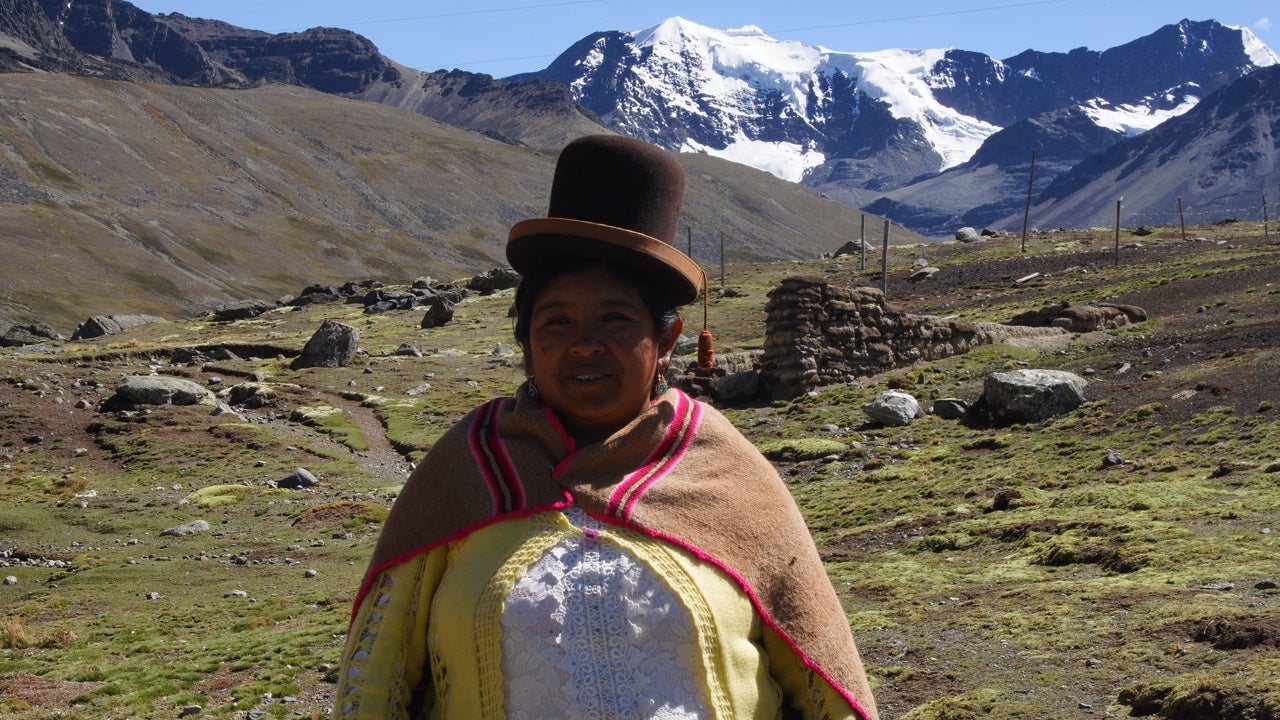
Furthermore, a critical shortage of financial resources impedes the expansion and impact of traditional healing initiatives. Guillermo Saturnino Mayta, who heroically treated over 1,000 individuals during the pandemic before tragically succumbing to an accident, harbored a dream of establishing a small laboratory. His vision was to produce plant-based medicines in larger quantities, enabling him to "cure many more people." This aspiration highlights the unmet needs and the potential for greater reach if adequate resources were available.
A Strategic Roadmap for the Future: The Sumanu Plan
The Pukina Nation actively demonstrates a commitment to self-sufficiency and proactive governance, eschewing reliance on external aid for their fundamental needs. The recently developed Sumanu Life Plan (2023-2032) serves as a comprehensive roadmap, meticulously guiding the management of their territory, the fortification of their cultural identity, and the ongoing care of their people. A central tenet of this plan is the revitalization of traditional medicine, the enhancement of the capacities of traditional healers, and the assurance that their profound knowledge is systematically passed down to future generations.
This strategic vision has already garnered support from organizations like Cultural Survival, whose Keepers of the Earth Fund has provided crucial funding for a project aimed at documenting and preserving traditional medical knowledge within the context of the pandemic. This initiative has involved extensive field excursions with traditional healers, meticulous collection of plant specimens, and the organization of participatory workshops. A significant outcome of this project is the publication of a book—the source from which this narrative is drawn—ensuring that this invaluable knowledge is safeguarded against the risk of being lost.
As the authorities of Agua Blanca articulated in 2021, their aspirations are clear: "We want to reclaim our ancestral knowledge. We healed ourselves using our plants because we had no medicines, and doctors were unwilling to treat us. We were also afraid to go to the doctor. We know how vital our medicinal plants are, and we realize that the younger generation no longer recognizes them. That is why we want training sessions to be held—so that our traditional healers can teach us—and why we want to create a book of the Marka’s medicinal plants, ensuring our knowledge is never lost." This statement encapsulates the deep-seated desire for cultural continuity and the recognition of the vital role of traditional healing in their community’s well-being.
Documentation as an Act of Resistance and Continuity
The Pukina Nation understands that documenting their traditional knowledge is not merely an archival exercise but a powerful act of resistance against cultural erosion and a vital strategy for ensuring continuity. When the pandemic struck, the Pukina people intuitively knew where to find their remedies: on the hillsides, near high-altitude wetlands, and amidst the rocks close to snow-capped peaks. The plants, as they always have been, were readily accessible.
Crucially, the Pukina did not face this challenge in isolation. Their response was deeply communal, embodying the principles of the marka, ayllus, and the Nation as a whole. Their elected authorities meticulously coordinated efforts, specialized committees efficiently organized logistics, and traditional healers worked collaboratively with their neighbors. The process of writing, documenting, and photographing was instrumental. By meticulously recording the names of plants, capturing visual documentation, and detailing preparation methods, the Pukina ensured that the passing of a traditional healer would not signify the loss of their accumulated knowledge. Furthermore, traditional healers actively conducted workshops in local schools, engaging children and youth in disseminating this vital knowledge, thereby embedding it within the educational framework and securing its transmission to subsequent generations.
The Enduring Strength of Indigenous Identity
The ongoing reconstitution of the Marka Cololo Copacabana Antaquilla is a dynamic and continuous process, not a finalized state. It is a path under constant construction, fueled by the active participation of the ayllus, the unwavering commitment of traditional authorities, and the collective, unyielding will of the Pukina people to remain the Pukina Nation. For Indigenous Peoples worldwide, the profound message emanating from the Pukina experience is unequivocal: the knowledge inherited from their ancestors is not merely a static relic of the past. It is a vibrant, potent, and living resource, indispensable for confronting the multifaceted challenges of the present and for forging a resilient future.
This article is based on the research findings presented in "Medicina tradicional de la Marka Cololo Copacabana Antaquilla Nación Pukina frente al COVID-19 y otras enfermedades" (Traditional Medicine of the Marka Cololo Copacabana Antaquilla Pukina Nation Against COVID-19 and Other Diseases), published in 2026.
All photos courtesy of Marka Cololo Copacabana Antaquilla.