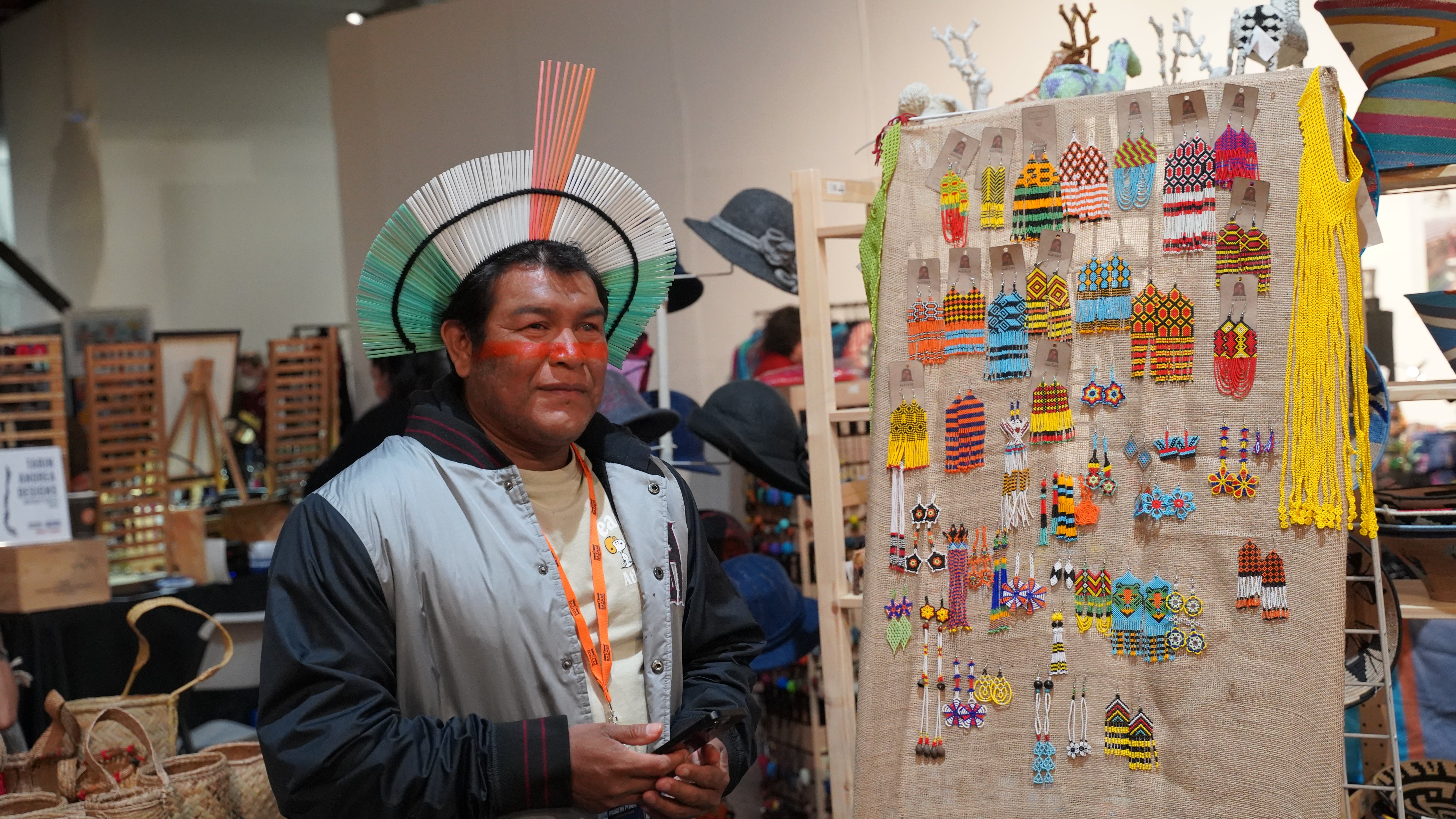
Bepbere Pat-i Kayapó, an artist hailing from the Indigenous Territory in Southern Pará, Brazil, embodies the profound connection between artistic expression and cultural preservation. His creative endeavors are not merely aesthetic pursuits but are deeply rooted in lived experiences, the assertion of identity, and an unwavering commitment to representing his people, the Mẽbengôkre Kayapó. "Each step I take carries not only learning, but also the responsibility of expressing stories, culture, and struggles that are often not heard," Kayapó states, highlighting the weight of his artistic mission. As a member of the Pykãkôre Indigenous Association, an artist collective predominantly comprised of women, Kayapó views his practice as an intrinsic element of cultural memory and identity. It serves as a powerful form of resistance, acting as a vital safeguard for the history and future of his community.
Kayapó’s artistic journey began with keen observation and imitation, a common starting point for many creatives. However, it swiftly evolved into a profound dedication to his people, transcending superficial aesthetics. His work, he explains, "carries identity, has purpose, and speaks directly both to those who understand it and to those who need to know this reality." This articulation underscores the dual purpose of his art: to reinforce internal cultural understanding and to communicate the realities of Indigenous life to a wider audience, fostering empathy and awareness.
The materials Kayapó employs—beads, body paint, headdresses, photography, and video—are far more than mere artistic tools; they are integral instruments of cultural safeguarding. "The materials are very important to me," he asserts. "When I make a film about history or record the words of an Elder, I preserve them for the future." Through the meticulous creation of an archive of photographs and videos, Kayapó is actively ensuring the continuity of Mẽbengôkre Kayapó culture. He expresses a fervent hope that "young people will look for these records to see the photos and videos, learn more about our history, and learn from what has been preserved." This dedication to archival practices positions him as a historian and curator of his own cultural heritage, ensuring that future generations have tangible links to their past.
The safeguarding of Indigenous culture is a constant battle against formidable external pressures. Kayapó identifies several significant obstacles that Indigenous artists, including himself, routinely confront. A primary challenge is the pervasive lack of appreciation for Indigenous art. He observes that it is "often still seen as ‘simple handicraft’ rather than as a rich artistic expression with history, meaning, and identity." This devaluation hinders proper recognition and limits opportunities for artists to gain a foothold in the mainstream art world.
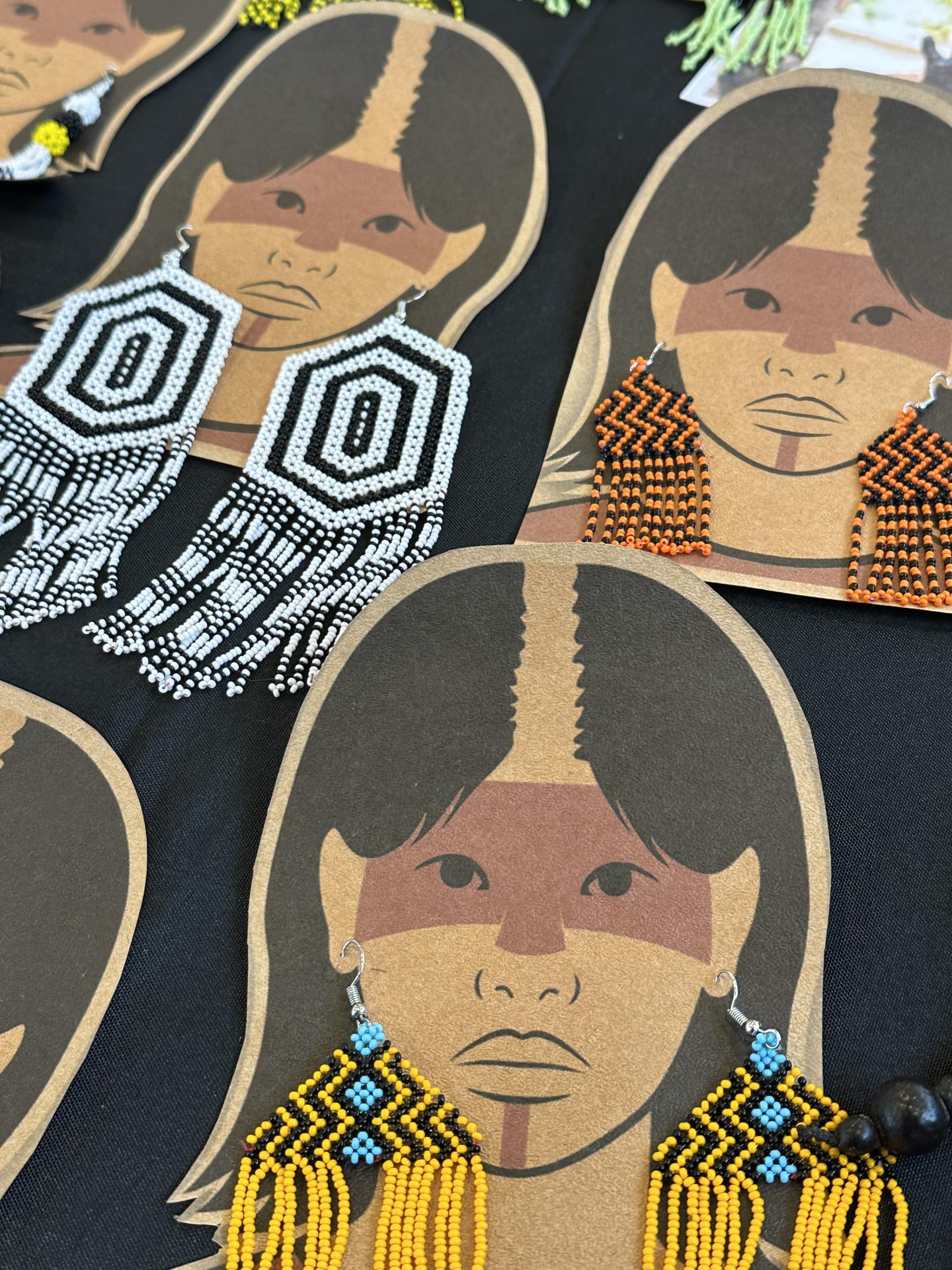
Cultural appropriation poses an equally pernicious threat. "When people from outside use Indigenous symbols, designs, and cultural elements without understanding or respecting their meaning, [it] can devalue and even distort the culture," Kayapó explains. This act not only erodes the authenticity of cultural expressions but can also lead to misinterpretations and the trivialization of deeply significant traditions. Beyond these issues, Indigenous artists face practical barriers such as limited access to exhibition spaces, persistent economic difficulties, and deep-seated prejudice, all of which impede their ability to be heard and respected on their own terms.
The Enduring Power of Traditional Crafts and Community
Despite these considerable hardships, artistic expression remains a vital cultural pillar for the Mẽbengôkre Kayapó and other Indigenous communities in Brazil. For Kayapó and the women within his collective, the creation of jewelry and crafts are fundamental avenues through which tradition is kept alive. A seemingly simple basket, traditionally used for carrying firewood and cassava, carries profound significance. "It is not just an object: it carries everyday usefulness, memory, and the way the community preserves its knowledge," Kayapó elucidates. This perspective highlights how everyday objects are imbued with cultural meaning and serve as vessels of intergenerational knowledge transfer.
Art, in this context, acts as a powerful catalyst for community unity. The creative process itself becomes a collective endeavor, where Elders impart their wisdom to younger generations, fostering a deep sense of respect and strengthening the bonds between them. This intergenerational exchange is crucial for the transmission of cultural practices and values, ensuring their survival. Furthermore, Kayapó emphasizes the intrinsic connection between art and the environment: "Art also affirms the intrinsic connection to the land; elements come from ‘the forest, rivers, and animals, showing respect and care for the territory.’" This statement underscores the ethical dimension of Indigenous art, where creation is inseparable from a profound reverence for the natural world and a commitment to its stewardship.
The Broader Context: Indigenous Struggles in Brazil
For Indigenous Peoples in Brazil, where the struggle for survival is a daily reality, these cultural expressions are not mere hobbies but vital lifelines. The communities face an array of existential threats, including persistent land invasions and illegal mining operations that ravage their territories. Deforestation, river contamination, and escalating conflicts within and between communities further exacerbate their precarious situation.
The Brazilian government’s slow pace in demarcating Indigenous lands, coupled with ongoing violence against land defenders and community leaders, creates an environment of constant insecurity. Inadequate access to essential services such as healthcare and education further compounds these challenges. Despite these immense pressures, the fight for cultural survival and autonomy continues. "We want to show the world that we exist, that we have a voice, and that our culture is not for sale," Kayapó declares, articulating a defiant stance against exploitation and a resolute assertion of their inherent rights.
A Strategic Alliance: Cultural Survival Bazaars
In response to these challenges, Kayapó and his community are actively engaged in strengthening their culture through various initiatives. These include the development of sustainable projects, the promotion of Indigenous education systems that prioritize their languages and knowledge, and the implementation of programs that genuinely value their traditional ways of life.
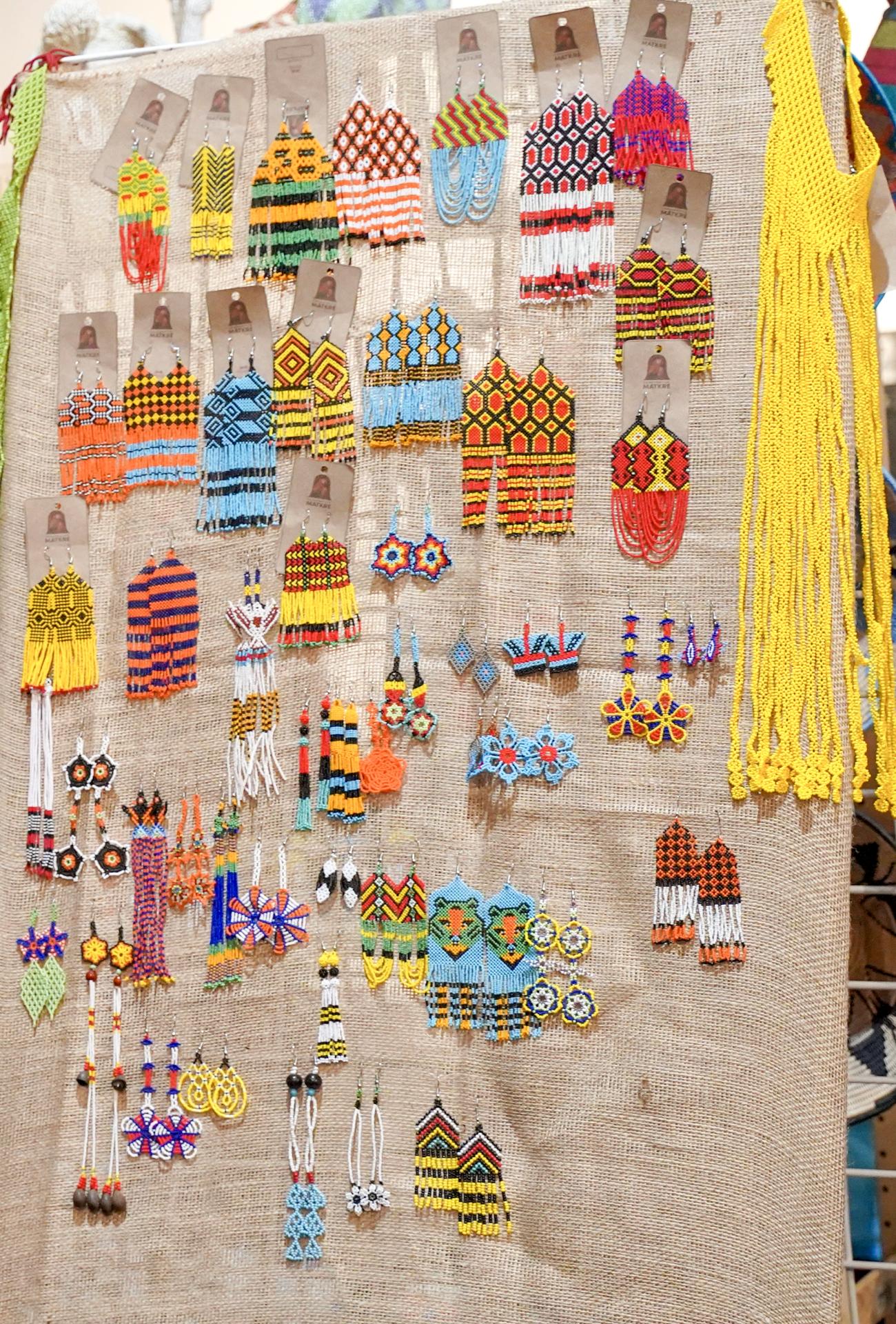
A significant avenue for this cultural dissemination and economic empowerment is through partnerships like the one with Cultural Survival Bazaars. These events provide a crucial platform for Indigenous artists to showcase their work to a global audience. "We are taking our art and our culture to show it outside the community," Kayapó explains. "This needs to be understood and respected. Respect is very important." The Bazaars are not merely marketplaces; they are crucial spaces for cultural exchange and education, aiming to foster genuine understanding and appreciation for the artistry and heritage of Indigenous peoples.
Kayapó highlights the strategic importance of these partnerships: "Our greatest objective is to continue protecting our territory to keep our culture alive and guarantee dignity for our Peoples. Our cooperative has a very important partnership with the Bazaar. It is very important for us to show our art and our culture." This statement reveals the multifaceted role of the Bazaars: they provide economic opportunities, enable cultural visibility, and contribute to the broader struggle for territorial integrity and self-determination.
The success of initiatives like the Cultural Survival Bazaars can be indirectly gauged by the increasing global awareness of Indigenous rights and cultural heritage. In recent years, there has been a growing recognition of the importance of Indigenous knowledge in addressing global challenges such as climate change and biodiversity loss. By bringing Indigenous art and culture to the forefront, these events contribute to a broader narrative that values Indigenous perspectives and their contributions to a sustainable future. For example, data from organizations like Cultural Survival indicates a consistent demand for authentic Indigenous crafts, with bazaar revenues directly supporting Indigenous communities’ conservation efforts and cultural programs. The sustained presence of Indigenous artisans at these events year after year demonstrates the critical economic and cultural lifeline they provide.
Looking Ahead: Sustaining Heritage for Future Generations
The efforts of Bepbere Pat-i Kayapó and the Pykãkôre Indigenous Association exemplify a powerful movement where art serves as a vital tool for cultural survival, resistance, and empowerment. Their work underscores the interconnectedness of artistic expression, identity, land, and the future of Indigenous communities. As external pressures continue to mount, the resilience and ingenuity of Indigenous artists like Kayapó offer a beacon of hope, demonstrating that culture, when nurtured and defended, can indeed become a powerful force for enduring change and dignity. The ongoing participation in events like the Cultural Survival Bazaars signifies a commitment not just to showcasing art, but to safeguarding a heritage that is intrinsically linked to the very survival of their people and their ancestral lands.
Attend the Cultural Survival Summer Bazaars
- Tiverton, RI: July 24–26
- Providence, RI: August 1–2
Learn more and find details at bazaar.cs.org.
Top Photo: Bepbere Pat-i Kayapó. Photo by Pablo Xol/Cultural Survival.