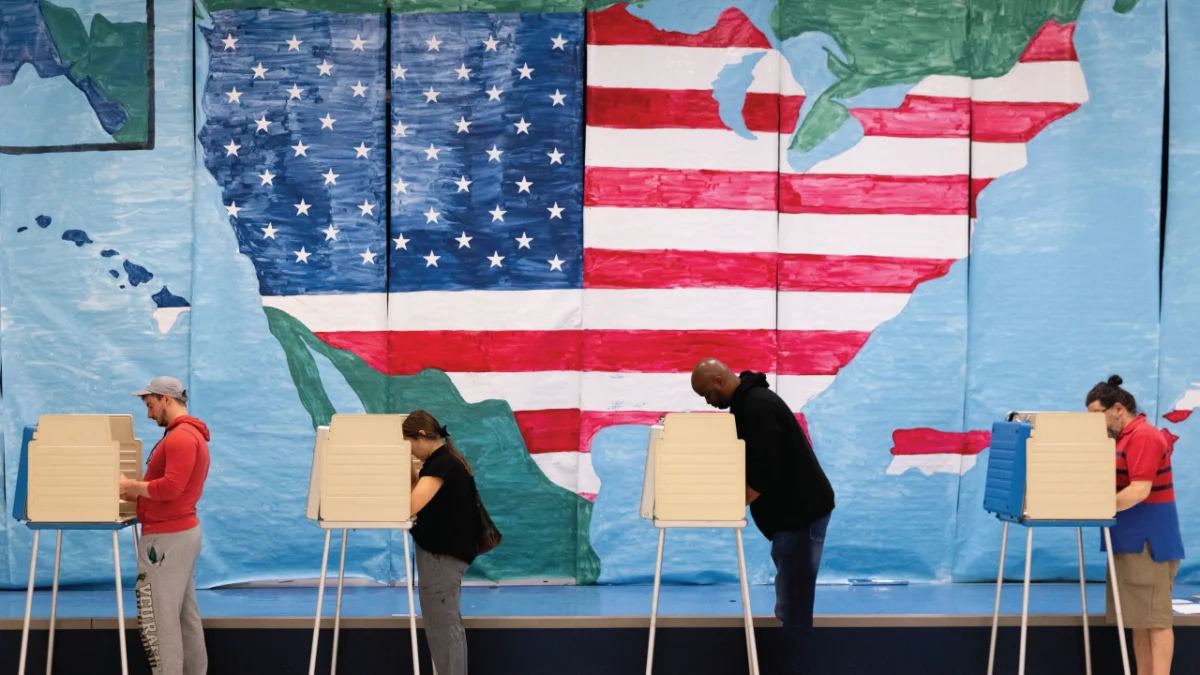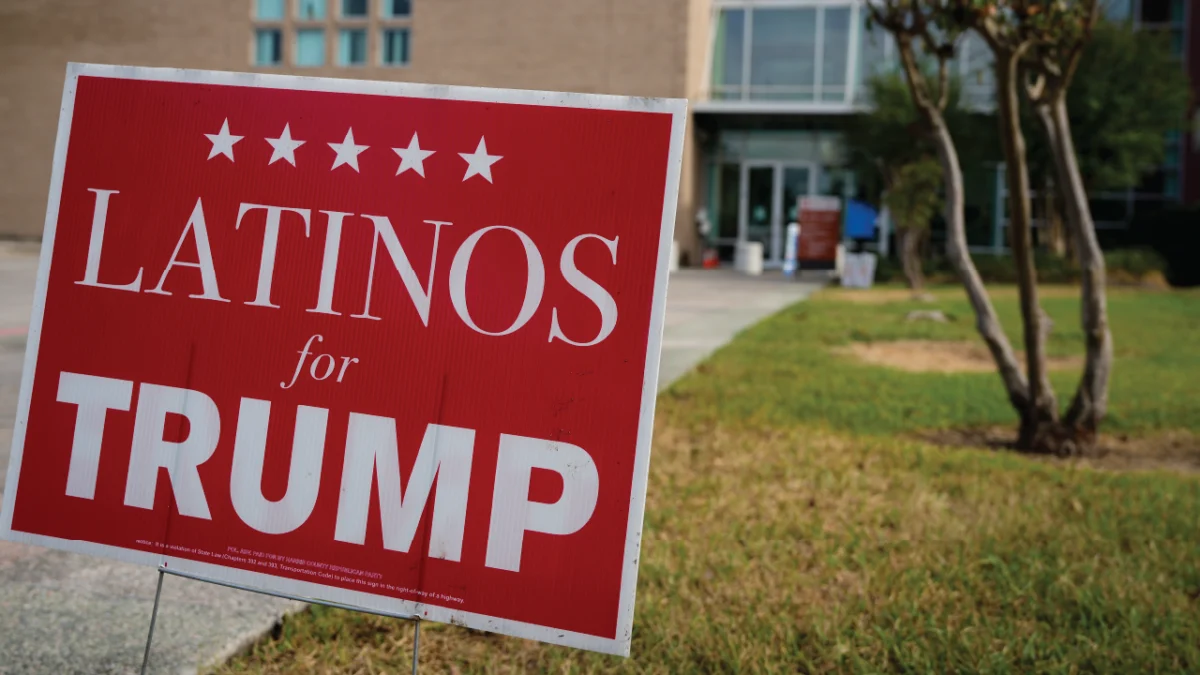
A recent comprehensive analysis by the Pew Research Center reveals a significant shift in the approval ratings of President Donald Trump, particularly among his Hispanic voter base. While a substantial majority of those who voted for Trump in 2024 continue to express their support for his job performance, the data indicates a noticeable decline in his overall approval. This decline is more pronounced among his Hispanic constituents compared to his non-Hispanic backers, signaling a complex and evolving political landscape.
The findings, drawn from a Pew Research Center survey conducted in April 2026, indicate that 66% of Latino Trump voters currently approve of his job performance. This figure represents a notable decrease of 27 percentage points since the beginning of his second term. In contrast, the approval rating among non-Hispanic Trump voters has seen a more modest decline of 16 percentage points, settling at 79%. This widening gap underscores a more significant erosion of support within the Hispanic demographic that has become increasingly crucial to Trump’s electoral success.
Understanding the Data: Methodology and Scope
The Pew Research Center’s analysis is based on a robust survey of 5,103 U.S. adults, conducted between April 20 and April 26, 2026. This sample included 778 Hispanic adults. All participants were members of the Center’s American Trends Panel, ensuring a representative cross-section of the U.S. adult population.
Crucially, the analysis focused on "validated voters" – adult citizens with a documented voting record based on official state election results. These individuals were surveyed after the 2024 election and asked about their voting choices. The survey’s methodology, questionnaire, and detailed responses are publicly available, offering transparency and allowing for independent verification of the findings.
The research specifically examines approval ratings for President Trump among those who cast a ballot for him in the 2024 election. This granular approach allows for an in-depth understanding of the sentiment within his core supporter base. The historical data points, stretching back to February 2025, provide a vital timeline for tracking these shifts in approval.
A Sharper Decline Among Hispanic Supporters
The report highlights that the approval rating for President Trump among Hispanic voters who supported him in 2024 has fallen by 27 percentage points since the start of his second term. This contrasts with a 16-point drop among his non-Hispanic voters during the same period. This divergence is significant, as it suggests that factors influencing Trump’s standing are impacting his Hispanic base more acutely than his broader electorate.
- February 2025: 93% of Hispanic Trump voters approved of his job performance, compared to 95% of non-Hispanic Trump voters.
- April 2026: This figure has dropped to 66% for Hispanic Trump voters, while non-Hispanic Trump voters remain at 79%.
This substantial decline among Hispanic supporters has widened the gap in their evaluations of the president, indicating a potential recalibration of their support. The effective sample size for Hispanic Trump voters in the February 2025 survey was 95, with a margin of error of plus or minus 10.1 percentage points at the 95% confidence level, a detail noted by the Pew Research Center to provide context for the statistical reliability of earlier data points.
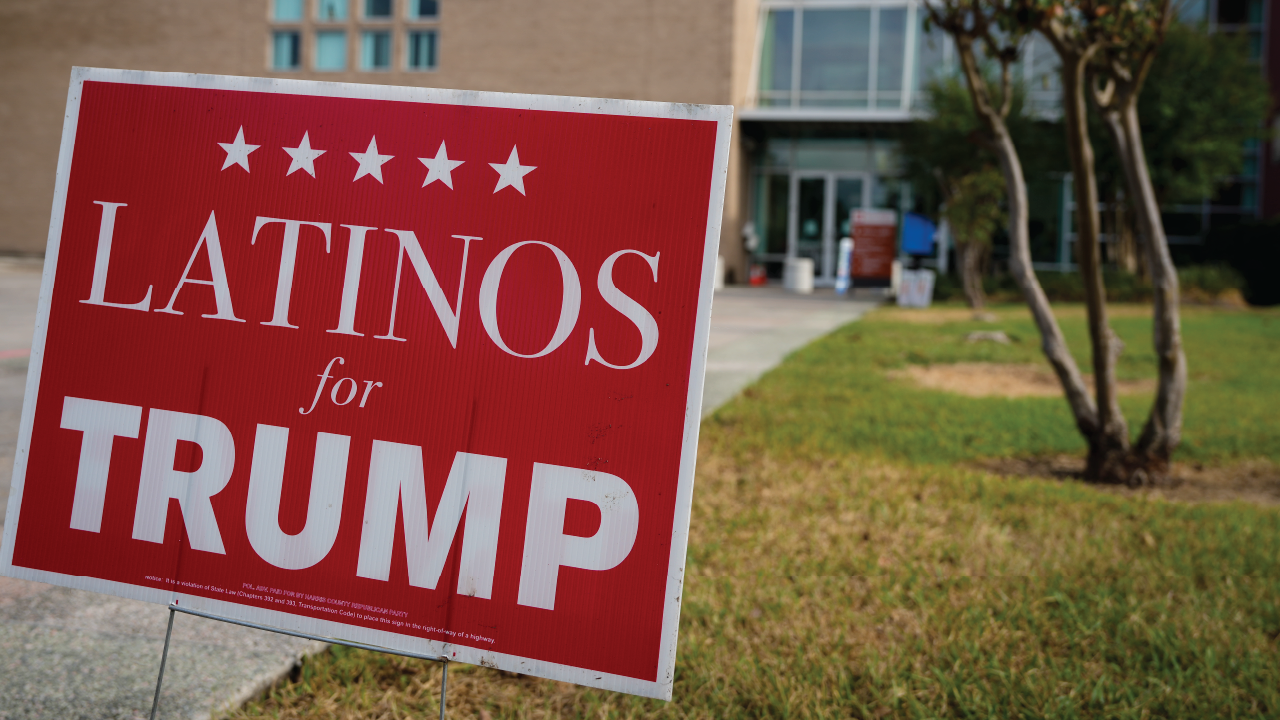
The Evolving Role of Latino Voters in American Politics
The demographic shifts within the United States have placed Latino voters at the forefront of electoral considerations. Over the past few decades, this group has experienced rapid population growth, solidifying its position as the second-largest racial and ethnic group of eligible voters by 2024. Approximately 36 million Latino adults in the U.S. were citizens and thus eligible to participate in the electoral process.
Furthermore, the 2024 election saw a notable increase in Latino support for Donald Trump compared to previous election cycles. According to a separate 2025 study by the Pew Research Center on validated voters, 48% of Latino voters backed Trump in 2024. This represents a significant jump from the 36% who supported him in 2020 and the 28% in 2016. This trend suggests a growing, albeit potentially volatile, segment of the Latino electorate aligning with Trump’s platform and messaging.
The recent decline in approval among these voters, therefore, carries significant weight. It signals that the factors contributing to this shift could impact not only Trump’s ability to retain these voters but also the broader trajectory of Republican outreach to the Hispanic community.
Potential Factors Contributing to the Shift
While the Pew Research Center’s report meticulously details the "what" of the decline, understanding the "why" requires broader contextual analysis. Several factors, both policy-related and socio-political, could be contributing to this erosion of approval among Hispanic Trump voters.
- Economic Conditions and Policy Impact: While the overall economy is a factor for all voters, specific economic policies or their perceived impact on Hispanic communities could be at play. Issues such as inflation, employment rates, and the cost of living might be disproportionately affecting certain segments of the Hispanic population, leading to dissatisfaction.
- Immigration Policies and Rhetoric: Immigration remains a central issue for many Latino voters, regardless of their political affiliation. While Trump’s stance on border security and immigration has historically resonated with some, shifts in policy or the tone of public discourse surrounding immigration could be alienating a portion of his Hispanic supporters. The nuances of how immigration reform is perceived and its direct impact on families and communities are critical considerations.
- Cultural and Social Issues: Broader cultural and social issues, from debates on education and healthcare to representation and civil rights, can influence voter sentiment. Changes in the administration’s approach to these issues, or the way they are communicated, might be impacting the alignment of Hispanic voters with Trump.
- Perception of Leadership and Personal Traits: The Pew Research Center’s broader analysis, referenced in the original article, notes a decline in Trump’s standing on several personal traits among the public as a whole. If these perceptions are more deeply felt or amplified within the Hispanic community, it could contribute to the lower approval ratings. Trust, perceived fairness, and empathy are often key considerations for voters.
- Shifting Demographics and Generational Differences: The Latino population is not monolithic. There are significant differences based on national origin, acculturation levels, and generational status. Younger Latino voters, for instance, may hold different views on social and political issues than older generations, potentially leading to a divergence in their approval of the president.
- Media Landscape and Information Consumption: The way information is consumed and interpreted within different communities can shape political opinions. The specific media ecosystems that Hispanic voters engage with, and the narratives presented within them, could be influencing their perceptions of Trump’s performance.
Broader Implications for the Republican Party and Future Elections
The data from Pew Research Center carries significant implications for the Republican Party’s electoral strategy and its long-term engagement with the Hispanic community.
- Retaining a Crucial Demographic: The increase in Latino support for Trump in 2024 was a key factor in his electoral success. A sustained decline in approval among these voters could jeopardize future Republican victories, especially in closely contested states with significant Hispanic populations.
- The Challenge of a Diverse Coalition: Building and maintaining a coalition of diverse voters requires continuous engagement and responsiveness to their concerns. The sharp drop in approval suggests that the Republican Party may need to reassess its outreach strategies and messaging to effectively connect with the evolving needs and perspectives of Hispanic voters.
- Understanding Nuance Within the Hispanic Vote: The Hispanic electorate is not a homogenous voting bloc. Different subgroups within this demographic may respond to different issues and appeals. Future Republican strategies will likely need to acknowledge and address this diversity to achieve broad success.
- The Role of Specific Issues: The emphasis on particular issues, such as immigration or economic policy, and how they are framed and implemented, will continue to be critical. Tailoring messages and policies to resonate with specific concerns within the Hispanic community could be key to rebuilding or strengthening support.
Looking Ahead: Continued Monitoring and Analysis
The Pew Research Center’s ongoing research provides invaluable insights into the dynamics of American political opinion. The current findings underscore the fluid nature of voter sentiment and the importance of continuously monitoring shifts within key demographic groups. As the political landscape continues to evolve, understanding the nuanced views of Hispanic voters, and the factors influencing their support, will remain a critical endeavor for political analysts, policymakers, and candidates alike. The administration’s response to these evolving perceptions, and the strategies adopted by political parties to engage this growing segment of the electorate, will undoubtedly shape the future of American politics.