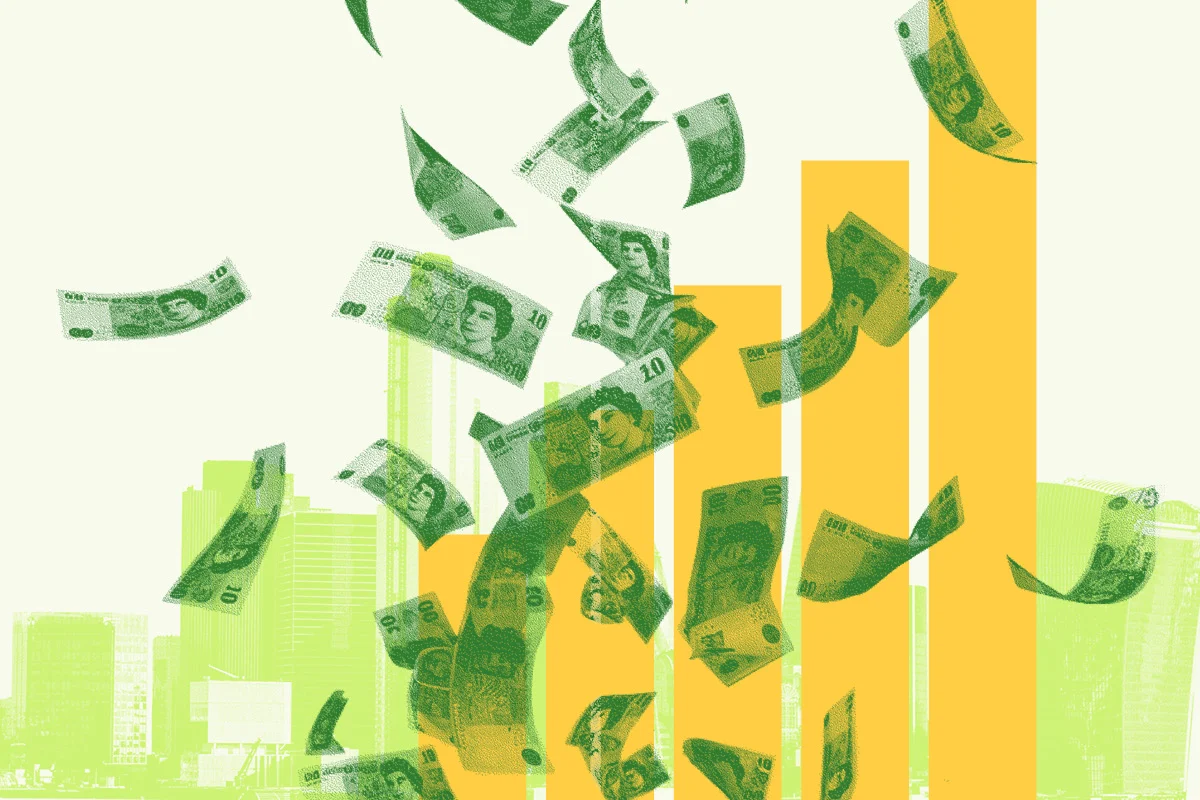
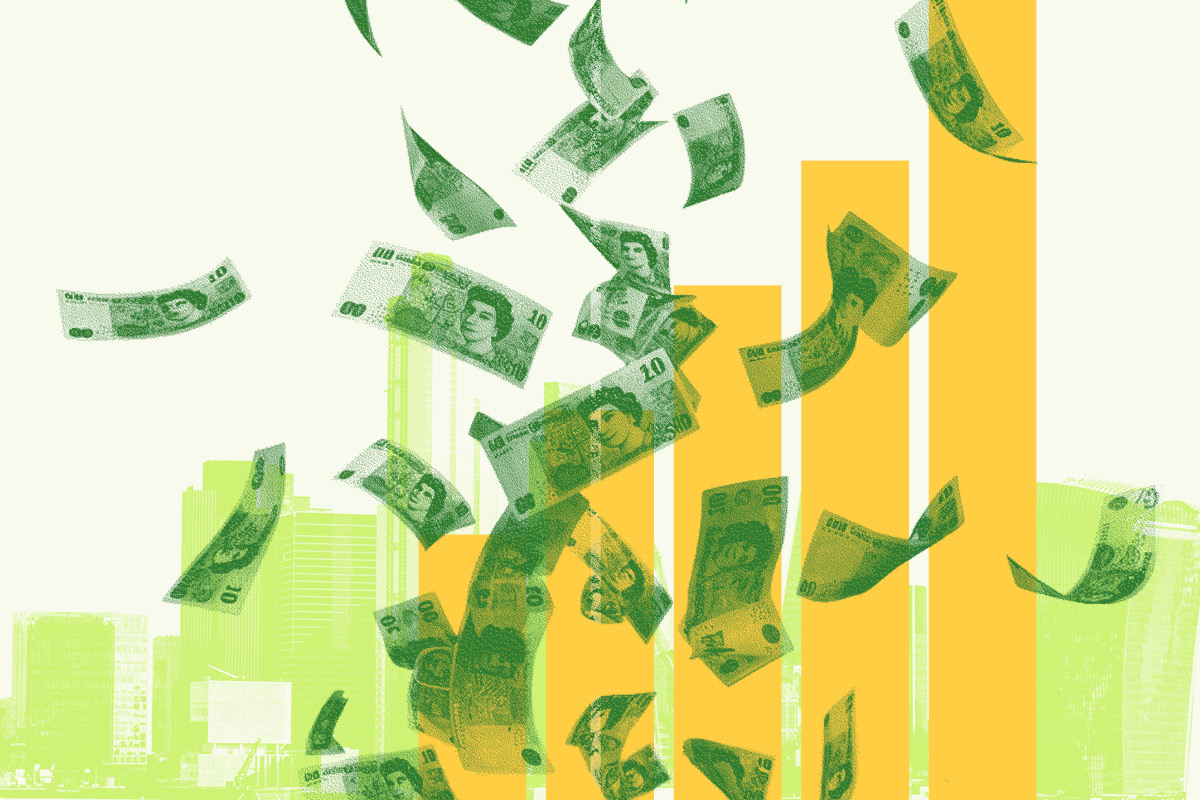
A comprehensive analysis released on May 15, 2026, by The Equality Trust has revealed a profound shift in the concentration of wealth within the United Kingdom, indicating that the nation’s 157 billionaires now command a combined fortune equivalent to 22 percent of the country’s Gross Domestic Product (GDP). This figure represents a nearly sixfold increase from 1990, when 15 billionaires held wealth totaling approximately 4 percent of GDP. The report, titled "Billionaire Britain 2026," suggests that while headline economic indicators may suggest growth, the reality for the majority of the population is one of stagnation and "hollowed-out" prosperity.
The Equality Trust’s findings coincide with the annual publication of the Sunday Times Rich List, a document that has tracked the accumulation of extreme wealth since 1989. However, researchers argue that the celebration of these figures masks a systemic crisis. The report introduces the concept of "Ghost GDP"—a term coined in February 2026 by Citrini Research to describe an economy that appears to be booming on paper due to artificial intelligence and asset inflation, while the actual standard of living for the working population declines.
The Evolution of Wealth Accumulation: 1990 to 2026
To understand the current economic landscape, The Equality Trust traces the trajectory of wealth back to the late 20th century. In 1990, the 15 billionaires identified by the Sunday Times held a collective £27 billion, which accounted for roughly 4 pence of every pound of UK GDP. By 2026, this number has ballooned to 157 individuals holding just under £670 billion, representing more than 22 pence of every pound produced by the national economy.
This accumulation has occurred alongside what economists describe as the longest pay squeeze in modern British history. Data indicates that the richest 50 families in the UK now possess more wealth than the poorest 34 million citizens combined. This disparity marks a significant departure from the post-war consensus on economic distribution, signaling a return to levels of inequality not seen since the early 20th century.
The nature of this wealth has also undergone a fundamental transformation. In 1990, only three billionaires on the list derived their primary wealth from property, inheritance, or the financial sector. By 2025, that number had risen to 42. Finance now accounts for approximately 30 percent of all billionaire wealth in Britain—a fourfold increase in its share of the elite wealth pool. This shift toward "rentier capitalism"—where profit is generated through the ownership of assets and the collection of rents rather than the production of goods or services—is cited by the report as a primary driver of the "hollow economy."
Ghost GDP and the Irish Warning
The report draws a stark comparison between the UK’s current trajectory and the economic situation in Ireland. In 2025, Ireland reported a GDP growth rate of 12 percent, yet the Equality Trust notes that much of this was "on-paper" growth, driven by multinational corporations routing profits through Dublin for tax optimization. The distortion became so severe that Irish authorities were forced to adopt a new metric, "Modified Domestic Demand," to gauge the actual health of the domestic economy.
The Equality Trust warns that Britain is entering a similar phase of "Ghost GDP." As billionaire wealth grows through asset appreciation—often accelerated during national crises such as the COVID-19 pandemic or the ongoing cost-of-living scandal—the benefits do not "trickle down" to the wider population. Instead, the report argues that wealth is being extracted from the economy. Every rise in property values that enriches a real estate billionaire simultaneously prices first-time buyers out of the market, effectively transferring wealth from the young and the working class to a dynastic elite.
Structural Corruption and Elite Capture
A significant portion of the analysis focuses on how extreme wealth concentration influences the UK’s democratic institutions. The Equality Trust highlights "elite capture"—a process where political and legal systems are reshaped to protect the interests of the ultra-wealthy.
Key indicators of this trend include:
- Political Donations: Large-scale political donations rose sixfold between 2002 and 2019, creating a system where wealth buys direct access to policy-makers.
- Media Concentration: Three major media conglomerates now control 90 percent of national newspaper circulation, shaping public discourse in ways that normalize extreme wealth.
- Legislative Influence: The House of Lords has grown to over 750 members, making it the second-largest legislative chamber in the world. Research cited in the report suggests a documented correlation between significant financial donations and the granting of peerages.
Professor Kate Pickett, a patron of The Equality Trust and member of the consultative council to the International Panel on Inequality, argues that these inequalities create a bifurcated society where different rules apply to different classes. "Extreme inequality doesn’t just buy political access," Pickett stated in the report. "It creates a world where the mechanisms of accountability are bypassed by those with sufficient capital."
Even figures within the global financial elite have expressed concern. Larry Fink, Chief Executive of BlackRock, warned in his 2026 annual letter that the integration of AI could push inequality to a point of "social breakdown" unless structural changes are made to how wealth is distributed and invested.
The Human and Environmental Cost
The report moves beyond statistics to document the tangible impact of the hollow economy on public health and social well-being. According to data from the Health Foundation, healthy life expectancy in Britain has declined by two years over the last decade, falling to below 61 years. While the UK remains the sixth-largest economy globally, it ranks second to last among comparable wealthy nations for the duration of time citizens can expect to live in good health, trailing only the United States.
Furthermore, the gap in health outcomes is tied directly to wealth. Individuals in the most affluent areas of the UK can expect 20 more years of healthy life than those in the most deprived regions. UNICEF’s "Report Card 20," also cited in the findings, ranks Britain 35th for income inequality and 25th for child poverty among the world’s wealthiest nations, suggesting that the "hollow economy" is failing the next generation before they enter the workforce.
The environmental implications are equally severe. An Oxfam study included in the report, "Climate Plunder," found that the world’s richest billionaires produce more carbon through their investments and lifestyle choices in three hours than the average British citizen does in a lifetime. In the UK, the richest 0.1 percent are 56 times more polluting than those on the lowest incomes. Since 1990, while the bottom 90 percent of the UK population has reduced their carbon emissions by 26 percent, the emissions of the super-rich have risen by 53 percent.
Global Shifts and the "Beyond GDP" Movement
The Equality Trust’s report concludes by arguing that "sticking plaster" reforms are no longer sufficient. It points to a growing international movement to move "Beyond GDP" as the primary measure of national success.
In early May 2026, the United Nations High-Level Expert Group on Beyond GDP launched its final report, proposing a set of 31 indicators to replace GDP. these indicators focus on wellbeing, equity, and environmental sustainability. Simultaneously, the outgoing UN Special Rapporteur on Extreme Poverty, Olivier De Schutter, published a "Roadmap for Eradicating Poverty Beyond Growth," which posits that the pursuit of GDP growth has become an obstacle to solving poverty in the 21st century.
The Equality Trust advocates for several structural changes to address the UK’s inequality crisis:
- A Progressive Wealth Tax: Implementing a structural limit on the concentration of power and capital.
- Democratic Reform: Capping political donations and breaking up media monopolies to reduce "elite capture."
- New Economic Metrics: Adopting success measures that prioritize circulating wealth and public health over asset inflation.
As the 2026 local elections demonstrated a rising tide of political discontent, the report suggests that the "anger" generated by a hollowed-out economy will continue to find outlets unless the system is fundamentally reoriented. Professor Luke Kemp of the Cambridge Centre for the Study of Existential Risk noted that historical data shows extreme inequality and the capture of institutions by a small elite are among the most reliable predictors of systemic collapse.
The Equality Trust’s 2026 analysis serves as a stark reminder that while the Sunday Times Rich List may provide a record of individual "winners" in the current economic system, the broader data suggests a collective loss for the British public. The transition from a wealth-to-GDP ratio of 4 percent to 22 percent in just over three decades marks a transformative period in British history—one that the authors argue must be reversed to ensure a stable and equitable future.