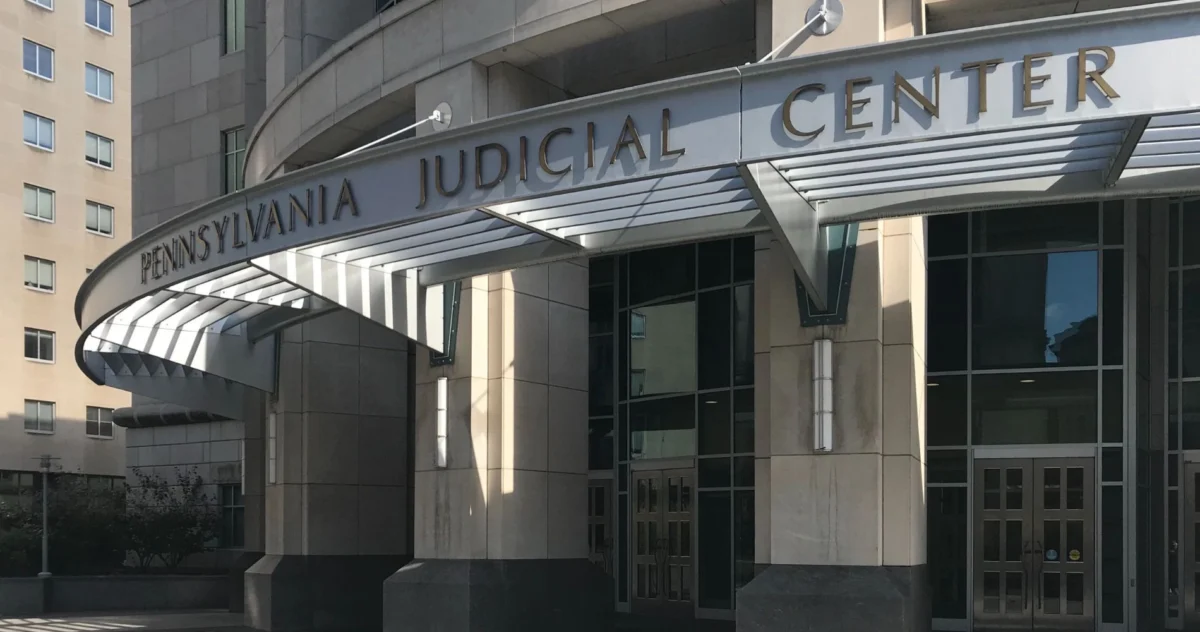
The Pennsylvania Supreme Court has issued a landmark decision, ruling that mandatory life-without-parole sentences for individuals convicted of felony murder violate the state constitution’s prohibition against cruel punishments. This pivotal ruling fundamentally alters how the Commonwealth will approach sentencing for second-degree murder, emphasizing individualized assessments of culpability over blanket punitive measures. The decision, delivered by Chief Justice Debra Todd, marks a significant shift in Pennsylvania’s criminal justice landscape and could have far-reaching implications for hundreds of inmates currently serving such sentences.
Understanding Pennsylvania’s Felony Murder Rule and its Application
At the heart of this legal challenge lies Pennsylvania’s felony murder rule, a controversial legal doctrine that allows individuals to be charged with murder even if they did not directly cause a death or intend to kill. Under state law, a person can be convicted of second-degree murder if a death occurs during the commission of certain enumerated felonies, such as robbery, rape, or kidnapping. Crucially, the previous interpretation of this law mandated that every person convicted of second-degree murder, regardless of their role in the death—whether they were the actual killer, an accomplice, or merely a getaway driver—receive a sentence of life imprisonment without the possibility of parole. This mandatory minimum applied uniformly, creating a system where a person with minimal involvement in the death could face the same ultimate punishment as the direct perpetrator.
The felony murder rule itself has a long and often contentious history in American jurisprudence, tracing its roots back to English common law. Its original intent was to deter dangerous felonious conduct by holding all participants accountable for deaths that occur during such crimes. However, critics have long argued that the rule can lead to disproportionate punishment, particularly when applied to individuals who did not intend harm or actively participate in the fatal act. Many states have modified or abolished their felony murder statutes over time, introducing varying degrees of intent or culpability requirements. The Pennsylvania Supreme Court noted that only four other states—Iowa, Louisiana, Mississippi, and North Carolina—maintained similar mandatory life-without-parole sentences for felony murder without any exceptions or considerations for individual culpability, highlighting Pennsylvania’s outlier status.
The Case of Derek Lee: A Catalyst for Constitutional Review
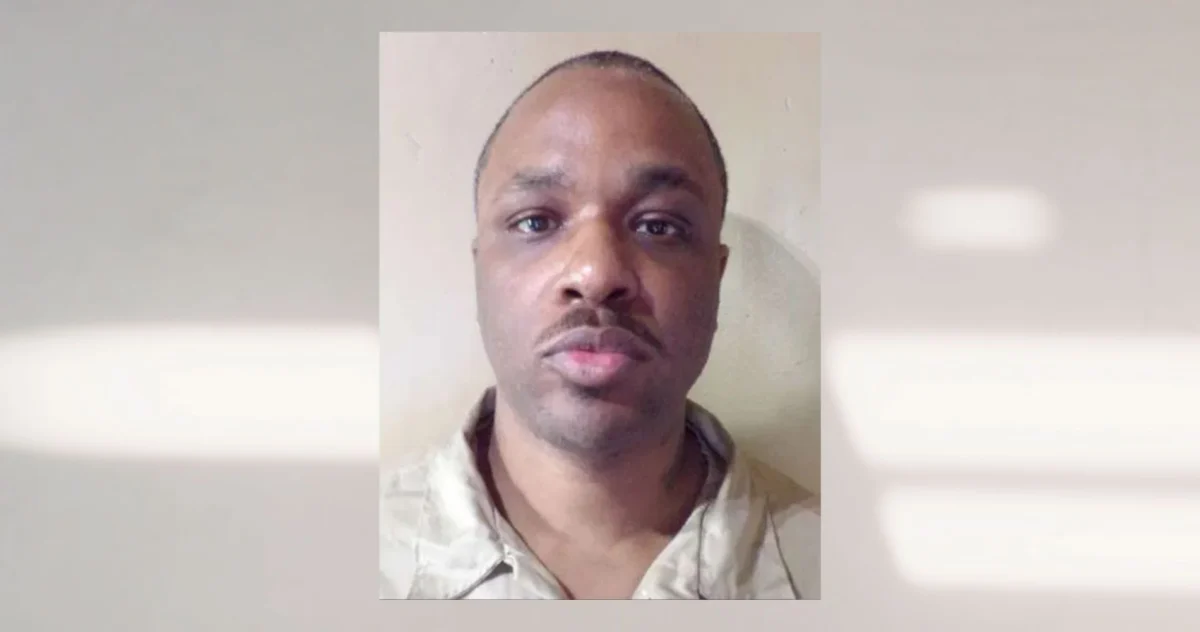
The catalyst for this momentous ruling was the case of Derek Lee. In 2014, Mr. Lee was involved in an armed robbery in Allegheny County. During the course of the robbery, while Lee was reportedly upstairs, his accomplice shot and killed the victim in the basement during a struggle. Both men were subsequently convicted of second-degree murder under Pennsylvania’s felony murder rule and, as dictated by the law, were sentenced to life imprisonment without the possibility of parole.
Mr. Lee mounted a constitutional challenge against his sentence, arguing that it violated both the state and federal constitutions. His appeal presented the Pennsylvania Supreme Court with the opportunity to examine the proportionality of mandatory life-without-parole sentences in the context of the state’s "cruel punishments" clause.
A Landmark Interpretation of State Constitutional Protections
In its ruling, the Pennsylvania Supreme Court unequivocally declared that the state constitution offers greater protections to its citizens against disproportionate punishments than those recognized under the Eighth Amendment of the United States Constitution. This assertion is a critical aspect of the decision, establishing a higher bar for justice within the Commonwealth. Chief Justice Todd, writing for the majority, stated, "We determine that a mandatory life without parole sentence for all felony murder convictions, absent an assessment of culpability, is inconsistent with the protections bestowed upon our citizens under the ‘cruel punishments’ clause of our Commonwealth’s organic charter."
The Court’s reasoning was rooted in the fundamental principle that punishment must be "graduated and proportioned to both the offender and the offense." This "longstanding notion of justice," as articulated by the Court, dictates that individuals with diminished culpability should not face the same severe punishments as those with greater responsibility for the harm caused. The mandatory life-without-parole scheme, the Court observed, "fails to distinguish between the lookout and the killer who pulls the trigger." It imposed "the harshest imprisonment sanction permitted under the law" on all felony murder convicts, irrespective of their individual culpability or characteristics. This lack of individualized sentencing for such a severe penalty—second only to the death penalty—was deemed to "run afoul of notions of individualized sentencing."
Therefore, the Court concluded that Pennsylvania’s felony murder statute, by mandating life without parole regardless of culpability, posed "too great a risk of disproportionate punishment" and thus violated the state constitutional prohibition against cruel punishments. This decision underscores a judicial commitment to ensuring that the severity of a sentence aligns with the individual’s role and intent in a crime, rather than relying on a strict liability standard that ignores nuanced differences in criminal responsibility.
Implications for Current and Future Sentences
The immediate effect of the ruling is that Derek Lee’s case has been remanded back to the sentencing court. This court is now tasked with considering his individual culpability before resentencing him to either life without parole or life with parole, a decision that will profoundly impact his future.
However, the broader implications of this ruling extend far beyond Mr. Lee’s individual case. One of the most pressing questions arising from the decision is its retroactivity. The Supreme Court’s opinion did not explicitly state whether the ruling applies retroactively to the more than 1,000 people currently serving life without parole for second-degree murder in Pennsylvania. This ambiguity leaves a significant population of inmates in a state of uncertainty, many of whom have spent decades behind bars under the now-unconstitutional sentencing scheme. Legal experts anticipate that this issue will likely be a subject of future litigation, as defense attorneys will undoubtedly argue for retroactive application, potentially leading to a wave of resentencing hearings across the Commonwealth.
Official Reactions and Legislative Calls for Action
The ruling has elicited strong reactions from state officials, particularly from those who have long advocated for criminal justice reform. Pennsylvania Governor Josh Shapiro, who has previously voiced support for striking down mandatory life without parole for felony murder, welcomed the decision. Immediately following the ruling, Governor Shapiro called upon lawmakers to "come up with a thoughtful, just process to address those who are serving life sentences for second-degree murder." His statement signals an executive branch commitment to addressing the systemic issues highlighted by the Supreme Court.
Echoing this call, State Senator Sharif Street (D., Philadelphia) highlighted ongoing legislative efforts. Senator Street has sponsored a bipartisan bill, SB 387, which is currently pending in the state Senate. This proposed legislation would allow for parole consideration for individuals convicted of felony murder after serving 25 years. Senator Street emphasized the perceived injustice of the previous system, stating, "I’ve been advocating that we do this because the result of our legal system is there are people who were not the actual shooter who end up serving life in prison when the actual shooter did not. It’s inconsistent with people’s understanding of how justice should work." His remarks underscore the moral and ethical arguments underpinning the reform movement, pointing to cases where accomplices receive harsher sentences than primary perpetrators due to the intricacies of plea bargains or other legal outcomes.
The legislative push for reform predates the Supreme Court’s ruling, demonstrating a growing consensus among some lawmakers that the mandatory life-without-parole sentence for felony murder was overly punitive and failed to achieve true justice. The Supreme Court’s decision now adds significant weight to these legislative efforts, providing a constitutional mandate for change that could accelerate the passage of bills like SB 387.
Broader Impact and the Future of Criminal Justice in Pennsylvania
The Pennsylvania Supreme Court’s ruling represents a monumental step forward in criminal justice reform within the Commonwealth. By prioritizing individualized assessment of culpability, the Court has affirmed a more nuanced and equitable approach to sentencing. This decision aligns Pennsylvania more closely with a growing national trend towards re-evaluating harsh mandatory minimum sentences and embracing restorative justice principles.
The implications extend beyond just felony murder. This ruling could set a precedent for future challenges to other mandatory minimum sentences in Pennsylvania, particularly those that do not allow for judicial discretion based on the specifics of a case or the individual characteristics of a defendant. It reinforces the power of state constitutions to offer greater protections than the federal constitution, a concept that has been increasingly invoked by state supreme courts across the nation to address issues such as privacy rights, environmental protections, and, as in this case, criminal justice.
For victims’ rights advocates, the ruling may raise concerns about accountability and the perceived softening of penalties for serious crimes. However, proponents of the decision argue that it does not diminish the gravity of the crime but rather ensures that the punishment fits the individual’s role and moral culpability, fostering a more just and effective justice system in the long run.
The coming months will likely see intense legal and legislative activity in Pennsylvania. The courts will grapple with the question of retroactivity, while the General Assembly will be under pressure to craft new legislation that aligns with the Supreme Court’s mandate. This landmark decision marks a new chapter for criminal justice in Pennsylvania, one that promises a more thoughtful and proportionate application of the law, moving away from rigid, one-size-fits-all punishments towards a system that better reflects the complexities of human culpability. The challenge now lies in translating this constitutional directive into practical, fair, and consistent policies that serve both justice and public safety.