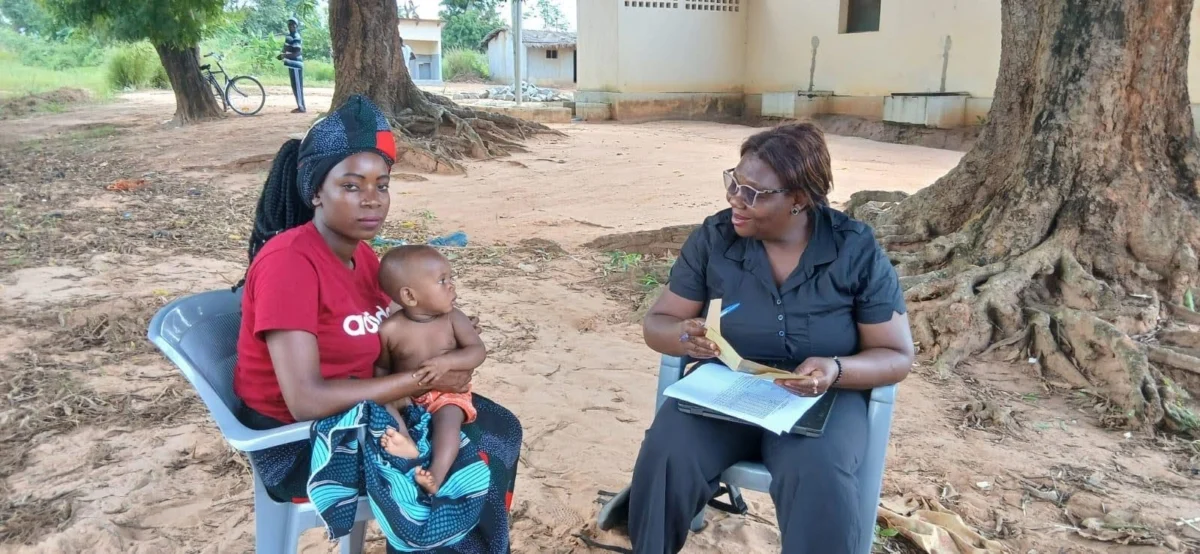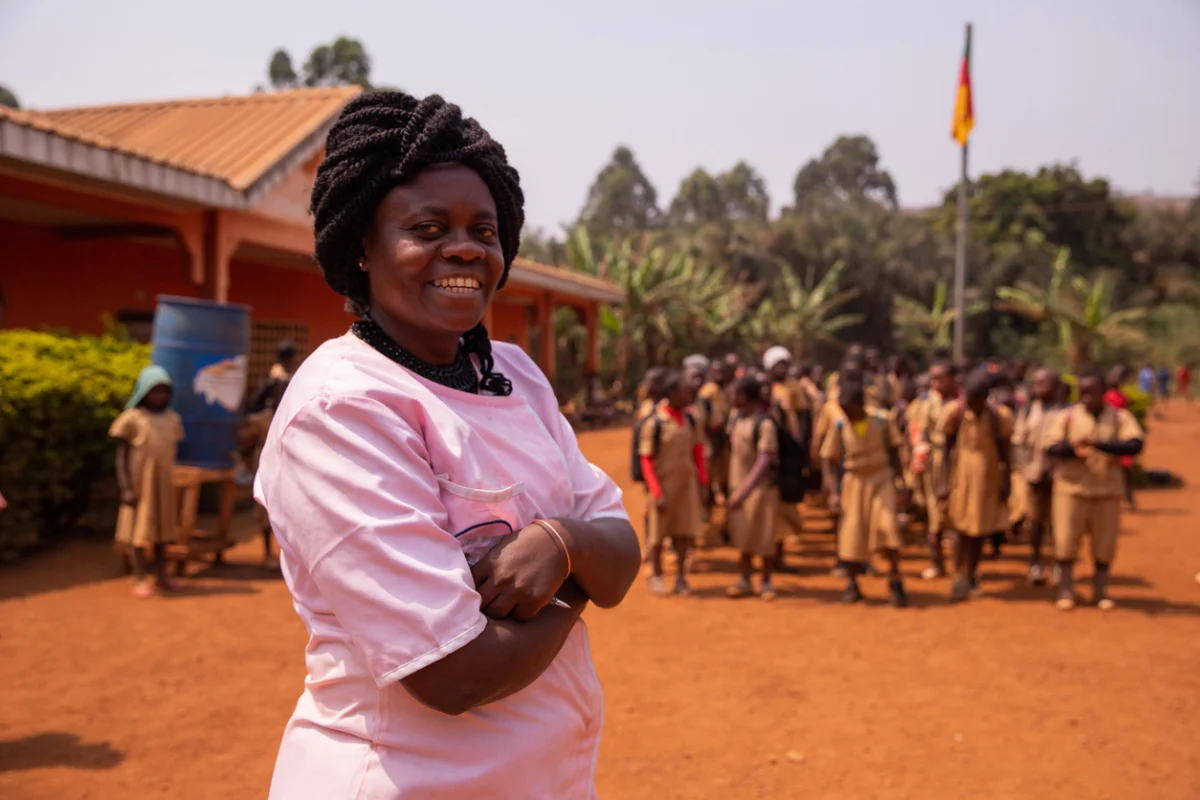
The Government of Mozambique’s National Youth Institute (Instituto Nacional da Juventude – INJ) has officially awarded World Education, a JSI Initiative, the contract for the Eu Sou Capaz (I Am Capable) Technical Assistance and Training Activity. This strategic partnership, supported by the World Bank, represents a significant expansion of the Empowering Adolescent Girls to Earn and Read (EAGER) vision, a multi-national initiative designed to improve educational and economic outcomes for millions of girls across Mozambique, Zimbabwe, and Madagascar. The activity is designed to scale government-led interventions that target the complex social, economic, and behavioral factors driving high school dropout rates among adolescent girls in Mozambique.
The Eu Sou Capaz initiative arrives at a critical juncture for Mozambique’s education sector. Despite significant strides in primary school enrollment over the last decade, the transition to and retention in secondary education remains a daunting challenge for female students. By focusing on two primary goals—enhancing the technical capacity of government institutions and implementing community-based support systems—World Education aims to create a sustainable framework that ensures girls not only enter the classroom but remain there until completion.
The Strategic Framework of Eu Sou Capaz
The Eu Sou Capaz model is built upon the foundation of Social and Behavior Change (SBC) and Human-Centered Design (HCD). Unlike traditional educational interventions that focus solely on infrastructure or curriculum, this activity prioritizes the lived experiences of the girls themselves. The methodology involves redesigning educational delivery systems to align with the socio-economic realities of Mozambican families.
Obert Darara, JSI’s World Education Country Lead in Mozambique, emphasized the holistic nature of the program. According to Darara, the initiative is less about physical access to buildings and more about dismantling the "invisible barriers" that prevent girls from thriving. These barriers include deep-seated socio-cultural norms, the immediate economic pressures on households, and the pervasive threat of gender-based violence (GBV). By integrating HCD, the project ensures that the solutions—whether they are material support packages or life-skills curricula—are tailored to the specific needs of the communities they serve.
The project’s focus is twofold. First, it seeks to strengthen the National Youth Institute’s ability to manage and scale large-scale social interventions. Second, it implements direct-action programs such as community mobilization and transformative life-skills education. These efforts are designed to address the root causes of school dropout and teenage pregnancy, which are often interlinked with harmful traditional practices and a lack of economic alternatives for young women.
Contextualizing the Challenge: Education and Gender in Mozambique
To understand the necessity of the Eu Sou Capaz activity, one must look at the broader educational landscape in Mozambique. Statistics from the World Bank and UNESCO indicate that while Mozambique has achieved nearly universal primary school enrollment, the survival rate to the end of secondary school remains low, particularly for girls. In many rural provinces, such as Sofala and Nampula, the pressures of early marriage and adolescent pregnancy significantly truncate a girl’s educational journey.
Mozambique has one of the highest rates of child marriage in the world, with nearly half of all girls married before the age of 18. This cultural phenomenon is often driven by poverty, where a daughter’s marriage is seen as a way to reduce the financial burden on a household. Furthermore, the lack of female-friendly facilities in schools—such as private sanitation and menstrual hygiene management resources—often leads to high absenteeism, eventually resulting in permanent dropout.
The EAGER strategic vision, under which Eu Sou Capaz operates, recognizes that education is the most effective tool for economic empowerment. A girl who completes secondary school is more likely to earn a higher wage, have fewer and healthier children, and reinvest her income back into her community. By addressing the behavioral drivers of dropout, World Education is not just supporting individual students but is contributing to the long-term economic stability of the region.
Implementation and Methodology: The Community Leader Mapping Tool
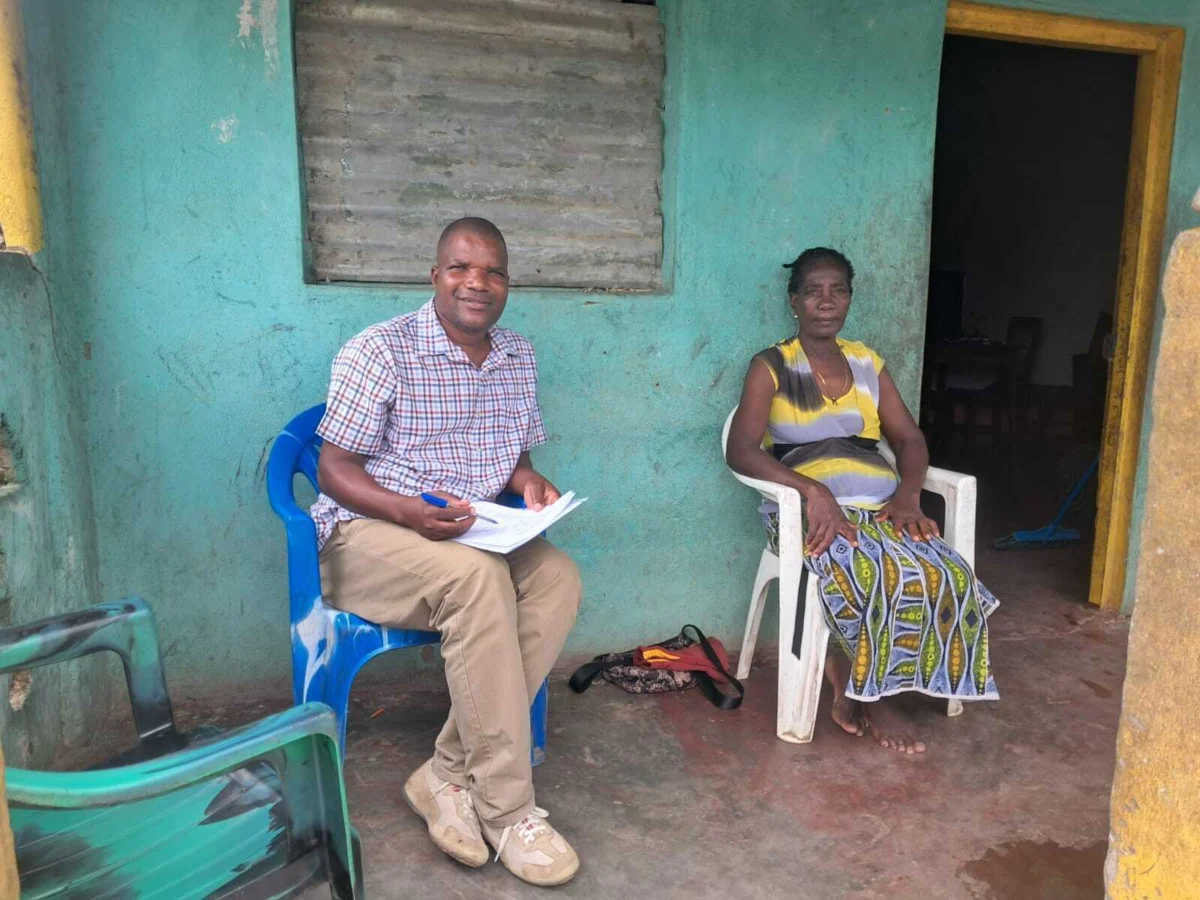
A cornerstone of the current pilot phase is the Community Leader Mapping Tool. Recently, Alberto Domingos, a key member of the World Education team, conducted a series of one-on-one interviews with community leaders in the Sofala Province. This province was chosen for the pilot due to its unique demographic challenges and its vulnerability to climate-related shocks, which often exacerbate school dropout rates.
The Community Leader Mapping Tool is designed to identify influential figures within a village—including traditional leaders, religious figures, and local elders—who can serve as advocates for girls’ education. By engaging these leaders, the project aims to shift local perceptions regarding the value of educating daughters versus early marriage. The data collected during these interviews allows the project team to map out the power dynamics of a community and identify potential "champions" who can help enforce child protection policies and promote school attendance.
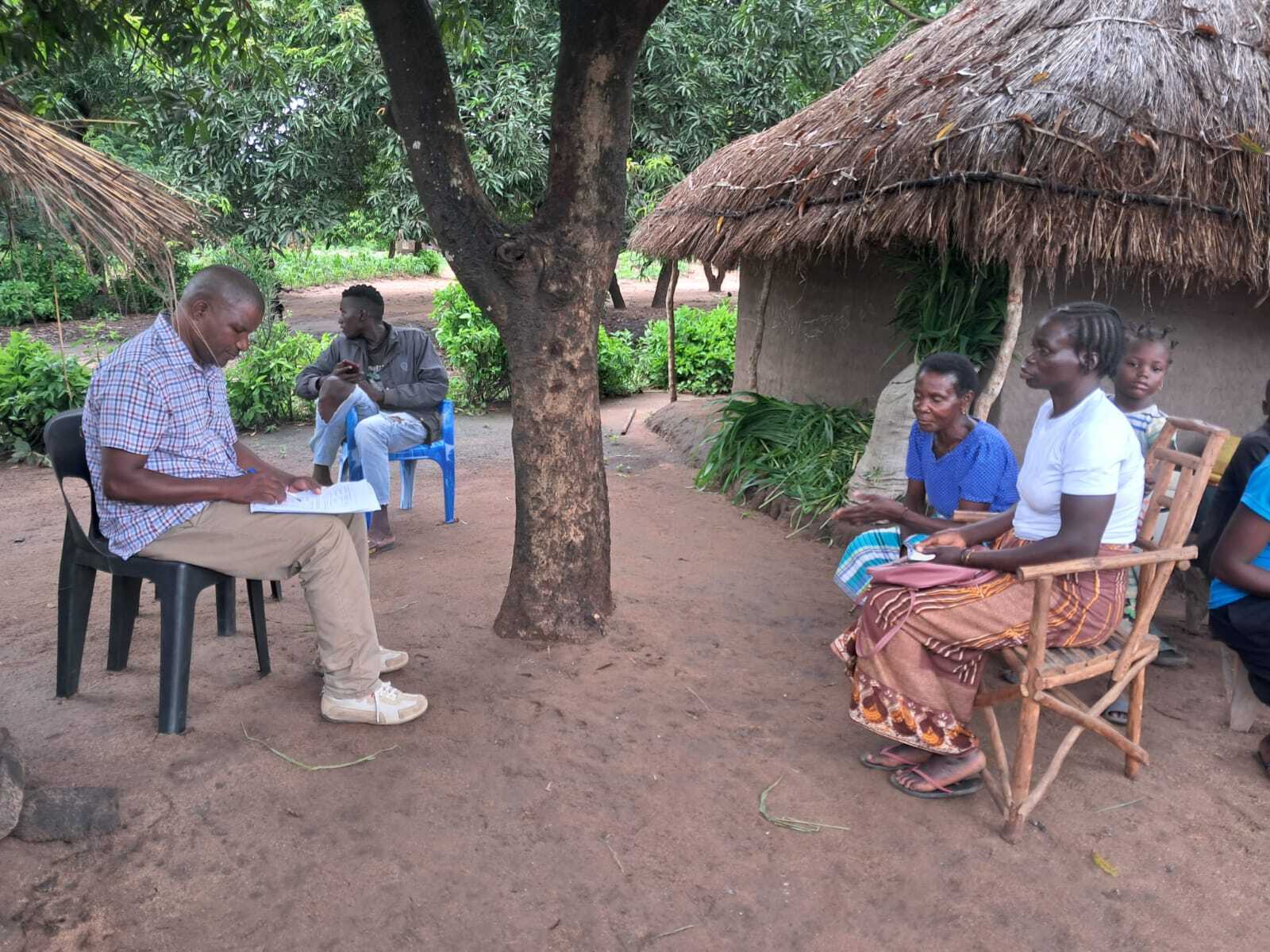
This data-driven approach ensures that the Eu Sou Capaz model is nationally scalable while remaining locally responsive. By utilizing World Education’s 15-year history of regional impact, the project leverages existing datasets on student retention and community engagement to refine its strategies in real-time.
Historical Impact and Regional Expertise
World Education’s involvement in Mozambique is not a new development. The organization has spent over a decade and a half developing and implementing programs that bridge the gap between educational policy and community reality. To date, World Education’s regional efforts have reached hundreds of thousands of learners across Southern Africa.
The organization’s track record includes the development of comprehensive life-skills curricula that have been integrated into formal and non-formal education systems. These curricula focus on agency, financial literacy, and reproductive health, providing girls with the tools they need to navigate the transition from adolescence to adulthood. By applying this expertise to the Eu Sou Capaz activity, World Education is ensuring that the National Youth Institute benefits from a proven methodology that has already demonstrated success in similar socio-economic contexts in Zimbabwe and Madagascar.
The regional synergy provided by the EAGER vision allows for the sharing of best practices across borders. For instance, lessons learned regarding gender-based violence prevention in Zimbabwe can be adapted to the Mozambican context, ensuring that the government-led interventions are informed by the latest evidence-based research.
Official Responses and Government Integration
The award of this technical assistance activity to World Education is a clear signal of the Mozambican government’s commitment to institutionalizing support for adolescent girls. The National Youth Institute (INJ) serves as the primary government body responsible for youth welfare, and the integration of World Education’s technical expertise is expected to significantly boost the INJ’s operational capacity.
Government officials have noted that the Eu Sou Capaz program aligns with the national strategy for the development of youth and the reduction of poverty. By focusing on "achievement" rather than just "enrollment," the government is shifting its focus toward the quality and outcomes of education. The technical assistance provided by JSI/World Education will include training for government staff, the development of monitoring and evaluation frameworks, and the creation of standardized training materials that can be used across all provinces.
The World Bank’s involvement as a funding partner further underscores the international community’s recognition of this issue as a priority for development. The EAGER program is part of a broader $250 million commitment to strengthen economic empowerment for girls and women across East and Southern Africa, highlighting the scale and ambition of the initiative.
Broader Implications and Future Outlook
The long-term implications of the Eu Sou Capaz Technical Assistance and Training Activity extend far beyond the immediate classroom. By addressing the socio-cultural norms that limit a girl’s potential, the program is essentially performing "systems strengthening" at the community level. When a community leader decides to advocate for school attendance over early marriage, it creates a ripple effect that changes the trajectory for future generations.
Furthermore, the focus on human-centered design ensures that the program remains resilient in the face of external shocks. Whether the challenge is an economic downturn or a natural disaster, the systems being built today are designed to be flexible and responsive to the evolving needs of Mozambican youth.
As the pilot phase in Sofala Province concludes and the project moves toward national scaling, the focus will remain on data-driven decision-making. The information gathered through the Community Leader Mapping Tool and student tracking systems will be used to advocate for policy changes at the national level, ensuring that the rights of adolescent girls remain at the forefront of Mozambique’s development agenda.
In the coming years, the success of Eu Sou Capaz will be measured not just by the number of girls who re-enroll in school, but by the reduction in teenage pregnancy rates and the increase in female participation in the local economy. Through the combined efforts of the National Youth Institute, the World Bank, and World Education, Mozambique is taking a decisive step toward a future where every girl has the opportunity to say, with confidence, "Eu Sou Capaz."