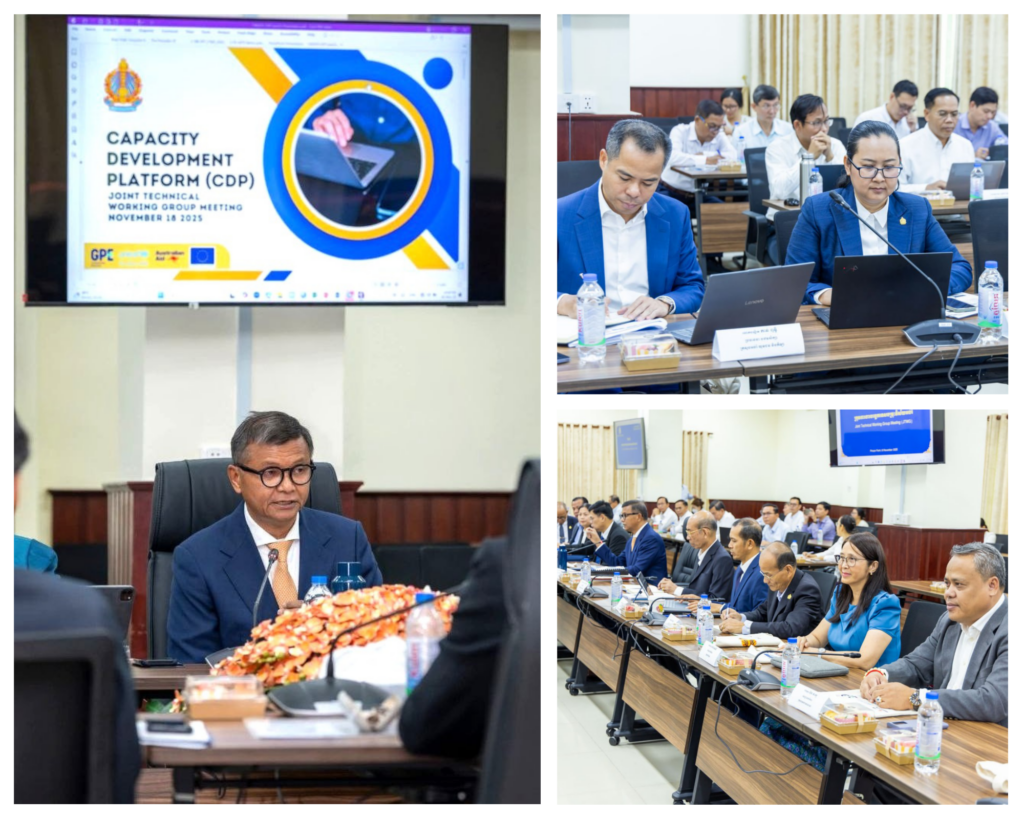
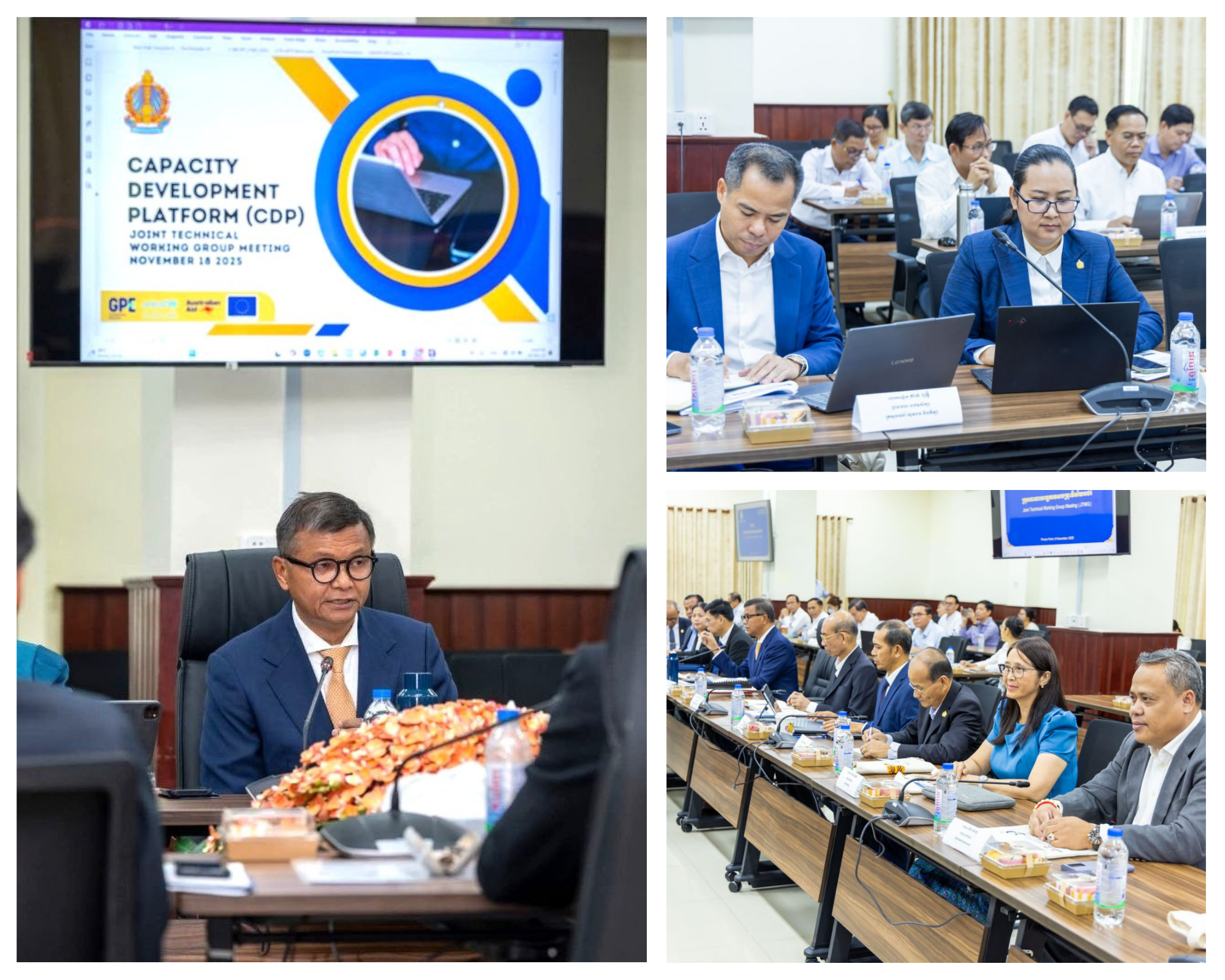
In a landmark move for the Southeast Asian nation’s education sector, Cambodia’s Ministry of Education, Youth, and Sport (MoEYS), in a strategic partnership with UNICEF and World Education, officially inaugurated the Capacity Development Platform (CDP) in November 2025. This digital infrastructure represents a significant leap forward in the country’s efforts to modernize its teaching force, offering a centralized, accessible, and high-quality training ecosystem for educators nationwide. Funded by a consortium of international donors—including the Global Partnership for Education (GPE), the European Union (EU), and the Australian Department of Foreign Affairs and Trade (DFAT)—the CDP is designed to bridge the urban-rural divide by providing equitable access to professional growth. As Cambodia continues to recover from the educational disruptions of recent years and looks toward a digital-first future, the CDP stands as a cornerstone of the national strategy to enhance human capital through improved pedagogical standards.
A Human-Centered Approach to Digital Transformation
The development of the CDP was not merely a technical exercise but a collaborative effort led by World Education, a JSI initiative, which utilized a human-centered design philosophy. Recognizing that the success of any digital tool depends on its alignment with the lived realities of its users, the design team spent months consulting with MoEYS officials, provincial education departments, and frontline teachers. The primary challenge was to create a system that could function effectively in a country where internet connectivity remains inconsistent in remote provinces and where many educators rely solely on smartphones for digital access.
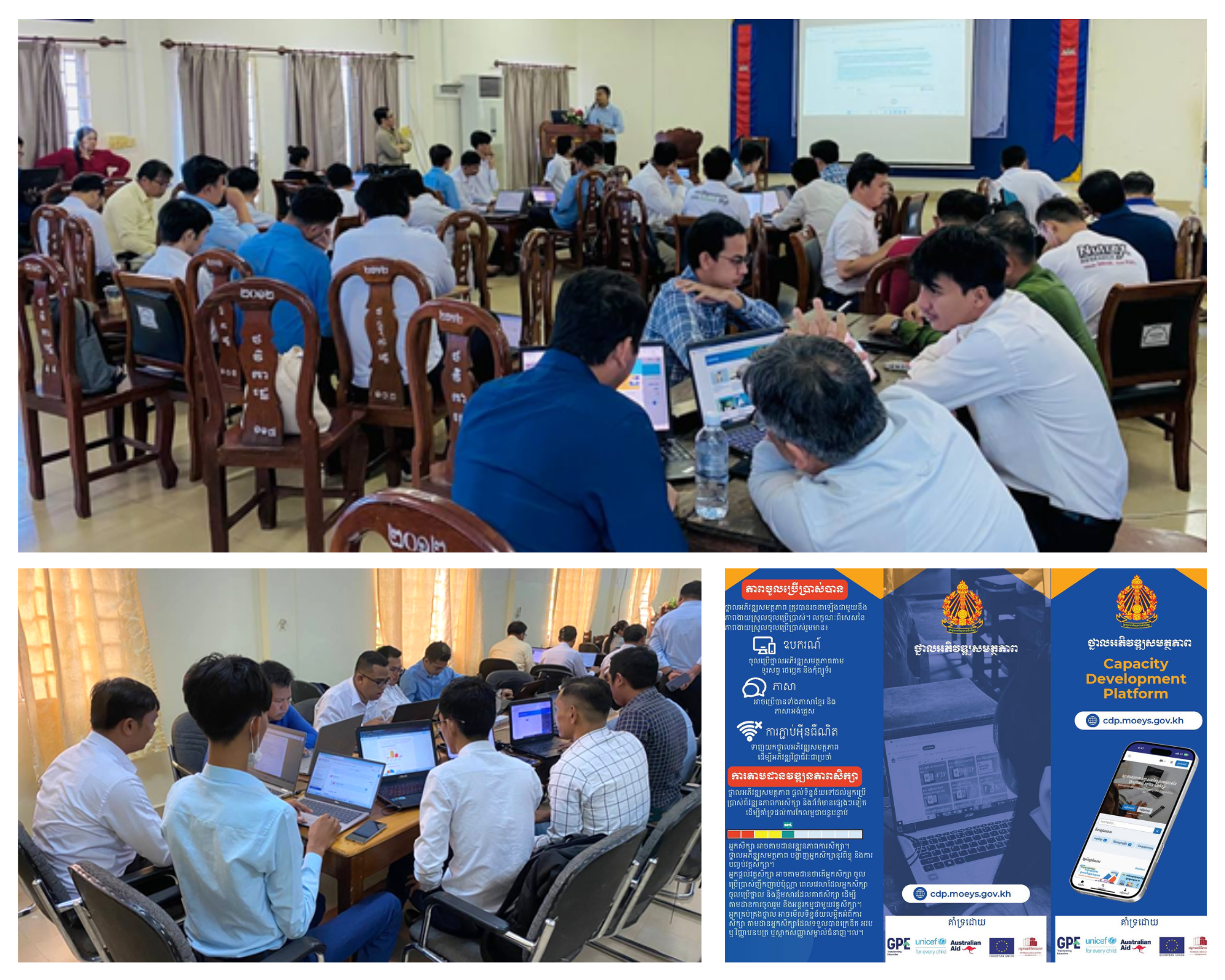
To address these constraints, the CDP was engineered for low-bandwidth environments, ensuring that video modules and interactive content can be accessed even with limited data speeds. The "smartphone-first" interface prioritizes intuitive navigation, allowing teachers with varying levels of digital literacy to engage with the platform without extensive technical training. By focusing on accessibility and ease of use, the CDP avoids the common pitfalls of digital education initiatives that fail due to overly complex interfaces or high hardware requirements. This focus on the end-user ensures that the platform is not just a repository of information but a functional tool for daily professional improvement.
Strategic Integration into National Educational Frameworks
One of the most critical aspects of the CDP is its deep integration into Cambodia’s existing institutional frameworks. Unlike previous pilot projects that operated in isolation, the CDP is hardwired into the national teacher career progression system. This means that the professional development credits earned by teachers through the platform are officially recognized by the government, contributing directly to their qualifications, promotions, and salary increments. This alignment provides a tangible incentive for educators to engage with the content and ensures the platform’s long-term sustainability within the civil service structure.
The governance of the platform is overseen by a dedicated government body, which ensures that all content meets national standards and reflects the current curriculum needs. Following the initial development and operational phase, World Education successfully transitioned the ownership of the platform to the MoEYS Department of Digital Transformation. This transition included comprehensive technical and security training for government personnel, empowering the ministry to maintain, update, and scale the system independently. This move marks a shift from donor-led initiatives to government-owned infrastructure, a vital step for the sovereignty and stability of Cambodia’s digital education landscape.
Chronology of Development: From Concept to National Scale
The journey toward the launch of the CDP involved a rigorous timeline of development, testing, and capacity building throughout 2025. The process began in the early months of the year with the co-design phase, where stakeholders identified the core functionalities required by the ministry.
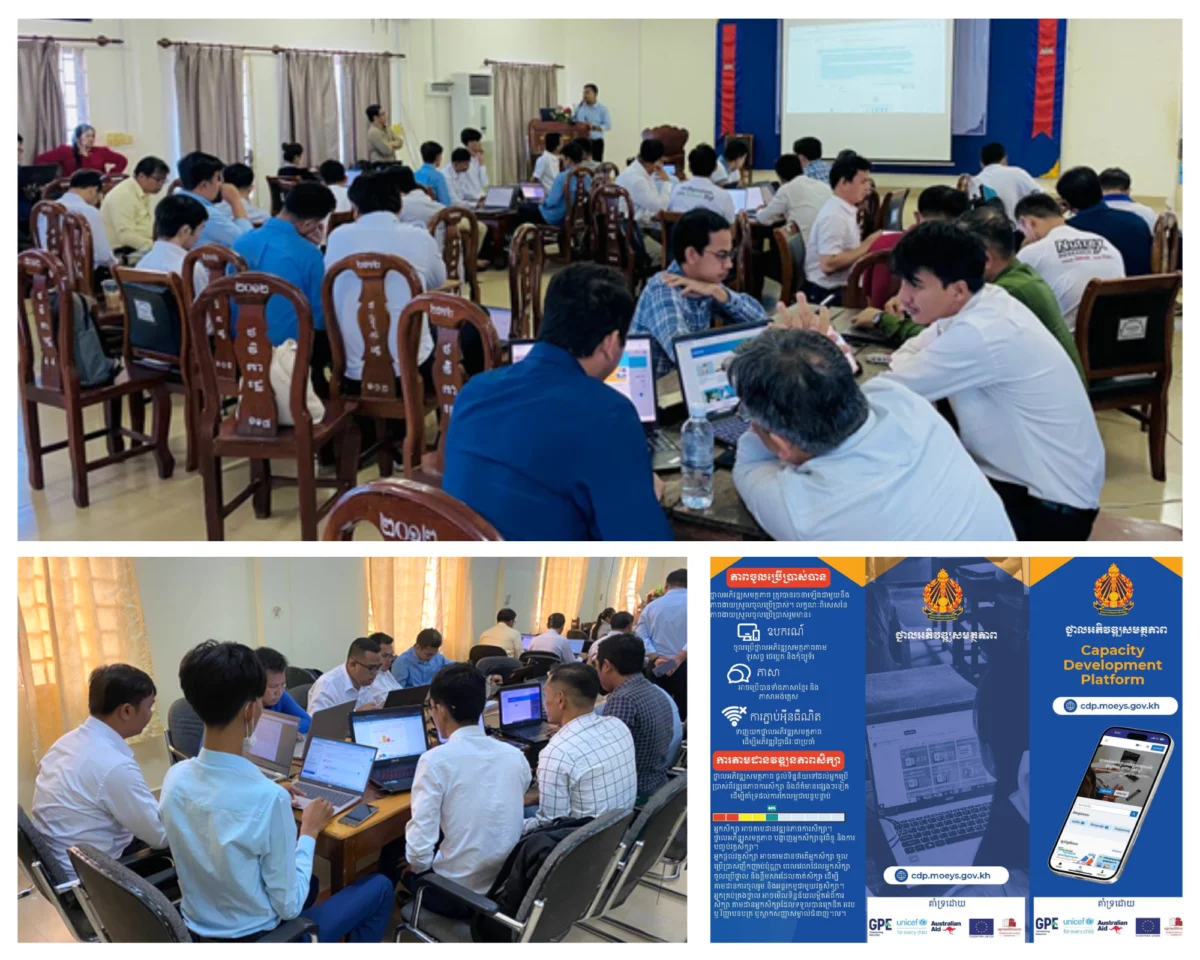
In May 2025, a series of intensive capacity-building workshops were held on May 5–6 and May 19–20. These sessions brought together MoEYS staff and key educators to pilot the platform’s features and provide feedback on the user interface. These workshops were essential for identifying potential bottlenecks in the system and ensuring that the content was culturally and linguistically appropriate for the Cambodian context.
Throughout the summer and autumn of 2025, the platform underwent technical refinement, including the integration of security protocols and the migration of existing teacher data into the new system. By the time of the official launch in November, the CDP was already hosting a robust portfolio of courses. The rapid scaling of the platform post-launch is a testament to the thoroughness of this preparatory phase, as it allowed for a seamless rollout across all 25 provinces of Cambodia.
Quantitative Impact and Early Adoption Rates
The initial data following the launch of the CDP indicates a high level of demand and engagement among Cambodian educators. Within the first few months of operation, the platform recorded more than 44,000 registered users. This figure represents a significant portion of the national teaching force, highlighting the platform’s reach even in the early stages of its deployment.
Furthermore, over 23,000 educators have already enrolled in accredited courses, demonstrating a strong appetite for formal professional development. The courses currently available on the platform cover critical areas of modern pedagogy, including:
- Early Grade Reading: Equipping primary school teachers with evidence-based strategies to improve literacy outcomes in the foundational years.
- Information and Communication Technology (ICT) for Teaching: Training teachers to integrate digital tools and artificial intelligence (AI) into their lesson planning and classroom management.
- Mandatory Standards Upgrading: Modules designed to help teachers meet new national standards for in-service qualifications.
These numbers suggest that the CDP is fulfilling an urgent need for flexible, high-quality training that fits into the busy schedules of working professionals. For teachers in remote districts, who previously had to travel long distances to provincial capitals for multi-day workshops, the ability to earn credits online represents a major logistical and financial relief.
Perspectives from the Field: Empowering the Classroom
The impact of the CDP is best articulated by those who use it daily. For Mrs. Proeut Sanh, a primary school teacher in the Kralanh District of Siem Reap Province, the ICT course has been transformative. She noted that the training strengthened her practical skills in using digital tools and AI for lesson planning, which in turn has made her students more active and participatory. "The course strengthened my knowledge and practical skills in using digital tools and AI for lesson planning, making my students more active and participatory in the classroom," she stated.
This sentiment is echoed by high-level officials who see the CDP as a catalyst for broader societal change. H.E. Dr. Hang Chom Naron, Deputy Prime Minister and Minister of MoEYS, emphasized that the platform is a transformative step in Cambodia’s journey toward quality teacher education. By digitizing training, the ministry is not just providing tools but is empowering educators to inspire better learning outcomes for the next generation of Cambodian citizens.
International partners have also lauded the initiative. Representatives from the European Union and the Australian Embassy in Phnom Penh have highlighted that the CDP aligns with global goals of digital inclusion and the Sustainable Development Goal for quality education (SDG 4). Their continued support underscores the belief that a well-trained teaching force is the most effective lever for improving a nation’s educational performance.
Analysis of Implications: A New Era for Cambodian Education
The launch of the CDP carries several long-term implications for Cambodia’s socio-economic development. First, it standardizes the quality of teacher training. In the past, the quality of professional development could vary significantly depending on the province or the specific donor funding a local workshop. The CDP ensures that a teacher in a remote border village in Ratanakiri receives the same high-standard instruction as a teacher in a prestigious school in Phnom Penh.
Second, the platform’s focus on ICT and AI literacy prepares the education system for the "Industry 4.0" era. By training teachers in these technologies, the MoEYS is ensuring that students are being taught by individuals who are themselves proficient in the digital tools that will define the future job market. This is a critical component of Cambodia’s "Pentagonal Strategy," which aims to transform the country into a high-income economy by 2050.
Third, the blended learning model—combining online modules on the CDP with periodic in-person instruction—offers a sustainable path forward. It reduces the overhead costs of traditional training while maintaining the essential human connection and peer-to-peer learning that occurs in physical workshops. This hybrid approach is likely to become the standard for all government-led professional development moving forward.
Future Outlook and Continued Evolution
While the launch of the CDP is a milestone, it is only the beginning of a continuous process of evolution. World Education remains committed to supporting the MoEYS in the rollout of new content. Current efforts are focused on developing modules that help teachers meet mandatory national standards for qualification upgrading. These new courses are essential for ensuring that the entire teaching force is aligned with the latest pedagogical research and national policy goals.
As the platform matures, there are plans to expand the range of subjects covered, potentially including specialized training for inclusive education, climate change awareness, and advanced STEM (Science, Technology, Engineering, and Mathematics) subjects. The data generated by the platform will also provide the MoEYS with valuable insights into where teachers are excelling and where they may need additional support, allowing for more targeted and effective policy interventions.
The Capacity Development Platform is more than just a website or an app; it is a digital manifestation of Cambodia’s commitment to its teachers and its children. By investing in the professional growth of educators, the Royal Government of Cambodia, supported by its international partners, is laying the groundwork for a more resilient, equitable, and technologically advanced education system. As thousands of teachers log on to the CDP each day, they are not just earning credits—they are building the future of the nation, one lesson at a time.