The landscape of contemporary celebrity culture is increasingly defined by the intersection of digital intimacy and traditional professional milestones, as LGBTQ+ public figures utilize social media platforms to bridge the gap between their private lives and public careers. This phenomenon is characterized by a blend of high-stakes professional achievements, such as Broadway debuts and major theatrical endorsements, alongside grassroots advocacy and lifestyle transparency. By examining the recent activities of prominent figures like Megan Stalter, Cynthia Nixon, and Annie Clark (known professionally as St. Vincent), a clearer picture emerges of how modern influencers and artists leverage their digital footprints to influence public discourse, drive ticket sales, and foster community engagement.
The Broadway Transition: Megan Stalter and the Digital-to-Stage Pipeline
A significant trend in the entertainment industry is the migration of talent from short-form digital content to the most prestigious stages in traditional media. Megan Stalter, a comedian who rose to prominence through surrealist character sketches on Instagram and Twitter, recently achieved a career milestone with her Broadway debut. This transition represents more than a personal success; it signifies the shifting nature of talent scouting and audience building in the 21st century.
Stalter’s involvement in theatrical productions follows her critically acclaimed performance in the HBO series Hacks, where she plays Kayla, a role that earned her widespread recognition. The transition to Broadway is a high-risk, high-reward move for digital-first performers. According to data from the Broadway League, the 2023-2024 season saw a notable influx of "influencer-adjacent" casting, a strategy designed to attract younger demographics to the theater. Broadway audiences have traditionally skewed older, but the "Stalter effect"—characterized by a dedicated Gen Z and Millennial following—has been identified by industry analysts as a key driver for contemporary box office resilience.
Reviews from early performances and social media sentiment analysis indicate that Stalter’s transition has been well-received. Her ability to translate idiosyncratic, screen-based humor into the physical demands of live theater is being closely watched by industry veterans as a blueprint for future casting decisions involving social media personalities.
The Cultural Reimagining of Musical Theater: Cynthia Nixon and The Jellicle Ball
The endorsement of specific artistic works by established political and cultural figures often serves as a barometer for a project’s social relevance. Recently, actress and former New York gubernatorial candidate Cynthia Nixon publicly signaled her support for Cats: The Jellicle Ball, a production staged at the Perelman Performing Arts Center (PAC NYC). This production is not a standard revival of the Andrew Lloyd Webber musical; rather, it is a radical reimagining that places the narrative within the context of the New York City Ballroom scene—a subculture pioneered by Black and Latino LGBTQ+ youth.
Nixon’s public endorsement carries weight due to her dual status as a Tony Award-winning actress and a prominent LGBTQ+ activist. Cats: The Jellicle Ball has become a focal point for discussions on cultural appropriation versus appreciation. By casting icons from the ballroom community and incorporating authentic "vogue" choreography, the production attempts to honor the roots of a movement that has often been exploited by mainstream media.
The significance of this production is supported by the historical context of the Ballroom scene, which dates back to the early 20th century but gained wider visibility through the 1990 documentary Paris Is Burning. The current revival’s success, bolstered by endorsements from figures like Nixon, illustrates the growing appetite for high-art institutions to provide platforms for marginalized subcultures in a way that is both respectful and commercially viable.
Lifestyle Advocacy and the Impact of Influencer Intervention
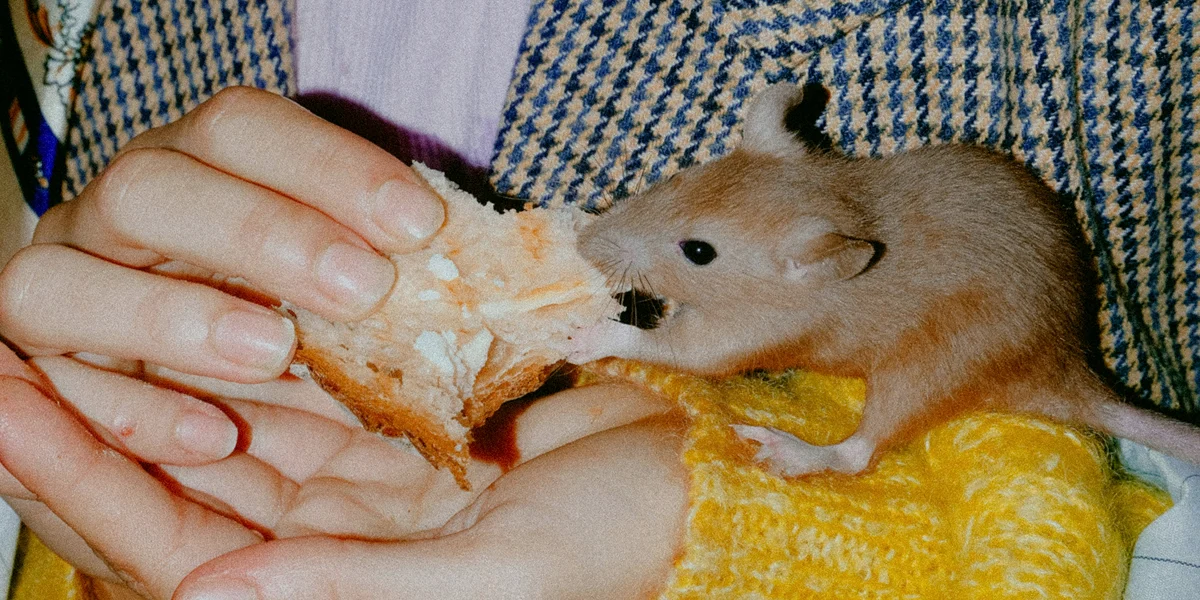
Beyond the arts, LGBTQ+ public figures are increasingly using their platforms for practical advocacy, specifically in the realm of animal welfare and social responsibility. A recent example involves Meg Salter, a notable figure in the queer community, who utilized her digital reach to facilitate the fostering of rescue animals.
The "influencer-to-advocacy" pipeline is a documented sociological trend. According to a report by the ASPCA, social media mentions by high-reach individuals can increase the visibility of specific shelter animals by over 300%. When figures like Salter share fostering journeys, they demystify the process for their followers, leading to a measurable uptick in volunteer applications at local shelters. This form of "micro-activism" highlights how the parasocial relationships between celebrities and their followers can be leveraged for tangible social good, moving beyond mere self-promotion into the territory of community service.
The Nuanced Intersection of LGBTQ Identity and Firearm Culture
The appearance of LGBTQ+ public figures in spaces traditionally associated with conservative demographics, such as gun ranges, has sparked nuanced discussions within the community regarding safety and self-defense. While firearm ownership is often polarized along political lines, there is a growing, documented trend of LGBTQ+ individuals seeking firearm training.
Organizations such as the "Pink Pistols," which operates under the motto "Armed gays don’t get bashed," have seen fluctuating membership numbers that often correlate with spikes in anti-LGBTQ+ rhetoric or hate crimes. Journalistic analysis suggests that when queer celebrities post images from gun ranges, it often elicits a complex reaction from their audience—ranging from shock to support. This reflects a broader internal debate within the community about the Second Amendment and the pragmatism of self-protection in an increasingly volatile social climate. The factual reality is that LGBTQ+ firearm ownership is a statistical outlier that is slowly moving toward the mainstream, driven by concerns over personal safety and a desire to reclaim spaces previously viewed as hostile.
Regional Identity and Artistic Branding: St. Vincent and the Texas Aesthetic
Annie Clark, known by her stage name St. Vincent, continues to be a primary example of how regional identity informs high-concept artistic branding. Clark, who was raised in Texas, frequently integrates elements of Southwestern aesthetics into her visual and musical output. Her recent public appearances and social media updates emphasize this "Texas style," which serves as a counter-narrative to the stereotypical view of the state.
Clark’s career trajectory—from a member of the Polyphonic Spree to a Grammy-winning solo artist—has been marked by a constant evolution of persona. In the context of 2024, her aesthetic choices reflect a broader trend of "regionalism" in music, where artists reclaim their hometown identities to add a layer of authenticity to their global brands. Economically, St. Vincent remains a powerhouse in the indie-rock sector; her tours consistently sell out mid-to-large-scale venues, and her collaboration with guitar manufacturer Ernie Ball Music Man has resulted in one of the most successful signature guitar lines for a female artist in history.
Broader Implications of Queer Celebrity Digital Engagement
The integration of professional achievements, political endorsements, and personal lifestyle choices on social media represents a shift in how celebrity is constructed and maintained. For LGBTQ+ figures, these platforms are not merely promotional tools but essential spaces for identity performance and community building.
The economic implications are significant. The "queer dollar" or "pink money" refers to the purchasing power of the LGBTQ+ community, which is estimated to be over $3.7 trillion globally. When celebrities like Megan Stalter or Cynthia Nixon engage with their audiences, they are tapping into a highly loyal and economically active demographic. This loyalty is built on the perception of authenticity—a quality that is cultivated through the "No Filter" style of social media engagement.
Furthermore, the chronology of these events—from digital sketches to Broadway, or from subcultural ballroom roots to the Perelman Performing Arts Center—indicates an upward trajectory for queer representation in mainstream American culture. While challenges remain, the data suggests that the visibility provided by digital platforms is a primary catalyst for institutional change in the entertainment industry and beyond.
Conclusion and Future Outlook
As the boundaries between digital content and traditional media continue to blur, the role of the LGBTQ+ celebrity will likely become even more multifaceted. The ability to pivot from a comedic prank call to a Broadway stage, or from a fashion shoot to an animal rescue mission, defines the modern multi-hyphenate.
The professionalization of social media has allowed these figures to maintain control over their narratives in a way that was impossible during the tabloid era of the early 2000s. Moving forward, the industry can expect to see more "digital-first" talent taking center stage in theater, film, and advocacy, supported by a robust framework of online engagement that prioritizes direct communication with the audience. The success of Megan Stalter’s Broadway debut and the cultural resonance of Cats: The Jellicle Ball serve as definitive markers of this new era in the global media landscape.