The Serankwa community, nestled in the remote Aracataca region within Colombia’s sacred Sierra Nevada de Santa Marta, has been plunged into a crisis of escalating violence since March 6, 2026. This surge in conflict stems from brutal clashes between outlaw armed groups vying for control of ancestral Indigenous territories. The devastating impact on the Arhuaco people has been immediate and severe, with 13 individuals sustaining injuries, two of whom are in critical condition. Beyond the physical harm, the armed groups have launched direct attacks on the community, including the burning of homes and vital livestock pens, and the deliberate killing of animals, decimating livelihoods and essential resources. The ongoing fighting has also created a dangerous blockade, severing access to the communities and critically impeding the ability of residents to receive timely and essential medical attention, exacerbating an already dire humanitarian situation.
Escalating Violence and Humanitarian Crisis
The violence that has engulfed the Serankwa community is not an isolated incident but rather a stark manifestation of a protracted struggle for territorial dominance by illicit armed groups operating with impunity in the region. These groups, often engaged in drug trafficking, illegal mining, and extortion, view the strategically important and resource-rich Sierra Nevada de Santa Marta as a lucrative operational base. The Arhuaco people, who have inhabited these lands for millennia and hold deep spiritual and ecological connections to the environment, find themselves caught in the crossfire of these violent power struggles.
The attacks, characterized by their brutality and disregard for civilian life, have instilled widespread fear and desperation. The destruction of homes and livestock represents a direct assault on the community’s ability to sustain itself, pushing families to the brink of destitution. The blocking of access routes is a deliberate tactic that further isolates the vulnerable population, cutting them off from critical medical aid and humanitarian assistance. This deliberate obstruction of access has grave implications for emergency response and the overall well-being of the Arhuaco people, potentially leading to preventable deaths and further suffering.
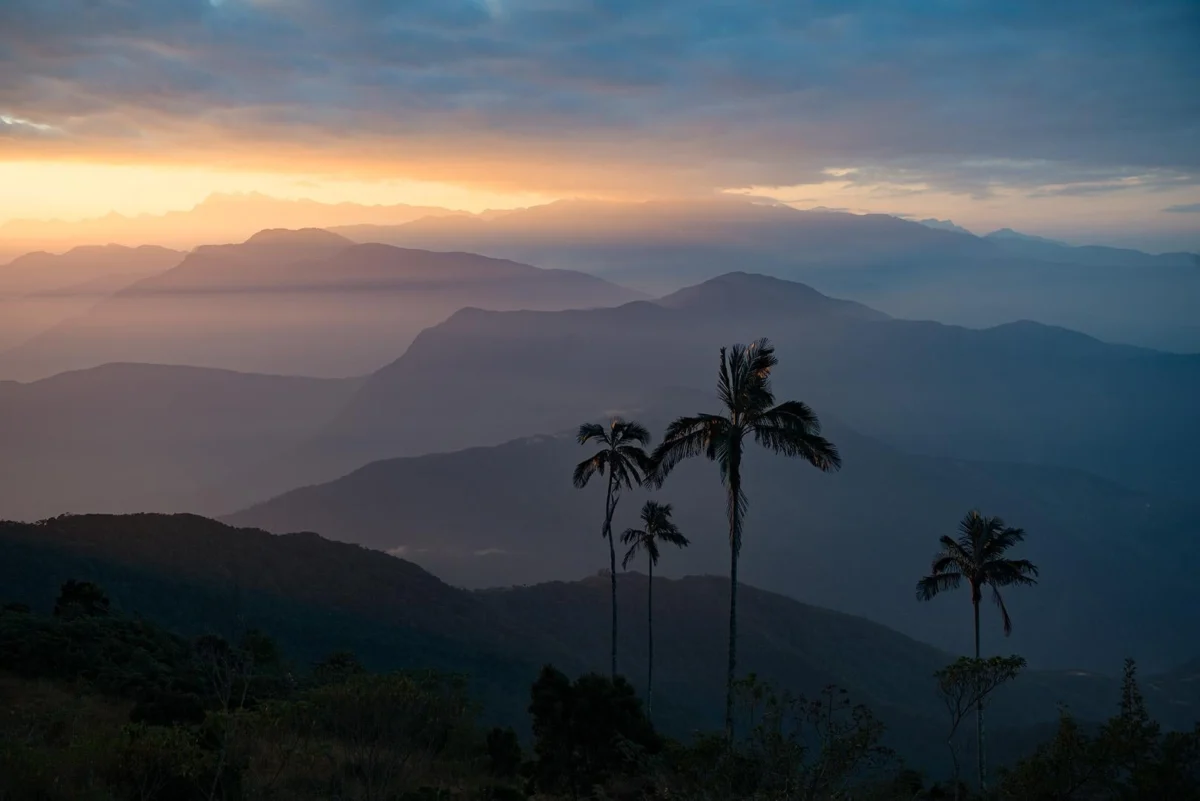
Cultural Survival, a prominent international advocacy organization for Indigenous rights, has issued a strong condemnation of the violence. In a public statement, the organization underscored the grave risk of forced displacement faced by the Arhuaco communities. This threat extends beyond the immediate physical danger, impacting the very core of their cultural identity, spiritual practices, and the delicate ecological balance of the Sierra Nevada de Santa Marta. The Arhuaco cosmovision regards this region as the "Heart of the World," a sacred site integral to the planet’s well-being. The continued desecration of this sacred space by armed conflict threatens not only the Arhuaco people but also the broader ecological health of this vital region.
Demands for State Intervention and Accountability
In response to the escalating crisis, Cultural Survival has issued a fervent call to action for Colombian authorities. The organization urges for immediate and decisive intervention in instances where criminal groups engage in violent clashes on ancestral Indigenous territories. The primary objective of this intervention must be the unequivocal protection of the Indigenous inhabitants and the provision of urgent medical assistance to those injured. Furthermore, Cultural Survival emphasizes the critical need for the Colombian State to heed the communities’ long-standing demands. These include the establishment of robust contingency plans to address such emergencies, the delivery of comprehensive humanitarian aid to alleviate suffering, and the sustained presence of effective institutional mechanisms to prevent the recurrence of such violent acts.
The presence of illegal armed groups on Indigenous territory is a flagrant violation of fundamental rights guaranteed by international legal frameworks. The United Nations Declaration on the Rights of Indigenous Peoples (UNDRIP), to which Colombia is a signatory, explicitly upholds the rights of Indigenous peoples to their lands, territories, and resources, and to live in freedom, peace, and security. The ongoing violence undermines these internationally recognized rights and poses a significant threat to the cultural harmony and self-determination of the Arhuaco communities. The responsibility of the State, as stipulated by international law and domestic obligations, is to ensure the safety and sanctity of life for all individuals residing on ancestral Indigenous territories and to uphold the right of these communities to govern their own affairs.
Background and Chronology of the Conflict
The Sierra Nevada de Santa Marta has long been a region of strategic importance and a site of historical conflict. Its unique biodiversity, rich natural resources, and its sacred status for Indigenous peoples have made it a focal point for various competing interests. Indigenous communities, including the Arhuaco, Kogi, Wiwa, and Kankuamo, have continuously strived to protect their ancestral lands from external encroachment and exploitation.
While the most recent surge in violence began on March 6, 2026, the underlying issues are deeply rooted. The presence of illegal armed groups in this region has been a persistent concern for years, fueled by the profitability of illicit activities. These groups, often fragmented and highly territorial, have historically clashed with each other and engaged in acts of violence and intimidation against civilian populations, including Indigenous communities, to assert their control.
A potential chronology of events, based on the provided information and general knowledge of such conflicts, could include:
- Pre-March 2026: Persistent presence of outlaw groups in the broader Sierra Nevada region, sporadic incidents of violence, and ongoing concerns regarding territorial control and illicit activities. Indigenous communities likely voiced these concerns to authorities, seeking protection.
- March 6, 2026: The intensification of clashes between outlaw groups specifically targeting the Serankwa community and surrounding areas within the Aracataca jurisdiction. This marks the beginning of the most severe phase of attacks.
- March 6-Present: Reports of injuries, including severe cases, among the Serankwa community. Direct attacks on homes, livestock pens, and animals are documented. Access routes to the communities are blocked, hindering medical and humanitarian aid.
- Post-March 6, 2026 (Specific Date Unknown): Public condemnation by Cultural Survival, highlighting the humanitarian crisis and calling for state intervention. The organization likely received reports from community leaders and Indigenous rights defenders.
- Ongoing: The humanitarian situation remains critical. Communities are living in fear, facing displacement, and struggling to access essential resources. The demands for state protection and aid continue to be voiced.
It is crucial to note that without more specific dates for all reported events, this chronology is an inferred reconstruction. The actual timeline of specific attacks and responses would require further detailed reporting from the affected region.
Supporting Data and Implications
The violence in the Serankwa community has far-reaching implications that extend beyond the immediate suffering of the Arhuaco people. The region is a critical biodiversity hotspot, home to numerous endemic species and vital ecosystems that play a crucial role in regulating regional climate and water cycles. The destabilization of these territories by armed conflict can lead to environmental degradation, deforestation, and the disruption of natural habitats. This ecological damage, in turn, can have long-term consequences for water security, agricultural productivity, and the overall health of the Colombian Amazon.
Furthermore, the attacks on Indigenous communities and their territories represent a direct assault on cultural diversity and heritage. The Arhuaco people possess a unique knowledge system and a profound connection to their land, which are integral to their identity and survival. The disruption of their way of life, the displacement from their ancestral lands, and the destruction of their cultural practices lead to an irretrievable loss of cultural heritage, not just for Colombia but for the global community.
The economic implications are also significant. The Sierra Nevada de Santa Marta region has the potential for sustainable tourism and agricultural development that respects Indigenous rights and environmental conservation. However, the persistent presence of armed groups and the resulting insecurity deter investment and hinder the development of legitimate economic opportunities. This creates a cycle of poverty and dependence, which can further exacerbate social instability.
While specific data on the economic impact of these particular attacks is not yet available, historical precedents in conflict zones suggest significant losses. For instance, studies on conflicts in other parts of Colombia have shown substantial economic disruption due to insecurity, including decreased agricultural output, damaged infrastructure, and loss of tourism revenue. The burning of livestock and the destruction of homes represent immediate economic losses for the affected families, potentially pushing them into deeper poverty and increasing their vulnerability to further exploitation.
Broader Impact and International Scrutiny
The situation in the Serankwa community underscores a broader challenge facing Indigenous peoples in Colombia and across Latin America: the struggle to protect their ancestral territories from illegal armed groups and extractive industries. The international community, through organizations like Cultural Survival and the United Nations, has a vital role to play in monitoring these situations, advocating for Indigenous rights, and pressuring governments to uphold their responsibilities.
The fact that these attacks are occurring on ancestral Indigenous territory, a place considered sacred and ecologically vital, brings the situation under intense scrutiny. The "Heart of the World" moniker highlights the deep spiritual and ecological significance attributed to the Sierra Nevada de Santa Marta, making any threat to its integrity a matter of global concern. The continued violence and the potential for forced displacement risk drawing further international condemnation and calls for accountability.
The responsibility of the State to protect its citizens, particularly its most vulnerable populations, is paramount. The failure to effectively intervene in these situations not only violates the rights of Indigenous peoples but also undermines the rule of law and the legitimacy of the government. The demand for an "effective institutional presence" points to a perceived lack of consistent and robust state protection, which can embolden armed groups and perpetuate cycles of violence.
Official Responses and Future Outlook
As of the latest reports, the Colombian authorities have not issued a specific public statement detailing their immediate response to the March 6, 2026, attacks on the Serankwa community. However, the call from Cultural Survival implies that communities are seeking a more substantial and sustained engagement from the government than has been provided thus far. Historically, Colombian authorities have faced challenges in effectively policing remote and geographically complex areas like the Sierra Nevada de Santa Marta, often due to limited resources, logistical difficulties, and the deeply entrenched nature of illicit armed groups.
The long-term outlook for the Serankwa community and the broader Arhuaco people hinges on a decisive and multifaceted response from the Colombian State. This response must go beyond temporary security measures and address the root causes of the conflict, including poverty, lack of economic opportunities, and the demand for illicit goods that fuel these armed groups. It requires a commitment to upholding Indigenous rights, respecting their self-determination, and ensuring their meaningful participation in decisions that affect their territories and lives.
The international community will likely continue to monitor the situation closely. Sustained advocacy by human rights organizations, coupled with potential pressure from international bodies, could play a crucial role in prompting a more robust response from the Colombian government. The protection of the Sierra Nevada de Santa Marta, its biodiversity, and its Indigenous inhabitants is not only a matter of national importance but a global imperative. The future of this sacred region and the well-being of its people depend on the immediate and sustained commitment of all stakeholders to peace, justice, and respect for human rights.