On March 11, 2026, a significant interdenominational coalition of over 1,100 U.S. Jewish clergy released a powerful statement of solidarity with refugees, asylum seekers, and immigrants. The unified declaration, spanning Orthodox, Conservative, Reform, and Reconstructionist movements, underscores a deep-seated commitment to the inherent dignity, humanity, and rights of all individuals seeking safety and a new life within the United States. This collective action highlights the profound influence of historical memory and religious tenets on the contemporary Jewish community’s stance on immigration and refugee policy.
A Moral Imperative Rooted in History and Text
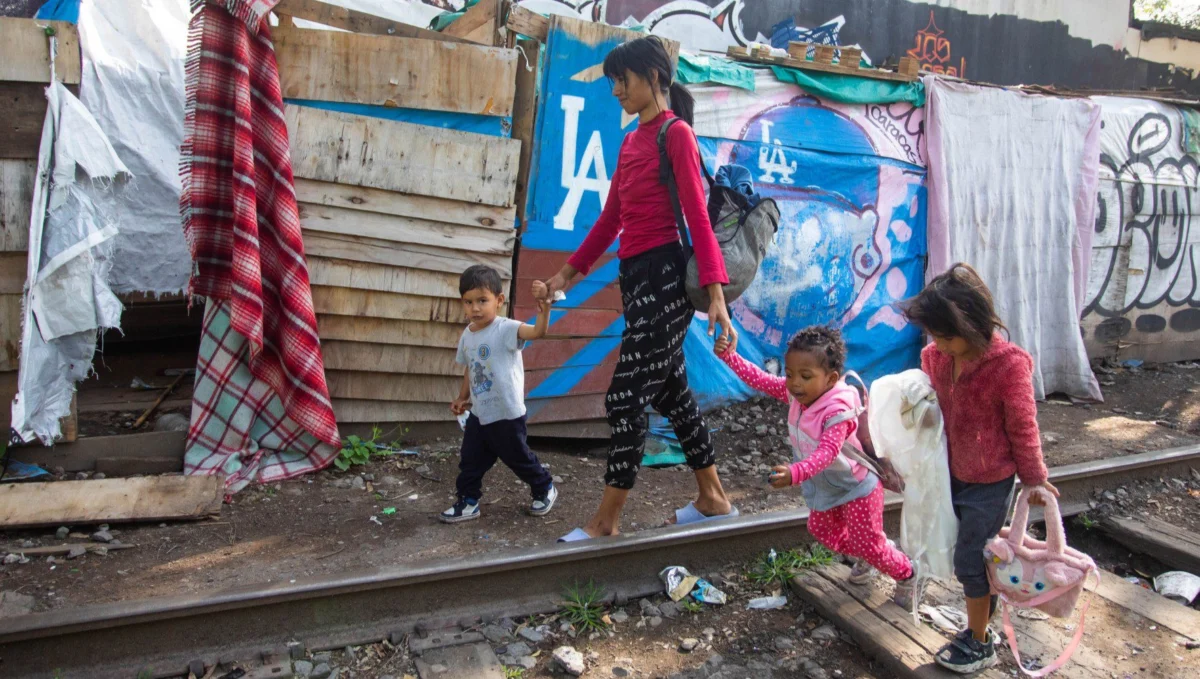
The clergy’s statement is deeply informed by the Jewish people’s own history of migration and displacement. The collective memory of fleeing persecution, seeking refuge, and needing a sanctuary resonates powerfully with the current global refugee crisis. This lived experience, meticulously preserved in Jewish texts and traditions, serves as a guiding principle. Central to Jewish ethics are commandments such as "You shall not wrong or oppress the stranger, for you were strangers in the land of Egypt" (Exodus 22:20), "You shall love one another as yourself" (Leviticus 19:34), and "There shall be one law for you and for the resident stranger" (Numbers 15:15). These ancient directives, the clergy emphasize, are not mere suggestions but foundational pillars of Jewish identity and responsibility.
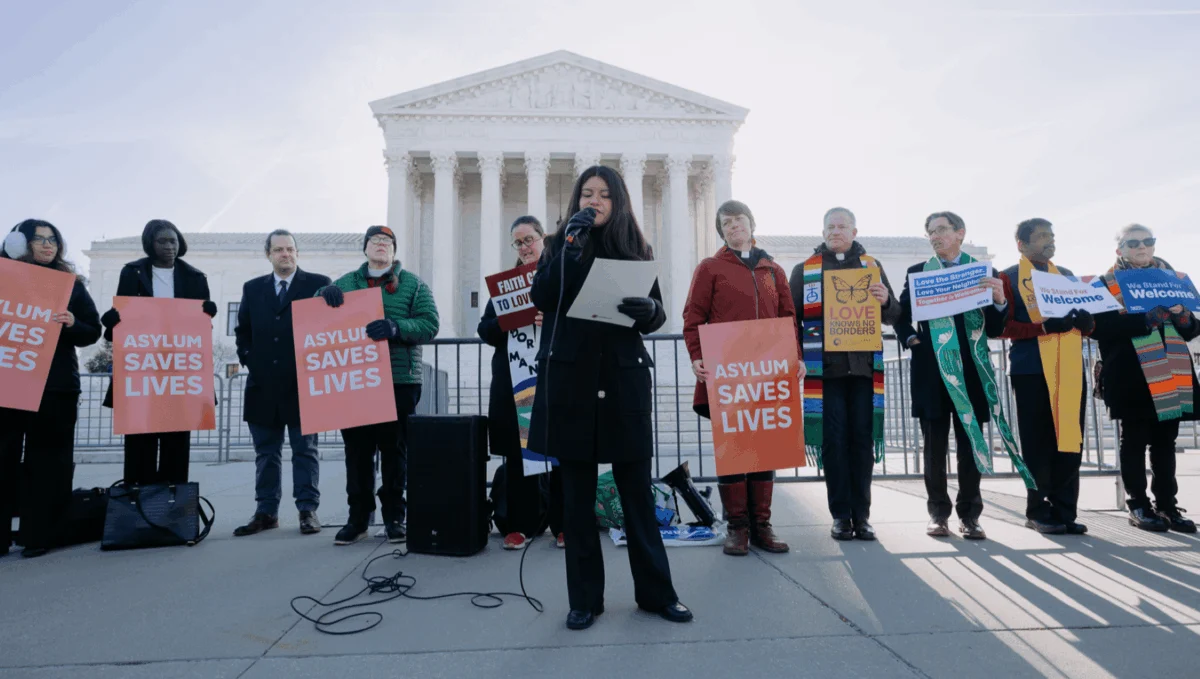
The statement explicitly calls for the Jewish community to leverage its collective voice and values as both Jews and Americans to bring compassion and humanity to a world grappling with significant humanitarian challenges. The clergy are urging their congregants and the broader public to join them in advocating for policies that protect and support vulnerable populations, recognizing that this is a moral imperative shaped by centuries of historical experience and religious teaching.
Background and Context: A Growing Movement
This broad-based clergy initiative follows a trend of increasing engagement by faith-based organizations in advocacy for immigrant and refugee rights. In recent years, various religious communities have spoken out against restrictive immigration policies and have actively provided support services to asylum seekers and refugees. The Jewish community, with its profound historical connection to the concept of being "strangers in a strange land," has been particularly vocal.
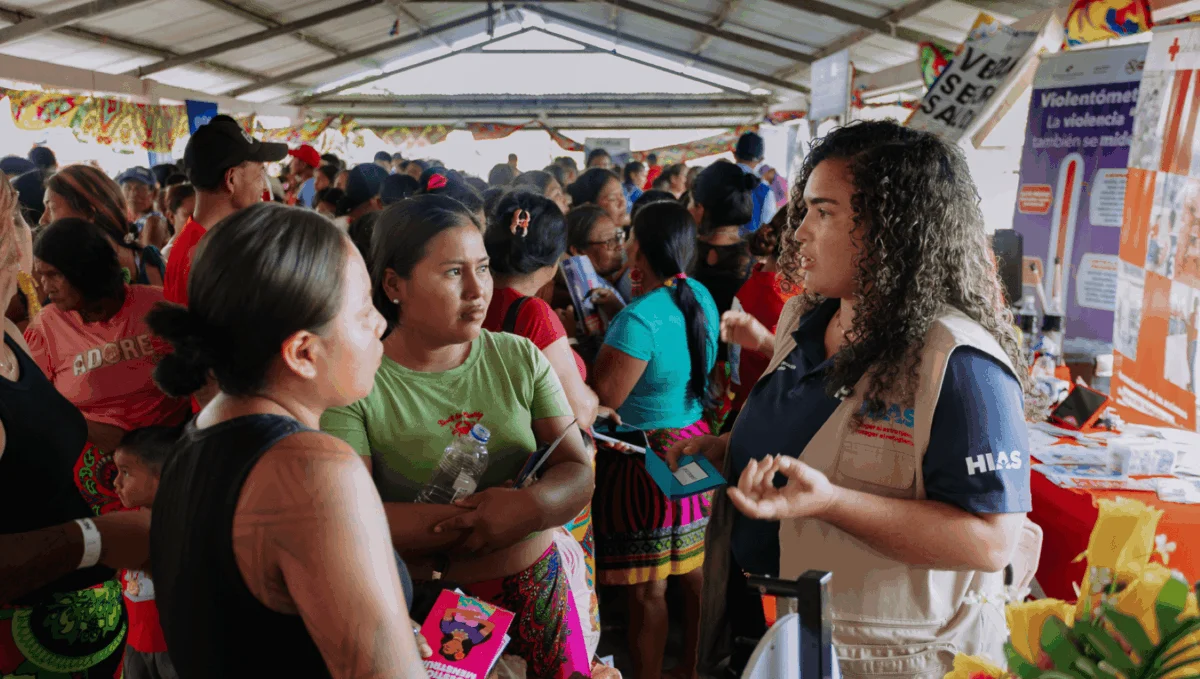
Organizations such as HIAS (formerly the Hebrew Immigrant Aid Society), a prominent Jewish non-profit that has been aiding refugees for over a century, have been instrumental in mobilizing this clergy support. HIAS has a long history of working with governments and international bodies to protect refugees and advocate for their rights, and this statement represents a significant amplification of their efforts. The timing of this declaration, amidst ongoing debates about immigration policy and border security in the United States, underscores its urgency and potential impact.
Chronology of Support
While the formal statement was released on March 11, 2026, the sentiment it represents has been building for years. Jewish clergy and communities have consistently advocated for humane immigration policies, participating in rallies, writing to elected officials, and offering sanctuary and support to those in need. This widespread endorsement signifies a maturation and broadening of this advocacy, moving from individual and congregational efforts to a unified denominational front. The video accompanying the statement, featuring various clergy members speaking directly to the camera, serves as a powerful visual testament to this solidarity and aims to mobilize further action.
Supporting Data and the Global Landscape
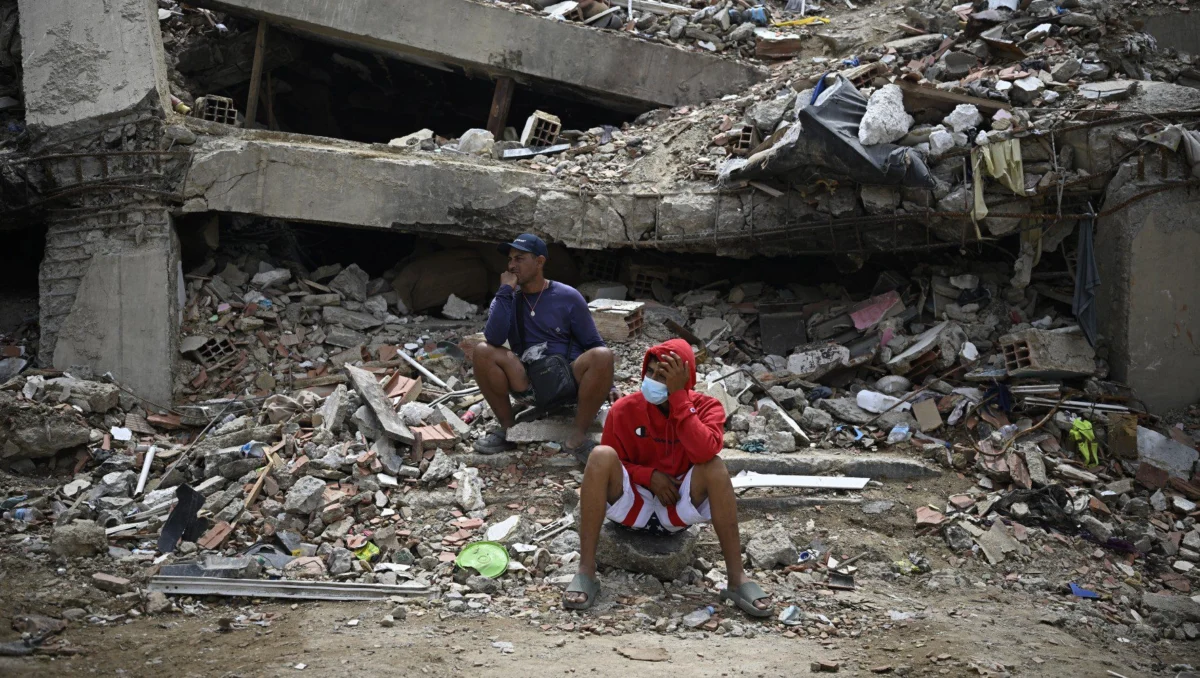
The call for support comes at a time when global displacement is at an unprecedented level. According to the United Nations High Commissioner for Refugees (UNHCR), by the end of 2025, over 100 million people worldwide were forcibly displaced due to conflict, violence, persecution, and human rights violations. This figure represents a stark reality that necessitates robust humanitarian responses.
In the United States, the debate over immigration policy has been particularly contentious. Data from the U.S. Citizenship and Immigration Services (USCIS) indicates fluctuating numbers of asylum applications, with significant backlogs and challenges in processing. Advocates argue that restrictive policies not only impede humanitarian aid but also undermine American values and economic potential. The Jewish clergy’s statement directly addresses these concerns, framing the issue not as a political debate but as a moral and ethical obligation rooted in deeply held beliefs.
Statements and Reactions
The statement itself is a collection of voices, each contributing to a unified message. Rabbi Yitzhak Husbands-Hankin, a signatory from Eugene, Oregon, stated, "Our tradition compels us to act. To ignore the plight of those fleeing danger and seeking safety is to betray the very core of our heritage." Another signatory, Rabbi Sarah Bassin from Washington, D.C., commented, "As Jews, we know what it means to be vulnerable, to be searching for a safe harbor. This is not just an abstract issue; it is a deeply personal one for so many of us."
While specific reactions from government officials were not immediately available at the time of the statement’s release, such a broad and influential coalition is likely to draw attention from policymakers. Immigration advocacy groups have widely praised the clergy’s unified stance, recognizing its potential to influence public opinion and legislative action. Representatives from organizations such as the American Immigration Lawyers Association (AILA) have expressed gratitude for the religious community’s support, highlighting the critical role faith leaders play in advocating for vulnerable populations.
Broader Impact and Implications
The unified statement from over 1,100 U.S. Jewish clergy carries significant implications. Firstly, it demonstrates the power of religious conviction to shape public discourse on critical social issues. By grounding their advocacy in core religious texts and historical memory, the clergy are appealing to a sense of shared humanity and moral responsibility.
Secondly, this broad coalition challenges the perception of divisions within the Jewish community on immigration issues. The inclusion of clergy from across the denominational spectrum signifies a remarkable consensus on this matter, underscoring that humanitarian concerns transcend denominational affiliations.
Thirdly, the initiative serves as a model for other religious and civic groups to mobilize in support of refugees and asylum seekers. By providing a comprehensive list of participating clergy and encouraging further engagement, the statement aims to foster a sustained movement for change. The call to action, urging individuals to share the video and engage in advocacy, suggests a long-term commitment to addressing the complex challenges faced by immigrants and refugees.
The implications of this collective action extend beyond policy debates. It reinforces the idea that welcoming and protecting those in need is not only a matter of law but also a fundamental expression of ethical and spiritual values. As the United States continues to grapple with immigration, the voices of religious leaders like these will undoubtedly play a crucial role in shaping a more compassionate and just approach. The statement concludes with an invitation for all U.S. Jewish clergy to add their names, signaling a commitment to ongoing engagement and a continuous effort to embody the ethical imperatives that guide their faith.