Panama, a land bridge connecting continents for millennia, continues to play a pivotal role in the complex tapestry of migration in the Americas. While historically a transit point for individuals moving north, the nation now grapples with evolving migration flows, a surge in reverse migration, and the persistent, often dire, humanitarian needs of displaced populations. This shift, coupled with significant cuts to international humanitarian aid, presents a critical challenge for organizations like HIAS (formerly the Hebrew Immigrant Aid Society), which has been a steadfast provider of support in the region since 2010.
The Evolving Dynamics of Migration in Panama
In 2025, Panama found itself host to a staggering number of displaced individuals, exceeding 155,000. This figure encompasses over 5,000 recognized refugees and more than 36,500 asylum seekers. The primary origins of these vulnerable populations are diverse, with a significant majority hailing from Venezuela, while substantial numbers also originate from across Central America. For years, the perilous journey through the Darién Gap, a dense and unforgiving jungle straddling the border between Colombia and Panama, was the primary route for hundreds of thousands seeking refuge or opportunity in North America. In 2023 alone, an estimated 500,000 individuals braved this treacherous path, facing threats from harsh natural conditions, disease, and violent criminal organizations.
However, recent shifts in U.S. asylum and immigration policies have catalyzed a significant reversal in these established migration patterns. This "reverse migration" trend, where individuals are increasingly traveling southward, presents a new set of challenges. HIAS, recognized as one of the few organizations continuing to offer vital services to those in transit, is at the forefront of responding to this evolving humanitarian crisis. This northward exodus, once a defining feature of regional migration, has been partially supplanted by a southward movement, demanding adaptive strategies and sustained commitment from aid organizations.
The Perilous Journey South and Diminishing Support
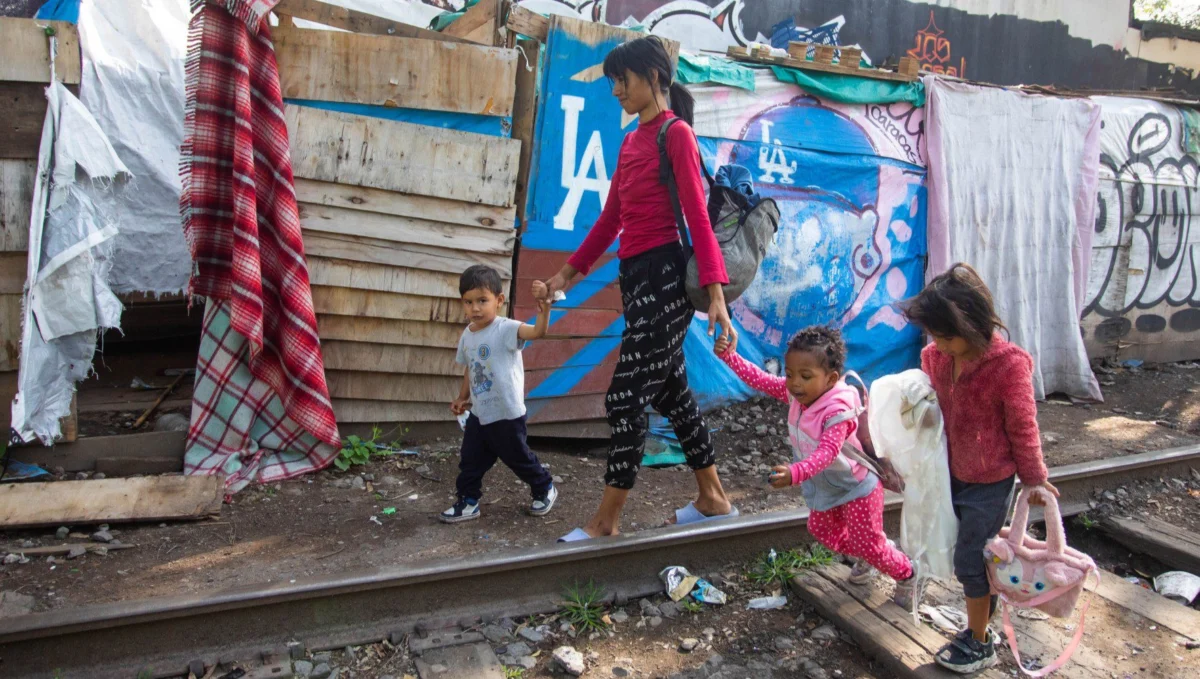
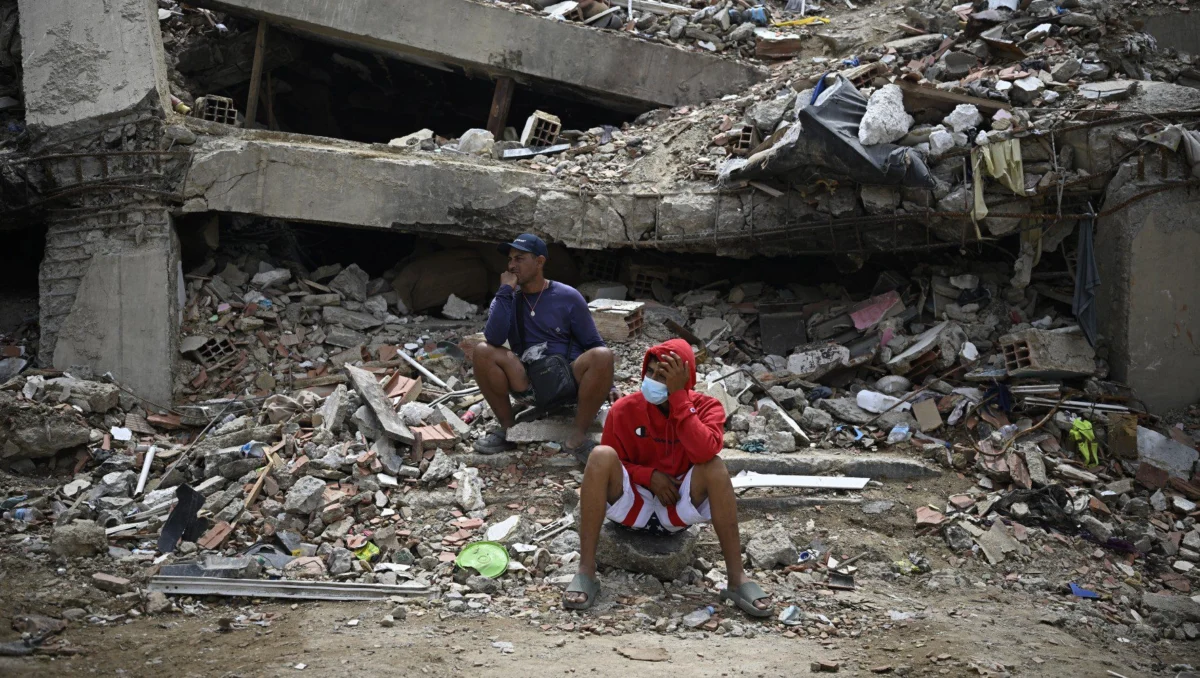
The dangers inherent in migration do not diminish with a change in direction. Those traveling south still face immense risks. Criminal groups often demand exorbitant sums for safe passage, and the journey is fraught with severe hardships. Reports highlight inadequate shelter, critical shortages of potable water, limited access to basic services, pervasive food insecurity, and a profound lack of financial resources for individuals seeking to return to their home countries or establish new lives. Many who complete these arduous journeys arrive traumatized, bearing the physical and psychological scars of their experiences.
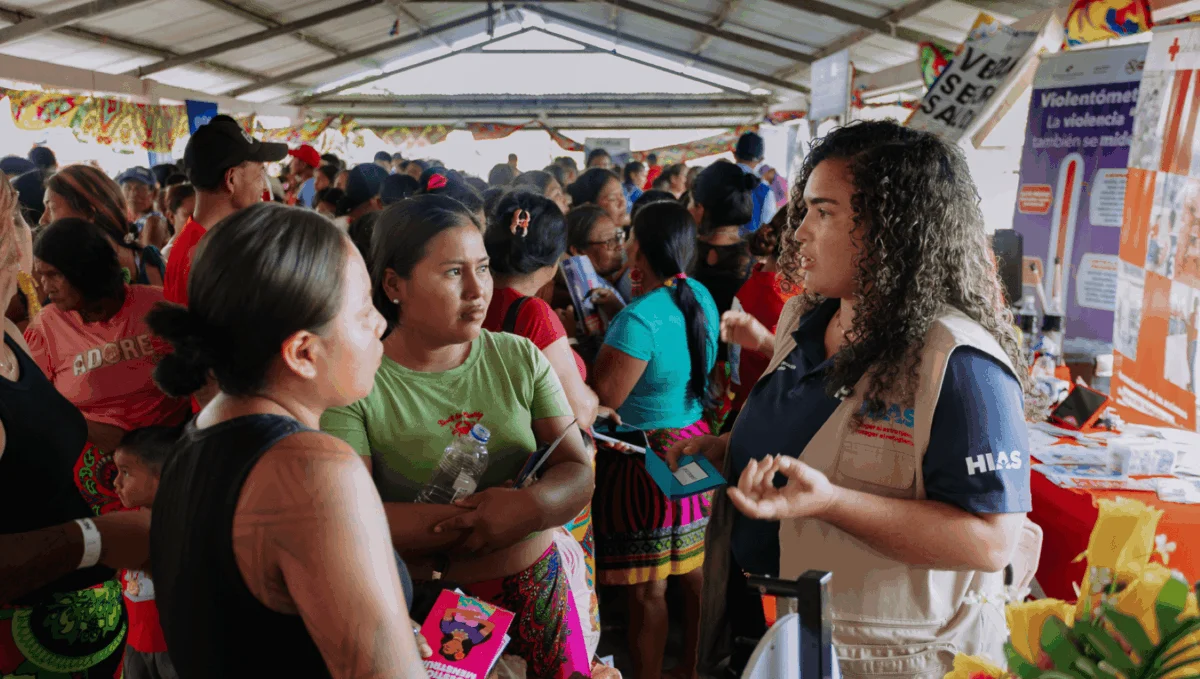
Compounding these challenges is a significant reduction in humanitarian assistance. Many international aid organizations, once present along these routes, have been compelled to withdraw due to substantial cuts in funding from key governmental sources. These financial constraints have created critical gaps in essential services, leaving an increasing number of displaced persons without the support they desperately need. HIAS itself has not been immune to these funding reductions, yet the organization remains committed to its mission in Panama. Despite these obstacles, HIAS Panama maintains a vital presence at key transit points, offering crucial protection services, mental health care, and emergency financial aid for food, shelter, and medical needs. This steadfast dedication underscores the critical role of sustained, albeit challenged, humanitarian intervention in a region experiencing profound demographic and policy shifts.
Rights, Realities, and the Path Forward
Panama’s legal framework offers protections to refugees and displaced individuals. The nation ratified the 1951 Refugee Convention and its 1967 Protocol in 1978, adopting a definition of refugee status consistent with international standards. Furthermore, Panama has extended protections to individuals fleeing sexual and domestic violence, as well as those persecuted for defying societal norms.
Despite these legal guarantees, the practical application of Panama’s asylum system presents significant hurdles. Administrative backlogs and lengthy application processes often result in considerable delays in obtaining refugee status and work permits. These delays can exacerbate vulnerability, particularly for dependent family members who may not receive identification documents promptly. While ongoing efforts aim to improve the recognition of documentation across various institutions and to provide support during waiting periods, some authorities still face challenges in fully acknowledging these vital documents.
HIAS, in collaboration with its partners, actively provides legal information and assistance to refugees and asylum seekers. The organization advocates for a more equitable and efficient asylum system, working to reduce backlogs and expand pathways to protection. This advocacy is crucial for ensuring that legal rights translate into tangible support and security for those seeking refuge.
HIAS’s Enduring Commitment in Panama
Since 2010, HIAS has been a cornerstone of support for refugees and displaced populations in Panama. Their comprehensive programs address critical needs through protection services, mental health care, and initiatives aimed at fostering economic empowerment. By helping refugees, asylum seekers, and migrants build dignified and self-reliant livelihoods, HIAS contributes to their integration and strengthens their resilience.
A key aspect of HIAS’s approach involves fostering collaboration with local communities and non-governmental organizations. This partnership model cultivates integration and establishes safe spaces where refugees and host community members can engage in joint projects and collectively address shared challenges. These community-driven initiatives are vital for building social cohesion and creating a more inclusive environment for all.
A Look Back: The Darién Gap in Focus
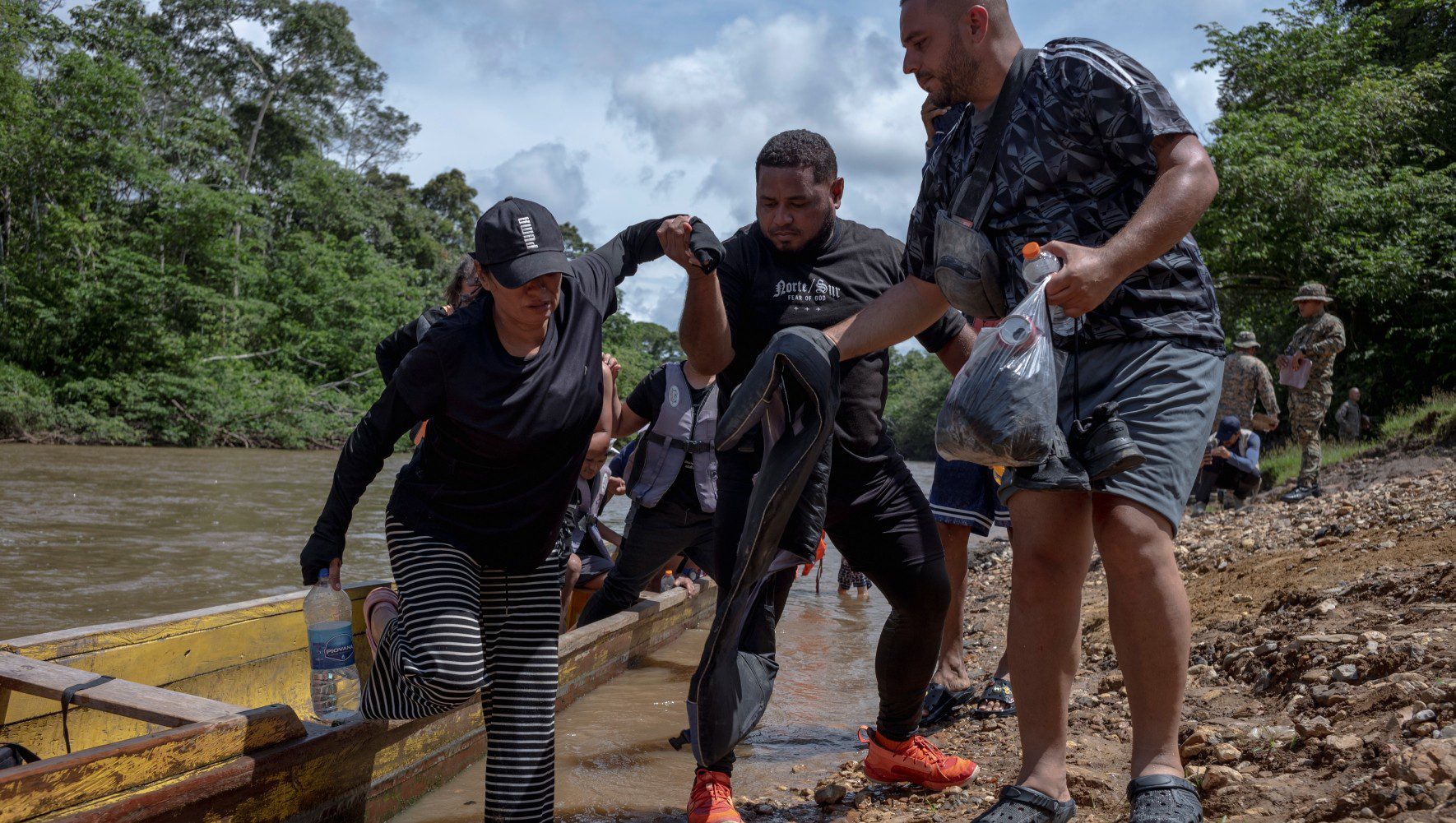
The Darién Gap has long been a symbol of the perilous journeys undertaken by migrants. Images from October 2024, captured by Nadege Mazars for HIAS, depict the stark reality of arrivals in Lajas Blancas, Panama. Boats, laden with displaced individuals, disembark after navigating the treacherous route. These scenes underscore the immediate and pressing need for humanitarian aid upon arrival, as individuals emerge from a journey marked by extreme hardship and uncertainty. The arrival point, near the indigenous village of Bajo Chiquito, highlights the complex interplay of geography, indigenous communities, and the international migration crisis.
Addressing the Funding Crisis and Maintaining Hope
The withdrawal of numerous aid organizations from the region due to funding cuts has created a vacuum of essential services. This reduction in support, particularly from major international donors, has a direct and devastating impact on vulnerable populations. Organizations like HIAS are forced to operate with significantly reduced resources, making it more challenging to meet the escalating needs.
The year 2025 has been marked by significant global shifts in humanitarian aid allocation, with a noticeable decrease in funding directed towards many long-standing refugee support programs. This trend, while not unique to Panama, presents a critical juncture for humanitarian actors. The effectiveness and reach of organizations are directly tied to the financial resources available. The implications of these cuts are far-reaching, potentially leading to a decline in essential services such as food distribution, medical care, and shelter provision. This creates a more precarious situation for individuals already displaced and vulnerable.
Despite these financial headwinds, HIAS’s commitment to providing life-saving humanitarian assistance remains unwavering. Their work in Panama exemplifies a dedication to upholding the dignity and safety of refugees and displaced persons, even in the face of immense systemic challenges. The organization’s continued presence and operations are a testament to the critical importance of sustained humanitarian efforts in regions grappling with protracted displacement and evolving migration dynamics.
The current situation in Panama is a microcosm of broader global trends in displacement and humanitarian response. As migration patterns continue to shift and funding landscapes evolve, the need for flexible, resilient, and well-supported humanitarian organizations becomes increasingly paramount. The stories emerging from Panama are not just about displacement; they are about resilience, the fundamental human desire for safety and opportunity, and the enduring importance of solidarity in the face of adversity.