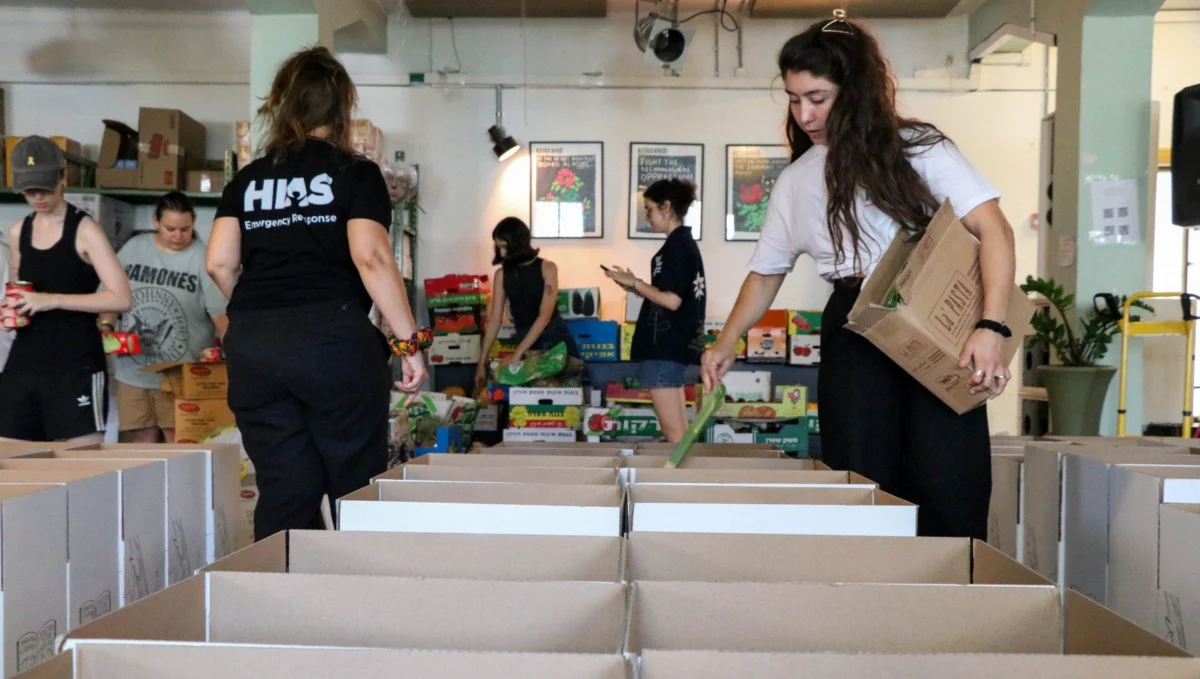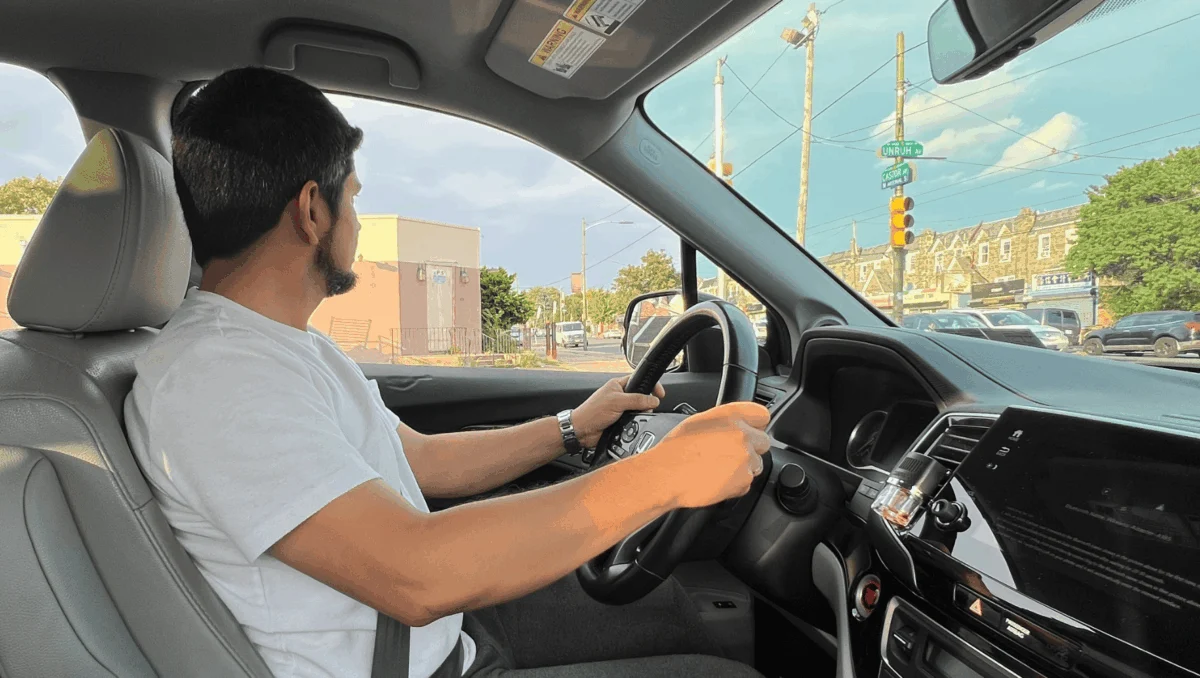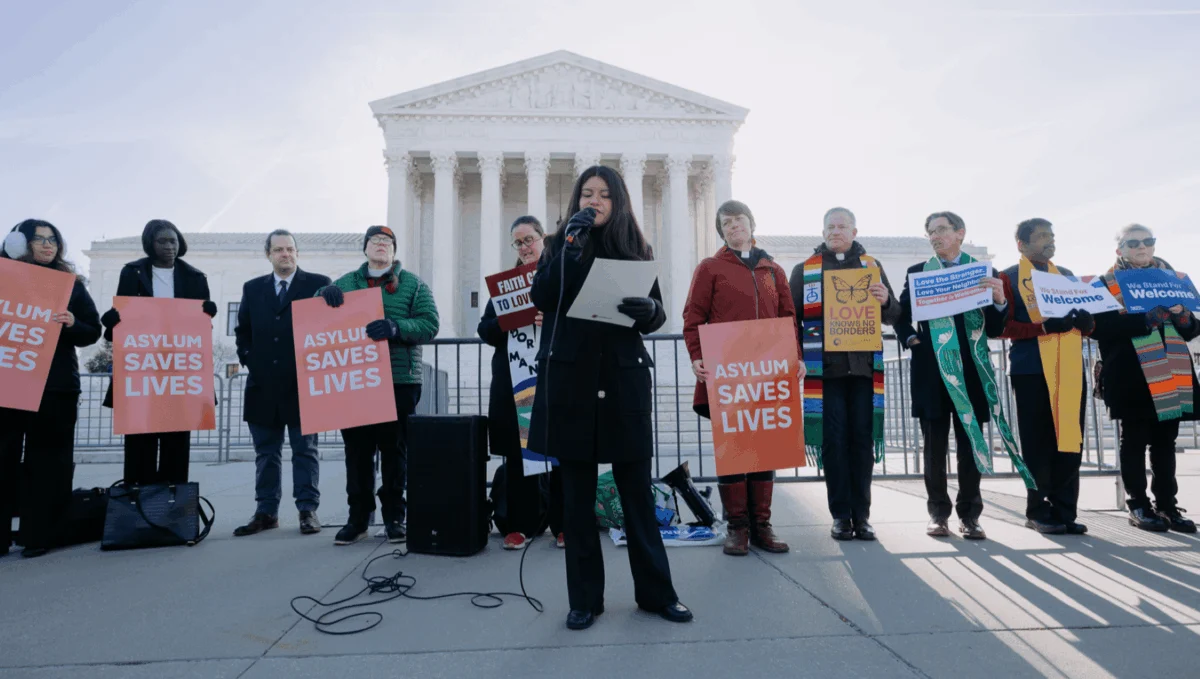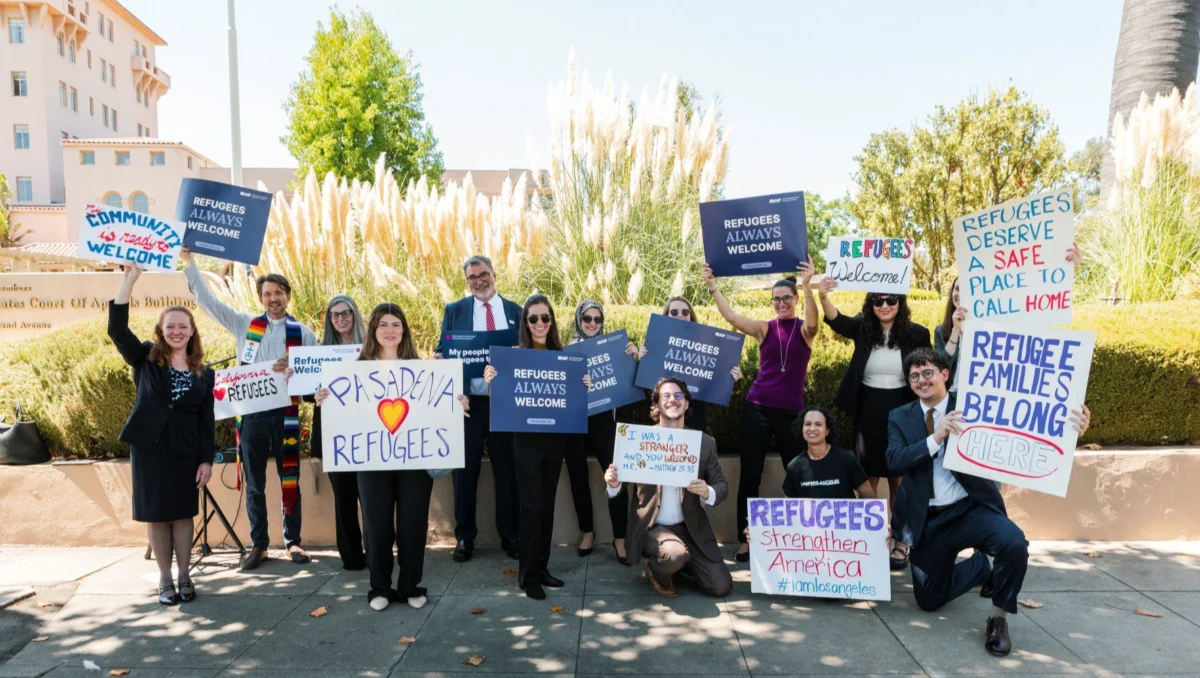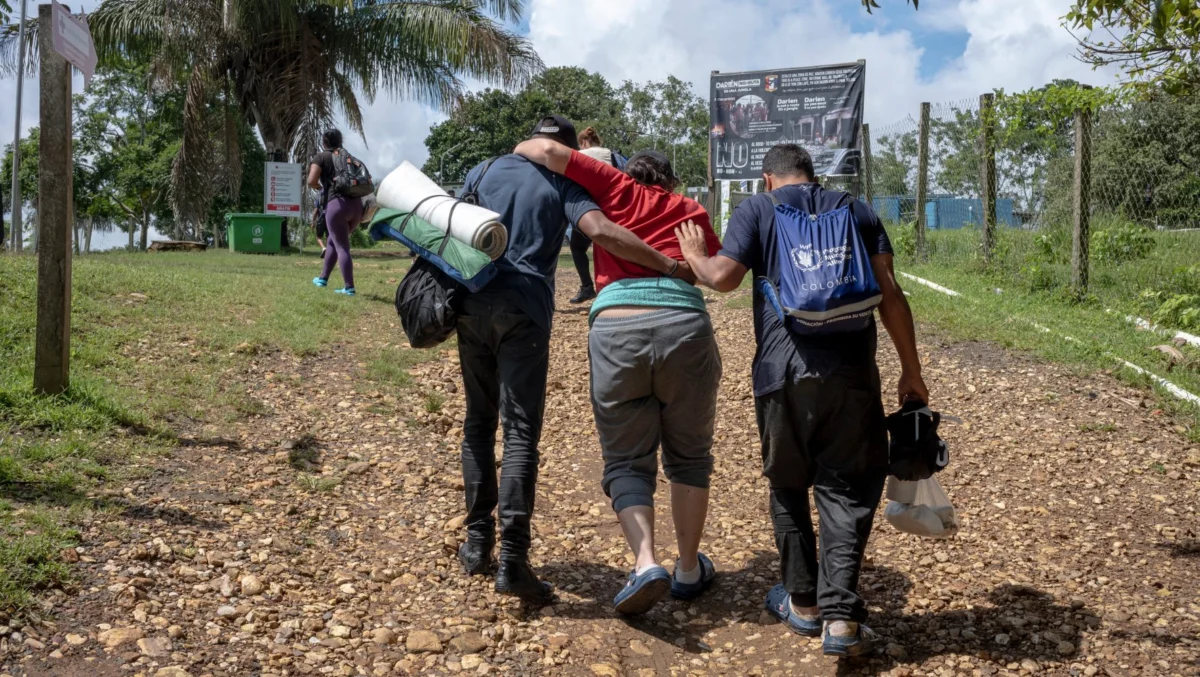
Seventy-five years ago, on July 28, 1951, the international community convened to establish a foundational agreement aimed at protecting individuals fleeing persecution and violence. The 1951 Refugee Convention, a landmark document born from the ashes of World War II, sought to ensure safe passage and fundamental rights for those displaced. However, as the world marks World Refugee Day in 2026, the principles enshrined in this convention are facing unprecedented pressure, with refugee rights under constant threat globally. This year’s commemoration is a critical moment for recommitment to supporting refugees, asylum seekers, and all individuals forced to leave their homes. HIAS, a leading humanitarian organization, is highlighting the stories of five individuals who, despite immense adversity, are demonstrating remarkable resilience and determination in rebuilding their lives. Their journeys—from escaping war-torn regions to building businesses and seeking education—underscore the urgent need for continued advocacy and support for displaced populations.
The Enduring Promise of the Refugee Convention and its Current Strain
The 1951 Refugee Convention, alongside its 1967 Protocol, defines who qualifies as a refugee and outlines the rights and responsibilities of states and refugees. It establishes the principle of non-refoulement, prohibiting the return of refugees to countries where they face serious threats to their life or freedom. For decades, this convention has served as the bedrock of international refugee protection.
However, in recent years, a confluence of factors has placed immense strain on this system. Rising global conflicts, climate-induced displacement, and increasingly restrictive asylum policies in many nations have led to a surge in the number of forcibly displaced people. The United Nations High Commissioner for Refugees (UNHCR) reported in mid-2025 that the number of people forcibly displaced worldwide had surpassed 110 million, a stark increase from previous years. This growing population faces significant challenges, including limited access to legal protection, essential services, and opportunities for integration or durable solutions.
Furthermore, a rising tide of nationalism and xenophobia in several countries has led to the erosion of refugee rights. Border closures, expedited and often unfair asylum procedures, and the politicization of migration have created an environment of increased vulnerability for those seeking safety. This year’s World Refugee Day serves as a poignant reminder that the ideals of the convention are far from universally upheld.
Fon: A Journey of Peril to Family Reunification
Fon’s odyssey to safety is a testament to the extreme lengths individuals will go to escape persecution. By the time he reached the United States in 2023, he had traversed thirteen countries, navigating treacherous terrains and perilous journeys, often relying on a wheelchair and crutches due to a disability. His path was marked by the trauma of what he endured, the grief of what he lost, and the persistent fear of further threats.
"The pain in my country was scarier than the Darién Gap," Fon recounted, referring to the notoriously dangerous stretch of jungle between Colombia and Panama. "On my way to the U.S. I was conscious I could die on the journey. I didn’t come to the U.S. looking for a new life. I came looking for safety."
Upon arriving in the U.S., Fon sought asylum and was granted protection in 2024. However, his journey to stability was far from over. His wife and children remained in Cameroon. His wife, an activist dedicated to advocating for the rights of people with disabilities, had become a target for her work and was forced into hiding. Recognizing the urgency, HIAS’s legal team in the United States initiated the complex process of petitioning for his wife and children to join him, a critical step towards family reunification.
Simultaneously, Fon was connected with HIAS’s social services team. The emotional and financial toll of his journey and the ongoing separation from his family were significant. HIAS provided comprehensive support, addressing his immediate needs, rectifying his documentation, securing a state-issued identification card, facilitating his enrollment in health insurance, and assisting with the repair of his wheelchair. Crucially, the team also offered vital emotional support, equipping Fon with coping mechanisms to manage fear, anxiety, and distress.
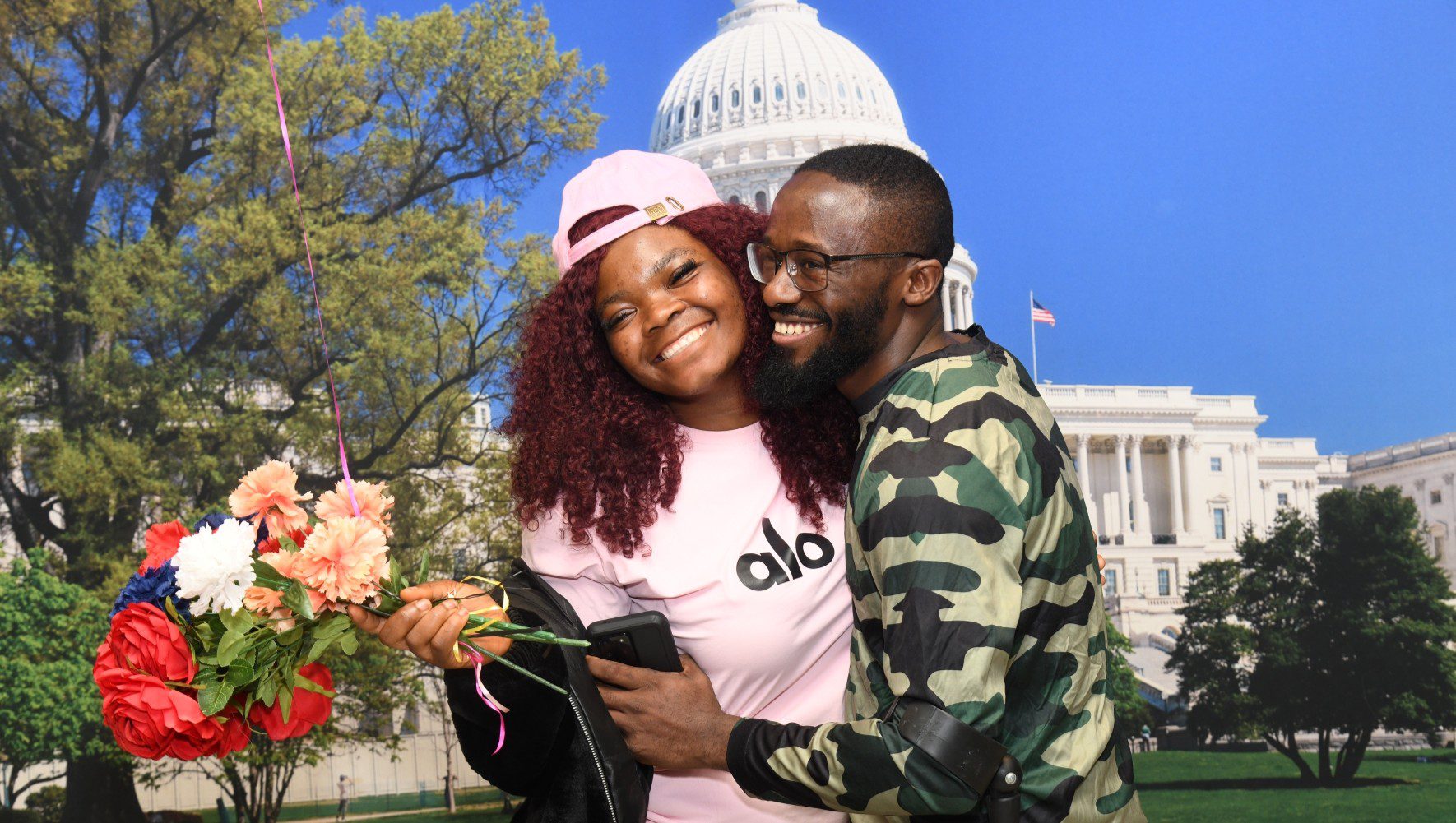
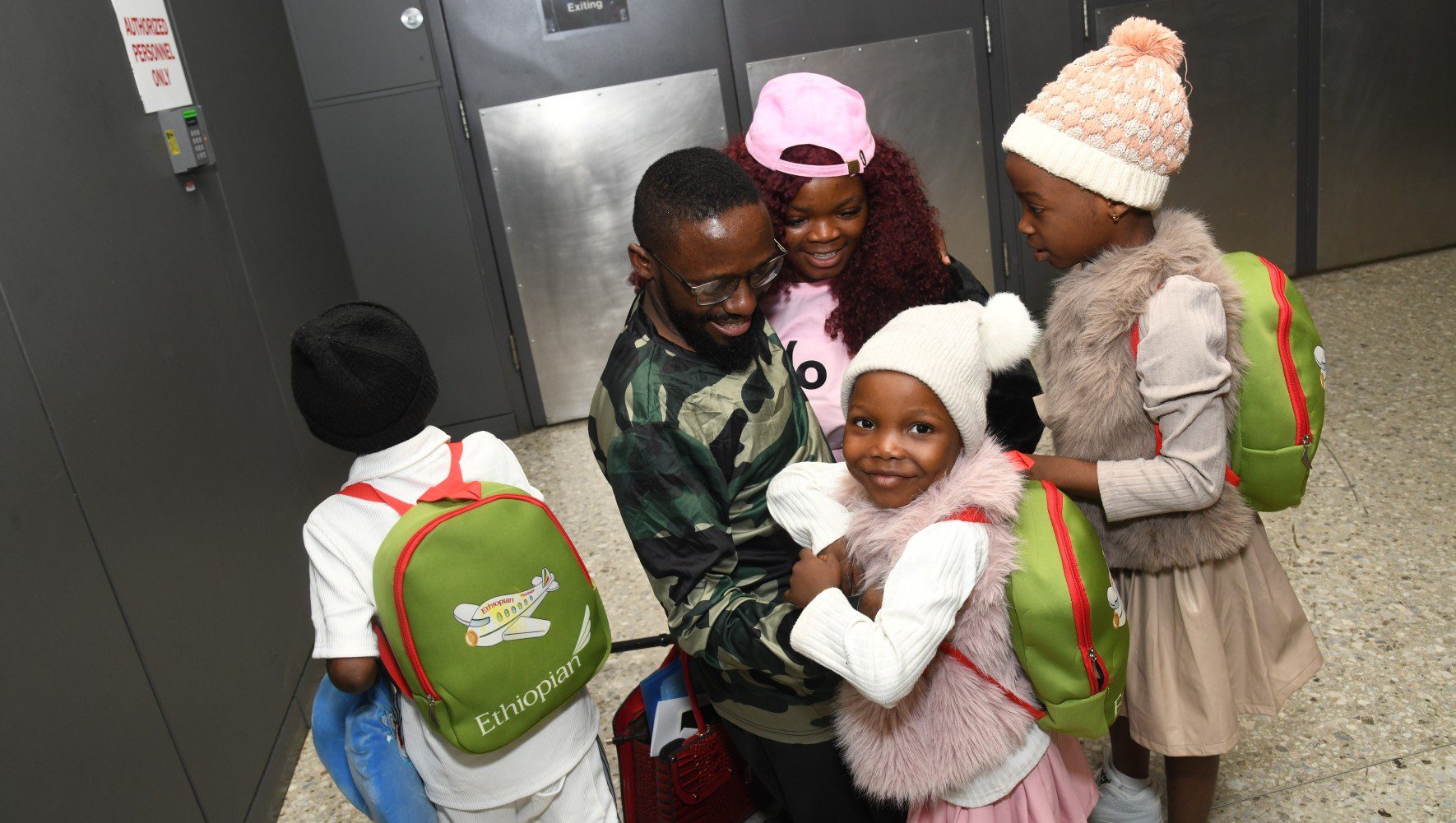
The culmination of this protracted struggle arrived in December 2025, when, after years of separation and uncertainty, Fon was finally reunited with his wife and children in Washington, D.C. "Getting [my family] here clears all my pain," Fon expressed, his voice filled with relief. "Facing immigration challenges while having HIAS support me is a shoulder I won’t forget." This reunion, facilitated by dedicated legal and social services, highlights the profound impact of holistic support for asylum seekers.
Linah: Navigating Mental Health Challenges and Educational Aspirations
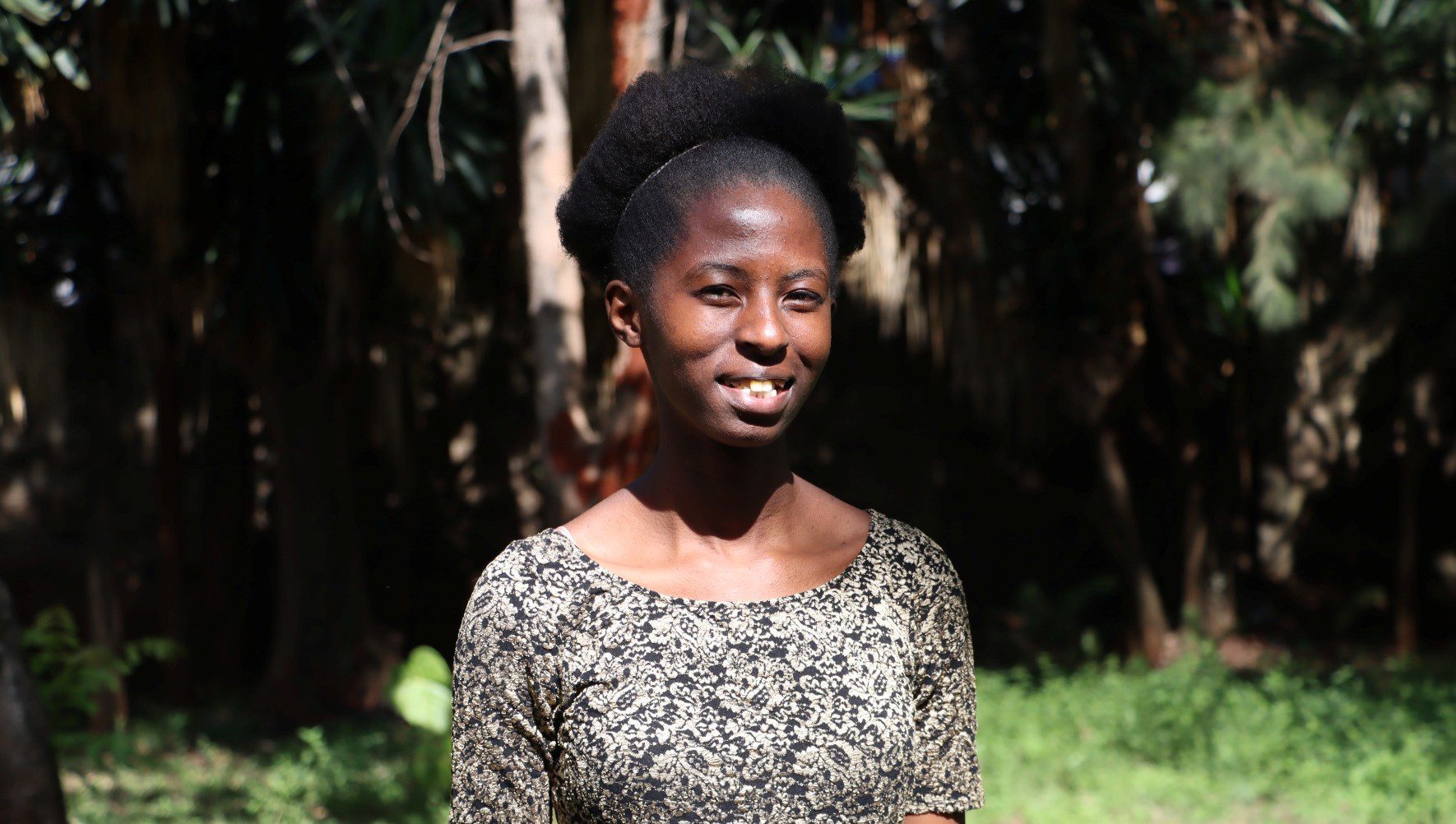
Linah, a young woman born in Kenya to Ugandan refugee parents, embodies the aspirations of a new generation of displaced youth. An aspiring electrical engineering student, her dreams were temporarily derailed by financial constraints and the pervasive discrimination she faced. Repeatedly denied internship and work opportunities due to her refugee status, Linah found herself overwhelmed by stress, isolation, and self-doubt, leading her to put her education on hold.
"I felt like I would never become someone substantial," Linah shared, reflecting on a period of deep discouragement.
Seeking a path forward, Linah joined HIAS Kenya’s Self-Help Plus program, a structured group stress-management course designed to enhance the mental well-being of refugees. Within this supportive environment, she discovered a community of peers facing similar challenges, a realization that alleviated her sense of isolation. "What made the program successful for me is that I connected with other people," she explained. "It made me feel like I truly belong and that I am not alone."
The program’s impact extended beyond emotional support. Linah acquired valuable IT skills, which enabled her to secure a part-time job, thereby keeping her educational ambitions alive. She remains committed to completing her diploma and pursuing a career as an electrical engineer. Linah attributes her current confidence and progress to the multifaceted support system that includes community leaders, local initiatives, and HIAS Kenya’s targeted mental health interventions.
"There’s a calming effect and a sense of belonging that comes with these sessions," Linah observed. "Mental health is often overlooked, but through programs like Self-Help Plus, we finally have a place to speak openly." Her experience underscores the critical need to integrate mental health support into broader refugee assistance programs, recognizing its vital role in fostering resilience and enabling individuals to pursue their goals.
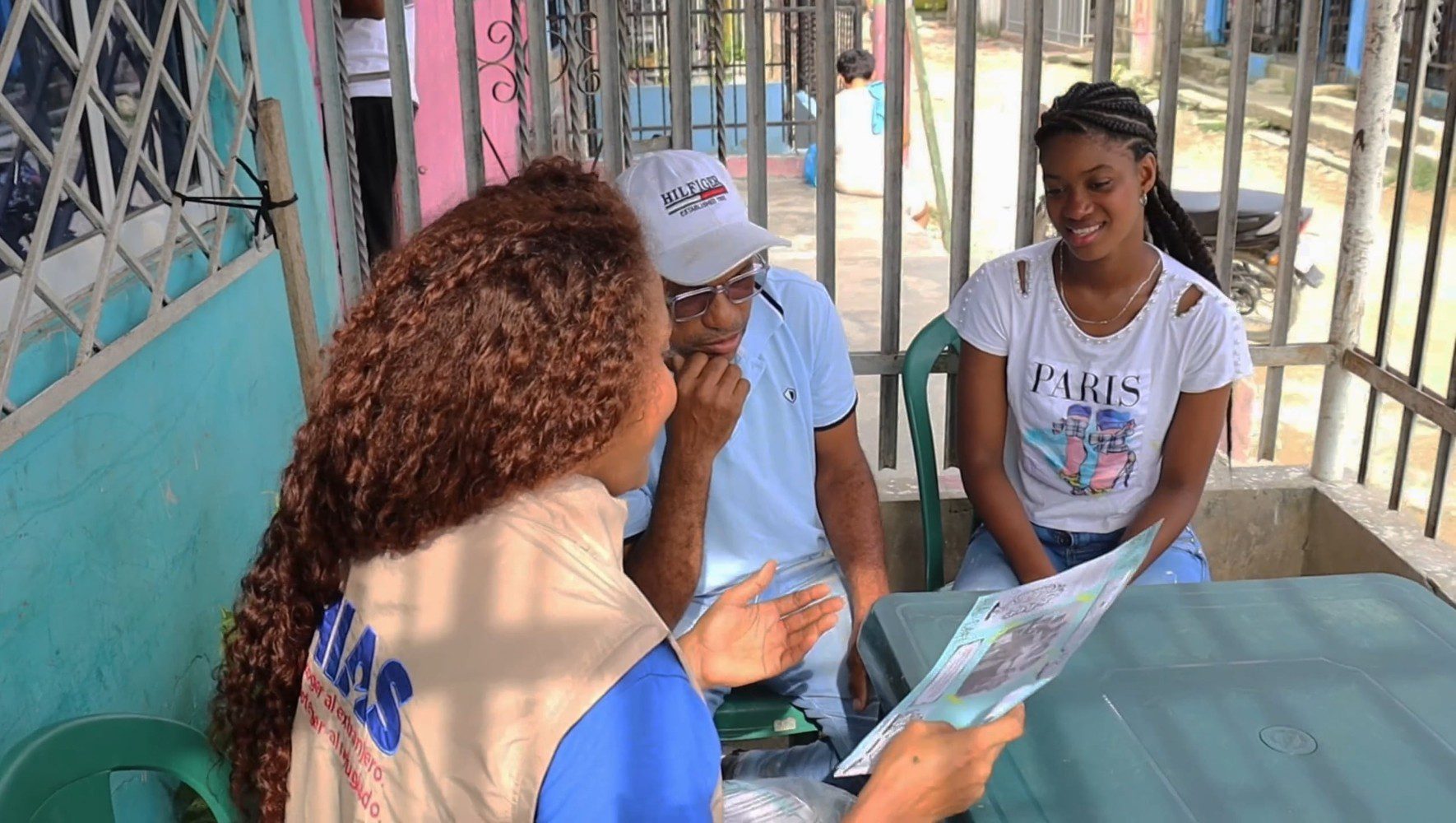
Naide: Pursuing Higher Education and Building a Future in Colombia
A decade after arriving in Colombia, Naide never envisioned herself attending college. Her life took an unexpected turn when she received the DAFI scholarship, a higher education program provided by UNHCR and administered locally by HIAS Colombia. Beyond the scholarship, she was equipped with a computer and essential study materials, enabling her to pursue her academic dreams. HIAS Colombia also provided Naide with crucial mental health support, helping her to manage stress and build self-esteem, vital components for academic success and personal growth.
"HIAS helps me every day to highlight the good things so I can trust myself and feel good about myself," Naide stated, acknowledging the organization’s supportive role.
Naide is currently studying agro-industrial engineering and harbors ambitions for a master’s degree, with her primary goal being to provide for her parents and family. "I would tell my mom and dad that I’m going to make them proud of me because I’m learning like they’ve always wanted," she declared. "I’m going to be the first professional [in my family] and I hope that after that my nephew or my children, if I have any, will follow my example."
As part of the DAFI program, students are encouraged to engage in volunteer work, giving back to their communities. Naide actively volunteers with younger children, inspiring them to pursue higher education. This experience has not only broadened her perspective but has also helped her overcome her fear of public speaking, bolstering her confidence. Naide aspires to empower other children with the tools they need to chase their dreams. "One can never lose hope; one always has to fight for something," she emphasized. Her journey exemplifies how educational opportunities, coupled with psychosocial support, can empower individuals to not only rebuild their own lives but also to become agents of positive change within their communities.
Anna: Finding Dignity and Support in Ukraine
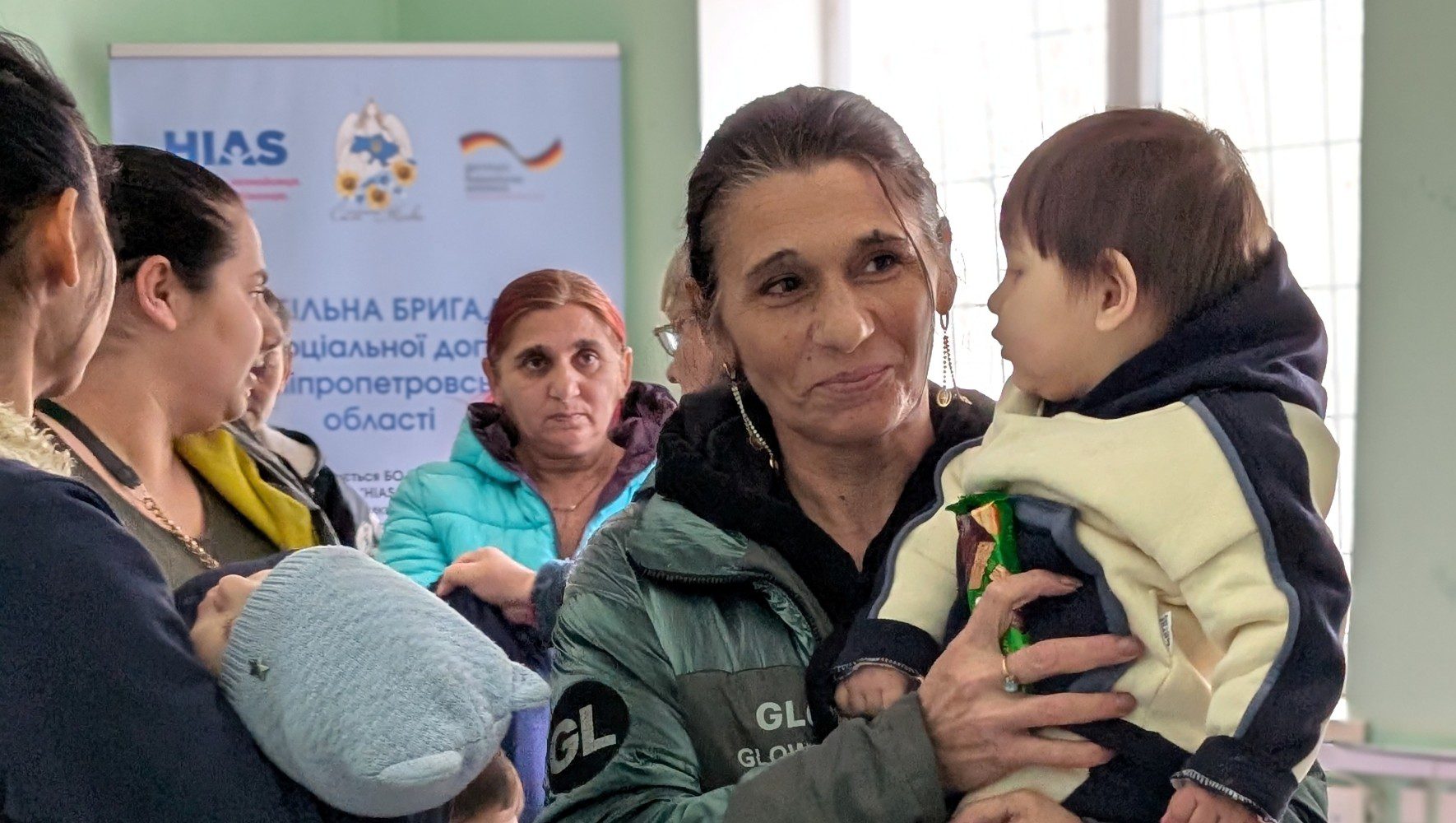
Anna*, a 40-year-old mother of three from the Roma community in Ukraine, has navigated a life fraught with challenges, including limited educational opportunities, which have impacted her literacy. Prior to the full-scale invasion, she relied on seasonal agricultural work, but the exodus of businesses from the region significantly curtailed these employment avenues. The ongoing conflict has further exacerbated her financial precarity, making it difficult for her family to afford basic necessities.
HIAS’s partner organization, Power of a Woman (PoW), has provided Anna with essential supplies and access to vital trainings on violence prevention and response. The dignity kit she received was more than a gesture of aid; it significantly improved her access to hygiene products and enhanced her living conditions. Through PoW’s awareness sessions, Anna gained critical knowledge about various forms of violence and the necessary steps to take when she or others encounter such situations.
"I felt cared for. We are usually ignored, and no one ever asks if we need support," Anna shared, highlighting the profound impact of feeling seen and valued. "We felt that we are not alone, that someone truly cares about us." Her experience underscores the importance of culturally sensitive interventions that address the unique needs of marginalized communities within displacement contexts, particularly in regions experiencing prolonged conflict. The support provided by PoW not only addresses immediate material needs but also fosters a sense of community and empowerment, crucial elements for psychological resilience.
Aziel: Building a Sustainable Business and a Shared Future in Ecuador
Aziel initially viewed her arrival in Ecuador as a temporary measure, a safe haven while she awaited improved conditions in her home country. Her early days were marked by constant movement in search of work, a relentless pursuit of stability until she could resume her former life.
"In my home country, I had many opportunities, and many things had to be put on hold," Aziel reflected.
Across Ecuador, HIAS is engaged in multifaceted efforts to support displaced populations and host communities grappling with economic insecurity, limited employment prospects, and heightened risks of exploitation. Since 2017, through an agribusiness initiative supported by UNHCR, HIAS Ecuador has been instrumental in fostering emotional stability, strengthening community bonds, and cultivating sustainable livelihoods in border regions and marginalized urban areas.
When Aziel was struggling to make ends meet, she learned about HIAS’s agribusiness initiative, which synergistically combines entrepreneurship training with crucial mental health support for displaced individuals like herself. "At the time, I looked for other ways to generate income and even thought about going somewhere else, thinking that changing locations would help," Aziel admitted. "But I was able to experience that being in one place allows for emotional and physical stability, and this has also helped me to achieve financial stability."
In 2022, HIAS Ecuador provided scholarships to participants of the program, including Aziel, a founding member of INTIVA. INTIVA is a collective agribusiness specializing in herbal infusions and dehydrated fruits, bringing together five women from diverse nationalities. This collaborative venture stands as a powerful example of how displaced individuals and host community members can forge shared economic futures.
Over the past few years, HIAS Ecuador has provided Aziel and her INTIVA colleagues with invaluable assistance in managing their finances, strategic business planning, and ensuring the long-term sustainability of their enterprise. "Beyond our shared ambition with my colleagues to start a business, HIAS presented an idea that incorporated all of us to feel encouraged to take the first steps," Aziel said. "We have been given the chance to turn our efforts into a reality." Today, Aziel and INTIVA are not only expanding their business but are also cultivating stability, confidence, and a shared future in Ecuador, demonstrating the transformative power of economic empowerment and community-driven initiatives.
As the world observes World Refugee Day, these five stories—spanning continents and diverse challenges—offer a powerful reminder of the resilience, determination, and unwavering hope of individuals seeking safety and a chance to rebuild their lives. They underscore the critical importance of the 1951 Refugee Convention and the indispensable role of organizations like HIAS in upholding its principles, even in the face of mounting global pressures. The continued erosion of refugee rights demands a renewed commitment from the international community to ensure that protection, dignity, and opportunity are accessible to all who are forced to flee.