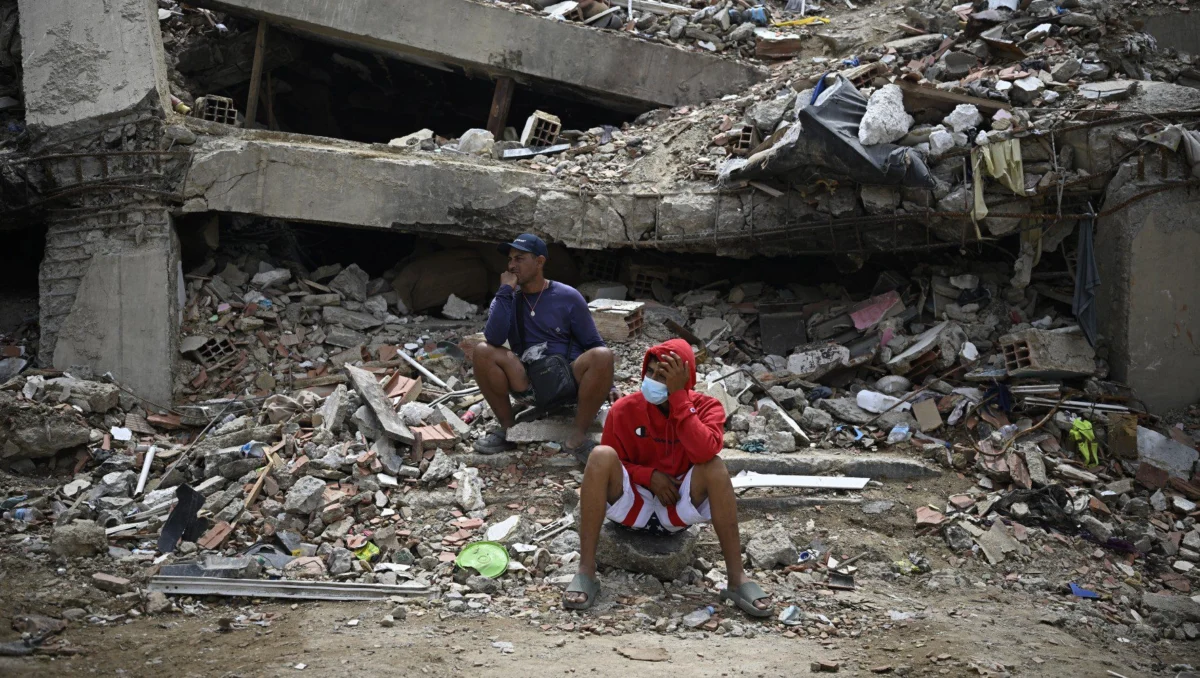
Three years into the devastating civil war in Sudan, the humanitarian crisis has escalated to an unprecedented scale, forcing an estimated 14 million people to flee their homes, both within Sudan and to neighboring countries. Chad, already grappling with resource scarcity, now hosts a staggering 1.8 million displaced individuals, the vast majority of whom have arrived since the conflict erupted in April 2023. This influx has placed immense pressure on existing infrastructure and local communities, exacerbating an already fragile humanitarian situation.
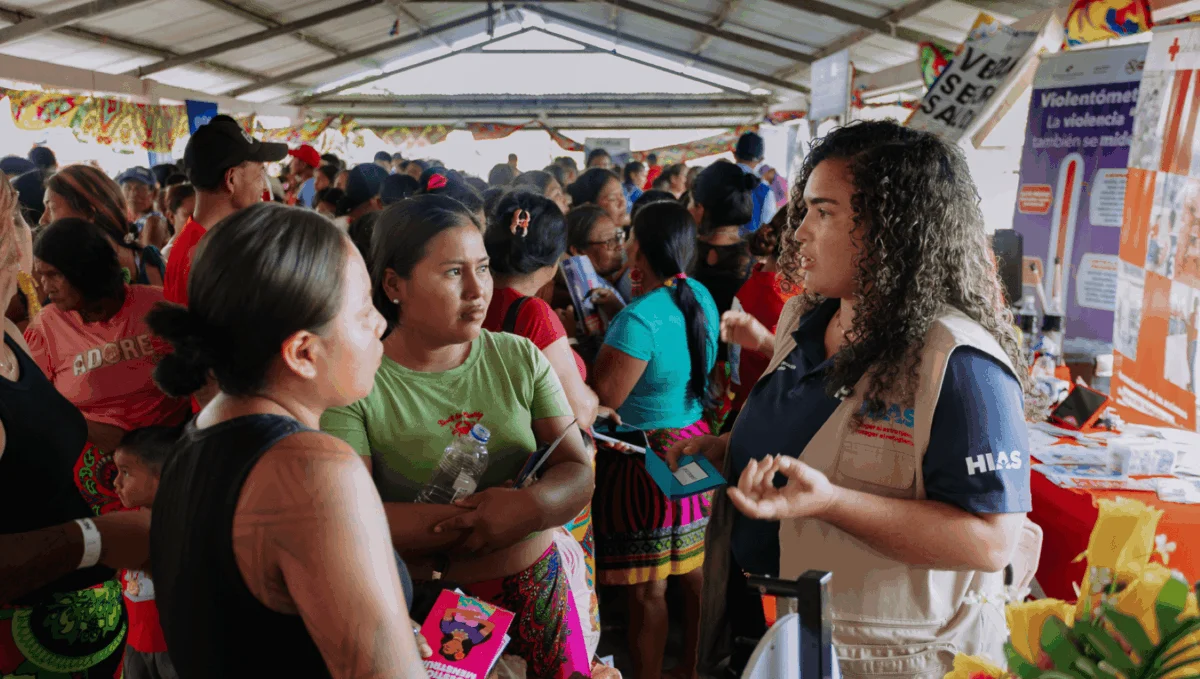
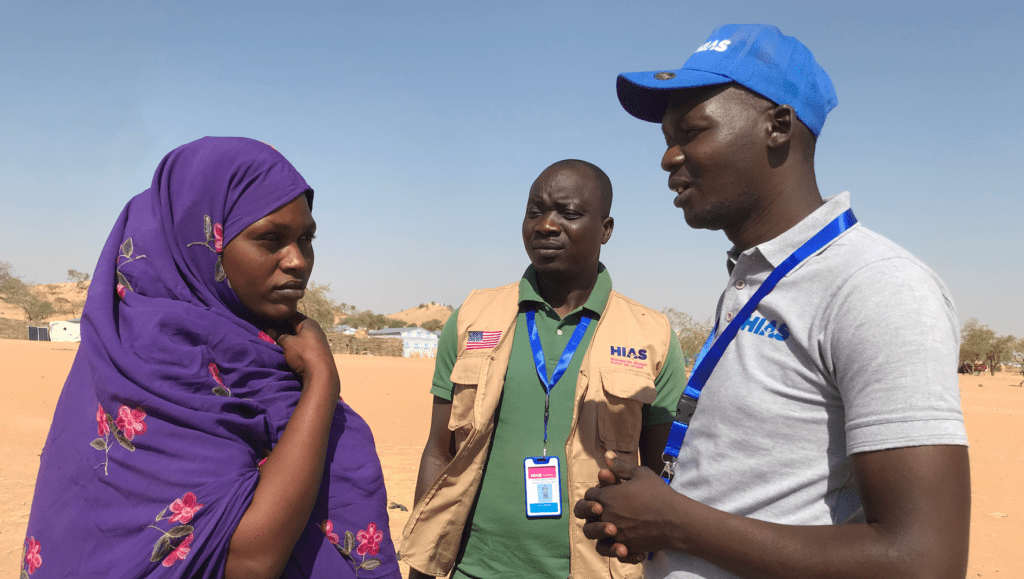
HIAS, an organization with over two decades of experience operating in Chad, is on the front lines, providing crucial support to refugees, internally displaced persons, and the host communities residing in camps along the nation’s eastern border with Sudan. The ongoing conflict has precipitated what is now recognized as the world’s largest displacement crisis, leading to a daily surge in the demand for essential aid. Compounding these challenges, severe cuts to U.S. and European humanitarian funding over the past year have further strained an already overstretched system, leaving vulnerable populations increasingly susceptible to hunger, disease, and violence. Despite these formidable obstacles, Sudanese refugees in Chad demonstrate remarkable resilience, driven by a profound determination to rebuild their lives. With dedicated support from HIAS Chad, many are embarking on a path toward recovery from the trauma of war and are diligently working to establish sustainable livelihoods for their families.
The Escalating Displacement Crisis and Funding Shortfalls
The current conflict in Sudan, which began in April 2023, pitted the Sudanese Armed Forces (SAF) against the paramilitary Rapid Support Forces (RSF). This internecine struggle has plunged the nation into widespread violence, leading to mass displacement and a dire humanitarian emergency. The United Nations has reported that over 14 million Sudanese people have been forced to leave their homes. The neighboring countries, particularly Chad, have borne the brunt of this exodus.
Chad’s capacity to absorb this influx has been severely tested. The country, which has historically been a recipient of refugees from various regional conflicts, now faces an overwhelming number of new arrivals. According to UNHCR data, Chad hosts approximately 1.8 million displaced people, a significant portion of whom are Sudanese refugees who have sought safety across the border. These numbers represent a dramatic increase in a short period, placing immense strain on the limited resources available for food, water, shelter, and healthcare.
The situation is further complicated by the global trend of diminishing humanitarian aid. Reports from organizations like ReliefWeb highlight that the Sudanese refugee response plan is critically underfunded. Specifically, cuts to funding from major international donors, including the United States and European nations, have significantly impacted the ability of humanitarian organizations like HIAS to provide adequate assistance. This reduction in financial support has created a critical gap, leaving refugees in a precarious state of vulnerability, facing increased risks of malnutrition, outbreaks of preventable diseases, and heightened exposure to exploitation and violence.
Voices of Resilience: Stories of Hope and Empowerment
Amidst the overwhelming challenges, the spirit of the Sudanese refugees in Chad shines through their determination to reclaim their lives and build a more secure future. The stories of individuals like Fatna and Zam-Zam, supported by HIAS Chad, exemplify this enduring resilience and the transformative power of targeted humanitarian assistance.
Fatna, a mother of eight residing in the Aboutenguén camp, recounts a harrowing past marked by fear and abject poverty. "Before, to feed my children, I sold bundles of firewood," Fatna shared, her voice tinged with the memory of hardship. "I had to walk for miles, sometimes far from the camp, exposing myself to attacks, harassment, and even the risk of rape. Every trip was dangerous, every day a source of worry." Her account underscores the perilous economic activities many refugees are forced to undertake out of sheer necessity, highlighting the profound lack of safe and sustainable livelihood options.
However, Fatna’s life has taken a significant turn for the better through the economic empowerment program facilitated by HIAS Chad, with crucial funding from the German Federal Foreign Office (GFFO). "Thanks to the economic assistance of HIAS," she continued, "I was able to start my own business selling crops that I now grow myself. I have even expanded to sell vegetables in three nearby camps." This initiative has not only provided Fatna with a safe and dignified way to earn income but has also allowed her to invest in her children’s well-being. "I can now provide for my children without risking my life," she stated with palpable pride. "By saving some of the assistance I received, I was able to plant this season. The harvest was good, proof that my strategy is working, and I am very proud of it. My home is more stable, my children are eating better, and I have regained my dignity."
Beyond economic support, HIAS Chad is committed to providing comprehensive protection services to Fatna and other women in her community. These services are designed to prevent violence against women and girls, a pervasive issue in displacement settings. "I am deeply grateful to HIAS for this assistance, but also for the regular follow-up and constant support," Fatna expressed. "Today, I am ready to get more involved in my community, to raise awareness among other women and direct them to services." Her newfound confidence and willingness to contribute to her community signal a powerful shift from victimhood to agency.
Similarly, Zam-Zam, a mother of six, arrived in Chad over two decades ago, fleeing the initial violence in Darfur, Sudan, which tragically claimed her husband’s life. She now faces the challenge of caring for her children, including a daughter with a disability. "When I arrived at the Farchana camp in 2004, my situation was extremely difficult," Zam-Zam recounted. "I was mentally devastated, without the resources to provide for my children’s basic needs."
With limited resources, Zam-Zam initially started a small business selling goods at the camp market. Her life began to transform after learning about HIAS from fellow refugee women. Through economic assistance from HIAS, also funded by the GFFO, Zam-Zam was able to significantly expand her business. This support has enabled her to travel between camps, diversifying her product offerings and ensuring a steady supply of goods for resale. "Since that day, my life has changed," Zam-Zam shared with a hopeful tone. "Thanks to this business, I can provide for my children, who have enough to eat, attend school, and receive the basic healthcare they need. With my income from my business, I can even support my relatives when they face social difficulties." Her ability to not only sustain her own family but also to extend support to her wider community demonstrates the ripple effect of economic empowerment.
The Impact of Economic Empowerment and Protection
The interventions by HIAS Chad, focusing on economic empowerment and protection, are not isolated successes but rather part of a broader strategy recognized globally for its effectiveness in supporting displaced populations. Small amounts of economic assistance, when coupled with vocational training and financial literacy programs, can yield significant dividends, enabling refugees to earn sustainable incomes and reinvest in their communities.
Anitha Niyongir, HIAS Chad’s Protection Manager, emphasized the intrinsic link between economic empowerment and protection in the context of Sudanese refugees. "For Sudanese refugees in Chad, economic empowerment and protection are inseparable," Niyongir stated. "When individuals, especially women and girls, have access to safe livelihoods and opportunities alongside protection services, they are better equipped to resist exploitation, reduce harmful coping mechanisms, and reclaim control over their lives." This integrated approach addresses both the immediate needs of survival and the long-term goals of self-reliance and dignity.
The commitment of HIAS Chad to assisting refugees in recovering from decades of conflict is unwavering. The organization’s work is crucial in helping individuals like Fatna and Zam-Zam move beyond mere survival towards rebuilding their lives with hope and agency. As Zam-Zam poignantly expressed, "I am grateful to HIAS for its continued support of women and children in the community. We pray that more funding will be made available to continue supporting the most vulnerable." Her plea underscores the urgent need for sustained and increased international support to address the multifaceted challenges faced by refugees in Chad and to ensure that such life-changing programs can continue and expand.
Broader Implications and Future Outlook
The humanitarian crisis in Sudan and its spillover effects into neighboring countries like Chad present a stark reminder of the interconnectedness of global security and humanitarian needs. The sustained displacement of millions necessitates a comprehensive and sustained response from the international community. The continued funding shortfalls pose a significant risk of reversing the progress made by organizations like HIAS and could plunge already vulnerable populations into deeper despair.
The success stories of Fatna and Zam-Zam, while inspiring, also highlight the critical need for greater investment in long-term solutions. Beyond immediate relief, programs that foster economic self-sufficiency, provide psychosocial support, and enhance protection mechanisms are essential for refugees to not only survive but to thrive. The analysis of the implications of this crisis points to a complex interplay of political instability, economic hardship, and human resilience. The international community’s response will ultimately determine the trajectory of recovery and the restoration of dignity for millions of displaced Sudanese individuals. The ongoing efforts by HIAS Chad, supported by partners like the German Federal Foreign Office, serve as a vital beacon of hope, demonstrating that with adequate resources and unwavering commitment, it is possible to rebuild lives and communities amidst the ruins of conflict. The call for increased funding is not merely a request for aid but an imperative for upholding human dignity and fostering stability in a region teetering on the brink.