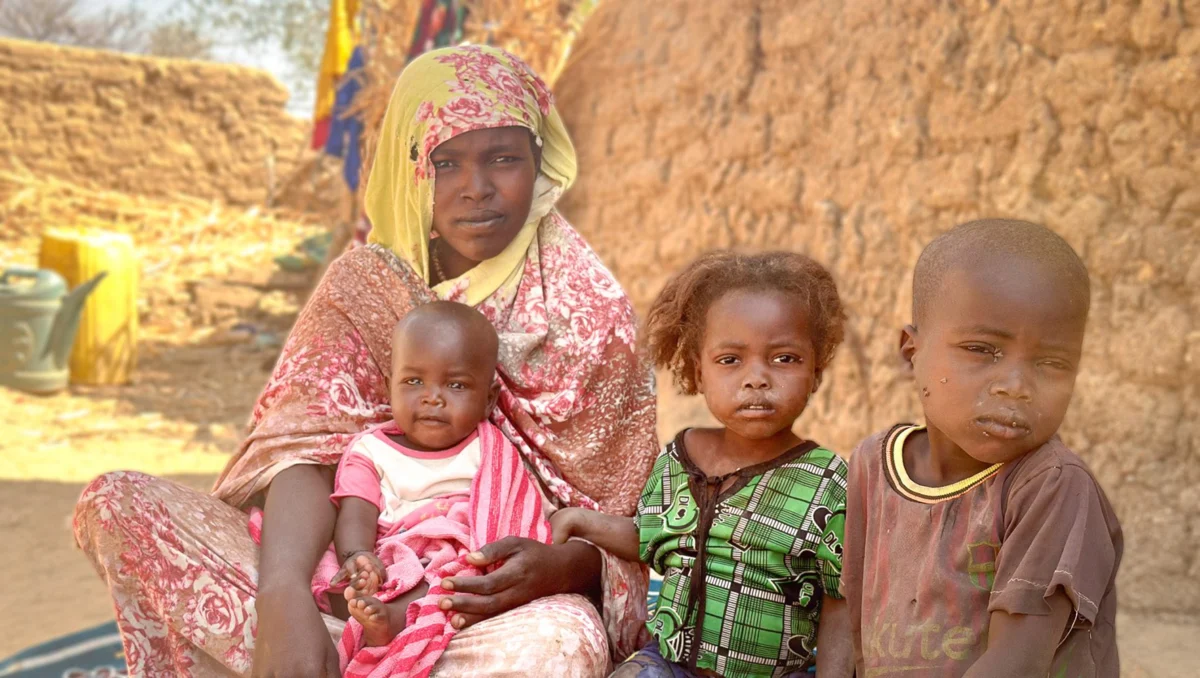
The specter of xenophobia, a persistent and often violent phenomenon in South Africa, has once again cast a dark shadow over the nation, forcing refugees, asylum seekers, and immigrants to live in fear and displacement. In recent weeks, a disturbing surge in attacks, primarily concentrated in the KwaZulu-Natal province, has seen vigilante groups issuing stark ultimatums and communities driven into hiding, fearing for their very lives. The escalating climate of hostility has prompted emergency aid efforts and drawn concern from international observers, highlighting the fragility of social cohesion and the urgent need for robust protective measures.
The Intensifying Crisis in KwaZulu-Natal
The province of KwaZulu-Natal has become the epicenter of the latest wave of xenophobic violence, with organized groups like Operation Dudula and March and March actively targeting foreign nationals. These groups have reportedly issued a June 30 deadline, demanding that all individuals deemed "illegal immigrants" leave South Africa. This ultimatum has instilled profound terror within refugee and immigrant communities, many of whom possess legal documentation but are still subjected to harassment and violence.
Gaby, a refugee community leader whose identity is being protected for safety reasons, described the current atmosphere as unprecedented in its fear and trauma. "I have witnessed and experienced many incidences of xenophobic violence, but I have never felt this scared and traumatized," Gaby stated. "My wife and children are terribly terrified, even though they are South African citizens of foreign origin." This sentiment underscores the indiscriminate nature of the violence, which often blurs the lines between documented and undocumented individuals, leaving many feeling vulnerable and unprotected.
The fear is compounded by the fact that many of those targeted are legally residing in South Africa. "The scariest thing is that most members of our communities are documented," Gaby elaborated. "They are either naturalized, permanent residents, refugees, or asylum seekers, but they have been attacked more than once, called illegal immigrants and told to go back to their home countries." This highlights a fundamental breakdown in the perception of safety and belonging for long-term residents, irrespective of their legal status.
Humanitarian Response and Community Support
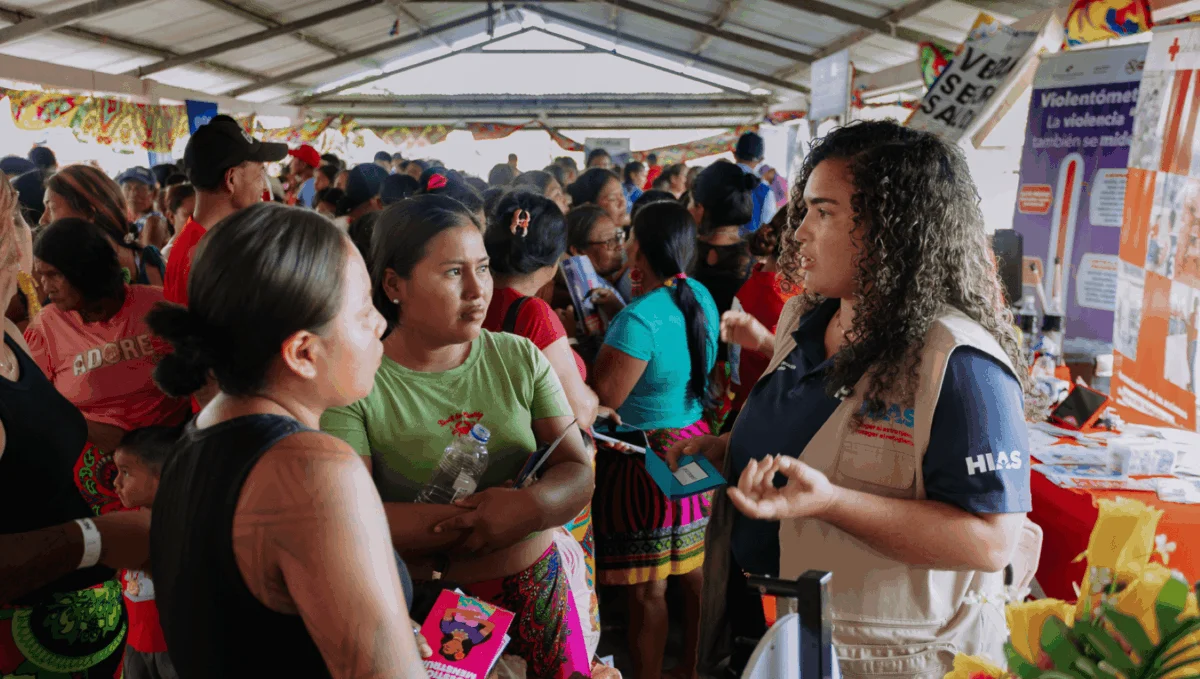
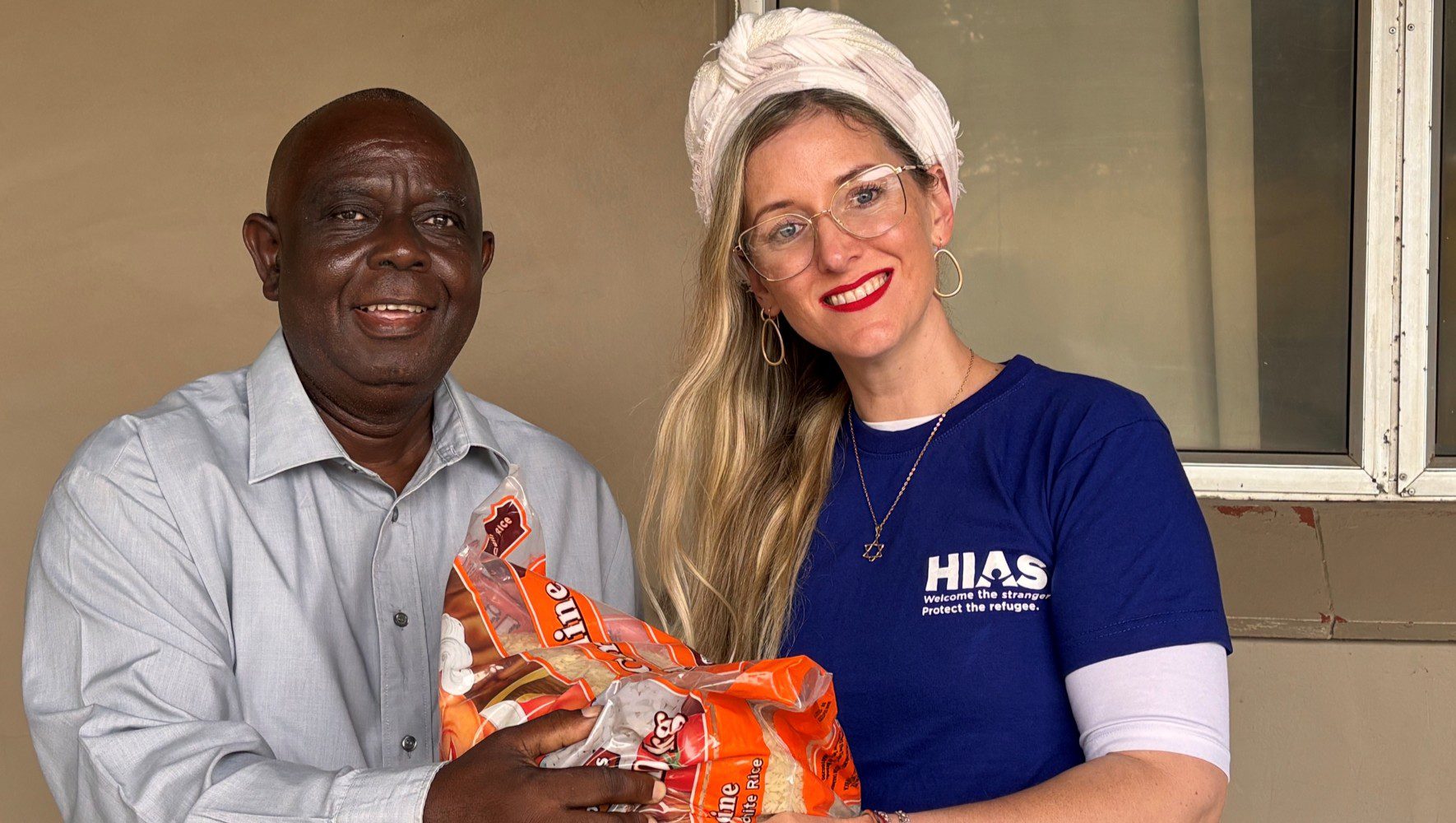
In the face of this escalating crisis, HIAS South Africa, in collaboration with the local Jewish community and the KwaZulu-Natal South African Jewish Board of Deputies (SAJBD), has launched an emergency food relief initiative. The campaign aims to provide essential sustenance to refugee families who are unable to leave their homes due to safety concerns or who have lost their livelihoods.
Alana Pugh-Jones Baranov, HIAS South Africa’s Country Director, emphasized the critical need for immediate assistance. "After being chased from working places, most of the refugee community depends on assistance at the moment," shared Eric, another refugee community leader whose name has been changed to protect his identity. "The food parcels received from HIAS came as a big relief. And people still need more." The urgency of the situation is evident, with many families facing the stark reality of food insecurity due to the disruption of their ability to earn income.
The partnership with the SAJBD signifies a united front against xenophobia, drawing upon deeply held ethical and religious principles. HIAS South Africa and SJABD are continuing their fundraising efforts to provide sustained support to these vulnerable communities as they navigate this perilous period.
A Recurring and Deep-Rooted Problem
The current surge in xenophobic violence is not an isolated incident but rather a tragic continuation of a decades-long pattern in South Africa. Xenophobic attacks have plagued immigrant communities for over twenty years, with notable outbreaks occurring in 2008, 2015, and 2019. These periods of intense violence have resulted in significant loss of life and widespread displacement. The Human Rights Watch reported at least 62 deaths in 2008, 7 in 2015, and 12 in 2019, with thousands of refugees and immigrants forced to flee their homes during each wave.
The increasing severity and frequency of these attacks have prompted some African nations to take precautionary measures. Countries such as Malawi, Ghana, and Nigeria have begun repatriating thousands of their citizens from South Africa, prioritizing their safety amid the volatile climate. This international response underscores the gravity of the situation and the perceived failure of South Africa to adequately protect foreign nationals.
Underlying Causes and Political Rhetoric
Experts and community leaders point to a complex interplay of factors fueling xenophobia, including socioeconomic disparities, high unemployment rates, and the scapegoating of foreigners for broader societal problems. Alana Pugh-Jones Baranov observed, "Sadly, foreign nationals are often scapegoated for government failures in our country, and we often see the flames of anti-immigrant sentiment fanned by politicians in the lead up to elections." This exploitation of xenophobia for political gain exacerbates tensions and fuels hostility.
A particularly concerning development in the current wave of violence is the sophisticated use of social media to spread disinformation and coordinate attacks. "Since early 2025, we began to witness a new systematic, escalating campaign of intimidation against refugees, asylum seekers, and migrants alike, with no distinction between those who are documented and undocumented," Pugh-Jones Baranov explained. "What distinguishes this wave from previous outbreaks is the weaponization of social media to manufacture fear, spread disinformation and division, and rapidly coordinate violence at scale." This digital dimension allows for the rapid mobilization of vigilante groups and amplifies the reach of hateful propaganda, making it more challenging to contain.
The ramifications of this escalating xenophobia extend beyond physical violence, impacting critical aspects of refugees’ and immigrants’ lives. Access to essential services such as healthcare, education, and employment has been severely curtailed, making daily existence increasingly untenable for many.
Economic and Social Devastation
The economic consequences of xenophobic violence are devastating for individuals and communities. Eric, who lost his job as a court interpreter after advocating for refugees facing police inaction, shared the profound impact on his family. "I was fired because I acted as a spokesperson for refugees who went to seek protection from the police after being attacked several times with no police intervention," he recounted. His wife was also physically attacked while at work.
The livelihoods of many refugees, particularly those in service-based industries, have been decimated. "Most of the members of my community were working as barbers and hairdressers," Eric stated. "As of now, no one is allowed to work and many families are affected. They are not able to provide for their families." This loss of income not only affects individual families but also disrupts local economies that benefit from the labor and entrepreneurship of immigrant communities.
The Role of Advocacy and Values
HIAS South Africa remains steadfast in its commitment to advocating for the rights of refugees and displaced people, working with partners to deliver vital aid. The organization’s efforts are deeply rooted in Jewish values of justice and repairing the world. "The work of HIAS South Africa is motivated by our Jewish values of Tzedek, justice, and Tikkun Olam or repairing the world," Pugh-Jones Baranov articulated. "The Torah commands us to love and protect the stranger thirty-six times — more than any other commandment. Not because it is easy. But because we, as a Jewish organization, know what it is to be the stranger. This is not ancient history for us; it’s the stories of our great-grandparents seeking safety and refuge from persecution."
This historical perspective informs HIAS’s unwavering stance in supporting those who are marginalized and vulnerable, recognizing the universal human imperative to offer sanctuary and dignity.
As the July 1 deadline looms, the situation remains precarious. HIAS South Africa pledges to stand with refugees, asylum seekers, and displaced people, regardless of the unfolding events. "If we fail to take a stand against xenophobia, South Africa’s fragile social cohesion will become a tinderbox which the smallest spark could set ablaze," Pugh-Jones Baranov warned. "That tinderbox is already burning. And what happens next depends on whether people choose to act." The call to action resonates deeply, urging a collective responsibility to confront xenophobia and build a more inclusive and just society for all.