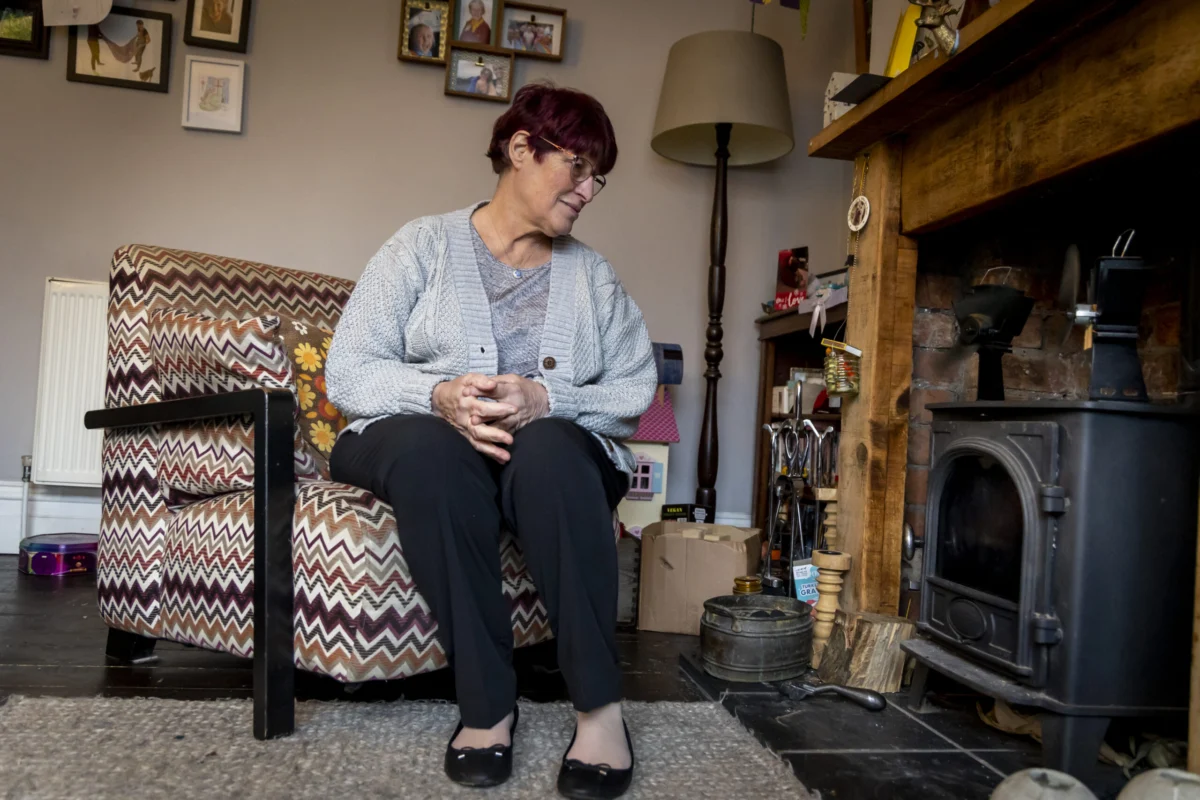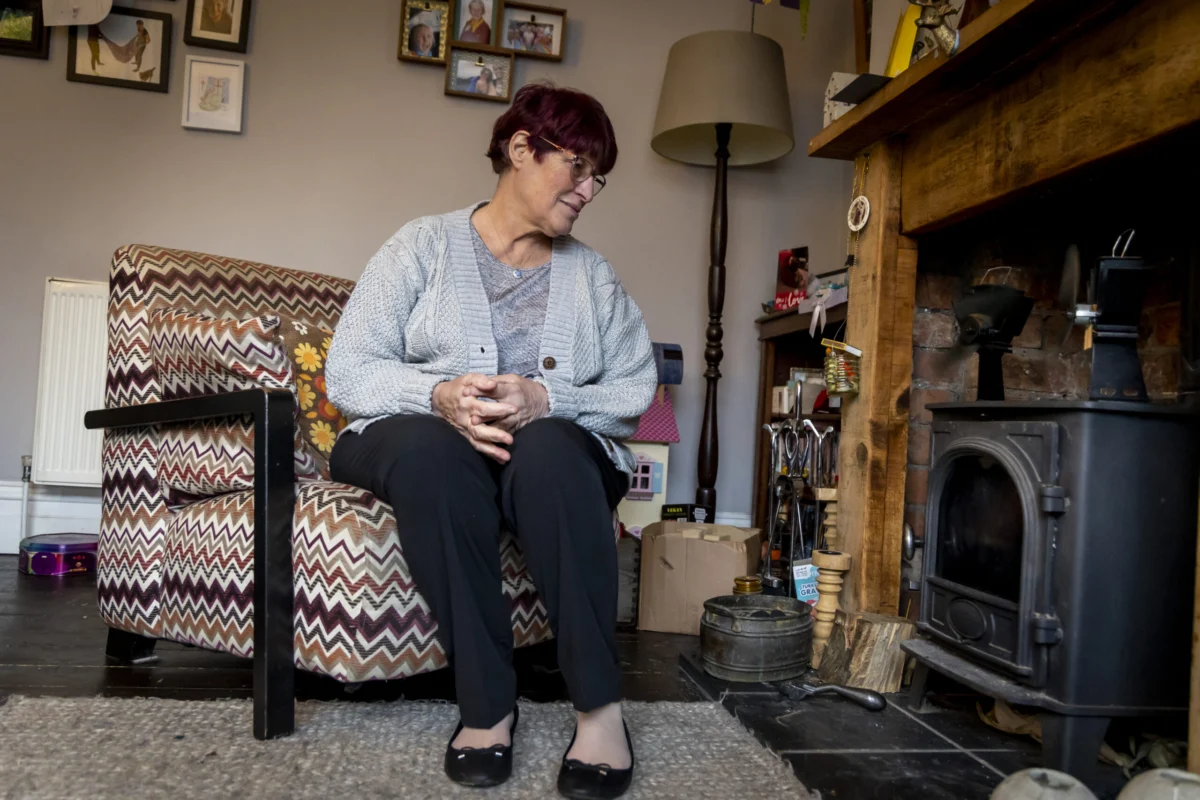
The latest figures released by the Central Statistics Office (CSO) have highlighted a deteriorating financial situation for Ireland’s elderly population, prompting Age Action to issue an urgent warning regarding the sustainability of current social welfare structures. According to the 2025 Survey on Income and Living Conditions (SILC), the risk of poverty among older persons has seen a marked increase, with those living alone emerging as the most vulnerable demographic in the state. The data reveals that nearly one-third of older people living solo are now classified as living in income poverty, a statistic that underscores a widening gap between the national average and the economic reality of Ireland’s senior citizens.
In 2025, the income poverty rate for older people living alone reached 30.3%, representing a significant jump of 4.4 percentage points from the previous year. This figure is particularly striking when compared to the national average, as older people living alone are now approximately 2.5 times more likely to experience income poverty than the general population. The rise suggests that despite various government interventions, the core financial floor for the elderly is failing to keep pace with the rising costs of essential goods and services.
A Statistical Overview of the 2025 SILC Findings
The Survey on Income and Living Conditions is the official source of data on household income and rates of poverty in Ireland. The 2025 report provides a granular look at how different household compositions are weathering the current economic climate. While the national "at risk of poverty" rate remains a focal point for policymakers, the specific data regarding those aged 65 and over paints a far more precarious picture.
Income poverty, defined as having an equivalised disposable income below 60% of the national median, is only one metric of hardship. The CSO also measures "enforced deprivation," which refers to the inability to afford at least two out of eleven basic necessities, such as heating the home, replacing worn-out furniture, or buying new clothes. The 2025 data shows that 18.3% of older people living alone—nearly one in five—suffered from enforced deprivation. Even in households where at least one person is aged 65 or older, the deprivation rate stood at 9.8%, indicating that even couples are not immune to the pressures of inflation and stagnant fixed incomes.
Most concerning is the rise in "consistent poverty." This metric identifies individuals who are simultaneously experiencing both income poverty and enforced deprivation. For older people living alone, the consistent poverty rate hit 9.8% in 2025. This represents a segment of the population that is not just "at risk," but is actively living in a state of sustained material hardship, unable to meet the most basic standards of living expected in a modern European economy.
Chronology of the Crisis: From Temporary Measures to Budget 2026
The current crisis did not emerge in a vacuum. To understand the 2025 figures, it is necessary to examine the trajectory of Irish fiscal policy over the last three years. In 2023 and 2024, the Irish government responded to the global cost-of-living surge with a series of "one-off" measures. These included energy credits, double social welfare payments, and lump-sum transfers to pensioners and those living alone.
According to Age Action, these temporary measures were effective in the short term. In 2025, one-off supports reduced the poverty risk for older people by an estimated 5.9 percentage points. Without these interventions, the 30.3% poverty rate for solo seniors would likely have approached 36%. However, the advocacy group argues that the reliance on temporary "band-aid" solutions has masked a structural deficiency in the State Pension.
The transition to Budget 2026 has become a flashpoint for this debate. As the government moved away from the emergency one-off payments that characterized the 2023–2025 period, the failure to integrate these supports into the permanent core rate of the State Pension has created a "fiscal cliff" for many. Age Action notes that while Budget 2026 included some adjustments, they were insufficient to offset the loss of the temporary supports and the cumulative impact of three years of high inflation.
The Advocacy Perspective: Age Action’s Critique
Camille Loftus, Head of Advocacy and Public Affairs at Age Action, has been vocal about the implications of the CSO’s findings. She emphasizes that while the government can point to the temporary reduction in poverty risk achieved in 2025, the long-term outlook is grim.
"While one-off cost of living measures have reduced the poverty risk for older people in recent years—by 5.9 percentage points in 2025—the failure to replace these supports with permanent and targeted measures in Budget 2026 means that older people will face a growing risk of living in poverty in 2026," Loftus stated.

The core of the advocacy argument is that the State Pension has not been "inflation-proofed." When the cost of essentials like home heating oil, electricity, and basic groceries rises, a fixed pension loses its purchasing power. For an older person living alone, who cannot share the burden of standing charges for utilities or property taxes, the impact is magnified. Age Action and other senior advocacy groups had called for a significant increase in the core pension rate in Budget 2026 to bring it in line with a "Minimum Essential Standard of Living" (MESL), a benchmark developed by the Vincentian Institute for Social Justice. The failure to meet this benchmark is seen as the primary driver behind the escalating poverty statistics.
Supporting Context: The Impact of Housing and Healthcare
The 2025 SILC data also hints at broader systemic issues, such as the "silver rental crisis." Traditionally, Irish pensioners were likely to own their homes outright, providing a level of protection against housing costs. However, a growing number of older people are now entering retirement in the private rental sector. For these individuals, the risk of poverty is exponentially higher, as a significant portion of their pension is diverted to rent, leaving little for food or heat.
Furthermore, the "enforced deprivation" statistics are closely linked to healthcare and home maintenance. Older people often face higher "out-of-pocket" expenses for medications, mobility aids, and home adaptations that are not fully covered by the medical card system or existing grants. When income is stretched, these health-related costs are often the first to be deferred, leading to a decline in physical wellbeing and an increased burden on the national health service (HSE) in the long run.
Comparative Analysis and Government Reaction
While the Irish government has defended its record by highlighting that Ireland maintains one of the most redistributive tax and transfer systems in the European Union, the CSO data suggests that the "transfer" element is no longer sufficient for the elderly. In previous years, government spokespersons have pointed to the "Triple Lock" system in the UK as a model they seek to emulate in spirit, if not in exact legislation, by ensuring pensions rise with wages or inflation. However, the 2025 data suggests that Irish pension increases have lagged behind both.
Opposition parties have responded to the CSO report with calls for a fundamental rethink of how the Living Alone Allowance is calculated. Currently, the allowance is intended to compensate for the lack of "economies of scale" in a single-person household. However, the 30.3% poverty rate suggests that the current allowance is inadequate to cover the reality of modern utility and maintenance costs.
Analysis of Implications: A Demographic Time Bomb
The implications of the 2025 SILC report extend beyond immediate financial hardship. Ireland is currently experiencing a demographic shift; the number of people aged 65 and over is increasing faster than any other age group. If the state does not address the structural poverty of those living alone now, the future cost to the state will be significantly higher.
Poverty in old age is a primary driver of social isolation. When an individual cannot afford to have visitors, travel to social clubs, or even maintain a telephone line, they become invisible to society. This isolation is linked to higher rates of depression, dementia, and physical frailty. From a purely economic standpoint, the cost of providing residential care or emergency hospital intervention for an impoverished, isolated older person far exceeds the cost of providing an adequate, livable State Pension.
Moreover, the "consistent poverty" rate of 9.8% for solo seniors serves as a warning of a two-tier aging experience in Ireland. Those with private pensions or significant assets remain comfortable, while those relying solely on the State Pension are falling through the cracks. This inequality threatens social cohesion and places a moral burden on a state that prides itself on its "all-island" approach to social welfare and community care.
Conclusion and Future Outlook
The 2025 CSO Survey on Income and Living Conditions acts as a definitive record of a growing social crisis. The jump to a 30.3% income poverty rate for older people living alone is a clear signal that the temporary measures of the past few years were a palliative rather than a cure. As 2026 progresses, the absence of the "one-off" cushions, combined with the cumulative effects of inflation, suggests that the next SILC report may show even more distressing figures.
The call from Age Action is clear: the Irish government must move away from reactive, temporary interventions and toward a proactive, benchmarked pension system. Without a commitment to ensuring that the State Pension meets a Minimum Essential Standard of Living, the most vulnerable members of Ireland’s "silver generation" will continue to face a choice between heating and eating—a choice that should be obsolete in a modern, wealthy nation. The data has been presented; the challenge now lies with the policymakers to ensure that Budget 2027 and subsequent fiscal policies address the structural roots of elderly poverty before the trend becomes irreversible.