July 3, 2026
By HIAS Staff
The United States, at 250 years of existence, stands at a pivotal juncture, grappling with the enduring tension between its founding ideals of equality and the historical realities of exclusion and discrimination. This anniversary year, marked by both reflection and renewed activism, highlights a persistent struggle to fully realize the promise that "all people are created equal"—a declaration penned by founders who, in practice, did not extend this vision to all individuals within the nascent nation. From its inception, American society was built upon a foundation that simultaneously enslaved millions of Africans, displaced Indigenous nations, and established a political framework that prioritized exclusion alongside liberty and life. Despite these profound contradictions, the aspiration for true equality has never been extinguished, serving as a persistent catalyst for change and demanding a more inclusive national identity.
American history, at its core, is a narrative of individuals and groups continually asserting their right to freedom and equality. This ongoing demand has shaped the nation’s trajectory, with the definition of who belongs expanding, contracting, being denied, and forcefully reasserted across generations. There have been periods of profound, radical welcome, where new communities were offered sanctuary and the opportunity for a fresh start for themselves and their descendants. Conversely, there have been moments where institutions, often reluctantly, were compelled to confront societal shifts and broaden the embrace of American identity.
HIAS, with a legacy spanning over half the nation’s history, has been an integral part of this evolving narrative. For more than 120 years, the organization has been a steadfast presence at ports of entry and within communities, welcoming millions of new Americans who sought refuge from violence and persecution, carrying with them the hope for a new beginning. Throughout generations, HIAS has facilitated the arrival of immigrants and refugees from around the globe, individuals whose contributions have undeniably enriched and strengthened the United States.
A Tapestry of Arrivals and Struggles
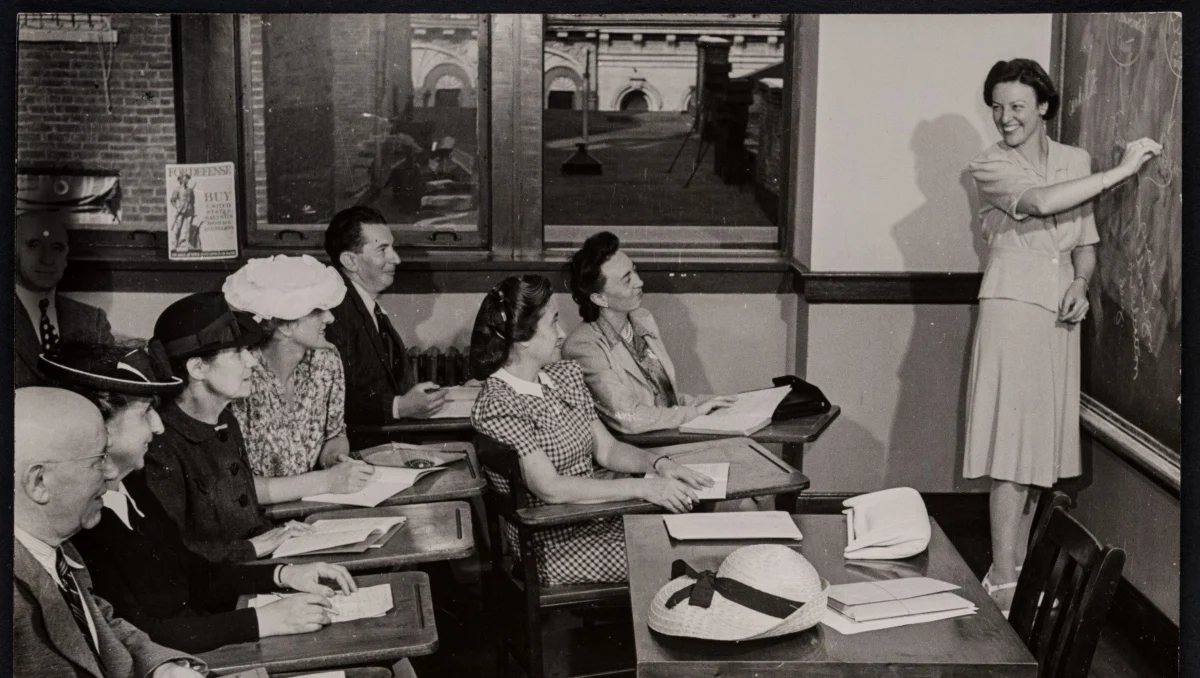
The unique character of the United States is woven from the diverse experiences and arrivals of its people, each with a story of integration, struggle, and resilience. Consider the Africans brought to these shores in chains, subjected to forced labor in a nation that systematically denied their fundamental freedoms and humanity for generations. The Irish, fleeing the devastating famine, encountered suspicion and exploitation upon their arrival. Chinese laborers, instrumental in building the transcontinental railroad, were subsequently targeted as the first immigrant group to be legally barred from entering the country. Mexican workers, vital to sustaining American agriculture and infrastructure for decades, simultaneously faced active efforts to erase them from the national consciousness. Jewish refugees, seeking safety from rising fascism in Europe, arrived at Ellis Island only to confront restrictive quotas and limitations on entry. More recently, Afghan refugees have arrived after enduring decades of conflict, a war in which American foreign policy played a significant role.
These are not isolated histories but rather interconnected threads in a complex tapestry of movement, arrival, tension, exclusion, and the persistent fight for recognition and freedom. It is a narrative of communities opening their arms to newcomers, of new arrivals profoundly shaping existing communities, of rejection and acceptance, and of continuous redefinition of what it means to be American. The descendants of those who were once met with suspicion now occupy positions of influence across the nation, serving in Congress, leading military forces, heading businesses and academic institutions, driving scientific innovation, creating cultural touchstones, and raising the next generation of Americans. Time and again, individuals who were once denied belonging have gone on to redefine and strengthen the very fabric of the United States.
Contemporary Challenges to the American Ideal
In the present era, political discourse surrounding immigration has intensified, fueled by anxieties surrounding demographic shifts. A vocal, though numerically smaller, segment of the population expresses apprehension, employing exclusionary rhetoric and utilizing governmental mechanisms to deport, detain, and force individuals into hiding. This stands in stark contrast to the nation’s historical role as a global standard-bearer for welcome and opportunity, with the U.S. now increasingly associated with policies of rejection and exclusion.
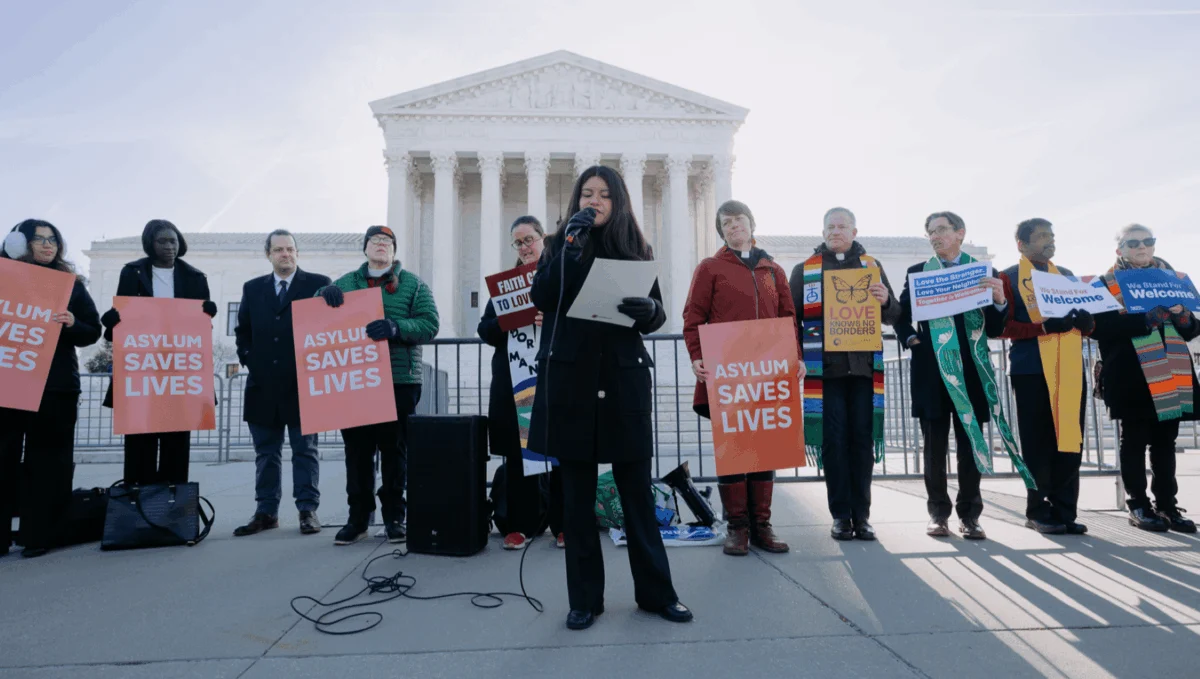
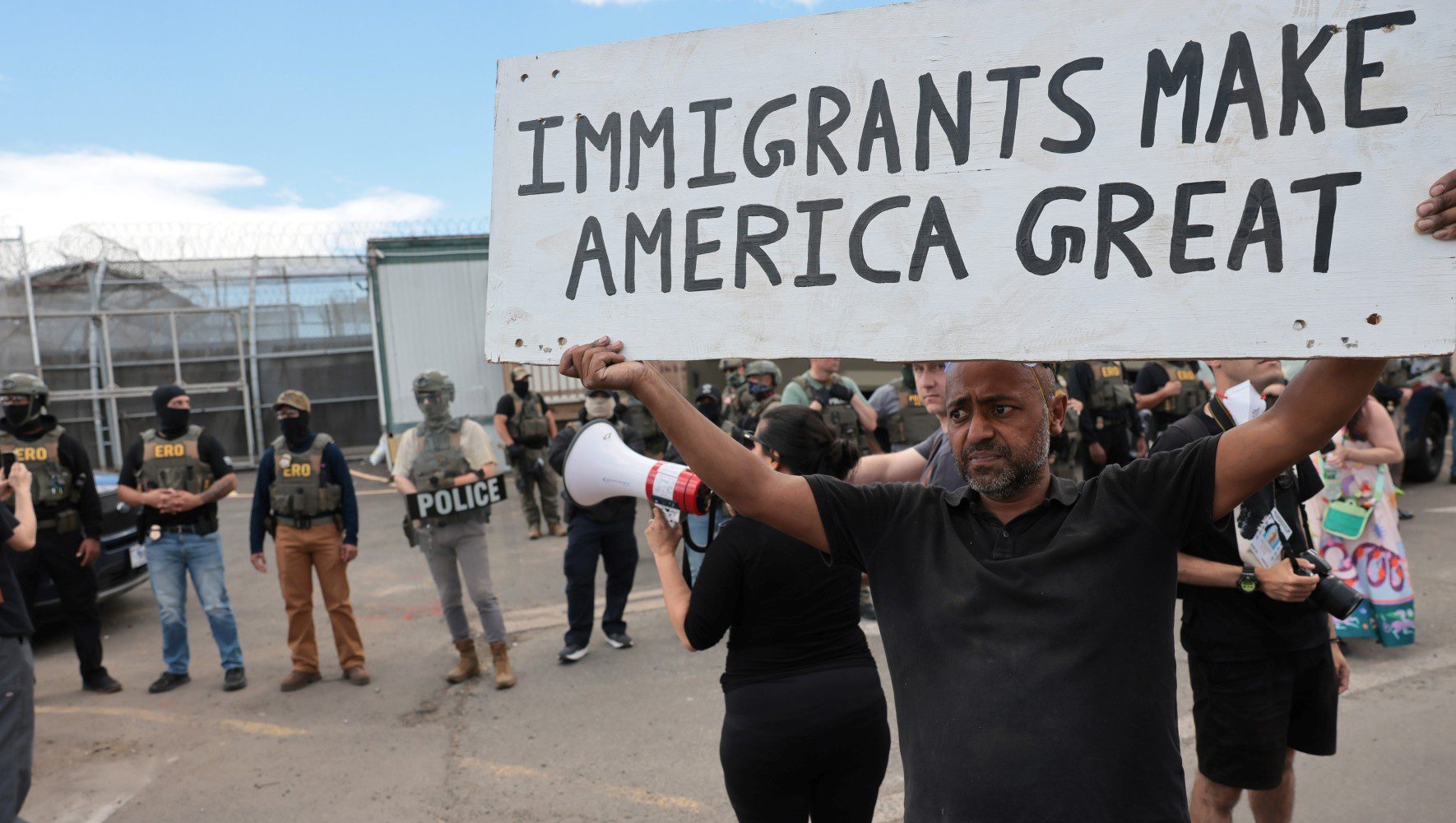
The visual representation of this tension is often stark. Protests outside federal immigration centers, such as the demonstration at Delaney Hall in Newark, New Jersey, on May 28, 2026, where Immigration and Customs Enforcement (ICE) housed detained immigrants, underscore the deep divisions within the country. These events highlight the ongoing conflict between humanitarian concerns and restrictive immigration policies.
The Enduring Call to Action
As the nation commemorates its 250th anniversary, it faces a choice—one that echoes the decisions made by Americans throughout its history. The imperative to stand in solidarity with neighbors and to actively champion the future of a country whose defining characteristic is its diversity has never been more urgent. This is not a moment for complacency; it demands protest, activism, and unwavering support for those in need.
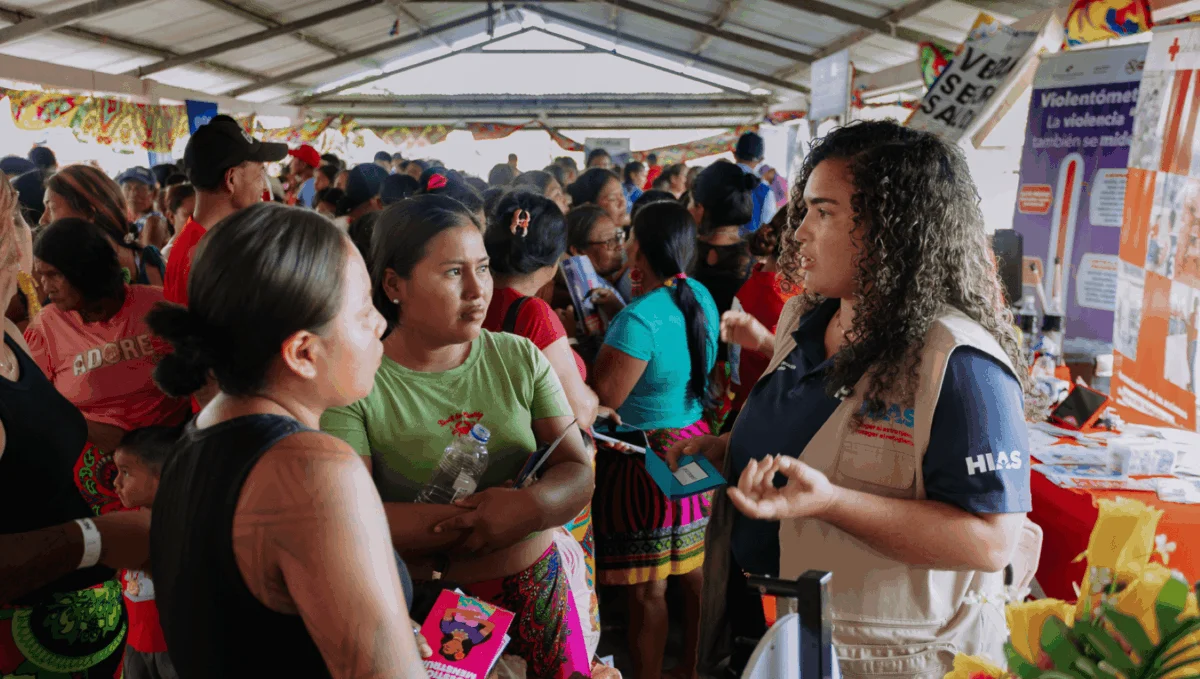
Organizations like HIAS are witnessing this commitment firsthand. Synagogues are providing essential food and care for immigrants within their communities. Volunteers are actively working to protect their neighbors from ICE enforcement actions. Lawyers are dedicating their pro bono time to assist with complex legal paperwork. Advocates are ensuring that elected officials understand the stakes involved. HIAS, in turn, is embracing this fight, serving thousands of immigrants whose lives have been destabilized by fear and uncertainty, and actively challenging harmful policies through legal battles, congressional advocacy, and public awareness campaigns.
The upcoming midterm elections present a critical opportunity to affirm national values and advocate for policies that safeguard immigrants, refugees, and marginalized communities, including Jewish, Muslim, and LGBTQ+ individuals who are currently endangered. The election of candidates who recognize immigration not as a problem to be solved, but as a blessing and an opportunity to be embraced—as it has been throughout generations—is paramount.
Looking Forward: Lessons from History
In this era of frequent disheartening news, the enduring stories of Americans who have fought for the promise of equality over the past 250 years offer invaluable direction and hope. This historical march towards a more inclusive future must continue, and each individual has a role to play.
The midterm elections scheduled for the fall of 2026 are critically important. Voter turnout and engagement will be key to shaping the legislative landscape and ensuring that policies reflect the nation’s historical commitment to welcoming and opportunity. Advocacy groups are focusing on educating the public about the impact of current immigration policies and mobilizing voters to support candidates who champion humane and inclusive approaches.
Data on immigration trends and public opinion further illuminate the contemporary context. For instance, Pew Research Center data from 2025 indicated a significant partisan divide on immigration policy, with Democrats generally favoring more lenient policies and Republicans advocating for stricter enforcement. Such divisions underscore the political challenges in achieving consensus on immigration reform.
Official responses and policy shifts have characterized recent years. The Trump administration, for example, implemented a series of policies aimed at restricting immigration and asylum, which were met with widespread criticism and legal challenges. The subsequent Biden administration has sought to reverse some of these policies, though the complexities of the immigration system and ongoing humanitarian challenges persist. Analysis of these policy shifts reveals a pattern of fluctuating approaches, reflecting the ongoing debate about the nation’s immigration identity.
The broader impact and implications of these debates are far-reaching. They affect not only the lives of immigrants and refugees but also the social, economic, and cultural fabric of the United States. The integration of newcomers has historically led to economic growth, innovation, and a richer cultural landscape. Conversely, exclusionary policies can lead to social fragmentation, economic inefficiencies, and a diminished global standing.
As the nation moves forward, the lessons learned from its 250-year journey—a journey marked by both profound contradictions and persistent aspirations for equality—must guide its path. The ongoing struggle to reconcile its founding ideals with its lived experiences remains central to its identity and its future.
Related News:
Charting More Than 250 Years of U.S. Immigration History
This related article provides a deeper dive into the historical context of immigration in the United States, examining key periods, policy shifts, and the evolving narratives of immigrant communities. It underscores the cyclical nature of welcome and exclusion, offering a comprehensive overview of the forces that have shaped American immigration policy and public perception over centuries.
Give Today
As the world’s oldest refugee agency, HIAS remains steadfast in its commitment to advocating for refugees, regardless of political leadership. For over 120 years, HIAS has provided unwavering support to its clients, a dedication that continues daily. Contributions to HIAS are an investment in ensuring that vulnerable populations receive the assistance and protection they deserve.