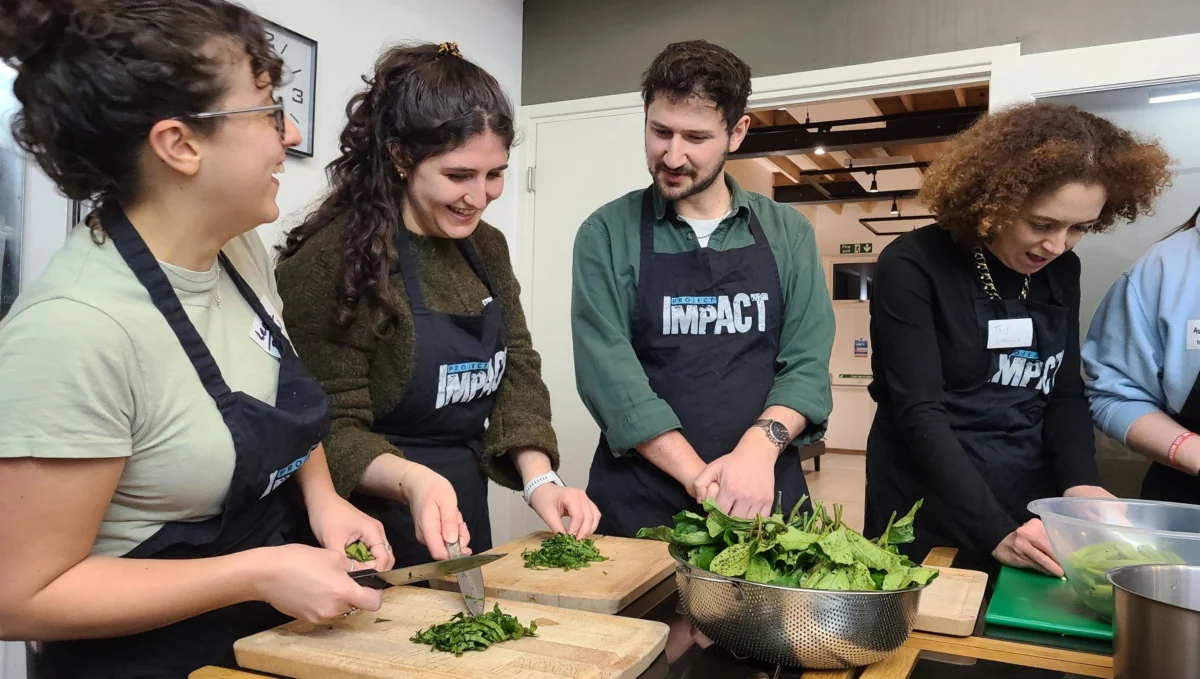
March 31, 2026 – As Jewish communities worldwide prepare to gather for the Passover Seder, a profound question echoes through tradition: "Why is this night different from all other nights?" This year, the question carries an amplified urgency, particularly for HIAS, the Jewish community’s global refugee and resettlement agency. Rabbi-in-Residence Sarah Bassin articulates a powerful message: this night is distinct because of a conscious choice to remain undistracted, to remember, and crucially, to act in solidarity with those forced from their homes. This sentiment is deeply woven into the fabric of the Passover story, a narrative of liberation from oppression, which HIAS argues serves as a vital reminder of the ongoing plight of refugees and immigrants today.
The Seder, a ritual meal commemorating the Israelites’ exodus from slavery in ancient Egypt, is rich with symbolism designed to immerse participants in the experience of displacement. The bitter herbs, known as maror, evoke the bitterness of oppression. Matzah, unleavened bread, symbolizes the haste with which the Israelites fled, having no time for their dough to rise. The dipping of greens in salt water represents the tears shed by those who have lost loved ones and homes. Finally, the act of reclining during the meal signifies the attainment of freedom and security, a state of rest hard-won after immense hardship. These are not mere abstract symbols; they are, as Bassin notes, the very "architecture of displacement itself"—encompassing fear, the desperate act of flight, profound grief, and the tenacious hope for sanctuary.
H2: The Enduring Resonance of the Passover Narrative
The annual recitation of the Haggadah, the text guiding the Seder, is intended to do more than just recount history; it is a pedagogical tool designed to foster deep empathy and understanding. The central commandment, "In every generation, everyone is obligated to see themselves as though they personally left Egypt," transforms the historical narrative into a personal imperative. This directive, Bassin explains, is not merely an exercise in empathy but a profound call to responsibility. It underscores that memory without commensurate action is incomplete, demanding that present generations extend the same compassion and assistance that their ancestors once received.
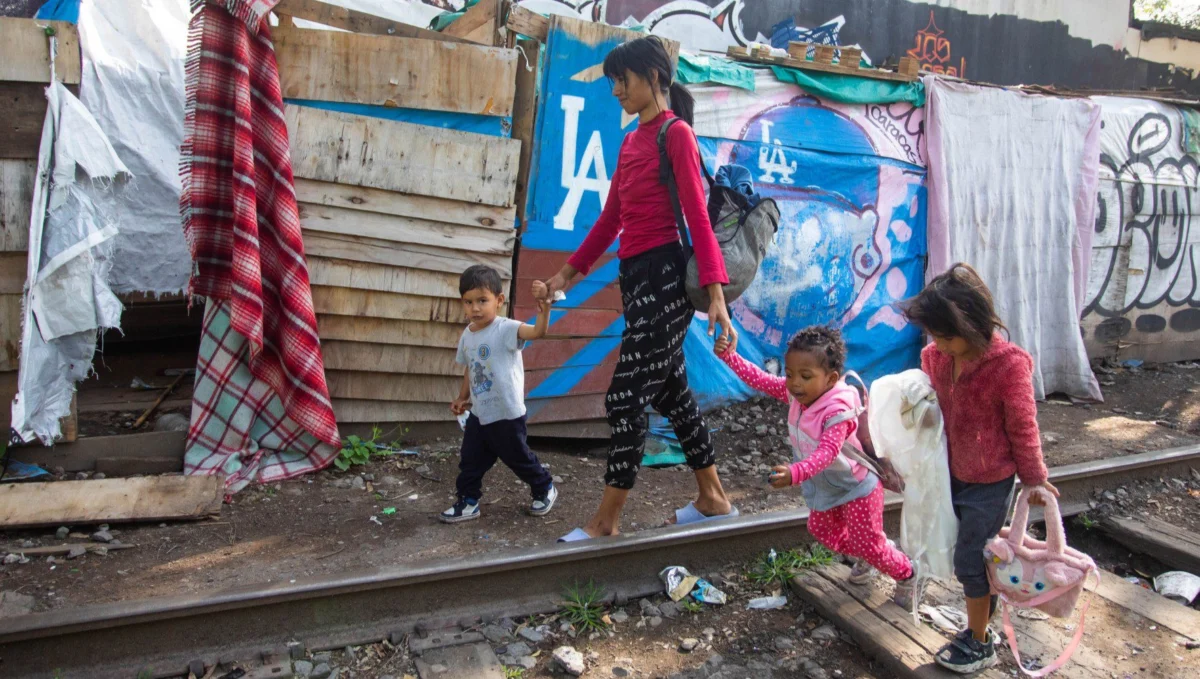
This Passover, the parallels between the ancient Israelite experience and the current global refugee crisis are stark. Families served by HIAS are navigating journeys that echo this historical narrative: mothers crossing borders with children, carrying meager possessions; teenagers in new lands striving to learn new languages and build new lives; asylum seekers experiencing the first tentative moments of safety after years of living in fear. The Haggadah, therefore, serves as a constant reminder that the struggles of the past are not confined to history books but are lived realities for millions today.
H3: Global Displacement: A Statistical Reality
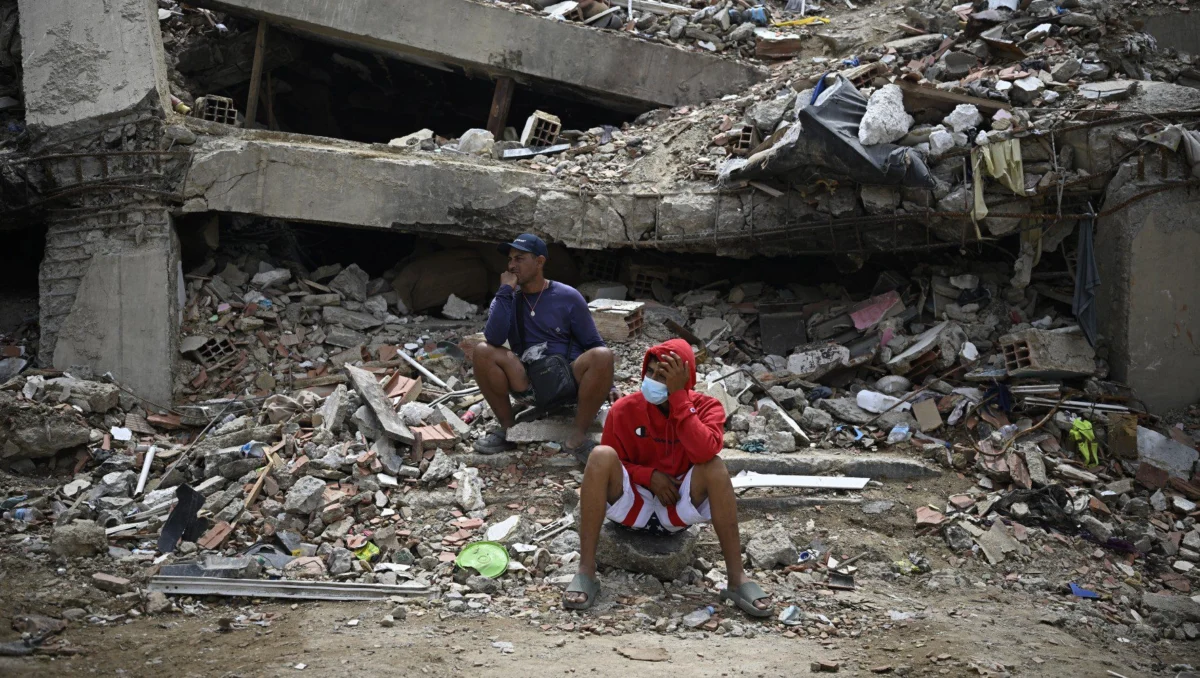
The United Nations High Commissioner for Refugees (UNHCR) reported in mid-2023 that the number of forcibly displaced people worldwide had surpassed 110 million, a figure that has continued to climb. This represents an unprecedented scale of human displacement, driven by a complex interplay of factors including armed conflict, persecution, political instability, and the escalating impacts of climate change. These individuals, like the ancient Israelites, are compelled to leave their homes, often with little more than the clothes on their backs, seeking safety and a chance to rebuild their lives.
The destinations for these displaced individuals are varied, and their reception often depends on the geopolitical landscape and the prevailing attitudes towards immigration and asylum in host countries. While some nations have maintained robust refugee protection systems, others have implemented increasingly restrictive policies, citing security concerns, economic pressures, or political expediency. This creates a challenging environment for organizations like HIAS, which work to advocate for the rights and well-being of refugees and asylum seekers.
H2: HIAS’s Role in Welcoming the Stranger
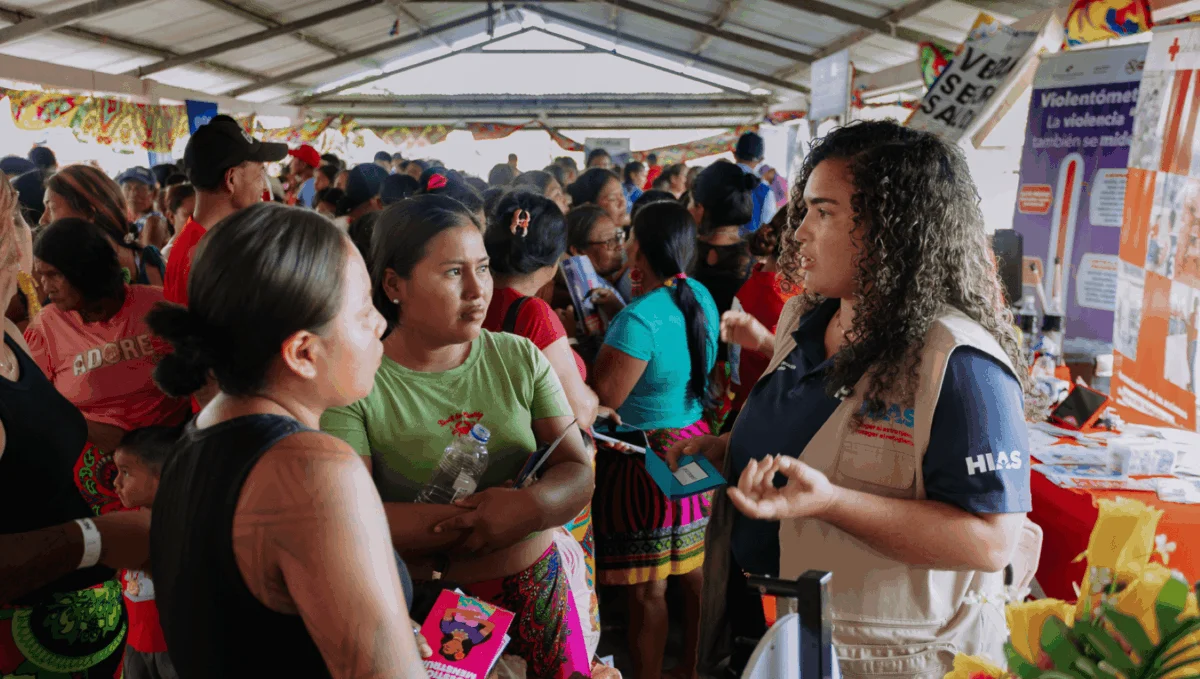
HIAS, founded in 1880 to assist Russian Jewish immigrants fleeing pogroms, has evolved into a leading international organization dedicated to protecting refugees and assisting them to rebuild their lives. Its mission is rooted in the Jewish values of tikkun olam (repairing the world) and pikuach nefesh (the principle of saving a life). By connecting the Passover narrative to contemporary humanitarian needs, HIAS aims to mobilize its community and the broader public to take concrete action.
The organization emphasizes that the current global climate presents significant challenges for refugees and asylum seekers. They face rising xenophobia, shrinking legal protections, and political narratives that often dehumanize and marginalize them. In this context, HIAS’s call to action during Passover is particularly poignant, urging a recommitment to the principle of welcoming the stranger.
H3: The Call to Action: Beyond Symbolism
The message from HIAS is clear: the lessons of Passover are not meant to remain solely within the confines of the Seder table. They are a catalyst for engagement with the world. The organization highlights several ways individuals can translate the spirit of Passover into tangible support for refugees and immigrants. This includes advocating for just and humane immigration policies, supporting organizations that provide direct assistance to displaced populations, and challenging narratives of fear and exclusion with stories of compassion and solidarity.

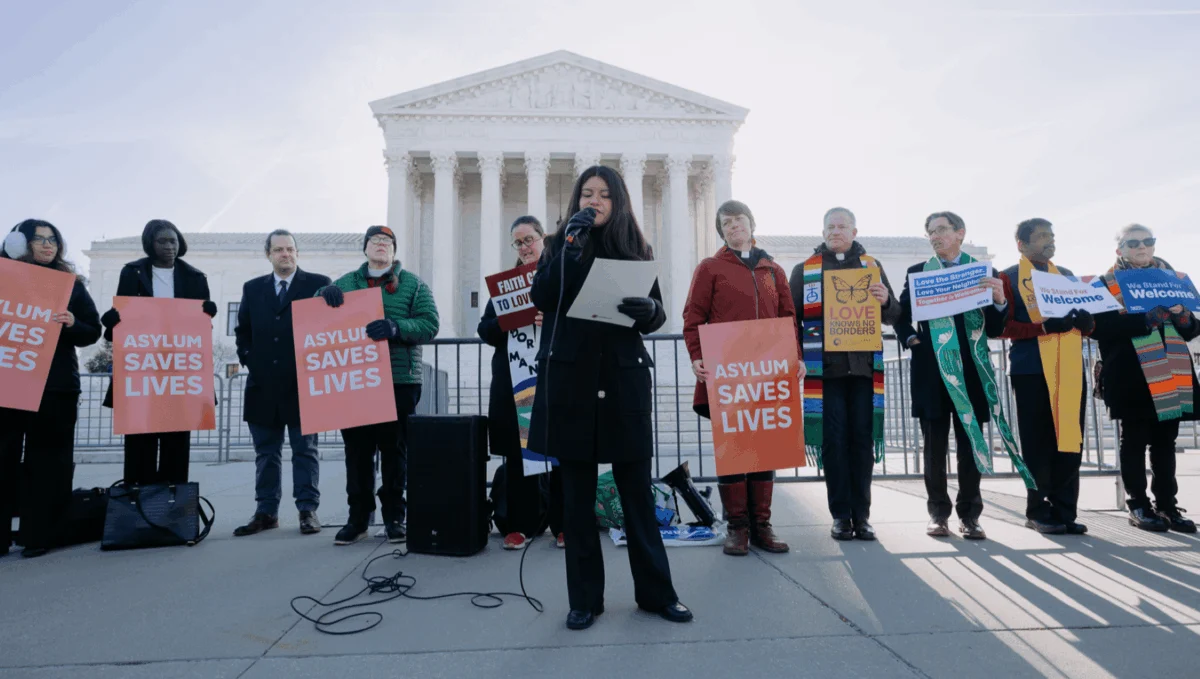
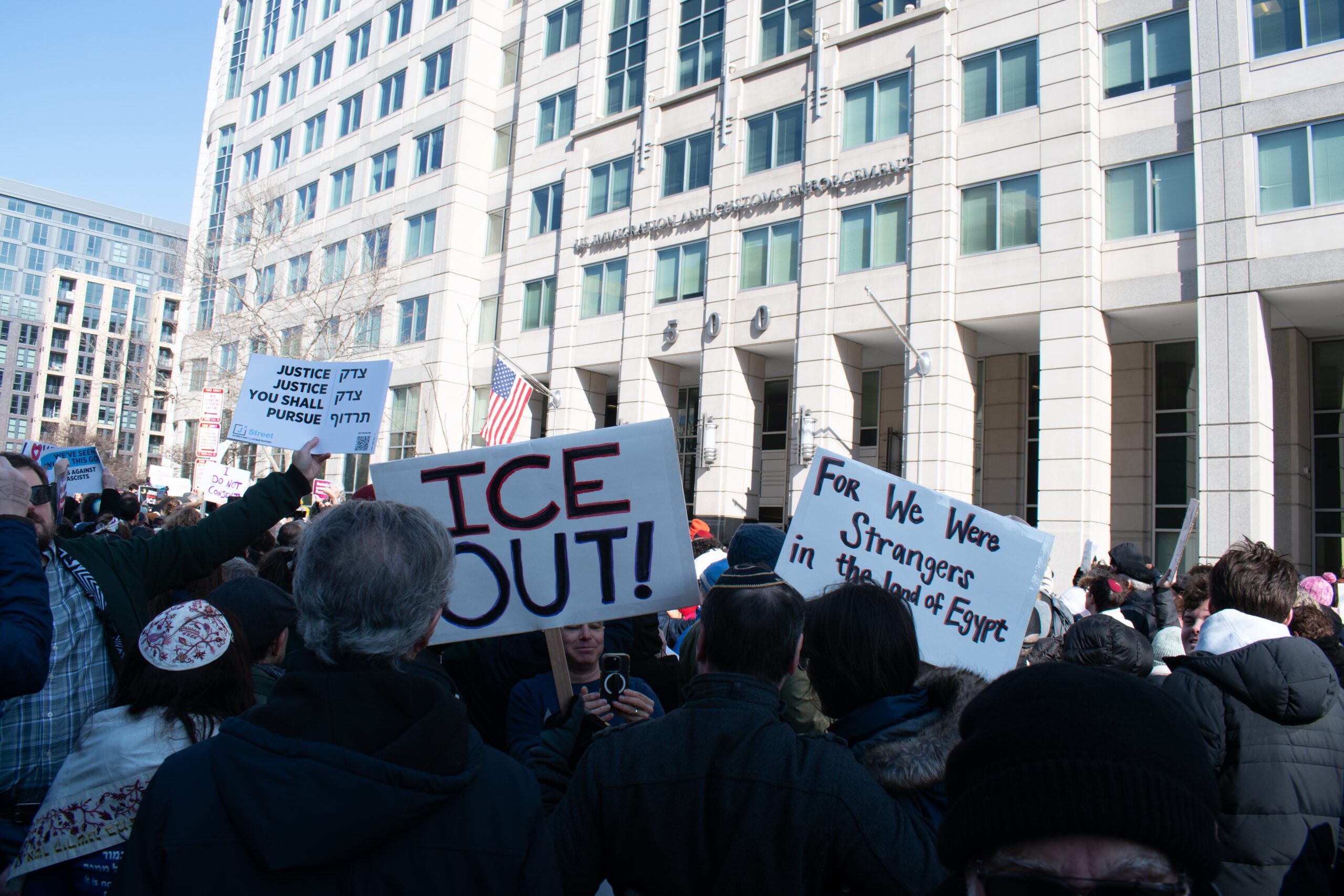
A related news piece from HIAS, titled "Seven Ways You Can Take Action for Immigrants," further elaborates on practical steps individuals can take. These often involve engaging with elected officials, supporting legal aid services for asylum seekers, volunteering time, or donating to organizations on the front lines of refugee assistance. The image accompanying this related content, depicting HIAS supporters rallying outside a courthouse, visually reinforces the idea of active advocacy and public support for refugee rights.
H2: Broader Implications and Future Outlook
The integration of Passover themes with contemporary refugee advocacy by organizations like HIAS serves a dual purpose. Firstly, it reinforces the deep historical and ethical underpinnings of Jewish commitment to refugee protection, grounding contemporary actions in millennia of tradition. Secondly, it provides a compelling framework for engaging a wider audience, leveraging the universal themes of freedom, displacement, and compassion inherent in the Passover story.
The implications of this approach extend beyond the immediate Passover season. By consistently linking religious observance with humanitarian action, HIAS and similar organizations aim to foster a sustained commitment to welcoming and protecting vulnerable populations. The increasing scale of global displacement, exacerbated by geopolitical instability and the climate crisis, suggests that the need for such advocacy and support will only intensify in the coming years.
As the world grapples with the complexities of migration and displacement, the Passover question, "Why is this night different?", offers a profound moral compass. It reminds us that this night is different because it compels us to confront the present realities of displacement, to remember the lessons of our own history, and to choose action over indifference. It is a night when the echoes of ancient liberation should inspire tangible acts of compassion and solidarity for those seeking refuge today, ensuring that the journey from fear to safety, from oppression to freedom, remains a possibility for all. The choice, as HIAS emphasizes, is ours: to be distracted or to act, to choose fear or to choose compassion, and in doing so, to make this night, and every night, different.