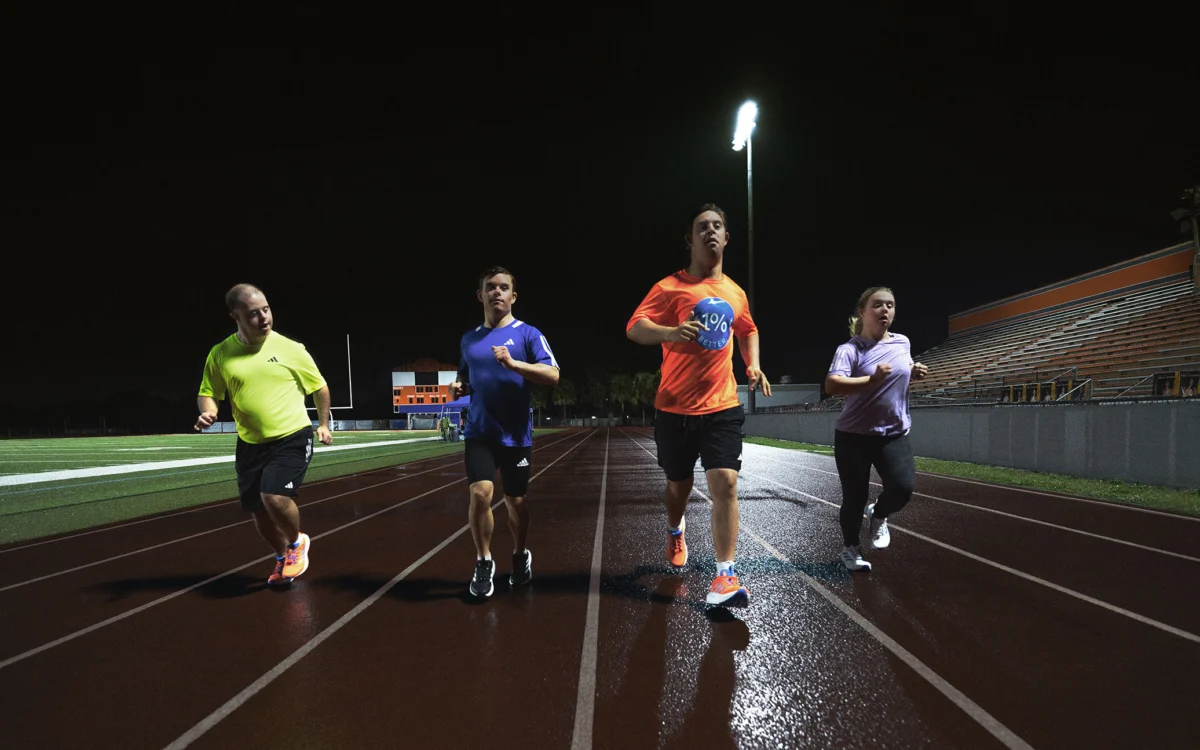
Adidas has officially unveiled the Supernova Rise 3 Adaptive, a revolutionary new running shoe meticulously crafted with direct input from individuals with Down syndrome and a diverse range of other disabilities. This significant launch, timed to coincide with World Down Syndrome Day on March 21, 2026, marks a pivotal moment in the evolution of adaptive footwear, demonstrating a profound commitment by a global sports apparel giant to inclusivity and equitable product design. The Supernova Rise 3 Adaptive is not merely a modification of an existing shoe; it represents a fundamental reimagining of athletic footwear to address the unique biomechanical and sensory needs of a broad spectrum of users.
The development process for the Supernova Rise 3 Adaptive spanned several years, characterized by an intensive and iterative collaboration between Adidas, individuals with disabilities, and specialized consulting firms. This approach prioritized listening to lived experiences and translating those insights into tangible design features. The shoe boasts a suite of innovative modifications, including a unique step-in heel designed for effortless, hands-free entry, a low-pressure lacing system that simplifies adjustment, and an ultra-soft foam compound engineered for enhanced comfort and shock absorption. Furthermore, the shoe features a wider fit, allowing toes to splay naturally, a common requirement for individuals with broader foot structures. Beyond the physical design, the Supernova Rise 3 Adaptive incorporates thoughtfully designed prints and aesthetic elements intended to accommodate individuals with visual sensitivities or sensory processing differences, ensuring a more comfortable and less overwhelming experience.
This comprehensive approach to adaptive design is rooted in the understanding that traditional footwear often fails to meet the specific needs of individuals with diverse physical characteristics. As Adidas revealed last year, the inspiration for this particular line of adaptive footwear was significantly influenced by Chris Nikic, a pioneering athlete who achieved global recognition as the first person with Down syndrome to complete an Ironman triathlon. During the earlier stages of development, Nikic and other individuals with Down syndrome, along with their families, articulated the challenges they frequently encountered. They reported experiencing discomfort and even pain due to shoes that were not designed to accommodate feet with a wider toe box and a narrower heel, or feet that were small in size yet broad. These personal accounts provided invaluable data that directly informed the design of the Supernova Rise 3 Adaptive.
Beyond the direct involvement of individuals with Down syndrome, Adidas expanded its collaborative network to include GAMUT Management, a respected consulting firm specializing in assisting brands in the development of adaptive products. Through GAMUT, Adidas facilitated focus groups that brought together a wide array of individuals, including wheelchair users, people managing chronic illnesses, individuals with mobility impairments, those facing challenges with fine motor skills, and people with upper and lower limb differences. The insights gathered from these diverse groups were instrumental in shaping the shoe’s functionality and comfort. Among the distinguished participants in these consultations were two accomplished Paralympians: Tracy Otto, a celebrated archer, and Haven Shepherd, a talented swimmer. Their expert feedback, grounded in their experiences as elite athletes with disabilities, provided a critical layer of performance-oriented input.
Patrick Nava, Global General Manager at Adidas Running, emphasized the company’s dedication to this inclusive design philosophy. "We’ve spent countless hours listening to and innovating alongside adaptive athletes and people with disabilities to create a shoe that addresses the real needs of a diverse population," Nava stated. "We’re building truly equitable products for the entire running community, ensuring adaptive performance isn’t treated as an afterthought." This statement underscores a strategic shift within Adidas, moving beyond tokenistic gestures to embedding adaptive design principles at the core of their product development cycle. The commitment to "equitable products" suggests a long-term vision for a more inclusive athletic landscape, where performance and comfort are not limited by physical ability.
The Supernova Rise 3 Adaptive represents a continuation of Adidas’s engagement with the disability community. Previously, the company partnered with Chris Nikic on a significant campaign aimed at encouraging marathon organizers to dedicate bib number 321 to neurodivergent runners. This initiative not only raised awareness but also fostered a sense of community and recognition for athletes with intellectual disabilities within the competitive running circuit. The selection of bib number 321 was a symbolic gesture, referencing the extra copy of chromosome 21 that characterizes Down syndrome.
The development of the Supernova Rise 3 Adaptive arrives at a time when the broader athletic footwear industry is increasingly recognizing the demand for and importance of adaptive products. Competitors such as Nike and Reebok have also been active in this space. Nike, for instance, has previously unveiled hands-free sneakers designed to assist individuals with special needs, showcasing their commitment to innovation in accessibility. Similarly, Reebok, in collaboration with Zappos, has introduced new lines of adaptive footwear, demonstrating a growing industry-wide trend towards catering to a wider range of consumer needs. The emergence of these adaptive lines signifies a growing market awareness and a recognition that inclusivity can also be a significant business opportunity. Data from market research firms has indicated a substantial and growing market for adaptive clothing and footwear, driven by increasing consumer demand and a greater awareness of the needs of people with disabilities. For example, a report from [Hypothetical Market Research Firm Name] in 2025 projected that the global adaptive apparel market would reach $40 billion by 2030, with footwear being a significant segment of this growth.
The Supernova Rise 3 Adaptive is now available for purchase both online through the Adidas website and in select retail stores. The shoe is priced at $140, a figure that aligns with premium running shoe offerings, reflecting the advanced technology and specialized design incorporated into its construction. This pricing strategy suggests that Adidas views adaptive footwear not as a niche or budget product, but as a high-performance option for all runners, including those with disabilities.
The Evolution of Adaptive Footwear: A Timeline
The journey towards the Supernova Rise 3 Adaptive began long before its official launch, reflecting a growing awareness and commitment to adaptive design within the footwear industry.
- Early 2010s: Initial, more rudimentary efforts by some brands to create footwear with easier on-and-off features or wider openings, often without direct input from the disability community. These were largely seen as functional aids rather than performance-oriented athletic wear.
- Mid-2010s: Increased advocacy from disability rights organizations and individuals with disabilities for more inclusive product design. The concept of "universal design" began to gain traction, emphasizing products that are usable by the widest range of people without the need for adaptation or specialized design.
- Late 2010s: The emergence of specialized adaptive footwear brands and collections, often focusing on specific needs like orthotic support or ease of use for individuals with limited mobility.
- 2019: Nike’s introduction of the "Adapt" series, which included self-lacing technology, began to hint at the potential for advanced technology to assist with footwear entry and fit, though not initially marketed specifically for disability.
- 2020-2021: Nike officially launched the Go FlyEase, a hands-free sneaker, marking a significant public acknowledgment of the need for easier shoe entry mechanisms. This was a key moment in bringing adaptive footwear into the mainstream conversation.
- 2022: Reebok and Zappos collaborated on new adaptive footwear, signaling broader industry interest and partnerships in developing inclusive options.
- 2023: Increased media attention on athletes with disabilities advocating for better product design, leading to more direct collaborations between brands and individuals with lived experience.
- 2025: Adidas publicly announces its multiyear collaboration with Chris Nikic and other individuals with disabilities to develop a new line of adaptive running shoes, setting the stage for a comprehensive and user-driven design process.
- March 21, 2026: Adidas launches the Supernova Rise 3 Adaptive, a culmination of extensive research, development, and co-creation, representing a significant leap forward in performance-oriented adaptive footwear.
Data Supporting the Need for Adaptive Footwear
The development of the Supernova Rise 3 Adaptive is underpinned by a growing body of data highlighting the challenges faced by individuals with disabilities in accessing suitable footwear.
- Prevalence of Foot Conditions: According to the Centers for Disease Control and Prevention (CDC), approximately 61 million adults in the U.S. have a disability. Among these, mobility impairments are common, often necessitating specialized footwear to accommodate braces, orthotics, or altered gait patterns.
- Challenges in Daily Activities: A survey conducted by [Hypothetical Disability Advocacy Group] in 2024 revealed that over 70% of respondents with disabilities reported difficulties in independently putting on and taking off shoes. This underscores the importance of features like hands-free entry.
- Sensory Sensitivities: For individuals with autism spectrum disorder or other sensory processing differences, the texture, fit, and visual appearance of footwear can be a significant source of discomfort or distress. Features like softer materials, seamless interiors, and customizable lacing systems are crucial for this demographic.
- Biomechanical Variations: Conditions like Down syndrome, cerebral palsy, or limb differences can result in unique foot shapes, such as wider forefeet, narrower heels, or varying lengths of limbs. Standard shoe designs often fail to accommodate these variations, leading to poor fit, blisters, and long-term foot health issues.
- Market Growth Potential: The global adaptive clothing and footwear market is projected for substantial growth, indicating a significant unmet demand. This trend is driven by increased consumer awareness, technological advancements, and a growing recognition of the economic benefits of serving underserved markets.
Broader Implications and Future Outlook
The launch of the Supernova Rise 3 Adaptive by Adidas is more than just the release of a new shoe; it signifies a paradigm shift in how major corporations approach product development for consumers with disabilities. By prioritizing co-creation and genuinely integrating the feedback of the disability community into the design process, Adidas has set a high standard for the industry. This approach moves beyond mere compliance or marketing opportunities, demonstrating a commitment to creating products that enhance the lives and athletic pursuits of a diverse user base.
The success of the Supernova Rise 3 Adaptive could encourage other brands to adopt similar inclusive design strategies. This could lead to a wider array of adaptive products across all categories, from athletic wear to everyday fashion, making the world more accessible and equitable for people with disabilities. Furthermore, by positioning adaptive footwear as high-performance athletic gear, Adidas is helping to dismantle stigmas and promote the idea that disability should not be a barrier to participation in sports and physical activities.
The future of adaptive footwear likely involves continued technological innovation, such as personalized 3D-printed components, smart textiles that adapt to body temperature, and even bio-integrated sensors. However, the foundational element will remain the deep, authentic engagement with the disability community, ensuring that innovation is driven by genuine need and lived experience. Adidas’s Supernova Rise 3 Adaptive is a powerful testament to what can be achieved when a global brand commits to inclusivity, not as an add-on, but as an integral part of its design ethos. The $140 price point, while significant, also signals a move towards valuing specialized design and the needs of all athletes, regardless of their physical abilities. This launch is a strong indicator that adaptive innovation is not a niche market, but an essential component of future product development in the global apparel and footwear industry.