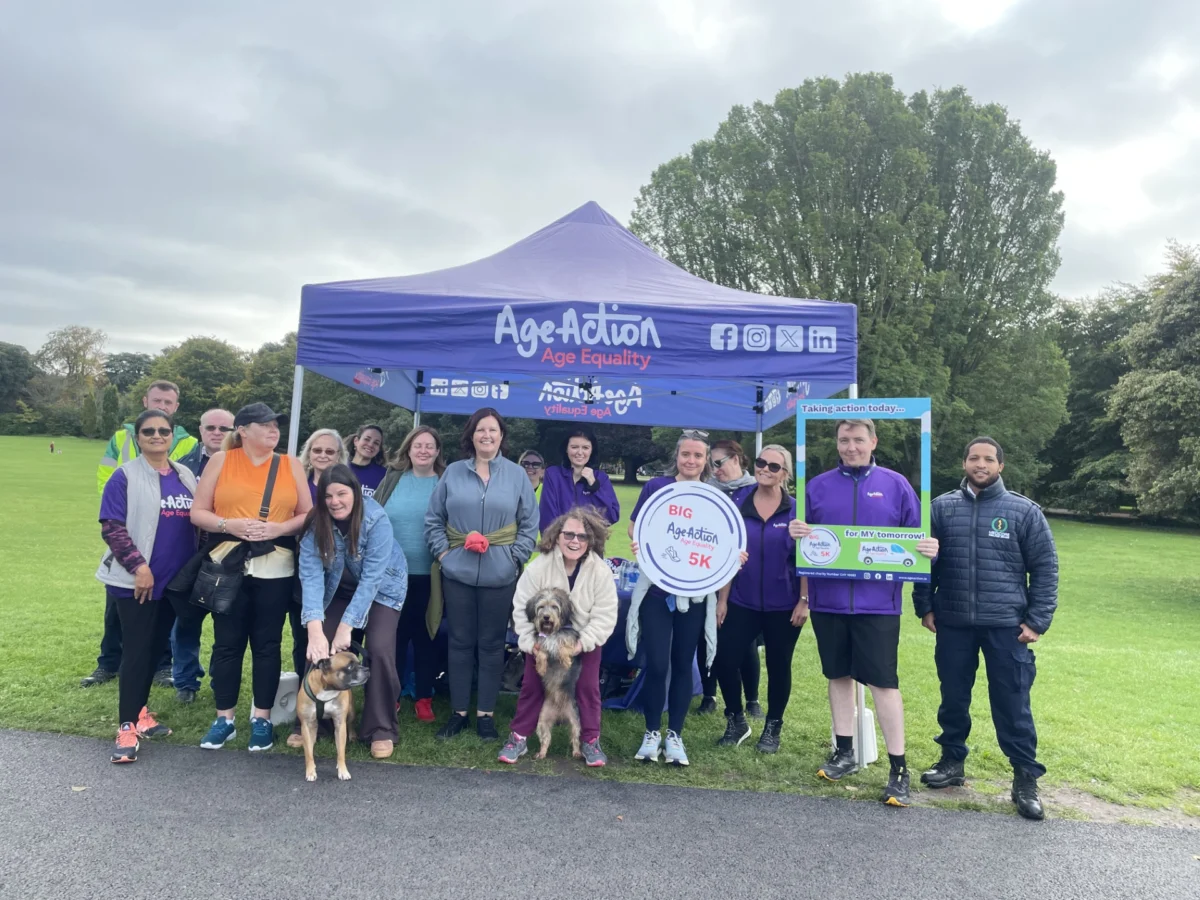
In a significant move to reshape the landscape of civic engagement and legislative influence for Ireland’s aging population, Age Action and the Irish Senior Citizens Parliament (ISCP) have announced a comprehensive nationwide consultation process. This initiative is designed to investigate and implement new strategies for amplifying the voices of older people within the corridors of power, ensuring that public policy is not merely designed for them, but informed directly by their lived experiences and perspectives. The collaboration marks a pivotal moment in Irish social advocacy, seeking to bridge the gap between grassroots concerns and high-level decision-making processes.
The consultation, which is being facilitated by the independent consultancy Mosaic Social Impact, invites a broad spectrum of participants to contribute, including older persons, community-based organizations, dedicated advocates, and any stakeholders with a vested interest in the future of aging in Ireland. By centralizing the feedback of those most affected by age-related legislation, the organizations aim to create a more inclusive democratic framework where the "silver generation" serves as a primary architect of the policies that govern their lives.
The Strategic Necessity of the Consultation
The decision to launch this extensive inquiry comes at a time when Ireland’s demographic profile is undergoing a rapid and permanent shift. According to data from the Central Statistics Office (CSO), the number of people aged 65 and over in Ireland is projected to increase significantly over the next two decades. By 2041, it is estimated that nearly one-quarter of the Irish population will be in this age bracket. This demographic transition presents both challenges and opportunities for the state, necessitating a robust policy framework that addresses everything from pension sustainability and healthcare infrastructure to digital literacy and urban planning.
Age Action and the ISCP argue that while older people are often discussed in policy documents, they are frequently sidelined in the actual formulation of these strategies. The current consultation seeks to rectify this imbalance. By gathering qualitative and quantitative data through a structured survey and direct telephone engagement, the organizations intend to produce a roadmap for advocacy that reflects the modern reality of aging in Ireland.
Methodology and Public Engagement
To ensure the integrity and objectivity of the data collected, the organizations have recruited Mosaic Social Impact to manage the consultation process. Mosaic is a specialist consultancy known for its work in evaluating social value and facilitating stakeholder engagement for non-profit and public sector entities. Their involvement ensures that the feedback gathered is analyzed through a professional lens, providing a solid evidence base for future lobbying efforts.
The engagement process has been designed with accessibility at its core, recognizing that different segments of the older population have varying levels of comfort with technology. Participants can share their views through an online portal at the Mosaic Social Impact website or, crucially, through a dedicated telephone line (01 203 0737). This multi-channel approach is a deliberate effort to combat digital exclusion, a significant barrier for many older citizens when interacting with state and NGO services.
The consultation period is notably extended, remaining open until Friday, 19 September 2025. This long-term window allows for a deep dive into the nuances of aging across different regions of Ireland, from isolated rural communities to rapidly expanding urban centers. It also provides ample time for community groups and advocacy networks to organize focus groups and collective responses.
Profiles of the Lead Organizations
The partnership between Age Action and the Irish Senior Citizens Parliament brings together two of the most influential voices in Irish elderly advocacy.
Age Action, established in 1992, has long been Ireland’s leading advocacy organization for older people and aging. Its mission is to achieve fundamental change in how the state treats its older citizens, focusing on themes such as equality, dignity, and the realization of human rights. The organization provides a range of services, including the "Getting Started" computer training program and the "Care and Repair" service, but its primary impact is often felt in its rigorous policy analysis and public campaigning.
The Irish Senior Citizens Parliament (ISCP) serves as a representative body for older people’s organizations across the country. It is a non-party political organization that works to promote the interests of older people through a democratic structure. The ISCP’s strength lies in its ability to mobilize its member organizations—which include pensioner associations, credit unions, and social clubs—to provide a unified front on issues like the state pension and the fuel allowance.
By combining Age Action’s policy expertise with the ISCP’s broad representative base, the consultation is positioned to capture a truly representative cross-section of the Irish public.
Key Policy Pillars Under Scrutiny
While the consultation is open-ended to allow for emerging issues, several key policy areas are expected to dominate the discourse. These represent the most pressing concerns currently facing older people in Ireland.
Income Security and Pension Reform
The sustainability of the state pension remains a perennial concern. With the cost of living rising and the ratio of workers to retirees shifting, older people are increasingly worried about their financial independence. The consultation will likely seek views on the adequacy of current pension rates and the complexities of the "Total Contributions Approach."
Healthcare and Home Care Support
As the government continues the rollout of Sláintecare—Ireland’s ten-year plan for health reform—the voice of the older person is vital. Issues such as the statutory home care scheme, wait times for elective surgeries, and the availability of primary care in rural areas are central to "aging in place," a policy goal that seeks to keep people in their homes for as long as possible.
Housing and Universal Design
The current housing crisis in Ireland also impacts older people, many of whom are living in homes that are no longer suitable for their mobility needs. The consultation will explore the demand for "right-sizing" options and the implementation of universal design principles in new housing developments to ensure that the built environment is age-friendly.
Digital Inclusion and the "Digital-by-Default" Trend
As more government services move online, from driving license renewals to social welfare applications, a significant portion of the older population feels left behind. The consultation aims to quantify the impact of this digital divide and advocate for "meaningful choice" in how citizens interact with the state.
Supporting Data: The Context of Aging in Ireland
The urgency of this consultation is underscored by recent data. The 2022 Census revealed that the number of people aged 65 and over grew by 22% since 2016, a rate significantly higher than the overall population growth. Furthermore, the number of people aged 85 and over increased by 25%.
Economic data also highlights vulnerabilities. Research from organizations like ALONE and the Vincentian Foundation has frequently pointed out that older people living alone are at a higher risk of "energy poverty" and social isolation. According to the Survey on Income and Living Conditions (SILC), while the general poverty rate has fluctuated, specific cohorts of older people remain precariously close to the poverty line, particularly those reliant solely on the state pension in the private rental sector.
Chronology of Advocacy and Future Milestones
The launch of this consultation is the latest step in a long history of advocacy for older persons in Ireland.
- 2013: The National Positive Ageing Strategy was published, providing a blueprint for making Ireland a better place to grow old. However, advocates have frequently criticized the lack of an implementation plan and dedicated funding.
- 2020-2022: The COVID-19 pandemic highlighted the vulnerabilities of older people, particularly those in residential care, sparking a national conversation about the rights of the elderly.
- 2024: The announcement of the Age Action/ISCP consultation marks a move toward a more formalized, data-driven approach to advocacy.
- September 2025: The closure of the survey will lead to a period of data synthesis and the publication of a final report.
- 2026 and Beyond: The findings are expected to form the basis of a manifesto for the older population ahead of future general elections.
Analysis of Potential Implications
The results of this consultation could have far-reaching implications for the Irish political system. If the data shows a significant consensus on specific issues—such as the need for a dedicated Department for Older People or a constitutional amendment to protect the rights of the elderly—it will put immense pressure on political parties to include these measures in their manifestos.
Furthermore, the move toward a more structured "voice" for older people aligns with international trends. The United Nations and the World Health Organization (WHO) have long advocated for the "active participation" of older persons in society. By formalizing this voice, Ireland has the opportunity to become a leader in age-friendly governance within the European Union.
There is also a significant economic dimension. The "Silver Economy"—the economic activity generated by the needs of people aged 50 and over—is a growing force. Policies that support the health, mobility, and financial security of older people are not just social imperatives but economic ones, as they enable older citizens to continue contributing to their communities through volunteerism, consumer spending, and intergenerational support.
Call to Action and Participation
Age Action and the ISCP have emphasized that the success of this initiative depends entirely on the level of public participation. They are calling on family members to assist older relatives with the survey and for community groups to facilitate discussions.
"We want to hear from as many older people as possible," the organizations stated in their joint announcement. "This is about creating a better future for all of us as we age. The perspectives gathered here will be the foundation of our work for years to come."
As the deadline of September 2025 approaches, the focus will remain on ensuring that the diverse experiences of Ireland’s older population—from the active retiree to the person requiring high-level support—are captured accurately. The resulting data will likely serve as a definitive record of the needs and aspirations of a generation that has built modern Ireland and now seeks to ensure its place within its future.