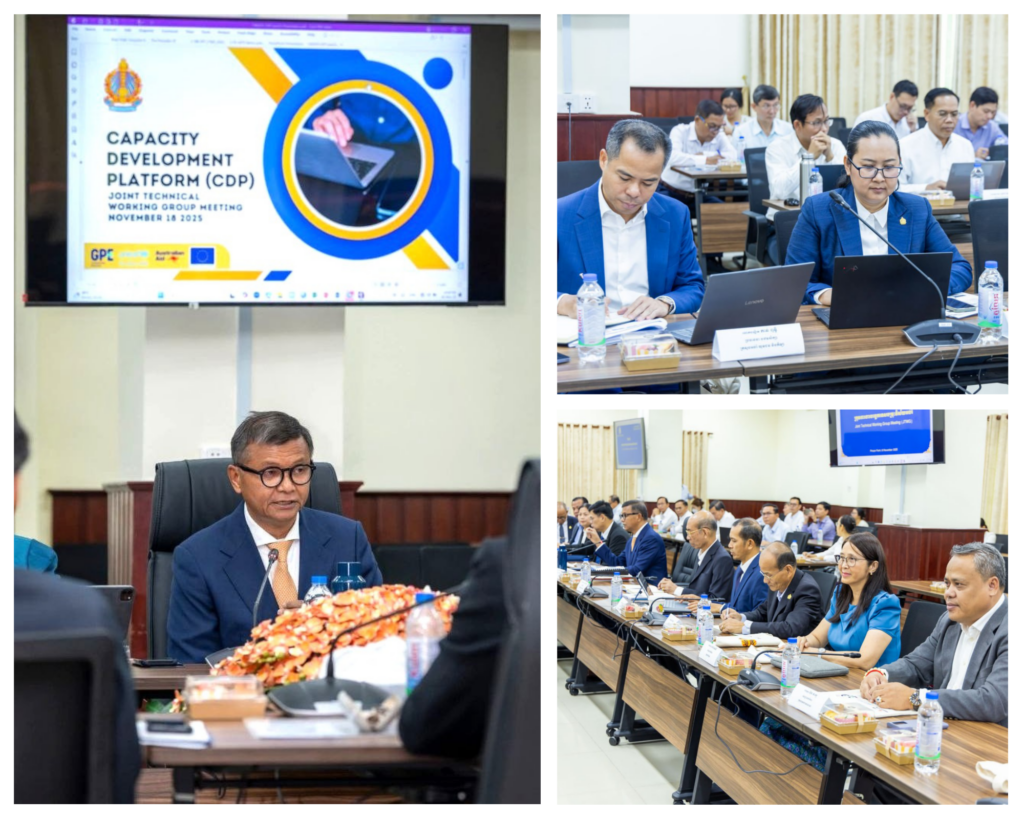
In a landmark move for the Kingdom’s education sector, the Ministry of Education, Youth, and Sport (MoEYS), in close coordination with UNICEF and World Education, officially launched the Capacity Development Platform (CDP) in November 2025. This digital initiative represents a fundamental shift in how the nation approaches the professional development of its teaching workforce, providing a centralized, accessible, and high-quality digital ecosystem for educators across all 25 provinces. Funded by a consortium of international partners, including the Global Partnership for Education (GPE), the European Union (EU), and the Australian Department of Foreign Affairs and Trade (DFAT), the CDP is designed to bridge the digital divide and ensure that even the most remote educators have the tools necessary to meet modern pedagogical standards.
The launch of the CDP is not merely a technological update but a systemic transformation of Cambodia’s teacher training framework. For decades, teacher professional development in the region relied heavily on in-person workshops, which often faced logistical challenges, particularly in reaching rural areas. The new platform centralizes these resources, allowing teachers to access training modules, earn professional development credits, and upgrade their formal qualifications through a sophisticated blended learning model. By integrating this platform into the existing national education infrastructure, the MoEYS has established a sustainable pathway for lifelong learning among its civil servants.
A Chronology of Collaborative Development
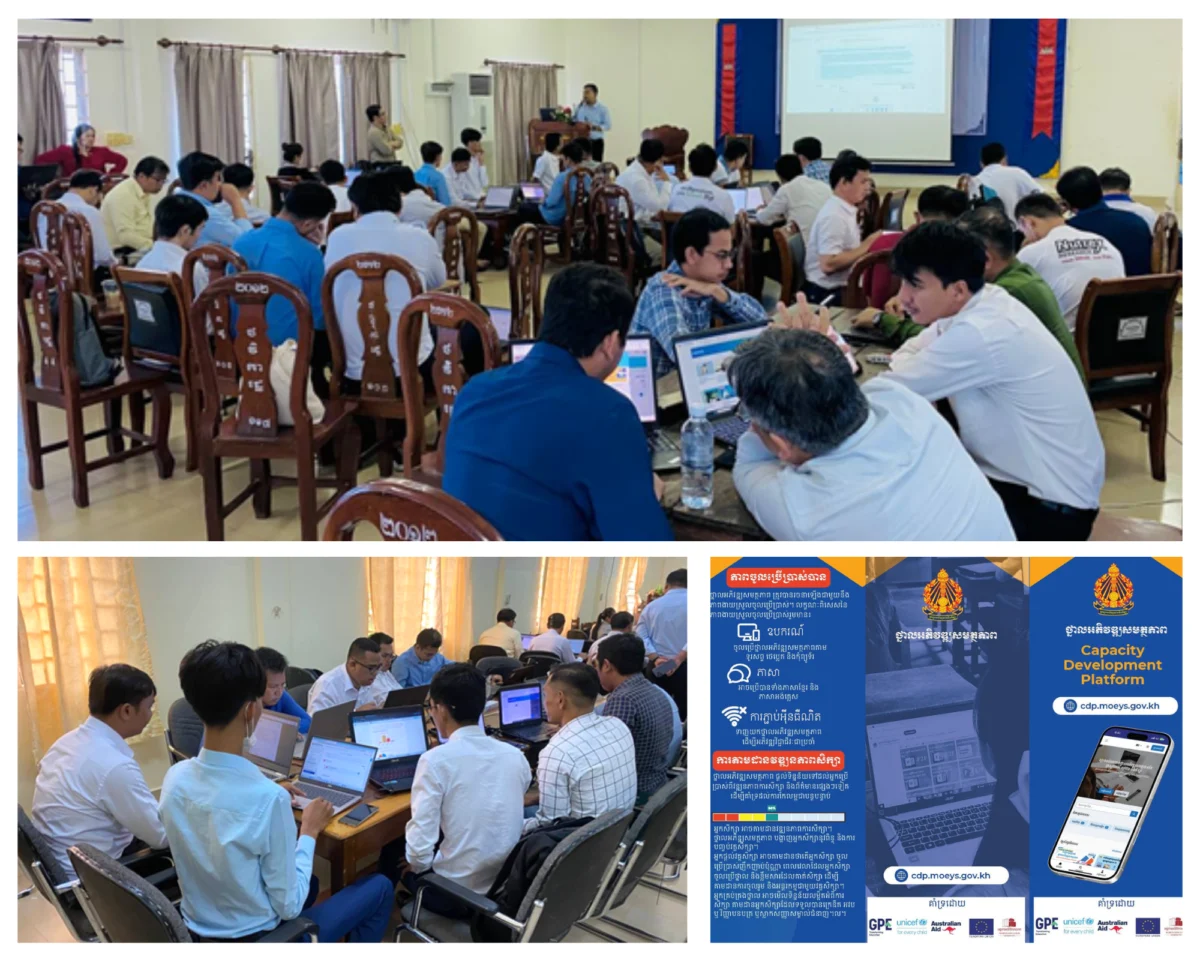
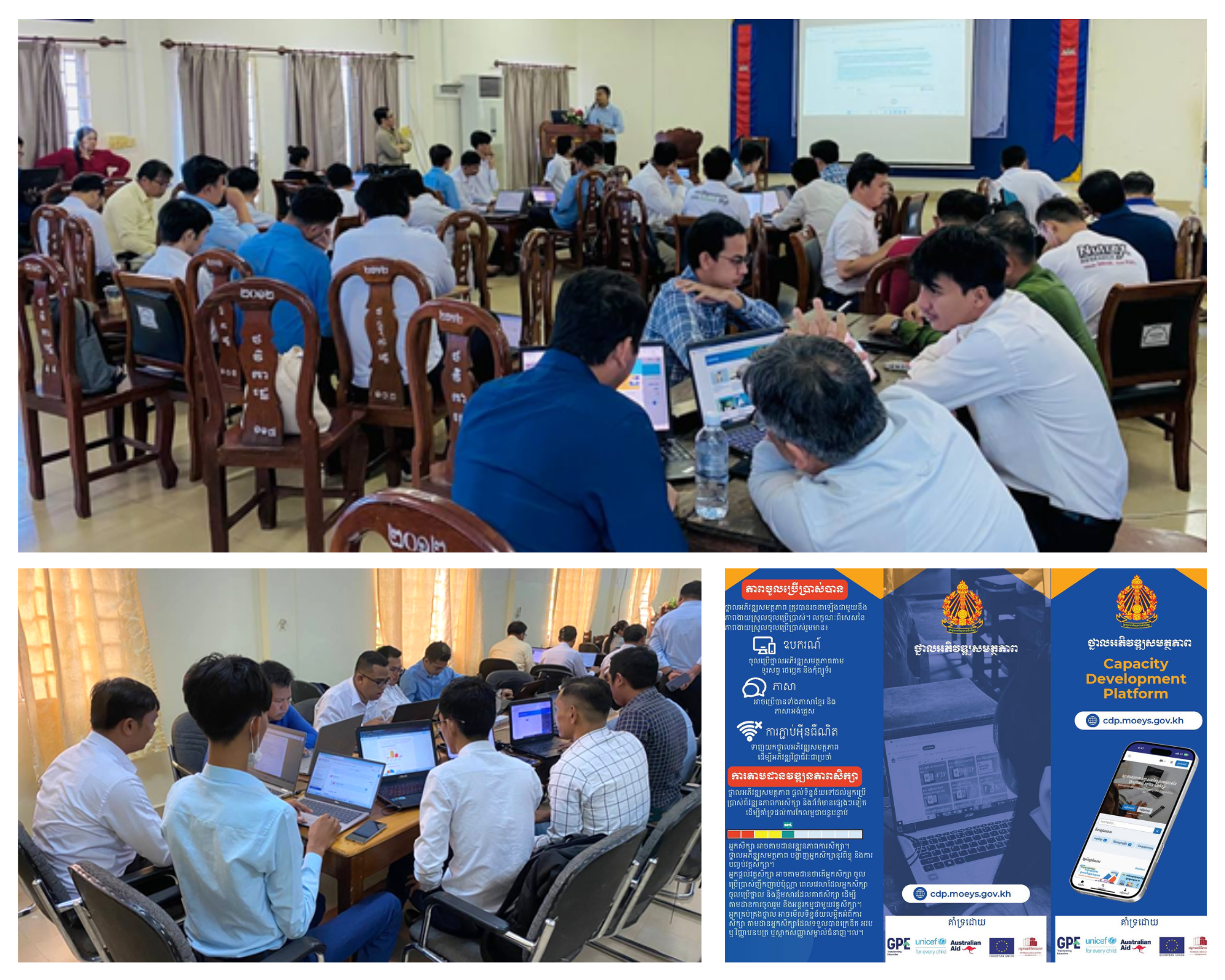
The realization of the Capacity Development Platform was the result of years of strategic planning and a rigorous co-design process. While the official launch took place in late 2025, the groundwork was laid much earlier through intensive stakeholder consultations and technical workshops. In May 2025, a series of pivotal capacity-building sessions were held on the 5th, 6th, 19th, and 20th, involving MoEYS staff, technical experts, and frontline educators. These workshops served as a testing ground for the platform’s interface and content, ensuring that the final product would be fit for purpose.
World Education, an initiative of JSI, played a central role in this development phase. Adopting a human-centered design approach, the organization worked to ensure that the platform addressed the specific lived realities of Cambodian teachers. This included accounting for varying levels of digital literacy and the diverse technological environments found across the country. The transition from design to implementation was marked by a deliberate transfer of ownership; once the platform was operational, technical and security management was handed over to the MoEYS Department of Digital Transformation. This transition was supported by specialized training to ensure the government could independently maintain and scale the system in the years to come.
Technical Architecture for Rural Accessibility
One of the most significant challenges in implementing a national digital platform in Cambodia is the disparity in internet connectivity and hardware access. To address this, the CDP was engineered with a "smartphone-first" philosophy. Recognizing that many teachers in rural districts may not have access to high-end laptops or stable high-speed broadband, the platform was optimized for low-bandwidth environments.
The technical architecture allows for offline access to certain modules, ensuring that learning is not interrupted by intermittent connectivity. The user interface was designed to be intuitive, minimizing the learning curve for educators who may be less familiar with digital learning management systems (LMS). By prioritizing accessibility, the MoEYS and its partners have ensured that the CDP does not inadvertently widen the gap between urban and rural education quality, but rather acts as a leveling force.
Supporting Data and Early Adoption Success
The impact of the CDP was felt almost immediately following its rollout. Preliminary data indicates a rapid adoption rate among the national teaching force, reflecting a strong demand for digital professional development tools.
- User Registration: Since its inception, more than 44,000 users have registered on the platform, representing a significant portion of the country’s primary and secondary teaching staff.
- Course Enrollment: Over 23,000 educators have already enrolled in accredited courses.
- Curriculum Breadth: The platform currently hosts a diverse portfolio of training modules, with a specific focus on high-priority areas such as early grade reading and Information and Communication Technology (ICT) for teaching and learning.
- Accreditation: Crucially, the platform is linked to the national career progression system, meaning that the credits earned through the CDP have tangible benefits for a teacher’s professional standing and salary increments.
These figures underscore the platform’s role as a cornerstone of the MoEYS’s Education Strategic Plan. By quantifying teacher progress through digital records, the Ministry can now make more informed, data-driven decisions regarding resource allocation and targeted interventions in specific provinces or subject areas.
Official Responses and Ministerial Vision
The leadership of the MoEYS has been vocal about the platform’s role in the broader context of Cambodia’s "Pentagonal Strategy," which emphasizes human capital development and digital economy growth. H.E. Dr. Hang Chuon Naron, Deputy Prime Minister and Minister of MoEYS, highlighted the transformative nature of the project during the launch event. He noted that by digitizing teacher training, the government is not just providing tools but is "empowering educators with the knowledge and support they need to inspire learning and improve outcomes."
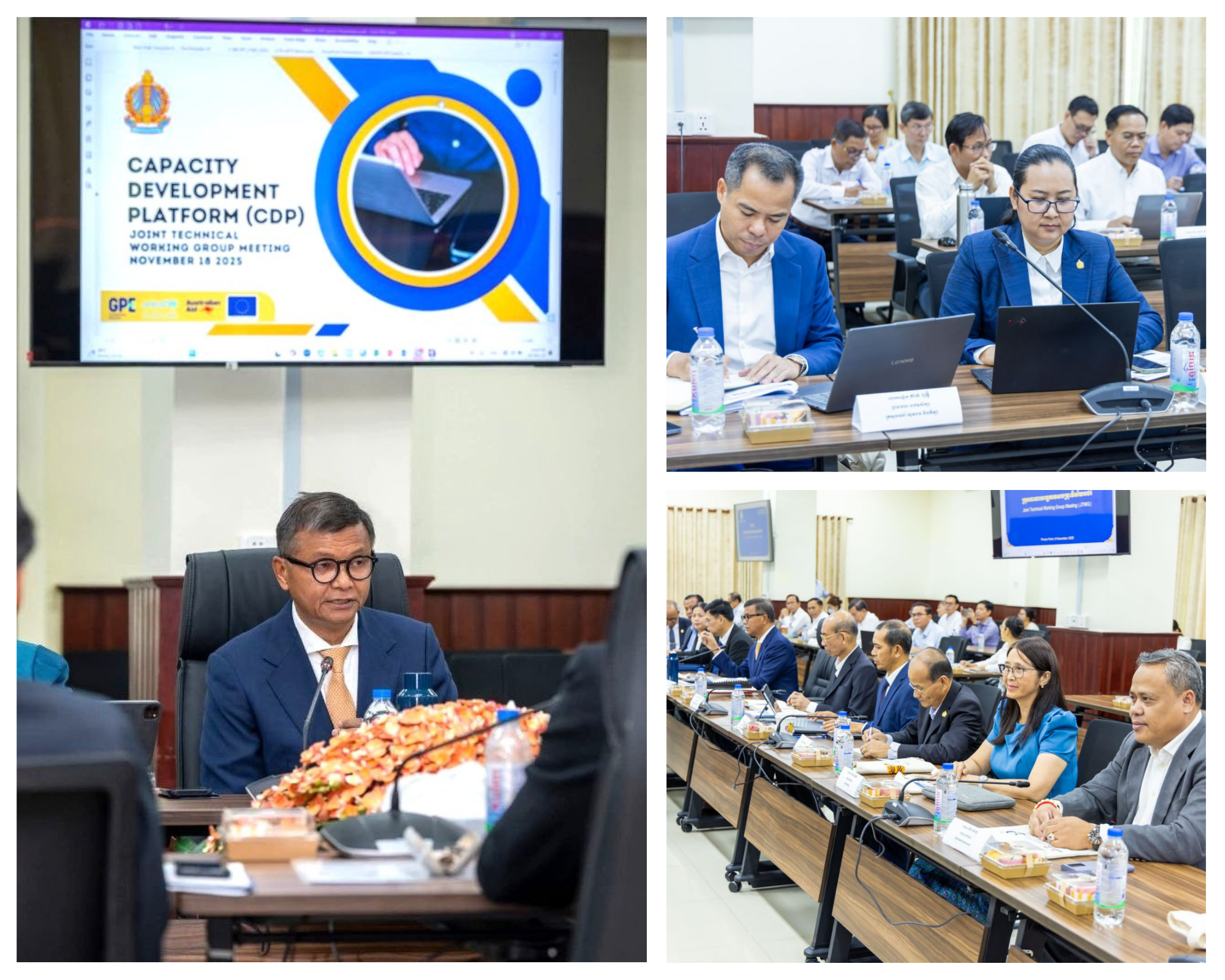
From the perspective of international partners, the CDP represents a successful model of multi-stakeholder cooperation. UNICEF and World Education have emphasized that the platform’s success lies in its integration with national systems rather than acting as a parallel or temporary project. This sentiment is echoed by the funding bodies—GPE, the EU, and the Australian government—who view the CDP as a vital investment in the long-term resilience of Cambodia’s education system.
The Human Element: Impact on the Classroom
Beyond the statistics and technical specifications, the true value of the CDP is found in the classroom. Educators have reported that the digital tools and pedagogical strategies learned on the platform have immediate applications in their daily teaching. Mrs. Proeut Sanh, a primary school teacher from the Kralanh District in Siem Reap Province, shared her experience with the ICT course. She noted that the training strengthened her practical skills in using digital tools and Artificial Intelligence (AI) for lesson planning, which in turn made her students more active and participatory.
This feedback highlights a critical shift: the CDP is not just about teacher "upgrading" in a formal sense; it is about changing the classroom dynamic. When teachers feel confident in their use of technology, they are more likely to foster an environment of inquiry and engagement, which is essential for developing the 21st-century skills required by the Cambodian youth.
Analysis of Implications and Future Outlook
The introduction of the Capacity Development Platform carries several long-term implications for the Kingdom of Cambodia. First, it establishes a precedent for government-led digital transformation. By taking full ownership of the platform, the MoEYS has demonstrated that it has the technical capacity to manage complex digital infrastructures, a key requirement for the nation’s goal of becoming an upper-middle-income country by 2030.
Second, the CDP serves as a model for "blended learning" in professional environments. The platform does not seek to replace in-person interaction entirely; rather, it complements it. World Education is currently developing new modules that combine online theory with in-person practical assessments. This hybrid approach is increasingly recognized globally as the most effective way to facilitate deep learning and skill acquisition.
Third, the platform provides a robust framework for responding to future educational crises. Should the country face another situation where physical schools must close, as was the case during the COVID-19 pandemic, the CDP provides a ready-made channel for communicating with teachers and delivering emergency training or curriculum updates.
Looking ahead, the MoEYS plans to expand the CDP’s content library significantly. New courses are being developed to help teachers meet mandatory national standards as part of a comprehensive in-service teacher qualification upgrading program. As the platform evolves, it may also incorporate more advanced features, such as peer-to-peer mentoring forums, AI-driven personalized learning paths for teachers, and integrated feedback loops between teachers and school inspectors.
Conclusion
The launch of the Capacity Development Platform is a defining moment in Cambodia’s journey toward a modernized education system. Through the combined efforts of the MoEYS, UNICEF, World Education, and international donors, the Kingdom has built a foundation that prioritizes the professional growth of its most valuable resource: its teachers. As the CDP continues to scale, it will undoubtedly play a central role in ensuring that every Cambodian child, regardless of their geographic location, is taught by an educator who is well-equipped, highly trained, and digitally empowered. The platform stands as a testament to the power of collaborative innovation and a clear signal of Cambodia’s commitment to educational excellence in the digital age.