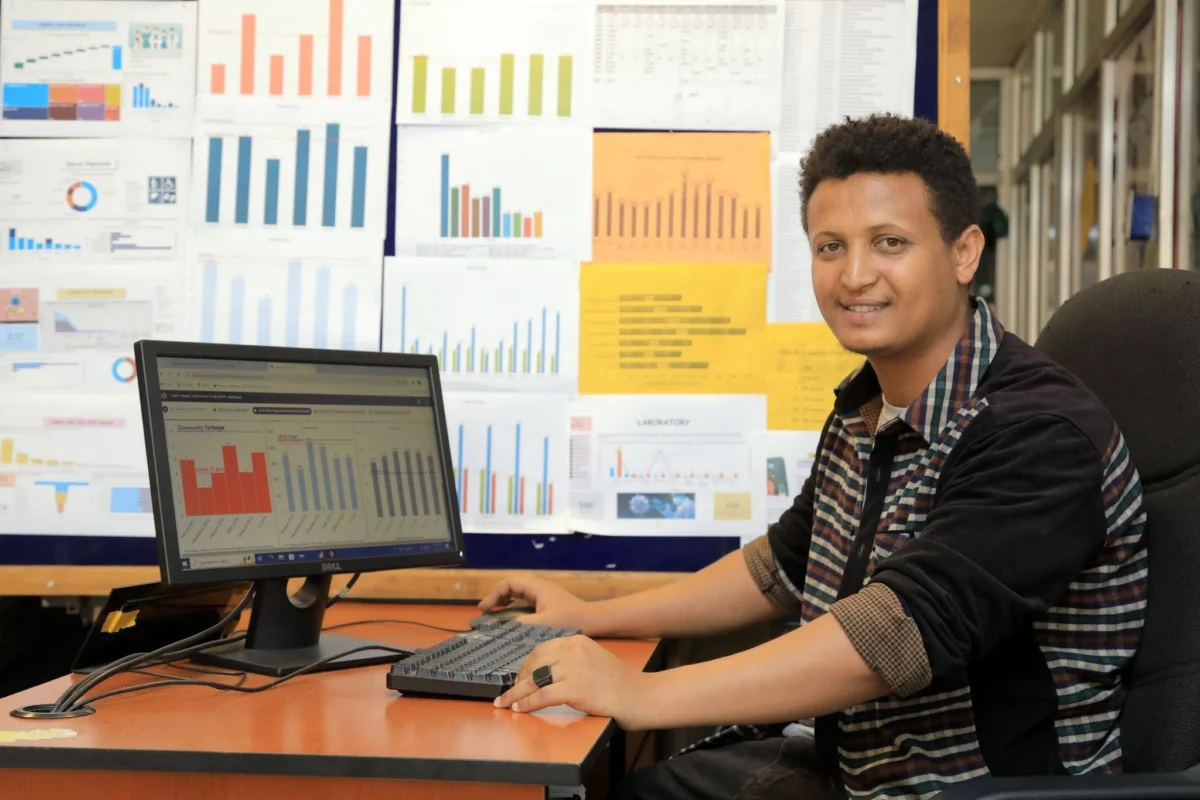
In the remote landscapes of Gujarat’s Devbhumi Dwarka District, a transformative shift in public health communication is unfolding through the strategic integration of Generative Artificial Intelligence (GenAI). World Education, an initiative of JSI, in collaboration with John Snow India Private Limited (JSIPL) and supported by Adobe, has pioneered a program that transitions local frontline health workers from passive consumers of informational materials to active digital creators. By leveraging the GenAI capabilities within Adobe Express, these workers are now producing culturally relevant, visually driven health education resources tailored for families with varying literacy levels, effectively bridging a long-standing gap in rural healthcare delivery.
The initiative addresses a critical bottleneck in India’s community health infrastructure. Traditionally, health communication materials were designed by external agencies, a process that was often slow, expensive, and disconnected from the immediate linguistic and cultural nuances of rural populations. By placing sophisticated design tools in the hands of those who interact most closely with the community, the project has demonstrated that AI can serve as a powerful tool for localization and empowerment rather than merely a means of automation.
The Role of Anganwadi Workers in India’s Healthcare Ecosystem
To understand the impact of this digital intervention, it is essential to recognize the role of Anganwadi Workers (AWWs) within India’s social fabric. Established in 1975 as part of the Integrated Child Development Services (ICDS) program, the Anganwadi system is one of the world’s largest outreach programs for early childhood care and development. There are approximately 1.4 million Anganwadi centers across India, serving as the primary point of contact for maternal and child health, nutrition, and immunization.
In districts like Devbhumi Dwarka, AWWs are the primary source of guidance for families on matters of newborn care, breastfeeding practices, and nutritional requirements. However, these workers often face significant hurdles. Connectivity in these regions is frequently inconsistent, and literacy rates can vary widely among the families they serve. While the official language of the state is Gujarati, various local dialects and cultural symbols influence how information is perceived and retained. Historically, the "one-size-fits-all" approach of centralized printed posters often failed to resonate, leading to a disconnect between health policy and community practice.
Identifying the Communication Gap: A Chronology of Innovation
The project began with an assessment of the existing communication barriers faced by JSIPL and World Education teams in Gujarat. The timeline of the intervention followed a structured progression:
- Needs Assessment and Gap Analysis: Early evaluations revealed that traditional health materials were too text-heavy for populations with limited literacy. Furthermore, the reliance on third-party designers meant that by the time a poster was designed, approved, and printed, the immediate health priority—such as a seasonal disease outbreak—might have shifted.
- Introduction of Digital Tools: The partnership introduced Adobe Express to district-level staff. This platform was selected for its user-friendly interface and its integration of Adobe Firefly, a family of creative generative AI models.
- The Gradual Release Training Model: World Education employed a "gradual release" pedagogical approach. This started with experts modeling the creation of content, followed by co-design sessions where health workers and trainers worked together. The final phase involved supporting health workers as they independently produced content.
- Field Testing and Iteration: Once the materials were created—ranging from GIFs to short videos—they were tested directly in the field with families. Feedback was immediate: families preferred visual storytelling over textual instructions.
- Scaling and Peer-to-Peer Training: As confidence grew, the initiative saw organic expansion. Local staff who mastered the tools began training their colleagues, ensuring the sustainability of the digital skills beyond the initial pilot group.
Technical Augmentation: How GenAI Enhances Localization
The integration of GenAI features within Adobe Express marked a departure from traditional graphic design. For health workers in rural India, the "blank page" problem is a significant barrier to content creation. GenAI addresses this by providing a starting point.
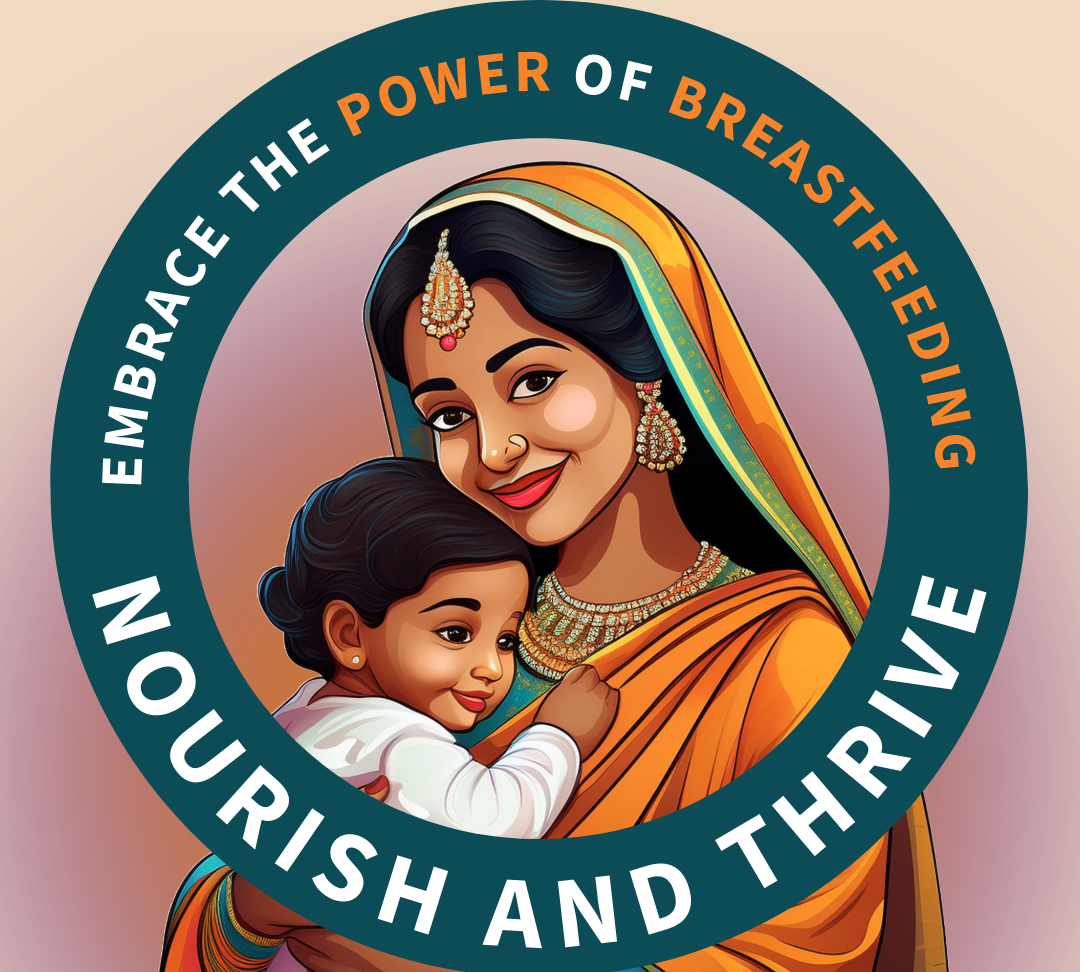
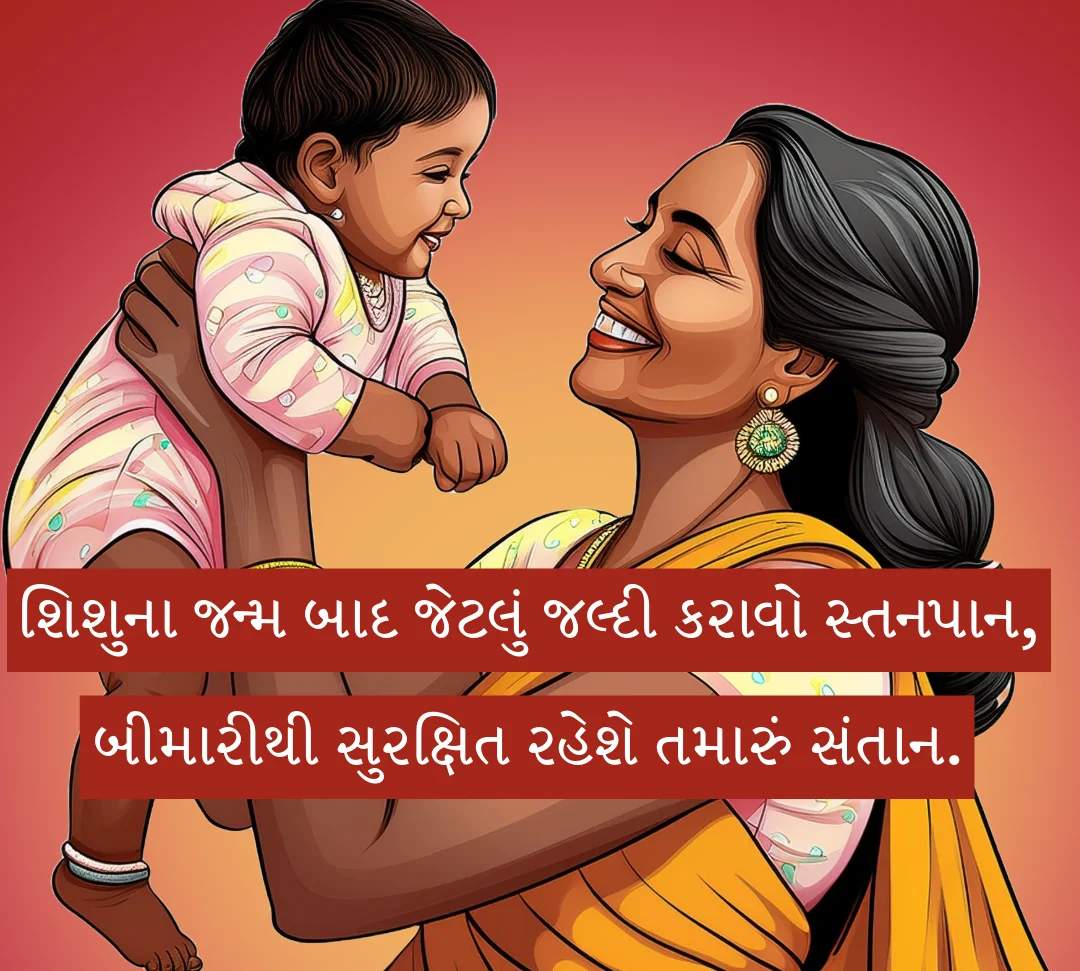
One of the most significant applications was the use of text-to-image generation to create culturally appropriate visuals. In initial design phases, stock imagery often depicted lifestyles or clothing styles that felt foreign to the residents of Devbhumi Dwarka. Using GenAI, staff could generate images of women in local attire, traditional Gujarati rural settings, and familiar domestic environments. This level of representation is crucial for building trust; when a mother sees a health poster featuring a woman who looks like her, the advice on the poster feels more attainable and relevant.
Furthermore, the "Generative Fill" and "Text Effects" features allowed for rapid translation and adaptation. If a specific health message needed to be translated from English or Hindi into Gujarati, the layout could be adjusted in seconds to accommodate the different script lengths and orientations. This agility transformed the production timeline from weeks of back-and-forth with designers into a matter of minutes.
Data and Impact: Moving Beyond Traditional Metrics
The impact of this program is measured not just in the number of posters created, but in the efficiency of the health communication loop. In traditional models, the cost of designing and printing a single set of localized materials could reach hundreds of dollars and take several months to distribute. With the GenAI-supported model, the marginal cost of creating a new, localized digital asset is nearly zero once the initial training is completed.
Key data points and observations from the field testing include:
- Reduced Turnaround Time: Content that previously required external procurement can now be revised and redistributed via WhatsApp in under 30 minutes.
- Increased Engagement: Field reports indicated that families were more likely to engage with AWWs when the information was presented through short, mobile-friendly videos and GIFs rather than static, text-heavy pamphlets.
- Connectivity Solutions: By focusing on digital assets optimized for WhatsApp—the primary communication tool in rural India—the program bypassed the logistical challenges of physical distribution in remote areas with poor road infrastructure.
Perspectives from Leadership and the Field
The success of the project has drawn praise from health leadership. Dr. Sanjay Kapur, Managing Director of JSIPL, emphasized the scalability of this technological approach. "This innovation can be scaled easily to millions of such Anganwadi Workers, thus reaching millions of mothers and children in a short period of time," Dr. Kapur stated. He noted that the project aligns with the Government of India’s "Digital India" mission, which seeks to empower citizens through technology.
Field workers also reported a newfound sense of professional agency. One team member in Gujarat, after mastering the Adobe Express platform, independently began training her peers. This shift from "information recipient" to "digital educator" highlights the secondary benefit of the program: the enhancement of digital literacy and professional status for women in the rural workforce.
Analysis of Implications: A New Paradigm for Digital Transformation
The Gujarat pilot offers a blueprint for how GenAI can be ethically and effectively deployed in the development sector. The project emphasizes "augmentation" over "automation." In this context, AI does not replace the health worker; rather, it amplifies her expertise. The AWW remains the subject matter expert, determining which messages are vital for her community, while the AI serves as the "technical assistant" that handles the complexities of visual production.
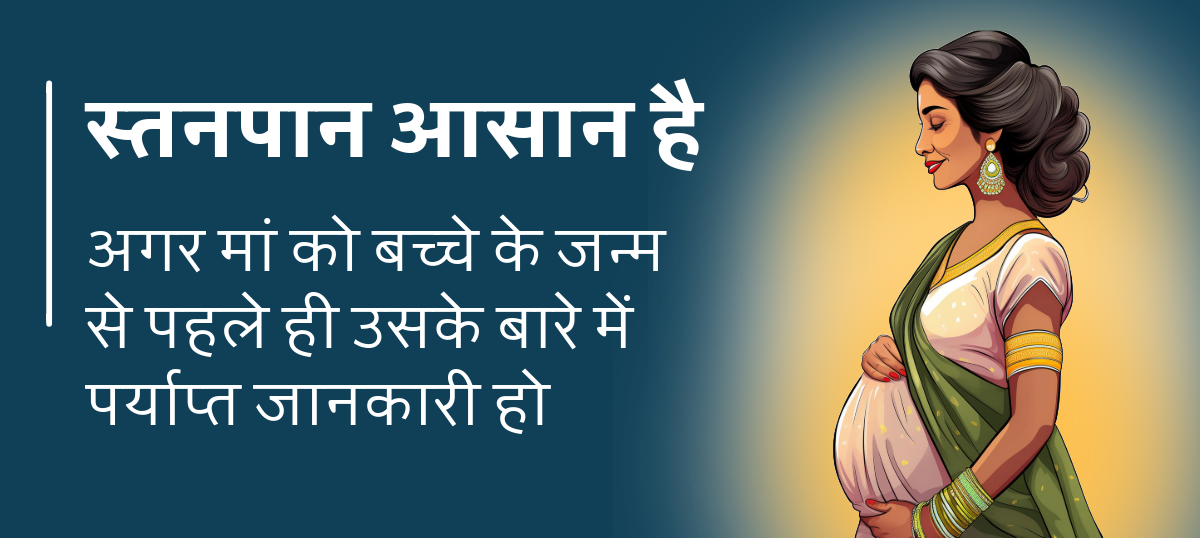
This model challenges the traditional top-down approach to digital transformation. Often, technology is "delivered" to rural communities in a finished state, leaving little room for local adaptation. The World Education and JSIPL initiative suggests that the most sustainable digital transformations are those where the tools are flexible enough to be co-opted and "built by" the community members themselves.
Furthermore, the project addresses the "digital divide" in a nuanced way. It isn’t just about providing internet access; it is about providing the tools and skills to create content that reflects local realities. As GenAI becomes more ubiquitous, its greatest value in the global south may lie in its ability to democratize design and communication, allowing local voices to compete with or replace generic global content.
Future Outlook and Scalability
As the program looks toward the future, the goal is to integrate these digital creation skills into the standard training curriculum for Anganwadi Workers across other districts and states. The potential for expansion is vast. Beyond maternal and child health, the same GenAI-supported tools could be used for agricultural extension services, disaster preparedness training, and adult literacy programs.
The partnership between World Education, JSIPL, and Adobe serves as a case study for private-sector technology companies and international NGOs. It demonstrates that when high-end creative tools are made accessible and paired with thoughtful, localized training, they can solve some of the most persistent communication challenges in global health.
In conclusion, the work in Devbhumi Dwarka proves that the future of AI in development is not found in complex, centralized systems, but in the hands of frontline workers. By empowering Anganwadi Workers to become digital creators, the initiative has ensured that health education is no longer a distant, top-down instruction, but a localized, visual, and immediate conversation that has the power to save lives.