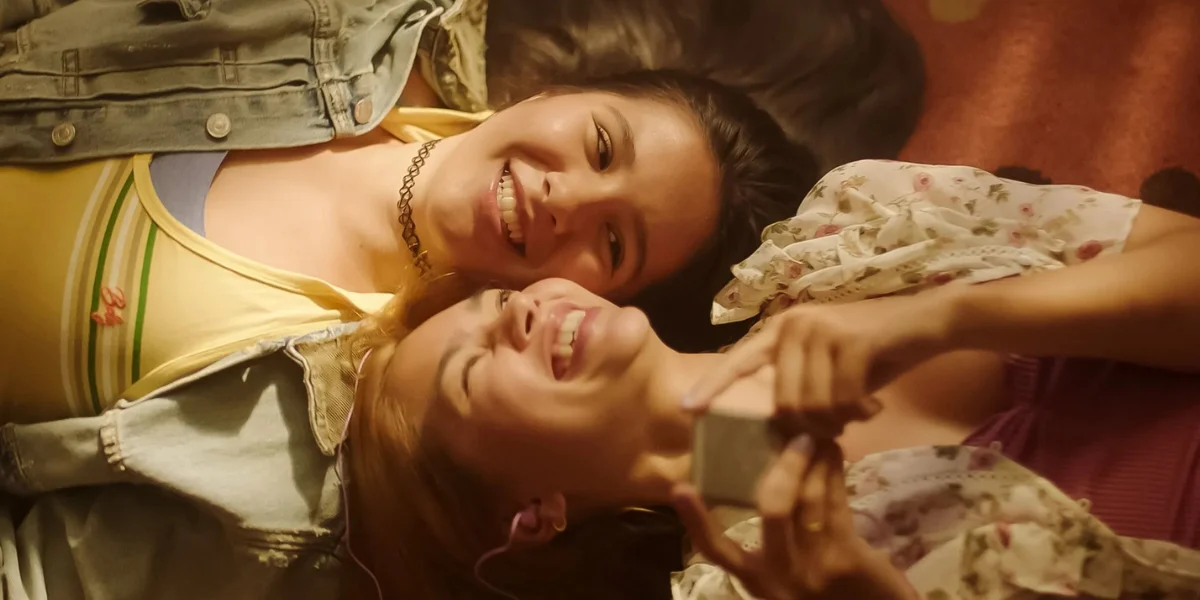
The release of the feature film Girls Like Girls marks a significant milestone in the career of singer-songwriter and director Hayley Kiyoko, completing a decade-long creative journey that began with a viral music video. Directed by Kiyoko and co-written with Stefanie Scott, the film serves as a comprehensive expansion of the 2015 music video of the same name, which garnered over 150 million views on YouTube and established Kiyoko as a prominent voice in contemporary LGBTQ+ media. Set in the year 2006, the narrative follows Coley, portrayed by Maya da Costa, a teenager relocating to the Pacific Northwest to reside with her estranged father following the death of her mother. The plot centers on her blossoming relationship with Sonya, played by Myra Molloy, exploring the complexities of adolescent identity, grief, and first love against the backdrop of mid-2000s suburban life.
The Evolution of a Cultural Touchstone
The transition of Girls Like Girls from a five-minute music video to a feature-length motion picture followed a strategic multi-platform rollout. In May 2023, Kiyoko released a young adult novel of the same name through Pastan Books, an imprint of Macmillan Publishers. The novel debuted on the New York Times Best Seller list, providing the first deep dive into the internal lives of the protagonists, Coley and Sonya. This literary success demonstrated a sustained demand for the story nearly eight years after its initial digital debut.
The original music video, which premiered in June 2015, was noted for its raw depiction of female-centered queer attraction at a time when such representation was relatively scarce in mainstream pop music. It featured Stefanie Scott and Hayley Kiyoko herself, though Scott’s transition from actor in the original video to co-writer of the feature film highlights the collaborative continuity of the project. This evolution reflects a broader trend in the entertainment industry where short-form viral content serves as a "proof of concept" for larger intellectual properties.
Narrative Structure and Character Dynamics
The film’s screenplay focuses on the atmospheric and emotional beats of a summer romance. Upon her arrival in the Pacific Northwest, Coley is an outsider grappling with profound personal loss. Her introduction to Sonya occurs at a local diner, a setting that anchors the small-town aesthetic of the film. As the two spend the summer months together, their friendship evolves into a romantic connection that forces both characters to navigate the social pressures of their environment.
A notable element of the film is the portrayal of Coley’s relationship with her father, played by Zach Braff. Braff’s character represents a man attempting to bridge a significant emotional gap after years of absence. This subplot provides a counterpoint to the central romance, grounding the film in themes of familial reconciliation and the difficulties of parenting a grieving teenager. Industry analysts note that the inclusion of established actors like Braff provides the production with cross-generational appeal, drawing in viewers who may not be part of Kiyoko’s primary musical fanbase.
However, the narrative has drawn some critical observation regarding its handling of conflict. While the central romance is depicted with sensitivity, the external "antagonists" or sources of tension remain somewhat abstract. Sonya’s boyfriend, Trenton, played by Levon Hawke, serves as a catalyst for conflict in the original music video but occupies a more peripheral role in the film. Similarly, the societal and familial pressures Sonya mentions—specifically from her mother—are largely conveyed through dialogue rather than direct on-screen confrontation. This choice shifts the film’s focus toward internal emotional states rather than external melodrama.
Period Authenticity and Technical Execution
One of the most distinct aspects of the Girls Like Girls film is its commitment to 2006 period accuracy. Kiyoko utilizes a specific visual aesthetic, characterized by a "hazy" or soft-focus filter, to evoke a sense of nostalgia. This stylistic choice aligns with the film’s status as a period piece, reflecting the "twenty-year cycle" in which fashion and culture from two decades prior experience a resurgence in popularity.
The production design meticulously incorporates technology and fashion staples of the mid-aughts. Key visual markers include:
- The T-Mobile Sidekick: A pivotal communication tool in the film, representing the pre-smartphone era of mobile messaging.
- AOL Instant Messenger (AIM): The film utilizes the iconic "door creak" and "typewriter" sound effects of AIM to heighten the tension of digital communication, a primary mode of interaction for the protagonists.
- Hardware: Coley is seen using a classic boxy iPod with a click wheel, a hallmark of the 2000s digital music revolution.
- Fashion: The wardrobe features period-specific items such as platform flip-flops and layered denim, contributing to the film’s immersive historical setting.
These details serve more than just aesthetic purposes; they ground the characters in a specific socio-technological moment where queer youth often found community and expressed identity through the anonymity of early internet platforms.
Soundtrack and Sonic Identity
As a project helmed by a professional musician, the auditory landscape of Girls Like Girls is integral to its storytelling. The soundtrack features a curated selection of queer artists, including Tegan and Sara, Joy Oladokun, Gigi Perez, and Snow Wife. The inclusion of a vintage Tegan and Sara track early in the film serves as a cultural signifier for the era, as the duo was a foundational element of queer indie-pop in the mid-2000s.
Kiyoko also recorded a new version of the title track, "Girls Like Girls," specifically for the film. This updated rendition bridges the gap between her 2015 pop roots and her current artistic maturity. The soundtrack’s release alongside the film is expected to drive significant streaming traffic, leveraging Kiyoko’s existing audience on platforms like Spotify and Apple Music.
Industry Implications and Representation Data
The release of Girls Like Girls comes at a time when the demand for diverse coming-of-age stories is at an all-time high. According to the 2023 GLAAD "Where We Are on TV" and "Studio Responsibility Index" reports, while LGBTQ+ representation has increased, there remains a notable gap in stories that focus on "queer joy" or historical queer experiences that are not centered solely on trauma.
Kiyoko’s film contributes to a growing sub-genre of "nostalgic queer cinema," joining titles like Bottoms or Love, Simon in providing a more varied look at the LGBTQ+ experience. By setting the film in 2006, Kiyoko captures a transitional era in queer history—post-Don’t Ask Don’t Tell but pre-marriage equality—where the stakes of "coming out" in suburban America were distinct from the contemporary landscape.
Furthermore, the film’s production highlights the rising trend of "multi-hyphenate" creators in Hollywood. Kiyoko’s ability to transition from songwriter to author to director demonstrates a high level of creative control and brand management. This model allows artists to maintain the integrity of their vision across different media formats, ensuring that the core message remains consistent for the audience.
Reception and Cultural Impact
Initial screenings of the film have indicated a strong emotional resonance with the "Zillennial" demographic—those who were teenagers or young adults when the original music video was released. For this audience, the film serves as a retrospective validation of their own adolescent experiences. Simultaneously, the film’s placement on streaming services and its young adult themes make it accessible to a new generation of viewers who may be discovering Kiyoko’s work for the first time.
The project also reaffirms the power of digital fandom. The decade-long campaign by fans to see a feature-length version of the music video underscores the influence that online communities now wield in the green-lighting process for independent and mid-budget films. Kiyoko has frequently acknowledged that the film was made "for the fans," a sentiment that reinforces the community-driven nature of her career.
Future Outlook
As Girls Like Girls enters wider distribution, its success will likely be measured not just by traditional box office or streaming metrics, but by its long-term cultural footprint within the LGBTQ+ community. The film establishes Hayley Kiyoko as a viable director with a specific visual and narrative voice. It also sets a precedent for how music-based intellectual property can be successfully adapted into multi-dimensional narratives.
With the conclusion of the Girls Like Girls cycle—spanning music, literature, and film—Kiyoko has created a comprehensive "universe" for her most famous work. This milestone suggests that the future of queer storytelling may lie in these deeply personal, creator-driven projects that prioritize authentic period detail and emotional resonance over broad, generalized narratives. The film stands as a testament to the enduring relevance of the story of Coley and Sonya, proving that the themes of first love and self-discovery remain universal, regardless of the decade in which they are set.