February 27, 2026
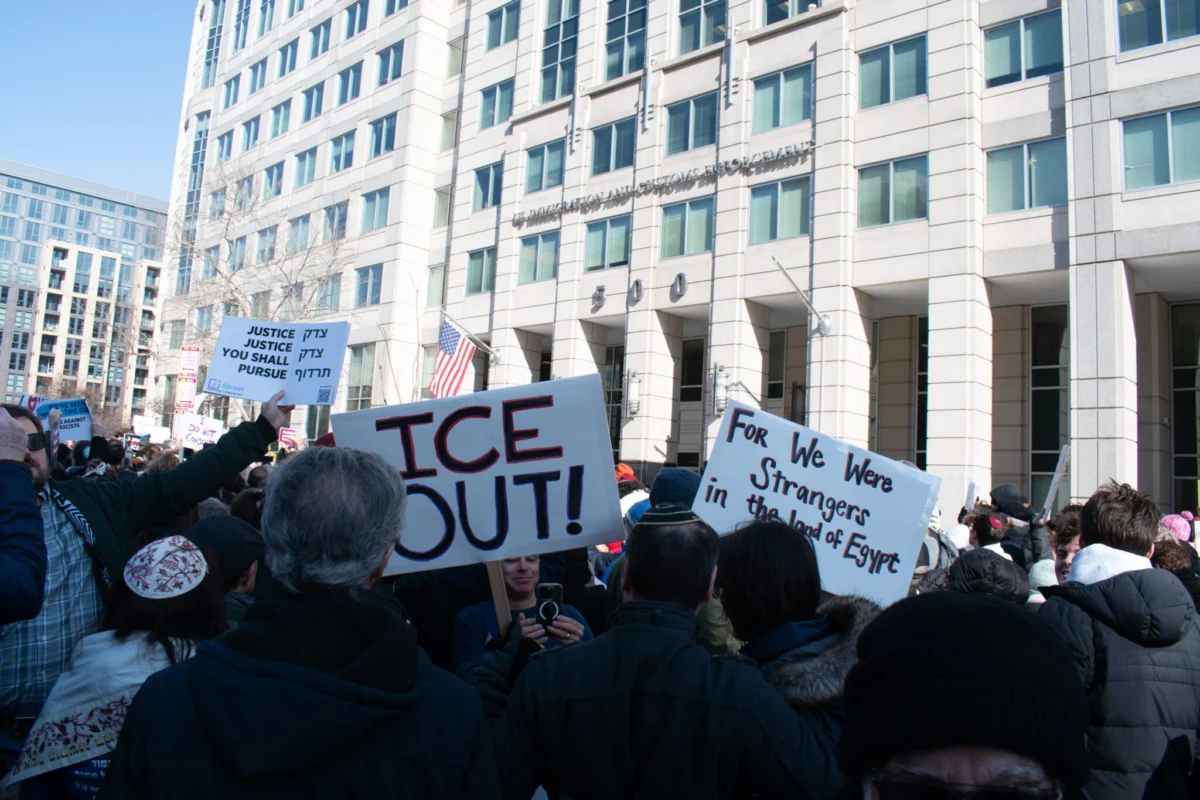
In the United States, refugees and asylum seekers are currently navigating a complex and often precarious landscape, where evolving policies and unpredictable systems present significant challenges to their safety and well-being. Many individuals who sought refuge in the U.S. are now encountering formidable barriers, including diminishing legal pathways, intricate bureaucratic processes, and limited access to secure housing. As they strive to heal and rebuild their lives, these newcomers face heightened vulnerability and uncertainty about their future.
HIAS, an organization with over a century of advocacy for refugees, is confronting an unprecedented operational environment. As domestic resettlement systems face strain, the HIAS team is engaged in continuous efforts to respond to emergencies, witness and address profound hardship, and adapt its strategies in real-time. The organization underscores its commitment to ensuring that no individual faces these challenges alone, emphasizing the urgent need for rapid, lifesaving support at every stage of the resettlement process.
The Evolving Needs of Displaced Persons
A critical question arises: what are the immediate needs of refugees and asylum seekers in the current climate, and how is HIAS effectively responding? The organization highlights that even when refugee arrivals slow or are temporarily halted, the underlying need for support does not dissipate; rather, it transforms. HIAS continues to provide crucial assistance to displaced individuals within the United States, addressing a spectrum of needs that extend beyond initial arrival.
Even amidst significant policy shifts and challenges to refugee resettlement, HIAS reported a substantial number of individuals welcomed into the country during the last fiscal year. This included 3,729 refugees and Special Immigrant Visa (SIV) holders, with a significant portion, 1,545 individuals, being Afghans. Furthermore, HIAS provided short-term case management to over 6,000 displaced persons and offered pro bono legal representation to more than 1,300 refugees, asylum seekers, and immigrants. These figures underscore the ongoing demand for services, even when the broader refugee admissions program faces constraints.
Immediate Needs Upon Arrival
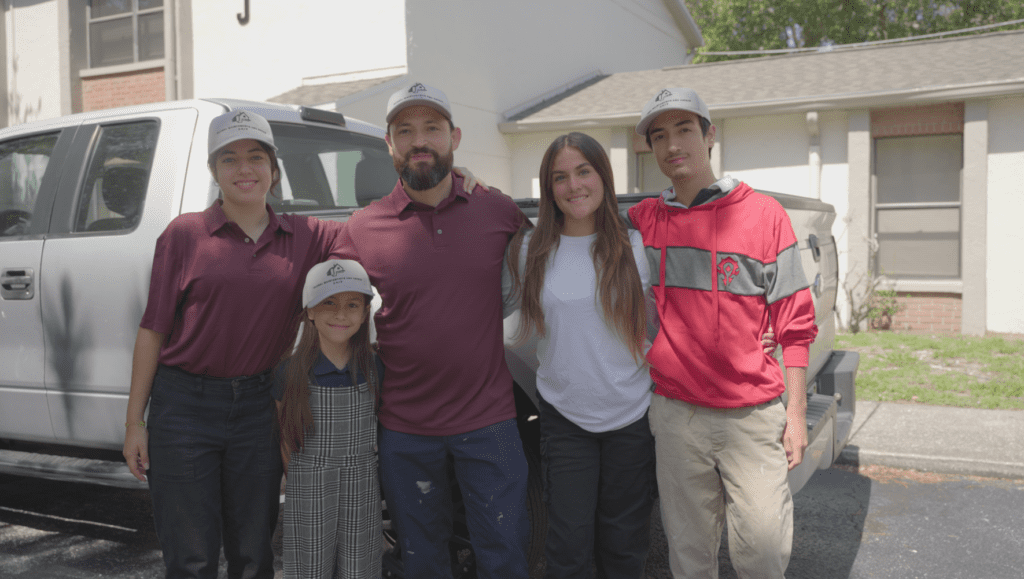
Upon their arrival in the United States, refugees and asylum seekers require immediate assistance to stabilize their lives. This encompasses securing safe housing, obtaining food and essential supplies, accessing medical care and health screenings, enrolling children in school, and facilitating transportation and community orientation. However, these fundamental needs are intrinsically linked to complex legal and administrative procedures. Individuals require support in obtaining necessary documentation, applying for work authorization, navigating eligibility for various benefits, and understanding their legal rights and responsibilities. This is where HIAS’s specialized, trauma-informed case management becomes critically important, offering a pathway through these often overwhelming processes.
Supporting Refugees Through the U.S. Refugee Admissions Program (USRAP)
HIAS plays a vital role in providing initial resettlement support for refugees and SIV holders by collaborating with a national network of local partner organizations. In Fiscal Year 2025, HIAS partnered with 29 local affiliates across the country to deliver comprehensive, trauma-informed services. These services typically include case management, cultural orientation, assistance with benefits and systems navigation, support in accessing healthcare, school enrollment, and family reunification. Additionally, HIAS focuses on employment readiness training and actively assists newcomers in securing employment, recognizing that economic self-sufficiency is a cornerstone of successful integration.
Addressing Disruptions in Resettlement Systems
When resettlement systems experience disruptions or funding cuts, the impact on newly arrived families can be immediate and severe. These disruptions can lead to the loss of caseworkers and essential guidance, the withdrawal of financial support that prevents homelessness, the absence of structured orientation and safety planning, and the interruption of critical services during the most vulnerable initial months in a new country.
In response to these challenges, HIAS has expanded its programs designed to quickly stabilize families. This includes enhanced housing support, the development of community sponsorship initiatives, and the provision of virtual services that can reach individuals regardless of their geographic location. This adaptive approach reflects the dynamic nature of the challenges faced by displaced populations and the organization’s commitment to finding innovative solutions.
Tackling the Housing Crisis for Newcomers
Housing remains one of the most significant barriers for refugees and asylum seekers. Many face difficulties securing accommodation due to a lack of credit history, rental history, limited income, or sudden changes in their legal status. HIAS operates multiple housing programs specifically designed to prevent eviction and homelessness among these vulnerable populations.
The Ms. L Settlement Housing Assistance Program provides critical support to families who have endured profound trauma, including those separated at the border. In 2025, this program offered vital housing assistance to 396 families, comprising 1,329 individuals, and disbursed $1.4 million in rental assistance. This direct financial aid plays a crucial role in stabilizing families and providing them with a safe environment to rebuild.
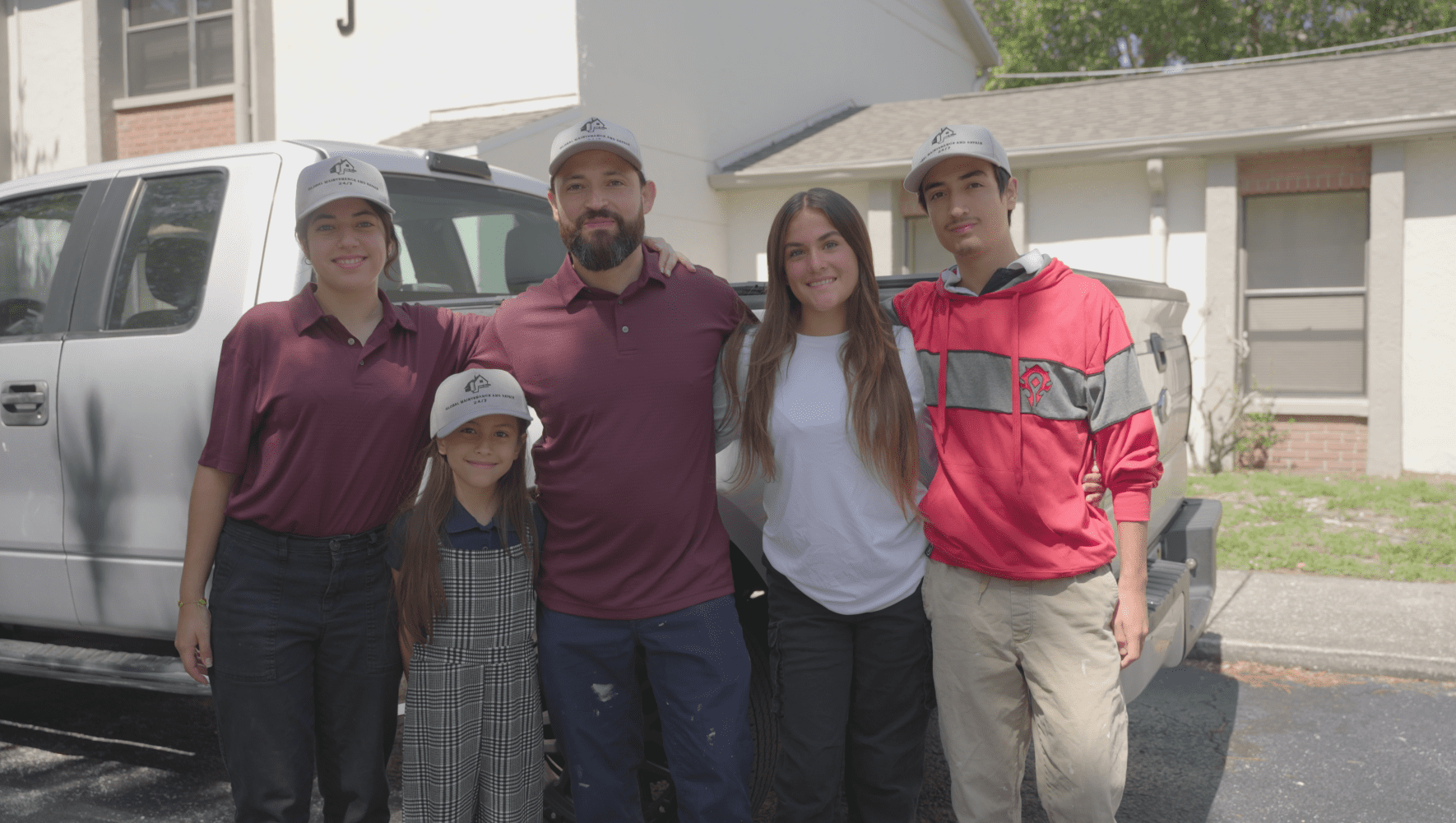
The Housing Guarantee Fund addresses the immediate challenges faced by newly arrived refugees who are often denied housing due to the absence of Social Security numbers, credit history, or immediate employment. In 2025, HIAS utilized this fund to back leases for 227 refugee families, totaling 877 individuals. The program’s success is evident in its high utilization rate, with over 97% of families subsequently covering rent independently, demonstrating the fund’s effectiveness in bridging the initial gap.
Emergency Housing Assistance further bolsters HIAS’s efforts to combat homelessness. In the past year, the organization provided $135,000 in urgent rental aid to refugees and SIV holders. In collaboration with its resettlement partners, HIAS ensured that these funds were distributed effectively to stabilize newcomer households facing immediate housing insecurity.
The Rise of "Virtual Resettlement"
Recognizing that not all newcomers arrive in urban centers with established resettlement offices, HIAS has developed innovative solutions to extend its reach. The Virtual Program for Initial Resettlement (PIR) provides structured support remotely during a newcomer’s critical first 90 days in the U.S. This model is particularly crucial for individuals who reunite with family members in smaller towns or rural areas where services are limited. The virtual program offers comprehensive assistance, including remote case management, virtual orientation sessions, and ongoing virtual check-ins to address emerging needs. This approach democratizes access to essential resettlement support, ensuring that geographic location does not impede a newcomer’s ability to integrate successfully.
Pathways to Employment and Economic Empowerment
Employment is a fundamental pillar of stability for refugees and asylum seekers. However, securing work can be challenging in a new country, particularly amidst shifting policies and rising fear. HIAS offers a multi-faceted approach to employment and career development.
The Matching Grant program is designed to help newly arrived families achieve self-sufficiency rapidly. This program provides job referrals, budgeting support, and comprehensive wraparound case management. From October 2024 through December 2025, 272 households (870 individuals) were enrolled in this program, with a remarkable 70% achieving self-sufficiency within 240 days.
The Refugee Career Pathways initiative assists internationally experienced professionals in re-entering skilled employment. This program offers coaching, credential evaluation, training support, and job readiness assistance. In FY25, 57 clients participated, completing 1,333 hours of job readiness training and receiving direct financial support for educational and career advancement opportunities.
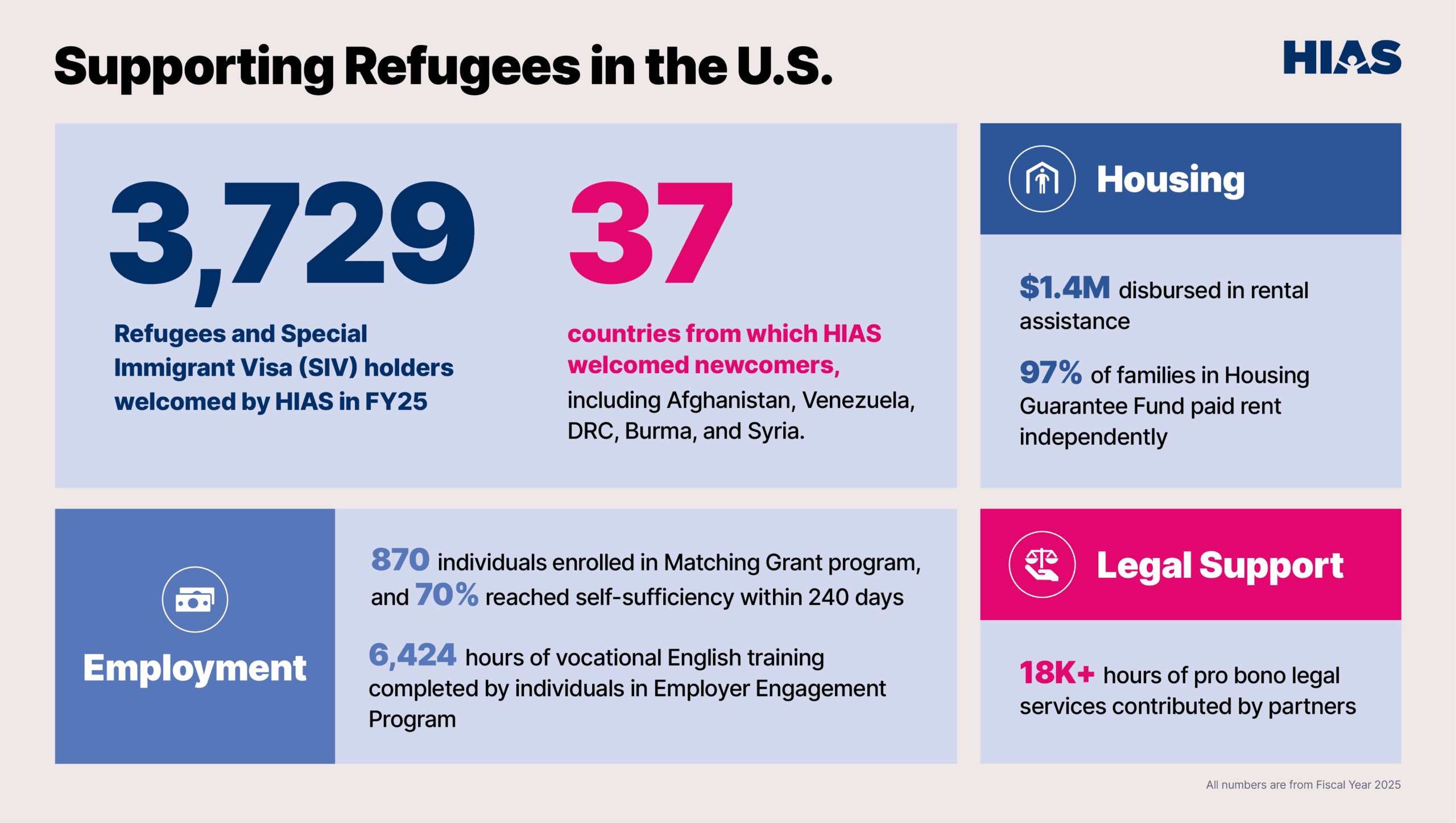
The Employer Engagement Program fosters partnerships with employers to develop workplace-based training programs that enhance English language proficiency and job-specific skills. In 2025, 80 participants completed 6,424 hours of vocational English training across multiple locations, bridging language barriers and improving employability.
The Critical Role of Legal Services
For individuals fleeing persecution, legal representation is often the decisive factor between family unity and separation, stability and detention, and safety and deportation. HIAS provides essential free legal services through two primary avenues:
Direct Immigration Legal Services are offered in the New York City and Washington D.C. regions, assisting hundreds of clients with critical needs such as asylum applications, work authorization, green card processing, family reunification, and legal consultations. These services are instrumental in helping newcomers navigate complex legal frameworks and fostering their integration and stability within the United States.
The HIAS Pro Bono Network, a nationwide initiative, mobilizes volunteer attorneys to represent refugees, asylum seekers, and other displaced individuals navigating intricate legal pathways. In FY2025, pro bono partners contributed over 18,000 hours of legal services, valued at an estimated $18.6 million. This substantial contribution highlights the indispensable role of volunteer legal professionals in upholding the rights and securing the futures of vulnerable populations.
Fostering Mental Health, Family Wellness, and Long-Term Integration
Resettlement is not solely about immediate survival; it also encompasses the long-term well-being and integration of newcomers. Many individuals arrive in the U.S. having experienced profound trauma and then face new stressors such as isolation, uncertainty, discrimination, and fear.
HIAS supports long-term integration and mental health care through its Preferred Communities program, which offers technical guidance and oversight to its resettlement partners nationwide. This program provides crucial services including intensive case management, direct cash assistance for urgent needs such as housing, food, medical care, and transportation. In FY25, the resettlement network served 1,093 clients through intensive case management and over 2,600 clients with direct financial aid.
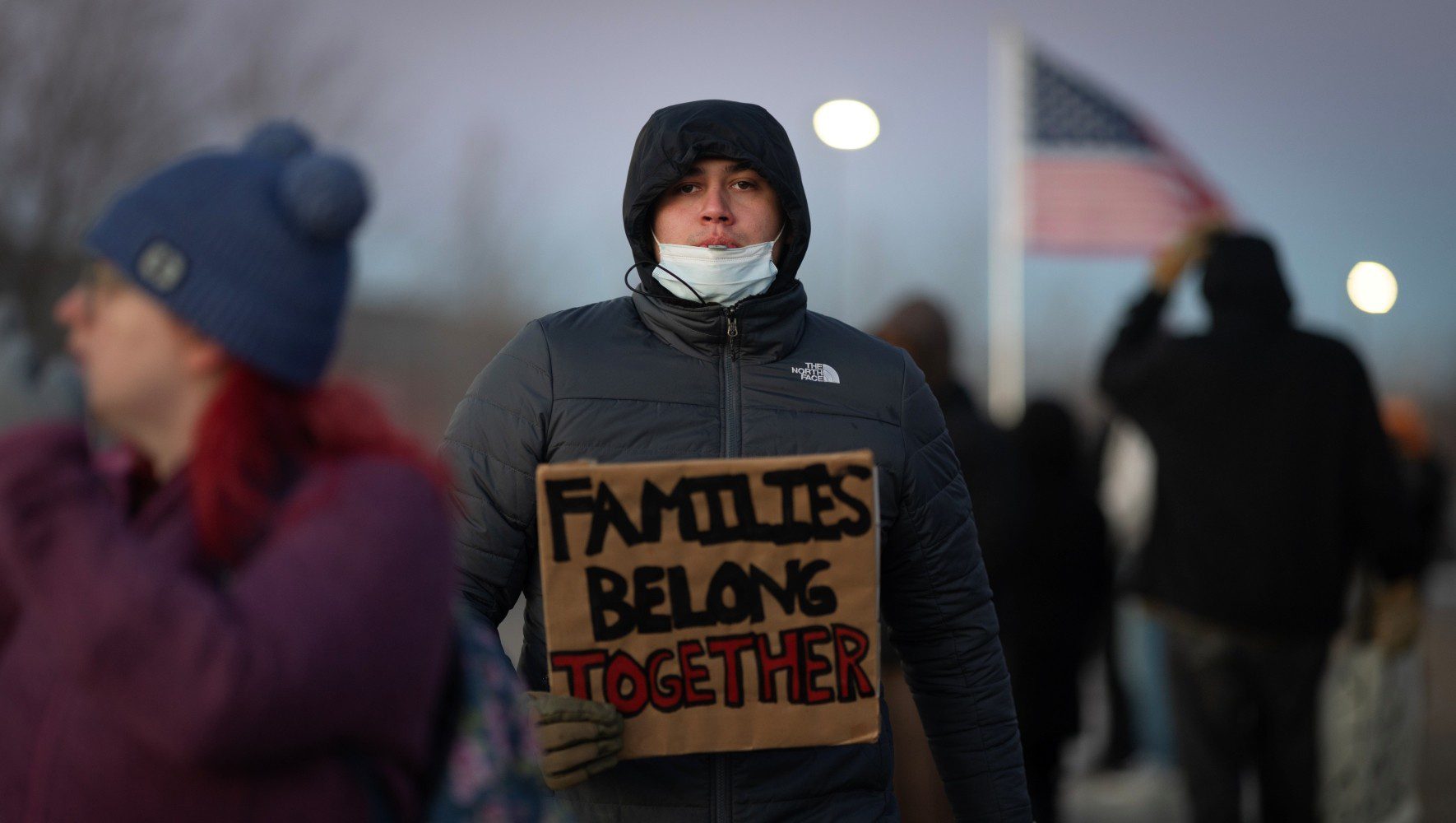
Furthermore, HIAS provides comprehensive wraparound social services for legal clients in the greater New York City and metropolitan Washington D.C. areas. These services include case management, therapeutic support, volunteer assistance, and benefits navigation. In 2025, HIAS social services supported 182 clients with increasingly complex needs, offering resilience workshops, safety planning, and collaborative partnerships to address rising levels of fear and instability.
Conclusion: A Continued Commitment to Upholding Dignity
HIAS’s U.S. programs encompass a broad spectrum of services, including refugee resettlement, housing assistance, legal services, employment support, integration initiatives, and community-based welcoming efforts. All these endeavors are fundamentally rooted in a trauma-informed, client-centered approach. As the external environment continues to evolve, HIAS remains steadfast in its commitment to adapting, developing new resources, innovative models, and strategic partnerships to ensure the safety and well-being of displaced people. The organization invites public engagement and support through its "Take Action" portal at hias.org/take-action, underscoring the collective responsibility in supporting those seeking refuge and a better future.