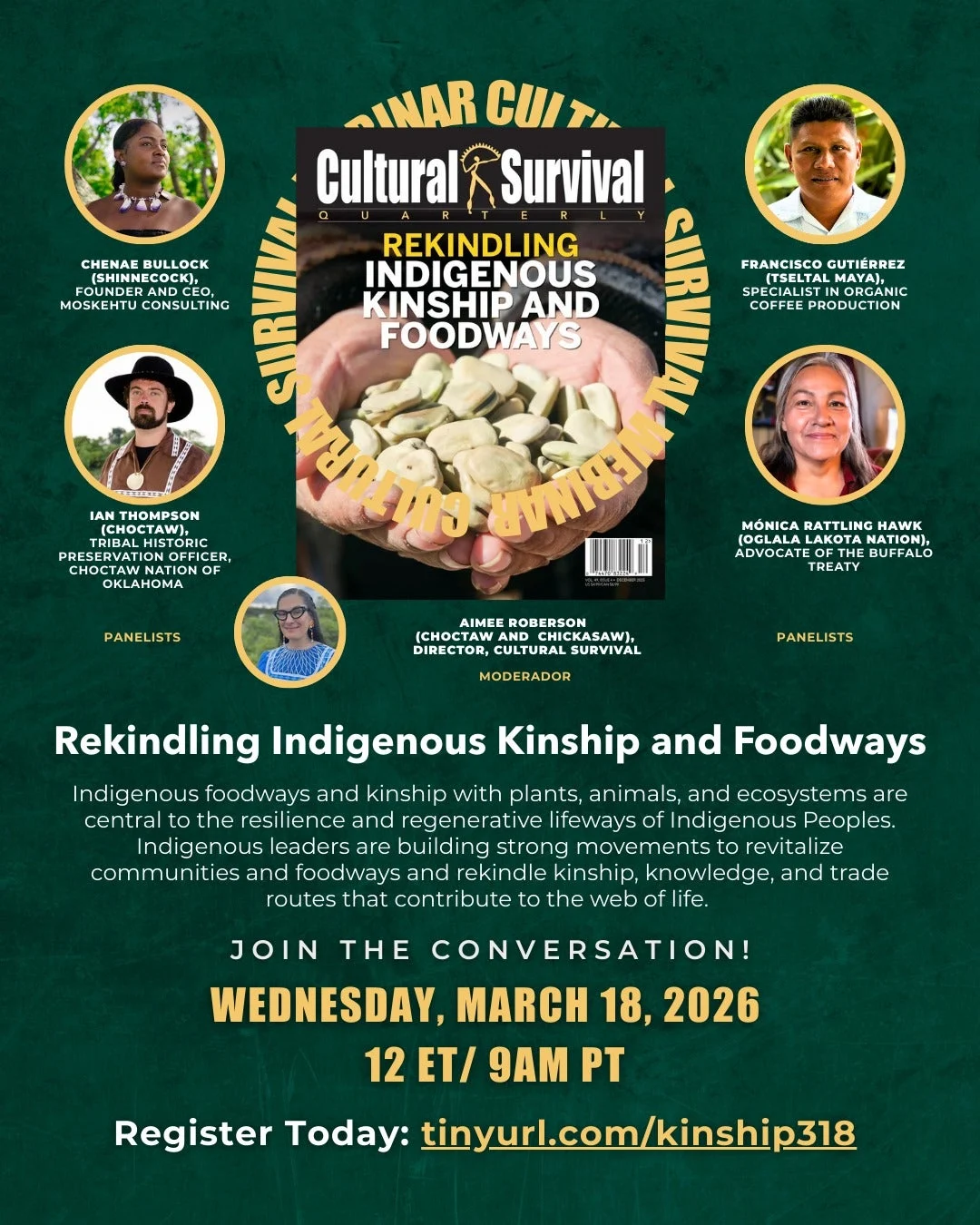
On Wednesday, March 18, 2026, at 1:06 PM Eastern Time, Cultural Survival will convene a significant webinar aimed at addressing critical issues facing Indigenous Peoples globally. While the specific theme of the webinar remains undisclosed in the provided information, its timing and the organization hosting it strongly suggest a focus on contemporary challenges and advancements in Indigenous rights, self-determination, and cultural preservation. Cultural Survival, a venerable organization with a rich history dating back to 1972, is renowned for its unwavering commitment to advocating for Indigenous Peoples’ rights and supporting their resilience.
Background and Context of Cultural Survival’s Work
Founded over five decades ago, Cultural Survival emerged from a growing awareness of the systemic injustices and cultural erosions faced by Indigenous communities worldwide. The organization’s mission is multifaceted: to advocate for Indigenous Peoples’ rights, to support their self-determination, and to champion their cultures and political resilience. This broad mandate encompasses a wide range of activities, including human rights monitoring, direct support to Indigenous communities, advocacy at international forums, and the dissemination of information through various media platforms, including its flagship publication, Cultural Survival Quarterly.
The organization’s vision paints a compelling picture of a future where Indigenous Peoples are recognized and celebrated for their inherent rights and the dynamism of their cultures. This vision emphasizes the deep connections Indigenous communities have with their lands, languages, spiritual traditions, and artistic expressions, all rooted in their fundamental right to self-determination and self-governance. Webinars, as a modern communication tool, are a logical extension of Cultural Survival’s efforts to engage with a global audience, raise awareness, and mobilize support for Indigenous causes.
Anticipated Themes and Significance
Given Cultural Survival’s established areas of focus, the upcoming webinar is likely to delve into pressing contemporary issues. These could include, but are not limited to:
- Land Rights and Resource Management: Many Indigenous communities continue to face threats to their ancestral lands due to extractive industries, agricultural expansion, and development projects. A webinar on this topic could explore legal battles, community-led conservation efforts, and the impact of climate change on traditional territories.
- Cultural Preservation and Language Revitalization: With globalization and assimilation pressures, the preservation of Indigenous languages and cultural practices is a critical challenge. Discussions might revolve around successful revitalization programs, the role of technology in cultural transmission, and the importance of intergenerational knowledge transfer.
- Indigenous Self-Determination and Governance: The right to self-determination is a cornerstone of Indigenous rights. A webinar could examine the progress and challenges in Indigenous communities asserting their sovereignty, establishing their own governance structures, and participating meaningfully in national and international decision-making processes.
- Environmental Justice and Climate Change Adaptation: Indigenous Peoples are often at the forefront of environmental degradation and are disproportionately affected by climate change, despite contributing the least to its causes. A webinar might highlight Indigenous-led solutions for climate adaptation, the protection of biodiversity, and the fight against environmental racism.
- Human Rights and Social Justice: The webinar could also address ongoing human rights violations against Indigenous Peoples, including issues of discrimination, violence, and lack of access to justice. It might also focus on the intersectionality of Indigenous rights with other social justice movements.
The Role of Webinars in Advocacy
In the digital age, webinars have become an indispensable tool for non-profit organizations like Cultural Survival. They offer a cost-effective and accessible platform to:
- Educate and Inform: Reach a broad audience, including policymakers, academics, activists, and the general public, with timely information on Indigenous issues.
- Facilitate Dialogue: Create spaces for Indigenous leaders, experts, and allies to share perspectives, experiences, and strategies.
- Mobilize Support: Inspire action, encourage donations, and recruit volunteers to support Indigenous rights initiatives.
- Amplify Indigenous Voices: Provide a direct platform for Indigenous Peoples to share their stories and advocate for their own causes, bypassing traditional media gatekeepers.
The date of the webinar, March 18, 2026, places it within a period of heightened global focus on human rights and environmental issues. International bodies such as the United Nations Permanent Forum on Indigenous Issues (UNPFII) often hold sessions around this time of year, making the webinar a timely contribution to broader discussions.

Cultural Survival’s Commitment to Staying Informed
The presence of a "Stay Informed" section on Cultural Survival’s website, which encourages sign-ups for updates on news, program developments, and events, underscores the organization’s dedication to continuous engagement and communication. This proactive approach ensures that its network of supporters and interested individuals remain abreast of critical developments and opportunities for involvement. By signing up, participants can expect to receive information that directly relates to the themes likely to be addressed in their webinars and other advocacy efforts.
Potential Speakers and Participants
While not explicitly stated, it is highly probable that the webinar will feature a diverse panel of speakers, including Indigenous leaders, human rights advocates, scholars, and representatives from organizations working in solidarity with Indigenous Peoples. Such a gathering would leverage a wealth of knowledge and experience, offering multifaceted perspectives on the chosen topic. The presence of individuals directly impacted by the issues discussed would lend authenticity and urgency to the proceedings.
Analysis of Implications
The convening of such a webinar by an organization of Cultural Survival’s stature carries significant implications. Firstly, it signals the continued relevance and urgency of the issues it champions. In a world grappling with complex challenges, the insights and experiences of Indigenous Peoples offer invaluable perspectives on sustainable development, environmental stewardship, and human rights.
Secondly, the webinar serves as a crucial platform for knowledge exchange and capacity building. By bringing together diverse stakeholders, it fosters a deeper understanding of the challenges faced by Indigenous communities and promotes collaborative solutions. This can lead to the development of more effective advocacy strategies and the implementation of impactful projects.
Thirdly, it contributes to the broader global discourse on Indigenous rights, potentially influencing policy decisions at national and international levels. By amplifying Indigenous voices and providing evidence-based information, Cultural Survival helps to shape a more just and equitable world for Indigenous Peoples.
Finally, the event underscores the evolving nature of advocacy in the 21st century. The strategic use of digital platforms like webinars demonstrates a commitment to accessibility and inclusivity, ensuring that a wider audience can participate in and contribute to the movement for Indigenous rights, regardless of geographical location.
Cultural Survival’s commitment to its mission, as articulated in its vision statement, suggests that this webinar will be more than just a single event; it will be a vital component of a sustained effort to empower Indigenous Peoples and ensure their voices are heard on the global stage. The organization’s consistent advocacy since 1972, combined with its forward-looking approach to communication, positions it as a key player in the ongoing struggle for Indigenous self-determination, cultural integrity, and fundamental human rights. The specific focus of the March 18, 2026 webinar, once revealed, is anticipated to address a topic of critical importance, contributing significantly to the ongoing dialogue and action required to support Indigenous communities worldwide.