Montgomery, Alabama – The Equal Justice Initiative’s (EJI) Freedom Monument Sculpture Park in downtown Montgomery has been lauded by Travel + Leisure as an essential American experience, earning its place among 50 standout destinations recommended for exploration in celebration of America’s 250th birthday in 2026. This prestigious recognition from the premier global travel magazine spotlights one unique experience in each U.S. state, guiding visitors who wish to engage deeply with the nation’s history and culture as it approaches its significant quarter-millennium milestone.
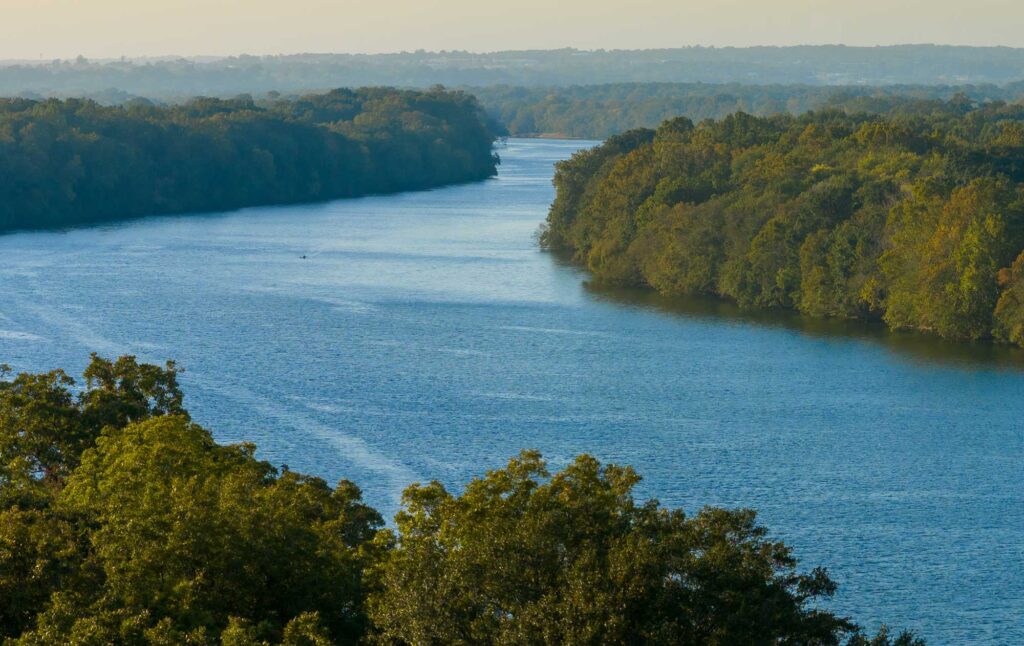
The designation marks a pivotal moment for the Freedom Monument Sculpture Park, which officially opened its gates to the public in 2024. Long before its grand unveiling, Travel + Leisure had previewed the expansive 17-acre site nestled along the banks of the Alabama River, describing it as a profound "tribute to America’s enslaved people." The magazine’s latest edition further articulates the park’s profound impact, noting, "Throughout the park, powerful artworks, artifacts, and narratives confront the legacy of slavery while honoring those who endured it." Beyond this central theme, the publication also highlights the park’s dedication to acknowledging "deeper Indigenous history, including Muscogee connections to the land," underscoring a commitment to a comprehensive historical narrative.
The Genesis of a National Monument: EJI’s Vision in Montgomery
The recognition by Travel + Leisure underscores the growing national importance of EJI’s initiatives to confront America’s history of racial injustice. Founded in 1989 by Bryan Stevenson, a renowned public interest lawyer and author, the Equal Justice Initiative has dedicated decades to providing legal representation to indigent defendants and prisoners denied fair treatment, challenging racial injustice, and advocating for criminal justice reform. EJI’s work expanded significantly into historical remembrance with the establishment of its Legacy Sites, creating immersive educational experiences designed to deepen public understanding of American history, from slavery to mass incarceration.
Montgomery, Alabama, holds immense historical significance, making it a crucial location for EJI’s truth-telling efforts. The city was a major hub of the domestic slave trade, a central marketplace where enslaved people were bought and sold, devastating families and communities. Later, it became the first capital of the Confederacy, a symbol of the nation’s division over slavery. Decades later, Montgomery emerged as a crucible of the Civil Rights Movement, witnessing pivotal events such as the Montgomery Bus Boycott and the conclusion of the Selma to Montgomery Voting Rights Marches. This layered history, encompassing both profound oppression and courageous resistance, makes Montgomery an indispensable site for historical reflection and education.
EJI’s network of Legacy Sites began with the opening of The National Memorial for Peace and Justice and The Legacy Museum in 2018. The Memorial, dedicated to the victims of racial terror lynchings, and the Museum, which traces the journey from slavery to mass incarceration, have already drawn millions of visitors from across the globe, sparking national and international dialogue. The Freedom Monument Sculpture Park, envisioned as an outdoor complement to these sites, extends this narrative, providing a different, yet equally powerful, avenue for historical engagement. Its development was a multi-year endeavor, involving extensive research, community engagement, and collaborations with artists and historians to ensure accuracy and impact.
An Immersive Journey Through Art and Memory

The Freedom Monument Sculpture Park spans 17 acres, thoughtfully designed to guide visitors through a challenging yet essential journey. Its placement along the Alabama River is symbolic, reflecting the waterways that served as both routes for the forced migration of enslaved people and arteries of commerce for the slave trade. Visitors can even reach parts of the park via a free boat ride on the river, adding another layer of historical resonance to their experience.
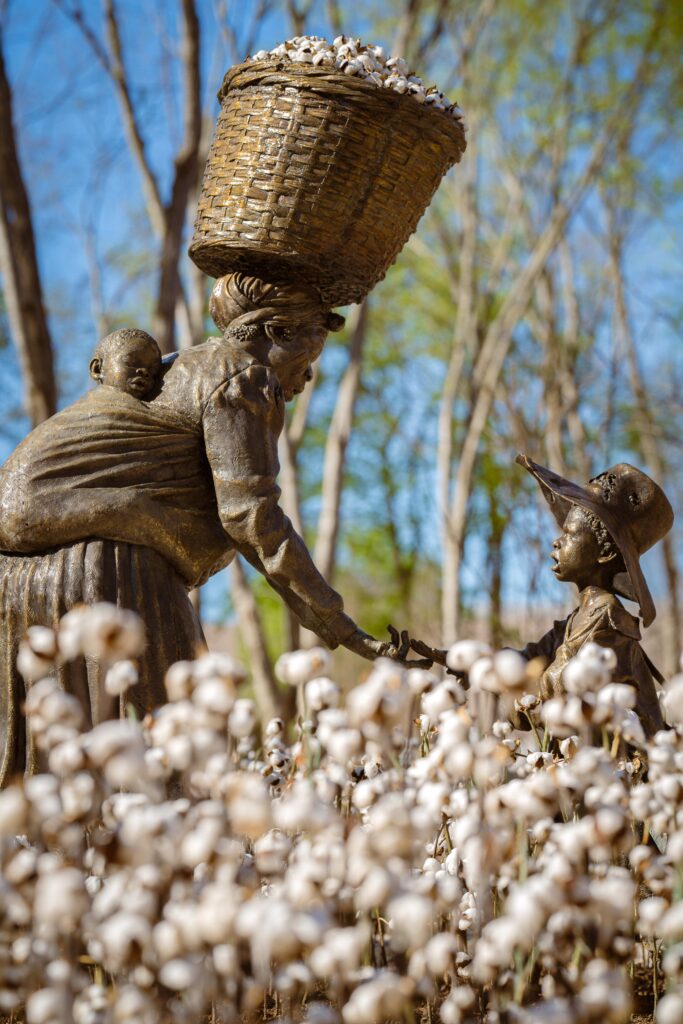
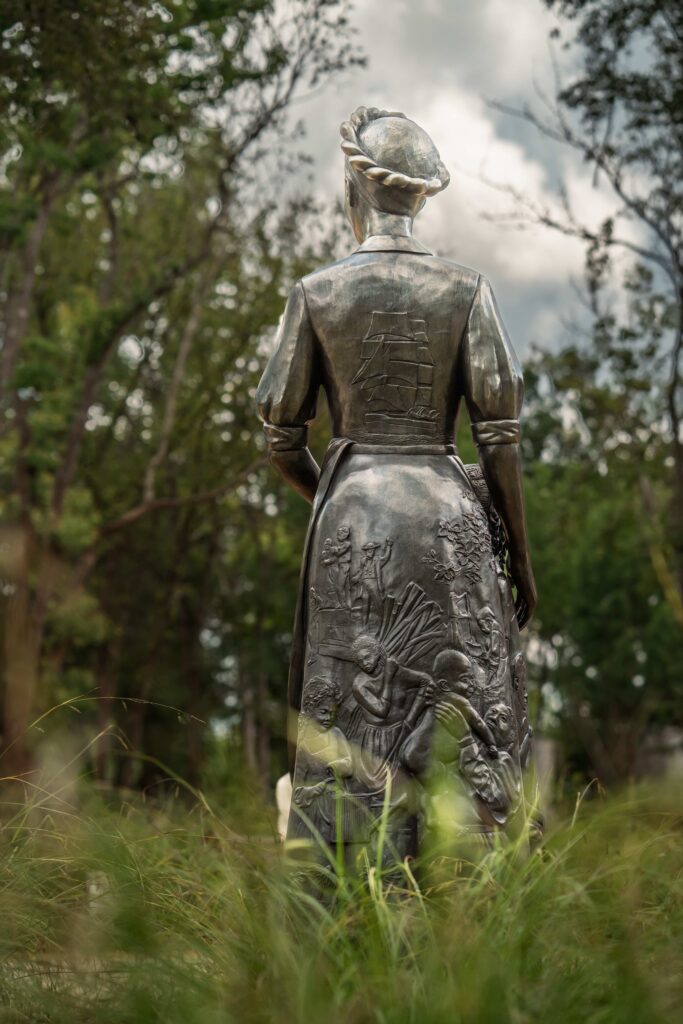
The park is an open-air gallery, featuring world-class art that animates the stories of those who endured slavery. Sculptures like Mama, I Hurt My Hand by Kwame Akoto-Bamfo and Waiting for Auction by Vinnie Bagwell are not merely decorative; they are integral to the narrative, evoking empathy and prompting reflection on the profound human cost of slavery. Akoto-Bamfo’s work, known for its powerful depiction of West African history and the transatlantic slave trade, brings a visceral connection to the origins of the enslaved. Bagwell’s sculptures similarly capture moments of anguish and resilience, drawing visitors into the personal experiences of individuals. These artistic expressions are complemented by artifacts and interpretive panels, creating a multi-sensory and deeply emotional educational environment.
Crucially, the park also dedicates space to acknowledge the pre-colonial history of the land. The inclusion of Muscogee (Creek) connections is a vital recognition of the Indigenous peoples who inhabited these lands for millennia before European colonization and the subsequent establishment of the slave economy. This holistic approach ensures that visitors understand the complex layers of history that shaped the region, offering a more complete picture than narratives often limited to post-colonial periods.
The National Monument to Freedom: A Legacy Engraved
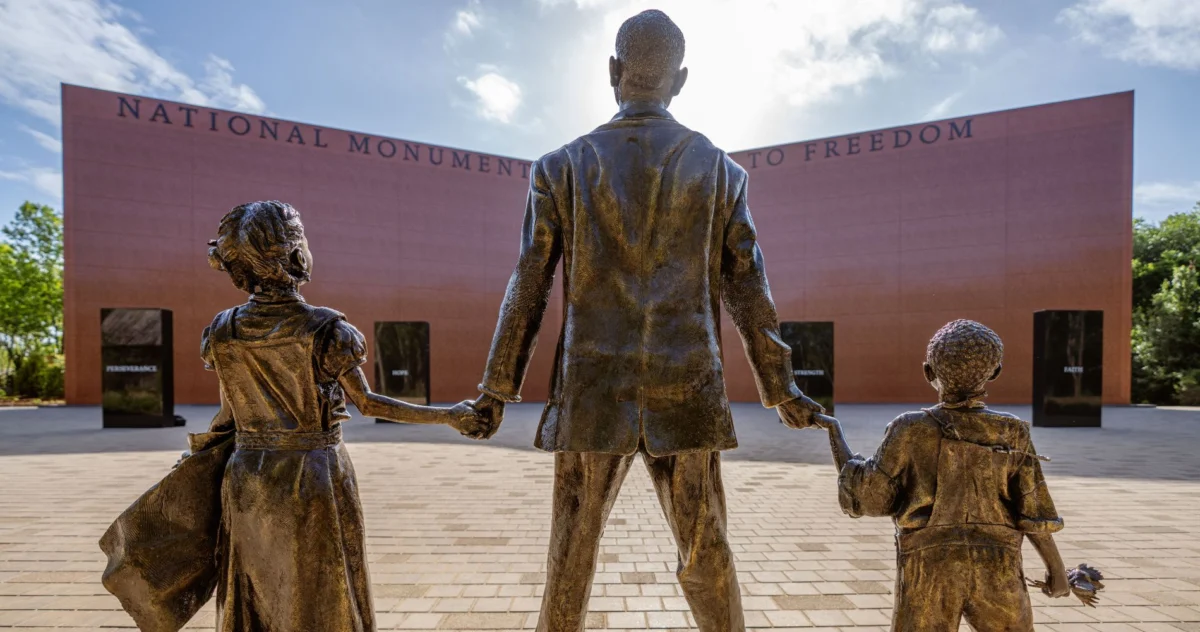
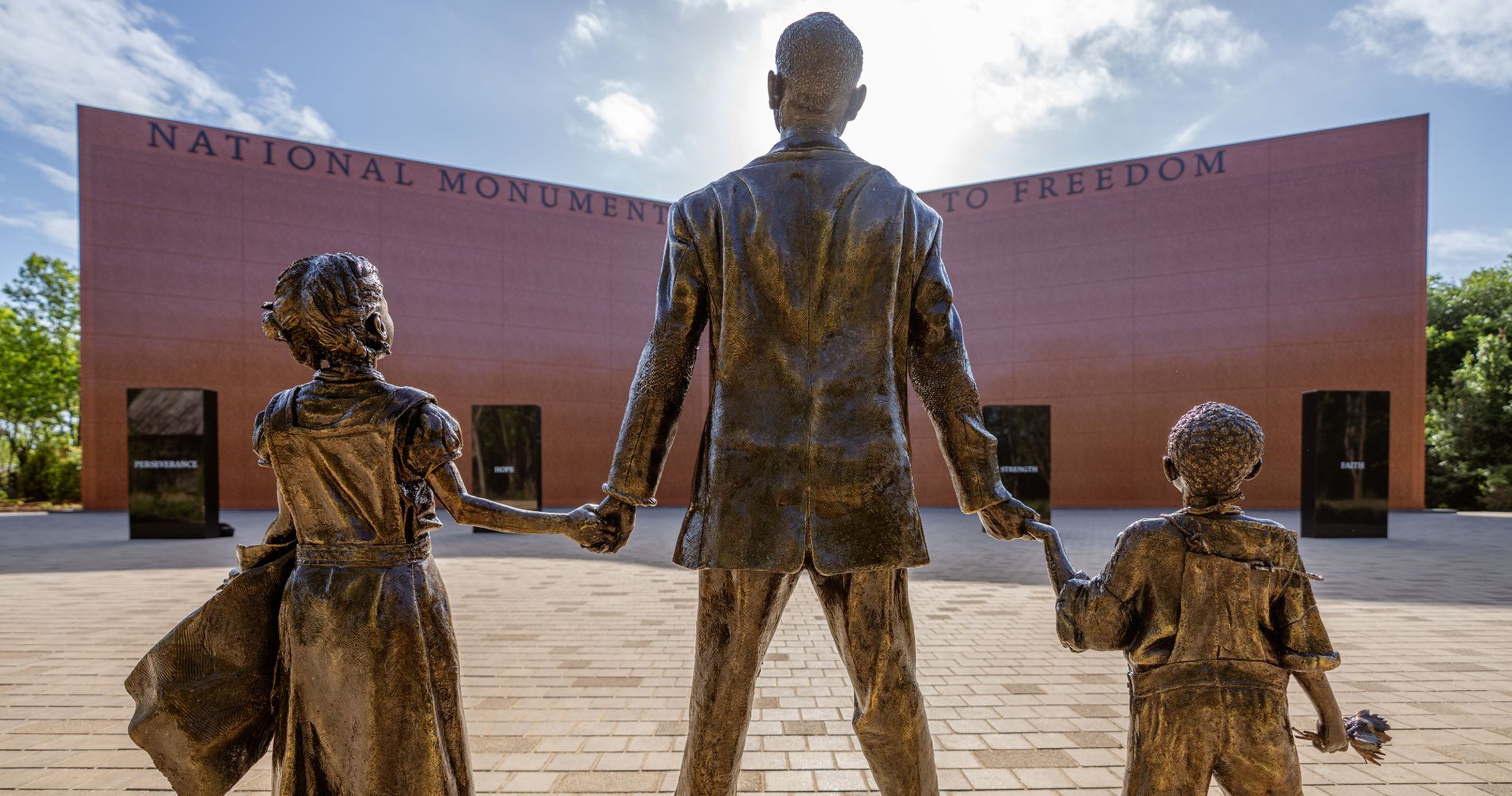
At the heart of the Freedom Monument Sculpture Park stands the National Monument to Freedom, a towering and deeply moving centerpiece. This monument is dedicated to honoring four million formerly enslaved people, a staggering number that represents a foundational population of American society. Its walls are etched with nearly 120,000 surnames derived from the 1870 census, a profound testament to resilience and the enduring power of family.
The 1870 census holds unparalleled significance in American history, particularly for Black Americans. Occurring just five years after the end of the Civil War and the ratification of the 13th Amendment abolishing slavery, it represented the first federal census in which formerly enslaved people could legally register their chosen family names. For generations, enslaved individuals were often denied surnames, assigned names by enslavers, or stripped of their ancestral identities. The act of officially registering a family name in the 1870 census was a powerful exercise of newfound liberty, a declaration of personhood, and an expression of deeply rooted hope for the future. It was an assertion of autonomy and identity after centuries of dehumanization.
The names engraved on the National Monument to Freedom are not merely historical records; they represent millions of Black families today. EJI has implemented innovative technology to allow visitors to engage directly with this powerful record. Using their personal phones or provided tablets, visitors can search for specific family names on the monument, facilitating a deeply personal connection to the historical narrative. The ability to reach out and touch these names transforms a historical fact into a tangible, emotional experience, linking past struggles with present-day identities.
Beyond the monument itself, the visitor center offers further opportunities for genealogical exploration. Interactive kiosks provide direct access to EJI’s comprehensive census database, allowing individuals to delve deeper into their family histories and trace connections to the names etched on the monument. This commitment to personal connection and genealogical research empowers visitors to understand their own place within the broader tapestry of American history, fostering a sense of ownership and personal stake in the narrative.
EJI’s Broader Impact and Expert Commentary
EJI Director Bryan Stevenson articulated the profound purpose of the park: "Freedom Monument Sculpture Park is a special place for millions of people who want to reckon with the history of slavery and honor the lives of people who endured tremendous hardship but still found ways to love in the midst of sorrow." He emphasized the enduring legacy of perseverance and hope, stating, "Many of us are the heirs to that extraordinary perseverance and hope. There is a lot to learn at this site and we want everyone to experience it." Stevenson’s vision is rooted in the belief that true reconciliation and progress require a truthful engagement with history, no matter how painful.
The Travel + Leisure recognition is anticipated to have significant implications. For Montgomery, it means increased visibility and a likely boost in tourism. The city has already seen a surge in visitors since the opening of the other Legacy Sites, with economic benefits extending to local businesses, hotels, and restaurants. This new designation reinforces Montgomery’s position as a vital destination for heritage tourism, particularly for those interested in Civil Rights and African American history. Local officials and tourism boards are expected to leverage this honor to promote the city as a cultural and historical hub, attracting a broader demographic of travelers.
Historians and educators also view this recognition as critical. Dr. Carla Williams, a professor of American history specializing in the Reconstruction Era, commented, "To have a major travel publication highlight a site dedicated to the complexities of slavery and its aftermath for the nation’s 250th anniversary is incredibly significant. It signals a shift in how we, as a country, are choosing to remember our past. It’s an acknowledgment that confronting difficult truths is essential to understanding who we are today." The park serves as a vital educational resource, offering curated programs for students and teachers, ensuring that future generations engage with this crucial history.
The broader implication is the continued national reckoning with America’s racial past. By elevating sites like the Freedom Monument Sculpture Park to "essential experiences," Travel + Leisure helps to normalize and encourage engagement with narratives that have historically been marginalized or suppressed. As the United States approaches its semiquincentennial in 2026, there is a growing national conversation about how to commemorate this milestone – whether to focus solely on celebratory aspects or to embrace a more complete, nuanced understanding of the nation’s journey, including its profound struggles and injustices. EJI’s Legacy Sites, now prominently featured, offer a powerful framework for this more comprehensive reflection. They invite visitors not just to observe history but to confront it, to feel its weight, and to understand its enduring impact on contemporary society. This kind of historical engagement is crucial for fostering empathy, promoting justice, and building a more equitable future.
In conclusion, the Freedom Monument Sculpture Park stands as a testament to EJI’s unwavering commitment to historical truth and reconciliation. Its designation by Travel + Leisure as an essential American experience for the nation’s 250th birthday firmly places it on the national stage, inviting millions to engage with a vital, often painful, but ultimately hopeful chapter of American history. Through powerful art, compelling narratives, and interactive engagement, the park offers an unparalleled opportunity to honor the past, understand the present, and inspire a more just future.