The intersection of individual autonomy and partner expectations remains a complex focal point in contemporary relationship psychology, particularly concerning physical appearance. Recent discourse surrounding a six-year relationship has highlighted the friction that can arise when one partner undergoes a radical aesthetic transformation without prior consultation. In this specific case, an individual with a history of experimental hair styles—ranging from waist-length dark blonde to shoulder-length pastel pink—transitioned to a short, purple hairstyle, triggering a significant emotional and interpersonal crisis. This event serves as a case study for broader discussions on gender presentation, the psychology of hair, and the management of change within long-term commitments.
Chronology of Aesthetic Evolution and Relationship Milestones
The subject’s history of physical transformation provides a longitudinal view of how aesthetic choices correlate with relationship stages. According to the reported history, the individual possesses naturally thick, wavy, dark blonde hair, which has served as a primary canvas for self-expression.
In the first year of the relationship, the subject performed a significant "chop," reducing the length from the waist to the shoulders and dyeing the hair pastel pink. At that time, the partner—described as a "tomboy" with a commitment to radical honesty—expressed immediate disapproval. While this caused initial tension, the couple navigated the conflict through open communication, ultimately prioritizing the subject’s personal satisfaction with the look.
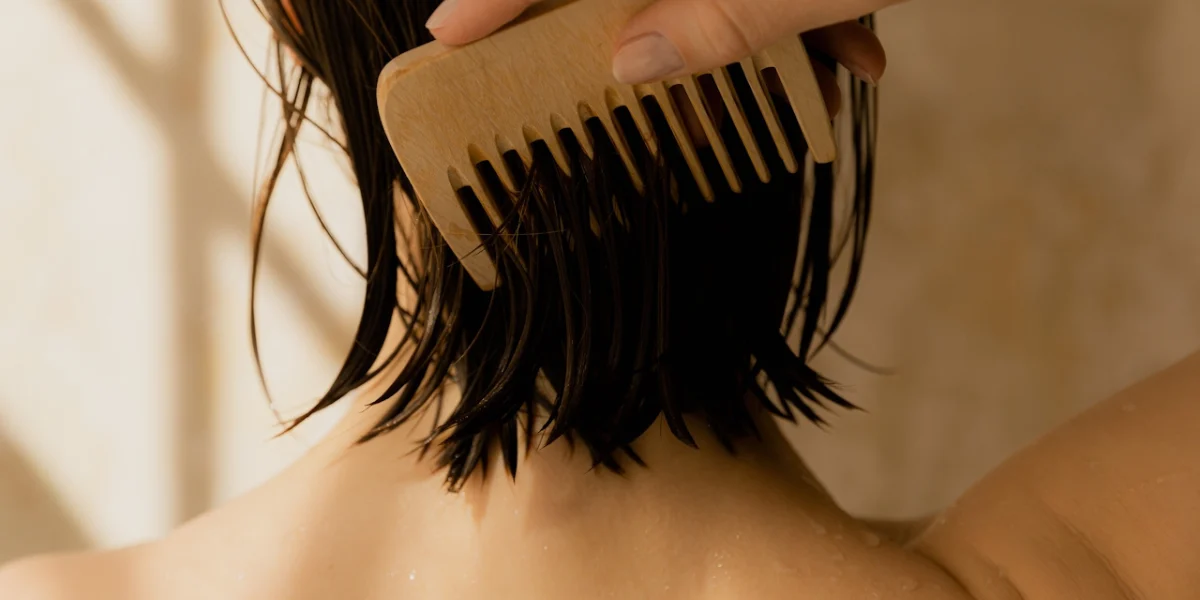
In the subsequent five years, the subject allowed the hair to return to a significant length. However, citing the logistical burdens of maintenance, including tangles and the time required for care, the subject recently opted for a second radical change. Without prior notification to her partner, the subject cut the hair very short and applied a purple dye. Unlike the previous transformation, this latest change was met with internal dissatisfaction; the subject reported feeling insecure about the cut due to perceived signs of aging and a lack of the "queer affirmation" she had previously associated with short, vibrant hair.
The Psychological Impact of Hair on Identity and Self-Esteem
Hair is frequently cited by sociologists and psychologists as one of the most prominent aspects of human appearance, deeply tied to both personal identity and social signaling. For many individuals, particularly within the LGBTQ+ community, hair serves as a tool for gender affirmation and a way to navigate the spectrum of femininity and masculinity.
Data suggests that physical changes can trigger a form of temporary bodily dysphoria or an adjustment period. Psychological experts note that even when a change is desired, the "mirror image" discrepancy—where the person in the reflection does not match the internal self-schema—can lead to significant distress. In this case, the subject reported feeling "like an old lady with crazy hair" rather than feeling empowered. This internal insecurity was exacerbated by the partner’s reaction. The partner, characterized as having "no poker face," expressed that the change was substantial and required an adjustment period, while simultaneously stating a preference for the previous long, blonde aesthetic.
Interpersonal Dynamics and the "Honesty vs. Sensitivity" Conflict
A central theme in this case is the role of "radical honesty" within a partnership. The partner’s inability or unwillingness to mask her preference for long hair created a feedback loop of insecurity for the subject. While honesty is often championed as a pillar of healthy relationships, clinical psychologists argue that the delivery of such honesty is critical.
In long-term partnerships, "change management" becomes a vital skill. Research into relationship longevity indicates that while attraction is often sparked by specific traits, successful couples must adapt as those traits inevitably evolve due to aging, health changes, or personal choice. The subject’s partner’s bluntness, while perhaps intended as transparency, functioned as a "turn-off" mechanism, leading the subject to doubt the sincerity of subsequent compliments or positive affirmations.
Broader Implications of Gender Presentation in Queer Relationships
The case also touches upon the nuances of gender presentation within queer dynamics. The subject expressed concern that her short hair might make her appear "less feminine" to her tomboy partner, potentially impacting their romantic chemistry. This highlights a common paradox in queer relationships where traditional markers of femininity and masculinity are both subverted and, at times, subconsciously reinforced.
The subject felt a loss of "queer affirmation," a term used to describe the feeling of one’s outward appearance aligning with their internal queer identity. When a haircut intended to affirm this identity instead results in a feeling of "ageing" or "unattractiveness," the psychological blow is doubled. It suggests that the "queer aesthetic" is not a monolith but a deeply personal set of signifiers that can fail to land if the execution—or the partner’s reception—is misaligned.
Statistical Context and Supporting Data on Physical Change
Studies on relationship satisfaction often point to "physical attraction maintenance" as a key variable. A study published in the Journal of Social and Personal Relationships indicates that while physical changes (such as weight gain or hair loss) can temporarily lower attraction levels, the strength of the "attachment bond" usually compensates for these shifts in long-term couples.
Furthermore, data on the "psychology of the salon" suggests that approximately 80% of women feel that their hair directly impacts their self-confidence. When a "failed experiment" occurs, the recovery time is dictated by the biological rate of hair growth—roughly half an inch per month. This creates a mandatory "waiting period" that can test the emotional resilience of both the individual and the relationship.
Analysis of Implications for Relationship Stability
The situation presents several implications for the future of the six-year partnership. Relationship experts suggest the following factors will determine the outcome:
- Autonomy vs. Partnership: The subject expressed a desire to "handle [her] appearance on [her] own." This tension between individual agency and the desire to be attractive to a partner is a universal struggle. A healthy resolution requires the partner to acknowledge the subject’s right to bodily autonomy, while the subject must find a way to decouple her self-worth from her partner’s immediate visual preferences.
- The Adjustment Period: Neurological research into "visual habituation" suggests that the partner’s "shock" is a physiological response to a broken pattern. Over time, the new image becomes the "new normal," and the initial "turn-off" response often fades as the brain integrates the new data.
- Communication Protocols: The "surprise" element of the haircut was a significant factor in the partner’s negative reaction. Establishing protocols for discussing major physical changes—not for "permission," but for "preparation"—can mitigate the shock factor in future instances.
Conclusion and Future Outlook
The case of the "purple hair transition" is more than a trivial matter of aesthetics; it is a complex interaction of self-perception, partner validation, and the evolution of queer identity. For the subject, the path forward involves "waiting out" the physical growth while actively working to stabilize her self-esteem independent of her partner’s "poker face" reactions.
For the partnership to remain viable, the couple must navigate the transition from "conditional" attraction based on specific traits to a more resilient form of love that accommodates the ebb and flow of physical appearance. As the purple dye fades and the hair regrows, the opportunity for new experiments—and new conversations about boundaries and honesty—will arise. The ultimate goal, as identified by the subject, is to "feel like herself," a state of being that is ideally supported, but not defined, by the person she chooses to love.
In the broader context of social trends, this case reflects a growing movement toward "aesthetic freedom" within relationships, where individuals increasingly prioritize self-expression over traditional beauty standards, challenging their partners to grow alongside them in the process.