Narrative Overview and Core Conflict
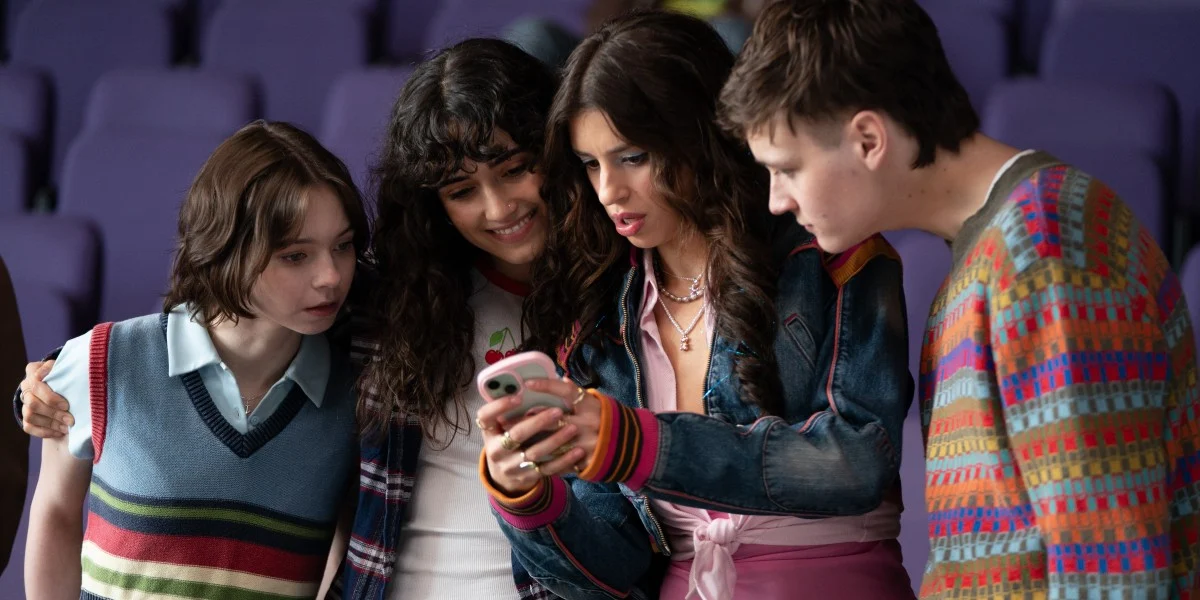
The second season consists of six episodes that follow Pip Fitz-Amobi, portrayed by Emma Myers, as she grapples with the aftermath of the events in season one. Despite her initial vow to abandon her "Scooby-Doo" detective work due to the danger it brought to her family and friends, Pip finds herself drawn back into the world of investigation. The central plot revolves around two primary arcs: the disappearance of Jamie Reynolds, the brother of one of Pip’s friends, and the high-profile trial of Max Hastings.
The Jamie Reynolds case serves as the season’s catalyst. When the local police refuse to categorize Jamie’s disappearance as a missing persons case—attributing his absence to a young adult simply "taking space"—Pip utilizes her true crime podcast, A Good Girl’s Guide to Murder, to crowdsource information and pressure the authorities. This dynamic highlights a recurring theme in the series: the perceived inadequacy of official law enforcement and the power of digital media in modern investigations.
Simultaneously, the legal proceedings against Max Hastings, played by Henry Ashton, provide a backdrop of systemic tension. Hastings faces charges of sexual assault stemming from the previous season’s revelations. This subplot explores the complexities of the legal system, specifically how wealth, social standing, and race can influence the outcome of criminal trials, often at the expense of the victims.
Chronology of the Franchise and Production Context
The television adaptation of A Good Girl’s Guide to Murder follows a clear timeline rooted in the literary success of Holly Jackson’s novels. The first book was published in 2019, quickly becoming a global sensation and revitalizing the young adult mystery genre. Following the success of the first season, which debuted on BBC Three in the United Kingdom before moving to Netflix for international distribution, the production of the second season was fast-tracked to capitalize on the series’ viewership.
The second season covers the events of the second novel, Good Girl, Bad Blood. This progression mirrors the growth of the characters as they transition from high school students to young adults facing more adult-oriented consequences. The production, handled by Moonage Pictures, maintains the aesthetic of the fictional town of Little Kilton, but the cinematography and pacing have been adjusted to reflect the increased tension and psychological weight of the new mysteries.
Analysis of Character Development and Interpersonal Dynamics
The character of Pip Fitz-Amobi undergoes a significant transformation in the second season. While the first season depicted her as an idealistic student motivated by a school project, the second season portrays a protagonist burdened by obsession and the weight of her discoveries. Emma Myers delivers a performance that emphasizes Pip’s desperation and her struggle to maintain the "good girl" persona while making morally ambiguous choices.
The relationship between Pip and Ravi Singh, played by Zain Iqbal, remains a central pillar of the series. However, their partnership is tested by the mounting danger and Pip’s single-minded focus on the Jamie Reynolds case. The show examines how obsessive pursuits can isolate individuals from their support systems, a theme that extends to Pip’s relationship with her best friend, Cara Ward.
Asha Banks returns as Cara, but her role in the second season is marked by a growing rift between her and Pip. This friction stems from the fallout of the first season’s revelations, which directly impacted Cara’s family. The narrative choice to distance Cara from the central "group shenanigans" has been a point of discussion among viewers, as it shifts the focus from the camaraderie of the ensemble to the isolation of the lead investigator.
Evaluation of Representation and Social Commentary
A significant portion of the discourse surrounding the second season involves the representation of LGBTQ+ characters. In the first season, Cara Ward was established as a queer character, and her burgeoning relationship with Ruby, played by Orla Hill, was a notable subplot. However, in the second season, this aspect of her identity is less emphasized.
While Cara remains a core cast member, the lack of explicit screen time dedicated to her romantic life or queer identity has led to critiques regarding the visibility of LGBTQ+ narratives in mainstream media. Some analysts suggest that this reduction may be due to external factors, such as filming schedules or a closer adherence to the source material’s plot, where Cara’s arc is more focused on her family’s grief than her personal relationships.
This shift in focus has been evaluated through what some critics call the "visibility test"—the question of whether a casual viewer would recognize a character’s identity if it is not actively integrated into the dialogue or plot. In the context of the second season, the show leans more heavily into its thriller elements, which some argue comes at the expense of character-driven representation.
Systemic Critique and the Justice System
The second season of A Good Girl’s Guide to Murder functions as a critique of the British justice system. By juxtaposing the Jamie Reynolds investigation with the Max Hastings trial, the series illustrates the discrepancies in how justice is served.
- Police Negligence: The refusal of the police to investigate Jamie’s disappearance highlights the limitations of bureaucratic protocols and the potential for institutional apathy.
- Privilege in the Courtroom: The Max Hastings trial serves as a commentary on how defendants with significant social and financial capital can navigate the legal system more effectively than their accusers.
- Vigilantism vs. Law: Pip’s decision to take matters into her own hands raises questions about the ethics of amateur investigation. The series suggests that while her actions may lead to the truth, they also bypass the due process intended to protect the rights of all parties involved.
These themes resonate with contemporary discussions regarding the role of true crime in society. The show acknowledges that these crimes are not merely "podcast fodder" but involve real people with lasting trauma, a lesson Pip is forced to learn through increasingly dangerous encounters.
Broader Impact and Future Implications
The success of A Good Girl’s Guide to Murder on Netflix underscores the continued demand for high-quality young adult thrillers. The series has managed to bridge the gap between traditional mystery tropes and modern social issues, making it relevant to a broad demographic.
The implications of the second season’s conclusion suggest a potential third season, which would likely adapt the final book in the trilogy, As Good As Dead. The narrative trajectory of the series indicates that any future installments will likely be even darker, as Pip Fitz-Amobi continues to confront the reality that the world is not always just and that "good" people are often forced to make impossible choices.
From a production standpoint, the series demonstrates the viability of adapting popular YA literature into serialized content for streaming platforms. The international reach of Netflix has allowed the series to find an audience far beyond the United Kingdom, cementing the franchise’s status as a significant entry in the 21st-century mystery genre.
In conclusion, the second season of A Good Girl’s Guide to Murder provides a complex, high-stakes continuation of Pip Fitz-Amobi’s story. While it faces criticism regarding the depth of its secondary character arcs and representation, its focus on systemic failure and the psychological toll of investigation offers a compelling narrative for viewers seeking more than a standard detective procedural. The series remains a hallmark of modern YA television, balancing entertainment with a sober look at the pursuit of truth in a flawed world.