The Paradigm Shift in Celebrity Self-Representation
The contemporary media landscape has moved away from the era of the elusive movie star toward a model of "curated intimacy." For LGBTQ+ celebrities, this platform is not merely a tool for vanity but a strategic space for asserting identity in an industry that has historically marginalized queer voices. By bypassing traditional press junkets and tabloid narratives, figures like Meg Stalter and Liv Hewson utilize digital spaces to control their public personas.
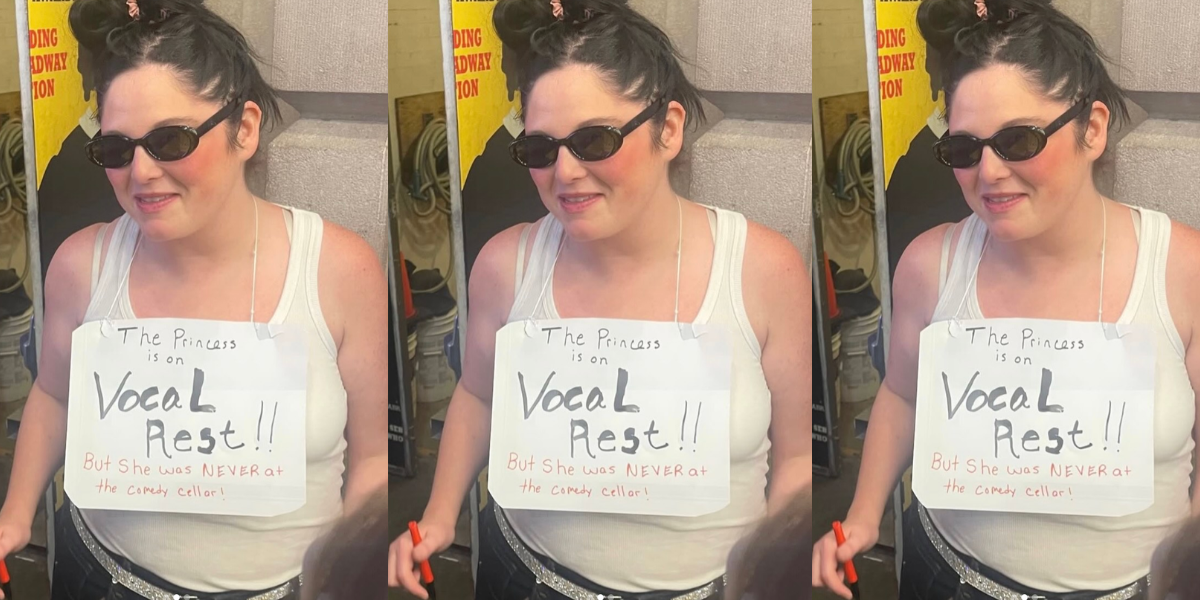
Meg Stalter, a breakout star of the HBO series Hacks, has leveraged her background in alternative comedy to create a digital presence that oscillates between absurdist performance and personal updates. Her recent social media engagements highlight a growing trend where comedic "bits" are seamlessly integrated into the lifestyle content expected of modern influencers. This approach not only maintains fan engagement but also reinforces her brand as a boundary-pushing entertainer who refuses to adhere to conventional celebrity archetypes.
Prestige Television and the Expansion of Queer Narratives
The digital discourse surrounding television productions such as The Gilded Age and Yellowjackets underscores the increasing demand for queer representation in prestige media. While The Gilded Age focuses on the rigid social hierarchies of late 19th-century New York, its reception among LGBTQ+ audiences highlights the importance of inclusive casting and historical queer visibility. Despite the show’s traditional period-drama structure, its resonance with modern viewers suggests a desire for narratives that reflect a broader spectrum of human experience within historical contexts.
Similarly, the career trajectory of Liv Hewson, known for their role in the survival drama Yellowjackets, reflects a broader shift toward the acceptance of non-binary identities in Hollywood. Hewson’s public advocacy for gender-neutral acting categories and their consistent presence in high-profile projects serve as a bellwether for industry change. Data from GLAAD’s 2023-2024 "Where We Are on TV" report indicates that while the total number of LGBTQ+ characters has seen fluctuations due to industry-wide strikes and cancellations, the quality and depth of these roles continue to improve, driven in part by the vocal presence of actors like Hewson on social platforms.
The Economics of Modern Touring and the Music Industry
The music industry has undergone a radical transformation, with live performances now serving as the primary revenue driver for artists in the streaming era. Lucy Dacus, a member of the critically acclaimed group boygenius and a successful solo artist, exemplifies the grueling nature of the modern tour cycle. The observation that "tours last a long time" is more than a casual remark; it is a reflection of the economic necessity for artists to remain on the road for extended periods.
Data from Pollstar indicates that the live music industry reached record-breaking revenues in 2023, yet the physical and mental toll on artists remains a significant concern. Dacus’s documentation of her life on tour provides fans with a realistic look at the labor behind the art, fostering a deeper sense of loyalty and community. This transparency is particularly resonant within the LGBTQ+ community, where artists often serve as cultural touchstones and advocates for their audience.
Public Identity and the Evolution of Reality Television
The relationship between Chrishell Stause and G Flip represents a milestone in the integration of queer narratives into mainstream reality television. Selling Sunset, a program initially centered on the heteronormative aesthetics of luxury real estate, has adapted to include the genuine domestic life of Stause and G Flip. This transition has been documented extensively through social media, where the couple balances professional promotion with personal milestones.
The public’s reaction to their relationship—ranging from celebratory to analytical—reflects a broader cultural shift in how queer joy is consumed and validated. By sharing intimate moments, such as birthday celebrations and career achievements, they challenge the "tragic" tropes often associated with queer stories in media. Their presence on social media serves as a counter-narrative to traditional tabloid sensationalism, offering a controlled look at a high-profile queer partnership.
Kristen Stewart and the Modern Queer Iconography
Kristen Stewart remains a central figure in the discourse surrounding queer celebrity. Her transition from a franchise blockbuster star to an Academy Award-nominated actress and indie cinema mainstay has been mirrored by her increasingly authentic public persona. Stewart’s ability to maintain a high degree of privacy while still engaging in major cultural moments—such as high-fashion campaigns and independent film promotion—demonstrates a sophisticated understanding of modern fame.
Her career choices, including the recent queer-coded thriller Love Lies Bleeding, signify a deliberate effort to center queer experiences in cinema. Industry analysts note that Stewart’s "cool factor" and refusal to conform to traditional feminine expectations have made her a pivotal figure for a new generation of queer youth who value authenticity over artifice. Her digital presence, often mediated through professional photography and fan-shared content, reinforces her status as a tastemaker in both the fashion and film industries.
Broadway, Reddit, and the Impact of Digital Gossip
The intersection of theater and digital discourse has become increasingly complex, as evidenced by recent rumors circulating on platforms like Reddit regarding Broadway productions. The theater world, historically a sanctuary for LGBTQ+ talent, now faces the scrutiny of online communities that can influence a show’s reputation and commercial success within hours.
The mention of "Broadway is hard work" in the context of online rumors highlights the vulnerability of stage actors to digital speculation. In an environment where ticket sales are heavily influenced by social media sentiment, the ability of performers to manage their digital narratives is crucial. This phenomenon underscores the dual nature of the internet: it is both a platform for community building and a source of potential professional disruption.
Chronology of Recent Cultural Engagements
The recent surge in social media activity among these figures can be traced through a series of key events:
- Late Spring 2024: The conclusion of major television seasons led to an increase in "behind-the-scenes" content from actors like Meg Stalter and Liv Hewson.
- Summer 2024: The peak of the international music festival and touring season saw artists like Lucy Dacus and G Flip maintaining high visibility across North America and Europe.
- July 2024: Significant personal milestones, including birthdays and anniversaries among high-profile couples like Stause and G Flip, generated high engagement rates on Instagram.
- August 2024: Pre-production news and casting announcements for the upcoming Broadway season sparked renewed discussion on Reddit and other community forums.
Broader Implications for the Entertainment Industry
The strategic use of social media by LGBTQ+ celebrities has broader implications for the entertainment industry at large. First, it demonstrates the power of direct-to-consumer engagement, reducing the reliance on traditional publicists. Second, it highlights the commercial viability of queer authenticity. Brands and studios are increasingly recognizing that an artist’s genuine connection with the LGBTQ+ community can translate into significant cultural and financial capital.
Furthermore, the "meeting of minds" often seen in digital spaces—where influential queer creators interact publicly—serves to solidify a sense of collective power. When figures like Alison Bechdel, Lena Waithe, or other pioneers appear in the digital orbits of younger stars, it reinforces a lineage of queer creativity that inspires both audiences and industry professionals.
In conclusion, the digital activities of figures like Meg Stalter, Kristen Stewart, and their peers are more than mere updates; they are a sophisticated form of cultural labor. By documenting their lives, careers, and interactions, they are actively shaping the narrative of what it means to be a queer public figure in the modern era. As the boundaries between the personal and the professional continue to blur, the importance of this strategic visibility will only grow, ensuring that LGBTQ+ voices remain at the forefront of the global cultural conversation.