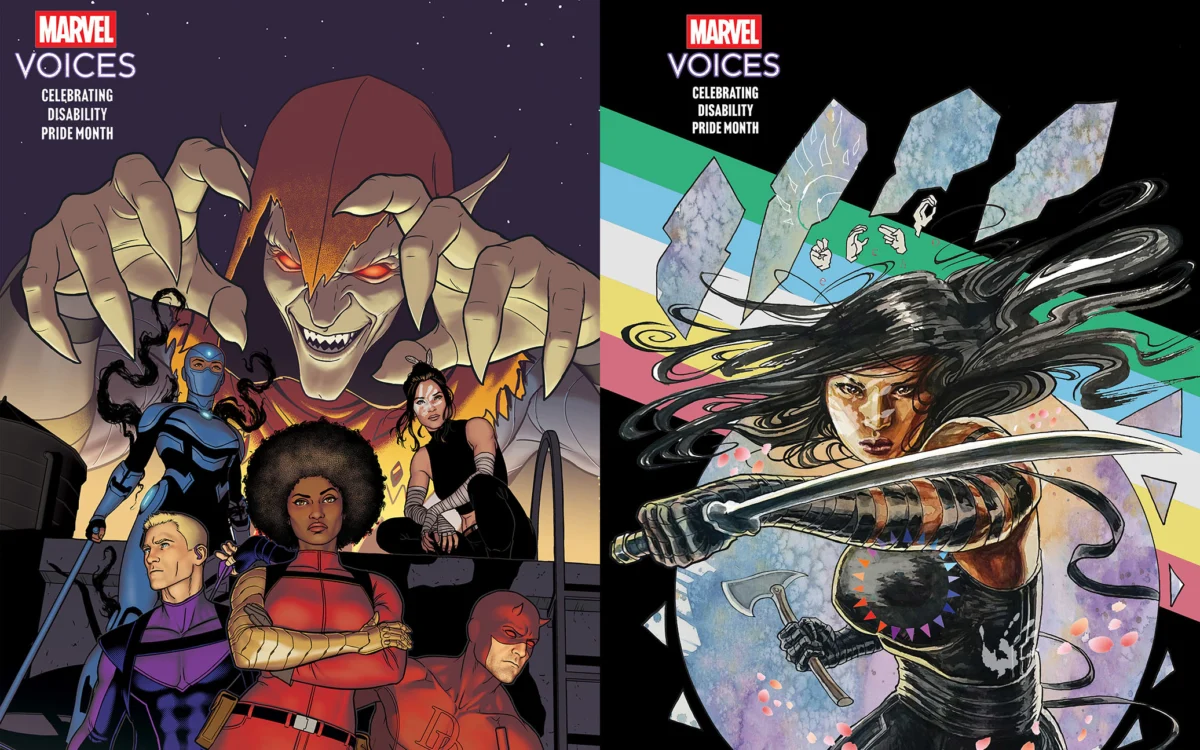
In a significant move to amplify representation and celebrate the contributions of individuals with disabilities, Marvel Comics is set to release a series of special comic issues throughout July, coinciding with Disability Pride Month. These upcoming publications will spotlight six iconic Marvel heroes, each living with a disability, in a move that aims to inspire readers and foster greater understanding and inclusion within the superhero genre. The initiative is part of Marvel’s ongoing “Marvel’s Voices” program, which is dedicated to exploring the diverse backgrounds, journeys, and identities within the expansive Marvel Universe.
The special features will appear as backup stories within four highly anticipated comic titles: “Amazing Spider-Man #32,” “Uncanny X-Men #31,” “Fantastic Four #14,” and “Wolverine #24.” This strategic release schedule ensures that these narratives reach a broad audience as readers engage with ongoing popular storylines. The selected heroes represent a spectrum of disabilities, including Daredevil, who is blind; Misty Knight, an amputee; Echo, who is deaf; Hawkeye, who experiences hearing loss; Silhouette, who is paraplegic; and Finesse, a character who navigates challenges with social situations. Their inclusion is intended to reflect the reality of disability and showcase the inherent strengths and resilience of individuals who live with these experiences.
A Multifaceted Approach to Representation
The decision by Marvel Comics to dedicate specific issues to characters with disabilities is a notable development in the ongoing conversation about representation in popular culture. For years, the superhero genre, while often celebrated for its aspirational figures, has faced scrutiny for its limited portrayal of diverse identities. By intentionally centering characters with disabilities, Marvel is not only acknowledging their presence but actively celebrating their heroism and the unique perspectives they bring to the narrative.
The chosen heroes are not new to the Marvel Universe, but their specific challenges and strengths are being brought to the forefront in these special editions. Daredevil’s blindness, for instance, has long been a central aspect of his character, shaping his enhanced senses and unique crime-fighting methods. Misty Knight, an accomplished detective and businesswoman, showcases resilience and adaptability as an amputee. Echo, a deaf superhero, has become a prominent figure, demonstrating extraordinary combat skills and a powerful presence. Hawkeye’s struggles with hearing loss, particularly in more recent comic iterations and adaptations, have resonated with many. Silhouette’s paraplegia highlights her strategic prowess and agility in navigating the world and combat. Finesse, a more recent addition, represents characters who may experience disabilities that are less visible but equally impactful on their interactions and experiences.
Chronology of Releases and Storyline Details
The rollout of these special issues is meticulously planned to align with Disability Pride Month, which is observed annually in July. The release schedule is as follows:
- July 1: “Amazing Spider-Man #32” will be the first to feature a disability-focused backup story.
- July 8: “Uncanny X-Men #31” will continue the series of special features.
- July 15: “Fantastic Four #14” will showcase another prominent hero’s narrative.
- July 22: “Wolverine #24” will conclude the initial wave of these featured stories.
While specific plot details for each backup story are being kept under wraps to build anticipation, Marvel has provided a general overview of the overarching narrative. The heroes are expected to unite in an effort to protect Colleen Wing from a formidable threat. This collaborative storyline is designed to emphasize the power of community, mutual support, and the strength that arises when individuals with diverse abilities come together. The narrative promises an action-packed adventure that underscores the importance of uplifting one another.
The Significance of Disability Pride Variant Covers
Adding another layer of visual celebration, each of these issues will also feature a unique disability pride variant cover. These covers are expected to incorporate symbols and imagery associated with disability pride, offering a direct and visible acknowledgment of the month’s significance. Variant covers have become a popular collectible among comic enthusiasts, and these special editions are likely to garner significant attention from both long-time fans and new readers interested in the themes of inclusivity. The artwork on these covers will serve as a powerful visual statement, reinforcing Marvel’s commitment to representation.
Voices of Inspiration: Creators and Their Perspectives
The creative teams behind these special issues are integral to their success and impact. Andrea Di Vito, who provided the artwork for these new stories, shared his perspective on the importance of this initiative. “Superheroes are meant to inspire us to be better, but sometimes we forget that the greatest inspirations come from real life,” Di Vito stated. “People with disabilities prove to each and every one of us that the true measure of our worth is our spirit and our will, not the limitations of our bodies.” This sentiment highlights a core belief that the inherent qualities of individuals, their determination and spirit, are far more defining than any physical or cognitive differences.
The "Marvel’s Voices" program itself has a history of championing diverse storytelling. Launched in 2020, the series has consistently aimed to broaden the scope of Marvel narratives by highlighting characters from various backgrounds, including different ethnicities, sexual orientations, and gender identities. This expansion into featuring characters with disabilities is a natural and significant extension of that mission. The program’s overarching goal is to reflect the real world’s rich tapestry of human experience within the fantastical realm of superheroes.
Broader Context and Implications of Increased Representation
The move by Marvel Comics is occurring within a broader cultural shift toward greater inclusivity and accessibility. In recent years, there has been a heightened awareness and demand for authentic representation of marginalized groups across all media. Data from disability advocacy groups consistently shows that individuals with disabilities are often underrepresented or misrepresented in media. For example, studies have indicated that while approximately 15-20% of the global population lives with a disability, their on-screen or in-print presence often falls far short of this figure. This underrepresentation can lead to feelings of invisibility and can perpetuate harmful stereotypes.
Marvel’s proactive approach can have several positive implications:
- Increased Visibility and Normalization: By featuring heroes with disabilities in prominent storylines, Marvel contributes to the normalization of disability. This can help to dismantle misconceptions and reduce stigma associated with various disabilities.
- Empowerment and Role Models: For young readers and adults with disabilities, seeing characters who share their experiences and are portrayed as powerful, capable, and heroic can be profoundly empowering. These characters can serve as vital role models, demonstrating that disability does not preclude heroism or success.
- Inspiration for Creators: This initiative may encourage other comic book publishers and media creators to explore more diverse character representation, fostering a more inclusive landscape for storytelling.
- Economic Impact: The success of these issues could demonstrate a significant market for diverse stories, encouraging further investment in such content. While specific sales figures for these special issues are not yet available, the general trend in entertainment suggests that audiences are increasingly seeking out authentic and diverse narratives.
The Evolution of Disability Representation in Comics
The inclusion of characters with disabilities in comic books is not entirely new, but the current emphasis and the strategic rollout during Disability Pride Month mark a significant evolution. Historically, characters with disabilities were sometimes portrayed with a focus on pity, tragedy, or as overcoming their disability as a sole defining characteristic. More contemporary portrayals, like those Marvel is highlighting, tend to integrate disability as a facet of a character’s identity, showcasing their strengths and resilience without defining them solely by their challenges.
For instance, Daredevil’s blindness has been a source of his unique abilities and perspective since his inception. Misty Knight’s prosthetic arm has been depicted as an enhancement and a symbol of her strength. Echo’s deafness is a fundamental aspect of her sensory experience and combat style. This shift from a narrative of overcoming to one of integration and inherent strength is crucial for authentic representation.
Looking Ahead: A Continued Commitment?
The success of these special issues will likely influence Marvel’s future content strategy. The "Marvel’s Voices" program has proven to be a successful platform for exploring diverse narratives. The positive reception and engagement from readers and critics alike could pave the way for more consistent and in-depth exploration of characters with disabilities across various Marvel titles.
As Disability Pride Month unfolds, these special comic issues stand as a testament to the power of representation in media. By placing heroes with disabilities at the forefront, Marvel Comics is not only celebrating these characters and their experiences but also contributing to a more inclusive and understanding world, one comic book at a time. The emphasis on community, individual spirit, and the inherent heroism within every person, regardless of ability, offers a powerful message that resonates far beyond the pages of a comic.