The Equality Trust, a leading UK-based advocacy organization dedicated to reducing social and economic inequality, has announced the departure of long-standing Trustee Gerry Boyle following the completion of his maximum six-year term. Boyle, whose background bridges the sectors of international development and commercial business, leaves the organization at a pivotal moment as the third sector navigates a complex environment of reduced public funding, legislative stagnation, and a deepening cost-of-living crisis. His tenure, spanning from 2020 to 2026, coincided with one of the most volatile periods in British economic history, characterized by the aftermath of the COVID-19 pandemic, the impact of high inflation, and significant shifts in the international aid landscape.
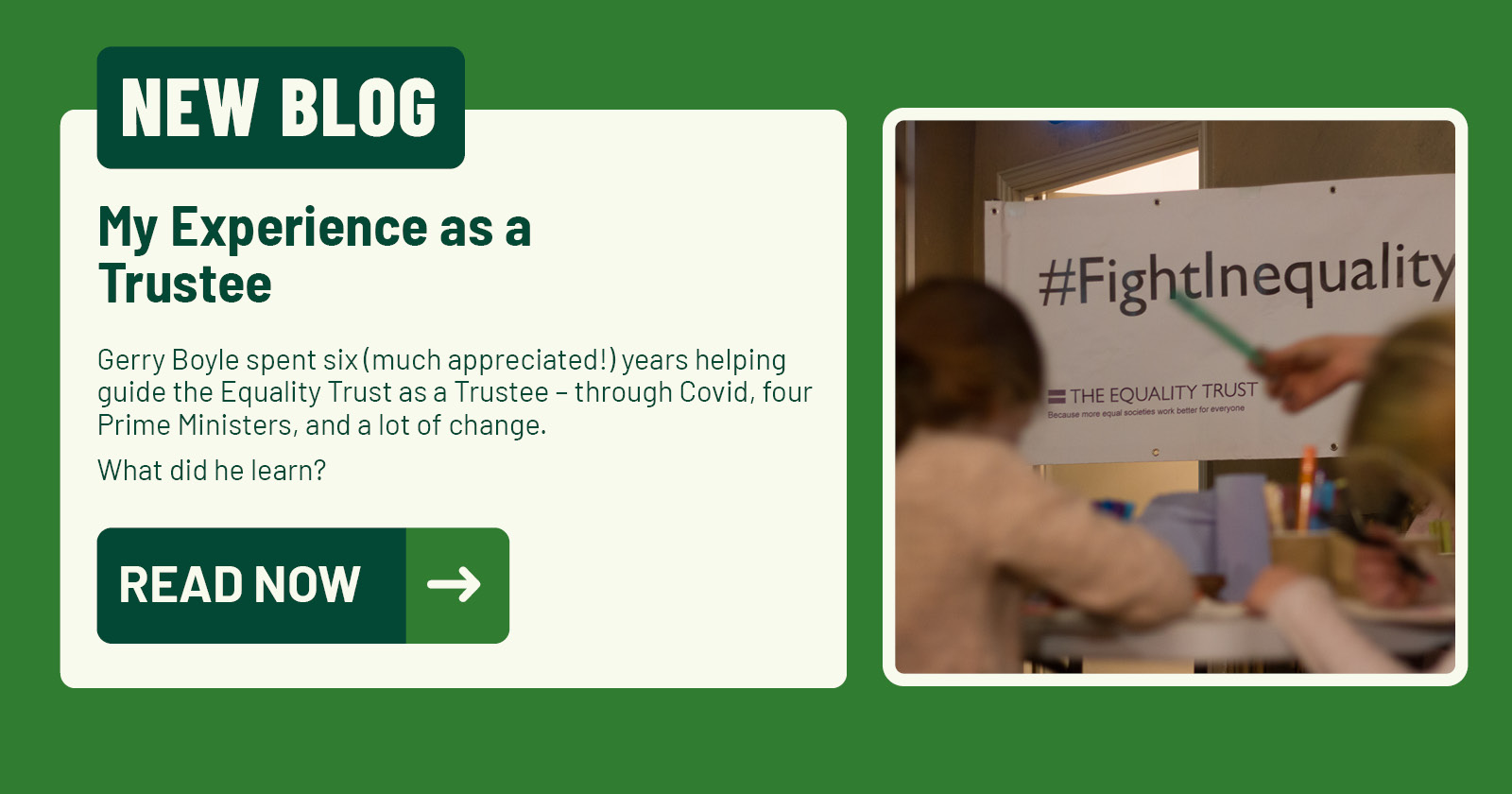
Boyle’s departure marks the end of two consecutive three-year terms, the maximum allowed under the Equality Trust’s governing constitution. During his time on the board, particularly his service on the finance committee, the organization underwent significant structural transitions. His tenure was defined by an effort to move the Trust toward a more sustainable financial model, shifting reliance from a small number of large institutional grants to a broader base of individual supporters. This strategic pivot was necessitated by what Boyle described as a "difficult funding environment" that has seen many civil society organizations competing for a shrinking pool of resources.
The Intellectual Foundation: The Spirit Level and Evidence-Based Advocacy
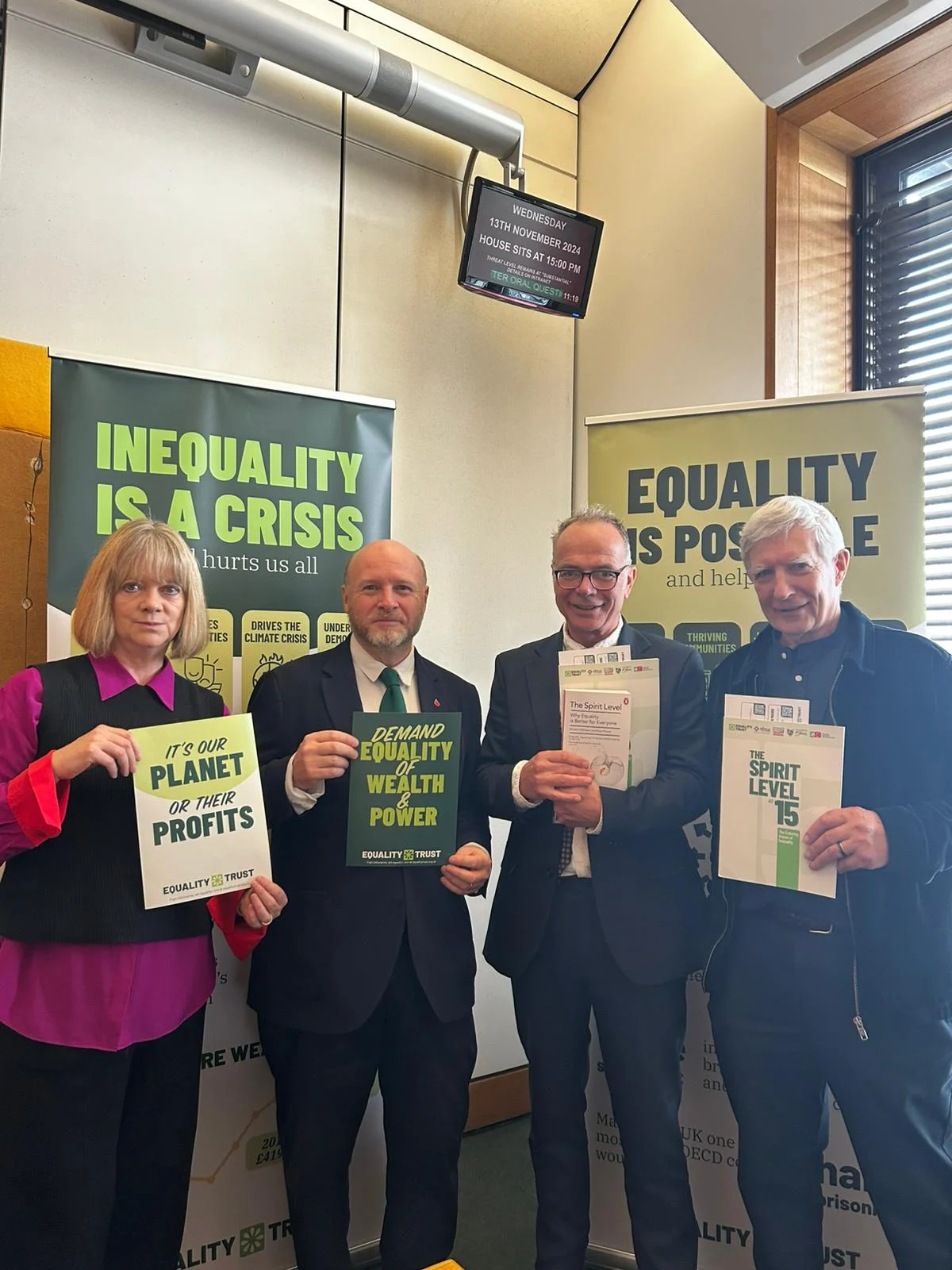
The core mission of the Equality Trust, which Boyle joined out of a commitment to social justice, is rooted in the empirical evidence presented in "The Spirit Level: Why More Equal Societies Almost Always Do Better." Published in 2009 by Professors Richard Wilkinson and Kate Pickett, the book provides the scientific framework for the Trust’s activities. It posits that across a broad spectrum of health and social indicators—including life expectancy, mental health, literacy rates, and social mobility—societies with narrower gaps between the wealthiest and poorest perform significantly better than those with high levels of income inequality.
During Boyle’s tenure, the Trust utilized this data to highlight how inequality acts as a "structural pollutant" in the United Kingdom. Data from the Office for National Statistics (ONS) and the Trust’s own research throughout the early 2020s indicated that the UK remains one of the most unequal countries among high-income nations. By 2024, the gap between the richest and poorest households had widened further, exacerbated by stagnating real wages and the rising cost of essential goods. The Trust’s work under the oversight of trustees like Boyle focused on translating these academic findings into actionable policy demands, most notably the implementation of the Socio-Economic Duty.
Chronology of Challenges: 2020–2026
The timeline of Boyle’s service reflects the broader socio-economic challenges facing the UK. When he joined the board in 2020, the nation was grappling with the immediate social disparities exposed by the COVID-19 pandemic. Data from that period showed that individuals in the most deprived areas were significantly more likely to die from the virus and more likely to suffer the economic consequences of lockdowns.
By 2022 and 2023, the focus of the Trust shifted toward the "Cost of Living Crisis." During this period, the organization reported on the disproportionate impact of double-digit inflation on low-income families, who spend a larger portion of their income on energy and food. Simultaneously, the UK government’s decision to reduce international aid spending—cutting the Official Development Assistance (ODA) budget from 0.7% to 0.5% of Gross National Income—created a ripple effect across the charity sector. Boyle noted that these cuts, mirrored by similar retrenchments in the United States, pushed international development organizations to seek funding from domestic sources, further crowding the UK’s philanthropic marketplace.
In 2024 and 2025, the Trust intensified its focus on youth advocacy. This initiative aimed to amplify the voices of young people living in "inequality hotspots," where access to quality education, healthcare, and stable employment is statistically lower. This period also saw the Trust pushing for the full enactment of Section 1 of the Equality Act 2010, known as the Socio-Economic Duty, which requires public bodies to consider how their decisions can reduce the inequalities associated with socio-economic disadvantage.
The Funding Environment and Institutional Sustainability
A significant portion of Boyle’s contribution involved navigating the "lumpy" nature of charity finance. Historically, the Equality Trust, like many medium-sized advocacy groups, relied on substantial grants from foundations such as the Joseph Rowntree Charitable Trust or the Esmée Fairbairn Foundation. While these grants allow for large-scale projects, they also introduce a high level of institutional risk. If a single grant cycle concludes without a renewal, the organization can face immediate liquidity crises.
Under the guidance of the finance committee during Boyle’s tenure, the Trust sought to mitigate this risk by building a "supporter-led" funding model. This approach emphasizes small, recurring donations from the public, which provide "unrestricted" funding. Unlike project-specific grants, unrestricted funds allow the Trust the flexibility to respond to emerging political developments or urgent social issues without the constraints of a pre-defined grant agreement.
The difficulty of this transition cannot be overstated. According to the National Council for Voluntary Organisations (NCVO), the UK voluntary sector has faced a "triple whammy" of rising costs, increased demand for services, and a decline in the real value of donations due to inflation. Boyle’s departure comes at a time when the Trust is still actively encouraging its base to provide the financial independence necessary for effective campaigning.
Policy Impact: The Socio-Economic Duty and Youth Engagement
Despite the economic headwinds, the Equality Trust achieved several key milestones during the 2020–2026 period. The push for the Socio-Economic Duty saw several local authorities across England and Wales voluntarily adopt the measure, even in the absence of a federal mandate from Westminster. By integrating this duty into local governance, these councils committed to assessing the impact of their budgets and policies on the most marginalized residents, a move the Trust argues is essential for "levelling up" in a meaningful sense.
Furthermore, the Trust’s work in developing the "voices of young people" has been cited as a model for inclusive advocacy. By providing training and platforms for youth activists, the Trust has moved away from a top-down academic approach toward a more lived-experience-based advocacy model. This shift is intended to ensure that the fight against inequality is not seen merely as a statistical exercise but as a response to the daily realities of citizens.
Implications for the Future of Inequality Advocacy
The departure of a trustee with Boyle’s background in business and international development highlights a broader trend in charity governance: the need for diverse skill sets to navigate an increasingly professionalized and scrutinized sector. The Equality Trust’s board continues to comprise individuals from academia, law, and grassroots activism, reflecting the multi-faceted nature of the problems they seek to solve.
As the UK moves deeper into the late 2020s, the implications of the Trust’s work remain significant. Analysts suggest that without substantial policy intervention, the "wealth gap" will continue to be a primary driver of political polarization and social fragmentation. The Trust’s ongoing mission—to argue that a more equal society is not just a moral imperative but a functional necessity for a stable economy—remains a contentious but vital part of the national discourse.
The transition in leadership and the conclusion of Boyle’s tenure serve as a reminder of the challenges inherent in long-term social campaigning. The "fight" for egalitarian outcomes, as Boyle described it, is increasingly difficult in an era where public resources are constrained and the political appetite for radical redistribution is varied. However, the groundwork laid during the last six years—specifically regarding financial diversification and the focus on the Socio-Economic Duty—provides a blueprint for the Trust’s operations moving forward.
Conclusion and Official Responses
While the Equality Trust has not yet named a direct successor for Boyle’s specific seat on the board, the organization has indicated that it will continue to seek trustees who can bridge the gap between financial oversight and social mission. In internal communications, the Trust expressed its "huge appreciation" for Boyle’s six years of service, noting that his contribution was instrumental in maintaining the organization’s operational stability during a period of national economic distress.
For his part, Boyle characterized his time at the Trust as a "very positive experience," recommending the role of board membership to those looking to contribute to social struggle while balancing professional commitments. His exit marks a moment of reflection for the Equality Trust as it prepares for the next phase of its campaign to dismantle the structural inequalities that continue to define the British socio-economic landscape. The organization remains focused on its 2030 goals, which include a measurable reduction in the UK’s Gini coefficient and the universal adoption of the Socio-Economic Duty across all levels of government.