The past two years have marked an extraordinary period of upheaval, with the ongoing pandemic initiating a rapid, large-scale experiment in new operational paradigms and a fundamental re-evaluation of the nature and future of work. This era, characterized by pervasive uncertainty and evolving data, has profoundly influenced how organizations approach Diversity, Equity, and Inclusion (DEI). Experts have identified several emerging trends, categorized into ‘Purpose,’ ‘People,’ ‘Process & Policy,’ and ‘Polarisation & Activism.’ This analysis focuses specifically on the critical trends of polarization and activism, examining their origins, manifestations, and profound implications for DEI strategies within contemporary organizations.
The Genesis of Division: Pandemic-Era Polarization
As societies globally navigated the complex transition out of initial lockdowns, a potent mix of emotions—including sadness, loss, fear, a pervasive sense of lacking control, and escalating anger—permeated communities and workplaces. This emotional landscape significantly contributed to a palpable increase in societal division. Research conducted across 17 countries revealed that a staggering 60% of individuals perceived their society as more divided post-pandemic than before, representing a 30% increase from pre-pandemic rates. This growing chasm was fueled by a confluence of factors, ranging from public health measures to economic disparities, creating a fertile ground for conflict to spill into professional environments.
Within the workplace, new and contentious challenges emerged, notably exemplified by "no jab, no job" policies. For some, mandatory vaccination requirements for office returns or customer-facing roles were viewed as an essential public health imperative, a collective responsibility for the greater good. Conversely, for a significant segment of the population, these mandates were perceived as an overreach of authority, an infringement on personal autonomy and individual liberties. This fundamental divergence in perspectives ignited intense debates, fostering deep-seated resentment and mistrust among colleagues and leadership.
The global frustration and fatigue stemming from the pandemic manifested in widespread unrest, with over 50,000 protests recorded worldwide related to pandemic measures. This "COVID rage" also permeated customer interactions, leading to a documented surge in customer abuse directed at workers, particularly in the hospitality and service sectors. Reports indicated that up to 80% of employees in these industries had either witnessed or personally experienced such abuse. This hostile environment not only deteriorated working conditions but also highlighted a growing disrespect for frontline labor. Compounding these issues, the pandemic starkly illuminated and exacerbated existing global inequalities. Disparities in access to vaccinations created a two-tiered system, directly impacting individuals’ ability to participate in economic recovery and further widening the gap between the "haves" and the "have-nots" on an unprecedented scale.
Erosion of Trust and the Rise of Social Justice Advocacy
Beyond the immediate catalysts of the pandemic, a more entrenched and systemic decline in trust towards public officials and civic institutions had been building for years. A significant global study in August 2021 underscored the depth of this disillusionment, particularly among younger generations. Millennials and Generation Z exhibited such profound distrust that they expressed higher "faith in governance by a system of artificial intelligence than by a fellow human being." This sentiment stemmed from a weariness with persistent concerns over corruption, perceived stale political leadership, and the constant threat to physical safety experienced by activists and people of color due to surveillance and militarized policing.
This simmering discontent reached a boiling point with the tragic murder of George Floyd in May 2020. This pivotal event ignited a global surge in Black Lives Matter and anti-racism activism, with protests and demonstrations spreading to over 60 countries. The widespread public outcry propelled issues of systemic racism, police brutality, and broader inequalities to the forefront of societal discourse, making them unavoidable topics of discussion within corporate boardrooms and daily workplace interactions. The movement served as a powerful catalyst, intertwining with other ongoing social justice issues such as gender equality, LGBTQ+ rights, and climate action, forcing organizations to confront their own roles in perpetuating or dismantling systemic discrimination.
The Empowered Employee: Demanding Action from Leaders
In this charged environment, the role of employees within organizations underwent a significant transformation. No longer content to remain passive observers, a substantial majority of employees began actively expecting and demanding that their workplace leaders take definitive stands on key social issues. Global research indicated that as high as 76% of employees held this expectation, viewing their employers not merely as economic entities but as influential societal actors with a moral obligation to address pressing concerns.
This shift in expectation was accompanied by a burgeoning sense of empowerment among the workforce. A global survey in August 2021 revealed that 60% of employees felt empowered to act as change-makers within their own workplaces. This empowerment was not merely theoretical; 75% globally stated they would take action to advance urgently needed changes within their organization. Alarmingly for corporate leaders, 40% of these employees indicated a willingness to go public with their concerns through whistleblowing, participating in protests, or utilizing social media platforms to voice their dissatisfaction. This demonstrated a clear readiness to leverage external pressure to achieve internal change, significantly altering the dynamics of employee-employer relations.
The United States, in particular, witnessed a remarkable resurgence of interest in labor unions. Employees increasingly sought collective bargaining as a means to safeguard human rights at work, advocate for improved conditions, and actively participate in redesigning organizational cultures. This growing momentum culminated in a significant wave of labor action: during October 2021 alone, more than 25,000 workers were on strike, a substantial increase compared to the average of 10,000 during the preceding three months. These strikes were often driven by demands for better pay, safer working conditions, and a more equitable distribution of company profits, reflecting a collective rejection of pre-pandemic norms and an assertion of employee value.
The Leadership Imperative: Bridging the Credibility Gap
Despite the undeniable shifts in employee expectations and activism, a significant disconnect persisted between organizational rhetoric and reality. Global survey respondents noted that only 48% of their employers were perceived as genuinely acting on their stated values. This credibility gap carries substantial risks, including a decrease in employee trust, erosion of leadership credibility, and a significant decline in overall engagement.
The consequences of this inaction were further illuminated by the ongoing "Great Resignation." Research indicated that 33% of employees quit their jobs when their employer failed to speak out about a societal or political issue that the employee felt the organization had an obligation to address. This statistic underscored a fundamental change in the psychological contract between employers and employees: neutrality or silence on critical social issues was no longer a viable strategy for attracting and retaining talent.
The era of the "silent executive" on DEI issues has definitively passed. Similarly, the tolerance for well-intentioned but ultimately performative public statements, unaccompanied by tangible organizational change, has evaporated. The contemporary standard for leadership demands an active, inclusive approach, characterized by leaders who are "allies by action," rather than merely by declarations or social media posts. This entails not only speaking out but also implementing concrete policies, fostering inclusive cultures, and demonstrating genuine commitment through resource allocation and accountability.
Implications for Diversity, Equity, and Inclusion (DEI)
The convergence of pandemic-fueled polarization and heightened employee activism has irrevocably transformed the landscape of Diversity, Equity, and Inclusion. DEI, once considered by some as a peripheral HR function, has been propelled to the forefront of strategic business imperatives.
- Elevated Urgency: The events of the past two years have underscored the urgent need for robust DEI strategies. Organizations are now acutely aware that fostering an inclusive environment is not just morally right but also essential for business resilience, talent retention, and innovation.
- Complex Challenges: Navigating a diverse workforce with potentially polarized views on sensitive social and political issues presents significant challenges. Leaders must cultivate environments where individuals feel psychologically safe to express their perspectives while maintaining a respectful and inclusive dialogue, even amidst disagreement. This requires sophisticated conflict resolution skills and a deep understanding of differing lived experiences.
- Strategic Opportunity: This tumultuous period also presents an unprecedented opportunity to embed DEI principles more deeply into the organizational DNA. Companies that authentically address social justice issues, demonstrate genuine care for their employees, and actively work to dismantle systemic barriers are better positioned to build stronger, more loyal, and more productive workforces.
- Holistic Approach: DEI initiatives must move beyond simple training programs to encompass a holistic transformation of organizational culture, policies, and leadership behaviors. This includes reviewing hiring practices, promotion pathways, compensation equity, and leadership development programs through an inclusive lens.
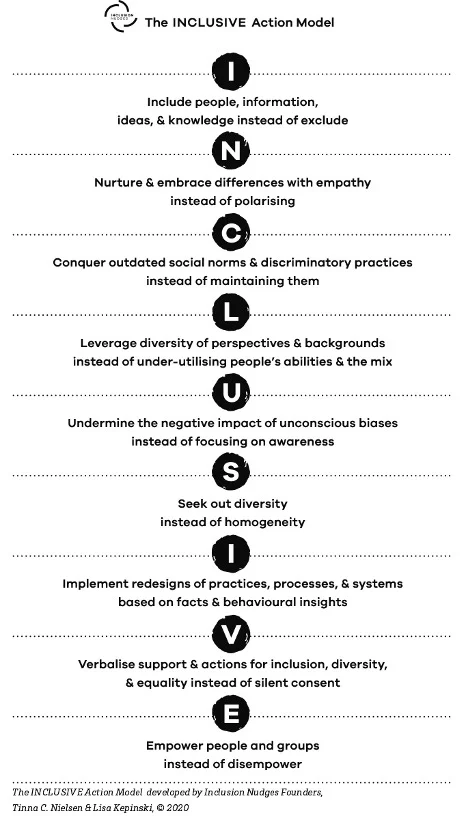
- The Role of Behavioral Science: Tools rooted in behavioral science, such as "Inclusion Nudges," offer practical methods to address unconscious biases and foster more inclusive behaviors. These interventions can range from "Showing Data to Easily See Problems & Do Actions" to "Alternatives to Diversity Excuses," and "Counter Stereotypes Using Images & Social Media," providing concrete mechanisms to guide decision-making and interaction towards more equitable outcomes.
Looking Ahead: Navigating an Evolving Landscape
The shifts observed over the past two years are not transient; they represent a fundamental reordering of expectations regarding work, leadership, and corporate responsibility. Organizations that fail to acknowledge and proactively adapt to these new realities risk not only losing talent but also eroding their reputation and long-term viability.
For leaders, the imperative is clear: embrace authentic, inclusive leadership. This means actively listening to employee concerns, fostering psychological safety, engaging in transparent communication, and demonstrating a steadfast commitment to DEI through tangible actions. It also involves acknowledging that societal divisions will continue to influence workplace dynamics, requiring continuous learning and agile responses. The future of work will be defined not just by technological advancements or flexible models, but by how effectively organizations navigate complex social issues and cultivate environments where all employees feel valued, respected, and empowered to contribute.
In conclusion, the pandemic era has irrevocably altered the global workplace, amplifying societal polarization and igniting an unprecedented wave of employee activism. The critical task for organizations today is to move beyond passive observation to proactive engagement, leveraging the lessons learned to build more equitable, inclusive, and resilient futures. Resources like the Inclusion Nudges framework offer invaluable guidance for leaders committed to fostering genuine change and transforming their organizations into truly inclusive allies by action.