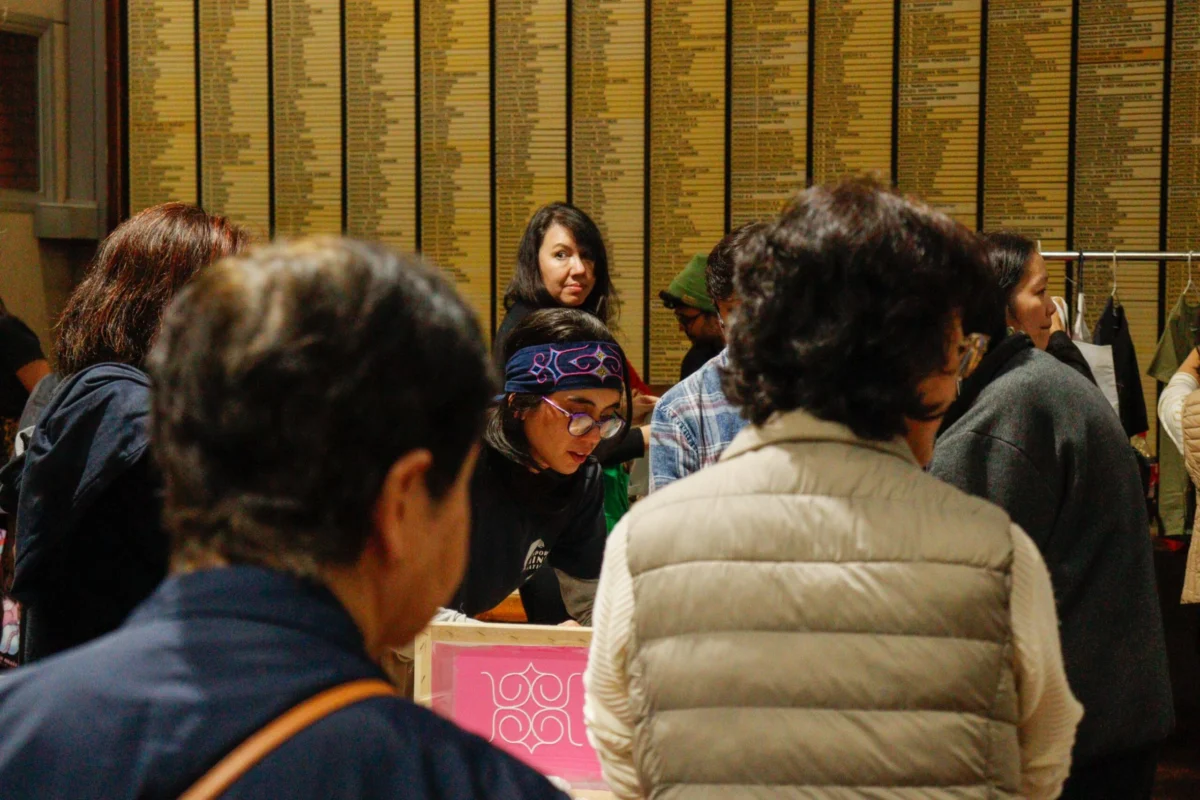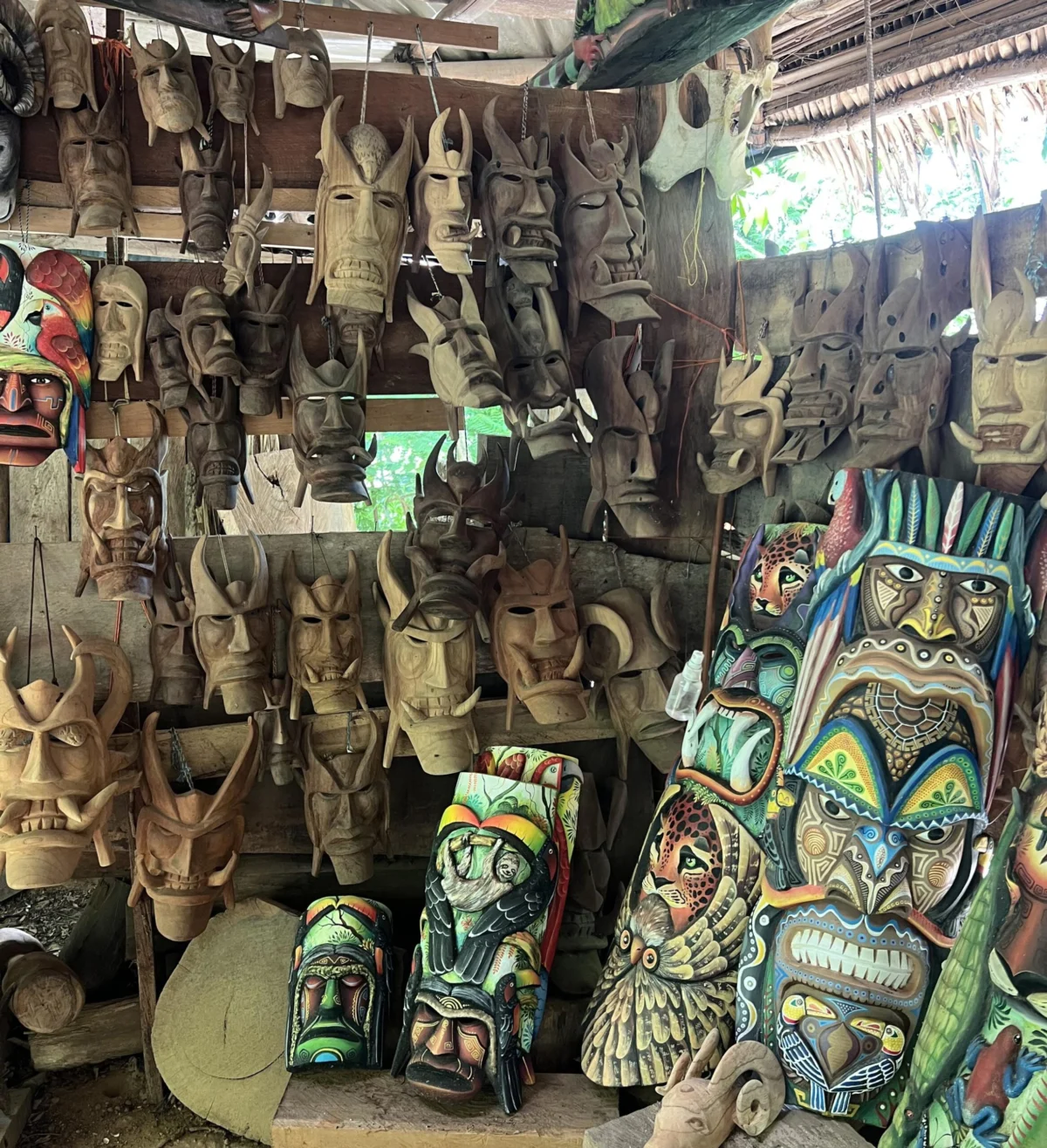
The Camentsa Shnan Wabuatmeng Indigenous Association, representing the Kamüentsá Peoples, is actively engaged in a profound revitalization of their ancestral knowledge and cultural practices. This organization, comprised of midwives, traditional healers (sobanderas), medicinal knowledge keepers, traditional doctors, and apprentices, both men and women, serves as a vital nexus for the preservation and transmission of their rich heritage. The Kamüentsá, who self-identify as Kamuentsa ëntsä, Kamüentä Biä – meaning "Peoples of this place, with their own thought and language" – are indigenous to the Sibundoy Valley in Colombia, a region steeped in history and natural beauty.
Rooted in Reciprocity: The Kamüentsá Worldview and Environmental Guardianship
At the core of the Kamüentsá worldview lies an intrinsic and deeply spiritual relationship with Tsbatsanamamä – Mother Earth. This sacred connection fosters a continuous, reciprocal exchange between the natural world and its people, where every element of nature is viewed as a profound source of wisdom. This perspective cultivates an environment of collective well-being, simultaneously imbuing the community with a profound sense of responsibility for the care and stewardship of their natural surroundings. This principle of reciprocity is not merely an abstract concept but a guiding imperative, particularly vital in the face of escalating challenges that have impacted both the Kamüentsá community and their ancestral lands in recent years. These challenges include the pervasive influence of monoculture farming and its detrimental effects on the local food system, the escalating impacts of climate change, the pressures of acculturation, the lingering repercussions of the COVID-19 pandemic, and a general neglect of traditional agricultural practices.
The Camentsa Shnan Wabuatmeng Indigenous Association, with crucial support from the Keepers of the Earth Fund (KOEF), has undertaken a comprehensive series of initiatives aimed at addressing these multifaceted needs. The overarching objective of these activities has been to reinforce the community’s capacity for environmental stewardship, a cornerstone of their cultural identity and survival. To achieve these goals, the association has meticulously organized its efforts through a time-honored traditional organizational system known as mingas.
The Power of Mingas: A Framework for Collective Action and Knowledge Exchange
The minga system, deeply embedded in Kamüentsá societal structure, serves as a dynamic and inclusive space for the exchange of knowledge, practices, and labor, all directed towards the attainment of shared community objectives. These collective endeavors are thoughtfully categorized according to their specific functions, ensuring a holistic approach to community development and cultural preservation. The three primary categories of mingas include:
-
Mingas of Thought (Mingas de Pensamiento): These gatherings are dedicated to fostering deep dialogue and reflection. Participants engage in oral discussions, sharing their lived experiences, insights, and reflections on a wide array of pertinent topics that shape their realities. This process allows for the collective articulation of understanding and the identification of shared concerns and aspirations.
-
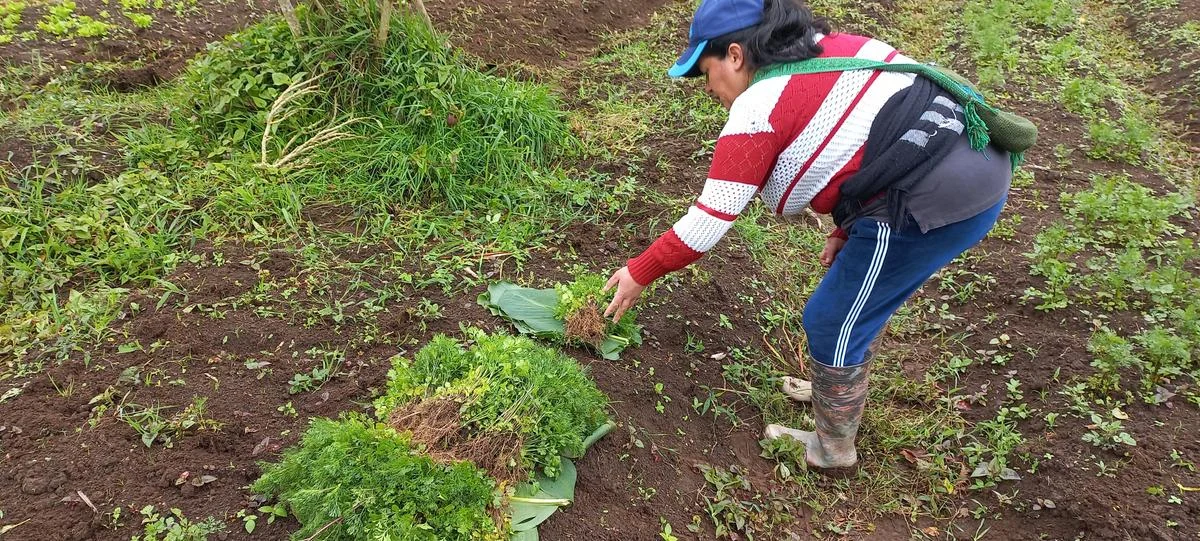
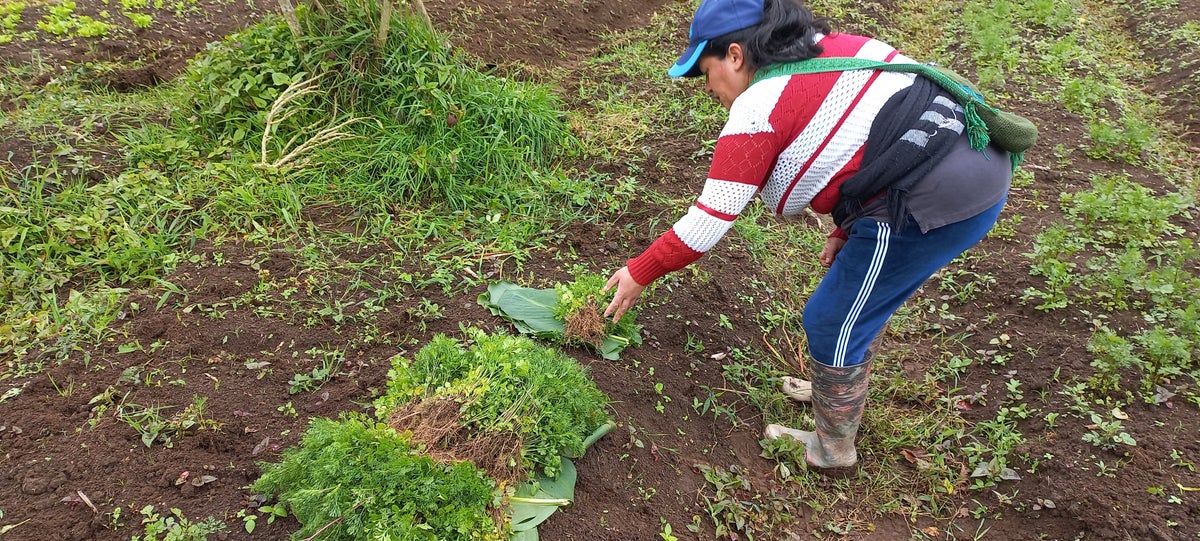
Mingas of Labor (Mingas de Trabajo): These are practical, hands-on workdays where community members come together to contribute their labor towards common projects. Families organize themselves through a system of "borrowed hands" (manos prestadas), pooling their efforts to cultivate and maintain traditional agricultural spaces known as jajaü (also referred to as jaja in some contexts). This collaborative work ethic is fundamental to their sustainable living practices.
-
Formative Mingas (Mingas Formativas): These sessions are specifically designed to facilitate the intergenerational transmission of knowledge and practices. They serve as vital conduits for elders and experienced community members to impart their wisdom and skills to younger generations, ensuring the continuity of their cultural heritage.
Throughout all these minga modalities, the profound and unwavering importance of the Kamüentsá people’s ancestral connection to Mother Earth consistently emerged as the central, unifying theme. This deep reverence for nature forms the bedrock of their worldview, influencing every aspect of their lives, from agricultural practices to spiritual beliefs. The principle of reciprocity, coupled with a commitment to care and foresight, underpins their collective well-being, ensuring the enduring survival of both the Kamüentsá people and the vibrant natural environment they call home.
Diverse Minga Activities: Addressing Contemporary Challenges with Traditional Wisdom
The recent initiatives undertaken by the Camentsa Shnan Wabuatmeng Indigenous Association have encompassed a diverse range of activities, meticulously designed to address the pressing needs of the community while simultaneously reinforcing their cultural identity and environmental stewardship.
Mingas of Thought: Cultivating Food Sovereignty and Collective Understanding
The mingas de pensamiento have served as crucial platforms for robust dialogues centered on vital themes that resonate deeply within the Kamüentsá community. These discussions have explored the critical concept of food sovereignty, emphasizing the right of peoples to healthy and culturally appropriate food produced through ecologically sound and sustainable methods, and their right to define their own food and agriculture systems. Participants have engaged in profound reflections on how to live, identify, and relate to others, fostering a deeper understanding of their social fabric and interconnectedness. The notion of "our bodies as our territories" has also been a significant focus, highlighting the intrinsic link between individual well-being and the health of the land. Furthermore, the philosophical concept of "el buen vivir" (the good life), a holistic approach to living in harmony with oneself, community, and nature, has been a central theme, providing a framework for envisioning a sustainable and fulfilling future.
These sessions have enabled participants to critically examine these diverse topics, all framed within the unique context of the local Kamüentsá worldview. The collective reflections have led to significant conclusions regarding the paramount importance of the jajaü as the heart of their sustenance and cultural practice. There has been a strong emphasis on the practice of living together based on horizontal equality, fostering a more equitable and participatory community structure. The recognition of community achievements, particularly the invaluable and often underestimated role of women in all aspects of community life, has been a significant outcome. Crucially, these discussions have also identified specific areas where further concerted effort and work are still required to address persistent challenges and advance community goals.
Mingas of Labor: Reconnecting with Traditional Agricultural Practices and Medicinal Knowledge
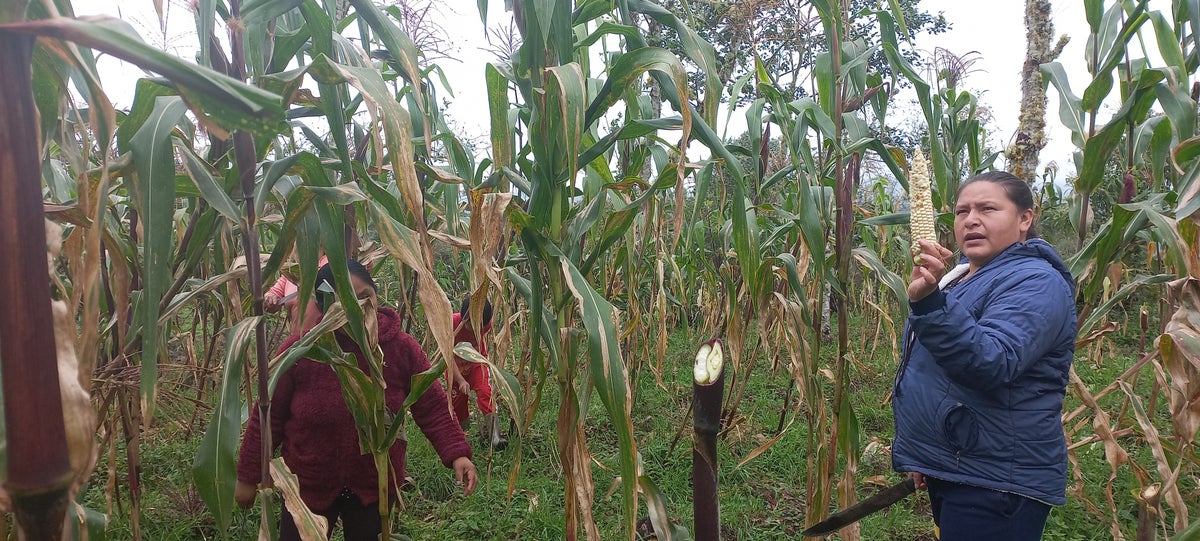
The mingas de trabajo have been instrumental in reviving and reinforcing essential traditional agricultural practices and the deep knowledge surrounding medicinal plants. Within these sessions, embodied knowledge – knowledge that is lived, experienced, and passed down through practical demonstration – has been shared regarding the specific measurements, techniques, and timing crucial for various agricultural activities. This includes invaluable instruction on the systematic clearing of brush, the meticulous process of stripping corn husks, the careful harvesting of produce from the jajaü, and the precise determination of optimal planting and harvesting times, often guided by an intimate understanding of lunar phases.
Furthermore, these mingas have provided a forum to discuss and revitalize various forms of communal labor, such as wuacanamiento por chicha (labor exchanged for chicha, a traditional fermented beverage), chica minga (small-scale communal work parties), and mano prestada (lending a hand), reinforcing the spirit of mutual support and shared responsibility.
In parallel, the mingas focused on medicinal plants have delved into a comprehensive exploration of different types of ailments, encompassing spiritual, mental, and physical health concerns. Participants have received instruction on corresponding treatments and care protocols, drawing directly from generations of accumulated wisdom. This has included vital guidance on proper dosage, carefully calibrated based on age, individual body constitution, and lunar cycles. The sessions have also illuminated the diverse branches of traditional medicine and identified the specialized practitioners associated with each. A significant and integrated dimension of these mingas has been their nutritional and gastronomic component. This has involved the sharing of time-honored recipes crafted with fresh produce from the jajaü, recipes that are not only highly nutritious but also deeply rooted in cultural appropriateness and taste.
Formative Mingas: Intergenerational Transmission and Cultural Preservation
The mingas formativas have been pivotal in ensuring the vibrant intergenerational transmission of Kamüentsá knowledge and practices. These educational sessions have covered a wide spectrum of topics, including the traditional festival of "Clestrinä," the crucial link between "El Jajaü and Healthy Eating," and the fundamental understanding of "Rights and Duties as Children."
A particularly impactful aspect of these formative mingas has been the profound influence of the Elders’ participation. Their involvement has consistently transcended purely intellectual exchange, often evoking a powerful emotional dimension and fostering a deep sense of nostalgia and connection to the past. During a minga titled "The Story of My Grandparents," participants shared invaluable insights into the transformations that have occurred in education, the critical importance of safeguarding customs and traditions, the nuances of their ancestral language, and other forms of invaluable traditional knowledge that have evolved or faced challenges over time.
Elders’ Voices: A Lament for Lost Knowledge and a Call for Preservation
The solemn minga titled "Respect for Mother Earth" brought forth poignant reflections from the Elders. With palpable sadness, they shared accounts of how the introduction of monoculture farming practices and associated technologies has pushed the cultivation of the traditional jajaü to a precarious state. They lamented the widespread deforestation that has significantly impacted the upper region known as Tojoy, leading to a diminished water flow due to the pervasive use of chemicals and broader environmental pollution.
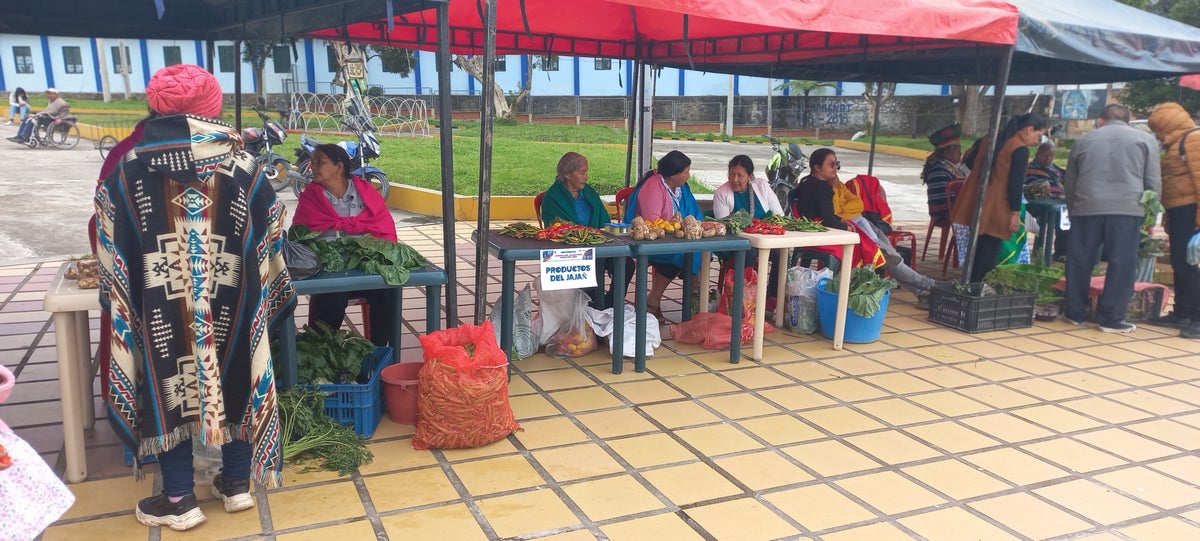
In a similarly evocative minga, "The Art of My Grandmothers," where grandmothers are revered as the "weavers of life," they shared their intricate weaving practices, imbuing them with their profound ancestral wisdom. Through their artistry, they affirmed the exceptional creative and imaginative capacity of women, as well as their remarkable artistic prowess. This artistry, they demonstrated, invariably weaves their ancestral territory and the essence of Mother Earth into the very fabric of their creations, a testament to their deep spiritual and material connection to their land.
The community has been profoundly moved by the implications of losing its Elder members. This loss extends far beyond the passing of individuals who have long fulfilled vital roles within the community; it represents the irreplaceable loss of accumulated knowledge, wisdom inherited from their own grandparents and countless past generations, knowledge that is intrinsically tied to their cultural survival and identity.
A Project of Revitalization: Tangible Outcomes and Enduring Impact
As articulated by one member of the Camentsa Shnan Wabuatmeng Indigenous Association, this project has been transformative: "This project has helped revitalize our knowledge through the practice of our own traditions." This sentiment encapsulates the core success of the initiatives, which have consistently prioritized the care of Tsbatsanamamä and a deep-rooted connection to their ancestral land.
Through these various minga activities, community members have forged and strengthened vital connections, engaging in the sharing of wisdom, the practice of traditional skills, and the creation of dedicated spaces for exchange. This has been instrumental in reinforcing their collective identity, ensuring its transmission to future generations, and fostering meaningful dialogue on issues of vital importance to their continued existence and well-being.
Initiatives like these serve as powerful catalysts, inspiring the ongoing creation of similar spaces and platforms. These are environments where individuals, drawing strength and guidance from their own rich cultural contexts, can connect, collaborate, and take meaningful action for the common good. By reclaiming their traditional wisdom and ensuring that those who hold this invaluable knowledge are fully integrated into the decision-making processes that shape their community’s future, the Kamüentsá People are actively charting a course towards resilience and self-determination.
The Keepers of the Earth Fund: Empowering Indigenous-Led Initiatives
In 2023, the Camentsa Shnan Wabuatmeng Indigenous Association received a crucial Keepers of the Earth Fund (KOEF) grant, a testament to their vital work and commitment to cultural and environmental preservation. KOEF is an Indigenous-led fund operating within Cultural Survival, dedicated to supporting the advocacy and community development projects of Indigenous Peoples worldwide. Since its inception in 2017, KOEF has provided significant support to 440 projects across 42 countries, disbursing a total of $2,667,147 through a combination of small grants and comprehensive wrap-around support, demonstrating a tangible commitment to empowering Indigenous communities in their pursuit of self-determination and sustainable development. This grant has been instrumental in enabling the Kamüentsá to undertake the critical work of revitalizing their ancestral knowledge and strengthening their connection to Mother Earth.