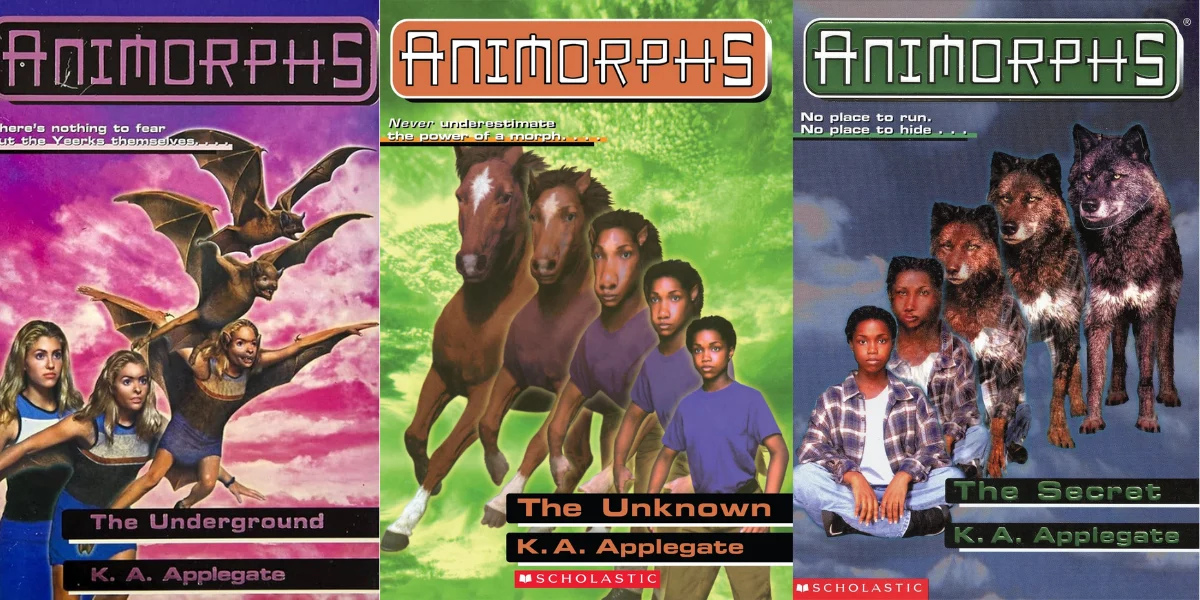
The entertainment industry is witnessing a significant resurgence of 1990s intellectual property, underscored by the recent announcement that filmmaker Ryan Coogler will adapt the acclaimed young adult book series Animorphs for the Disney+ streaming platform. Coogler, whose directorial portfolio includes the critically acclaimed Black Panther and the upcoming horror-thriller Sinners, is set to produce the project under his Proximity Media banner. This development marks a pivotal moment for the franchise, which has maintained a dedicated following since its debut in 1996. The series, authored by K.A. Applegate and Michael Grant, originally spanned 54 novels and several spin-offs, selling over 35 million copies worldwide. By bringing this property to Disney+, the production aims to modernize a narrative centered on themes of identity, sacrifice, and the moral complexities of conflict, while addressing a contemporary audience that increasingly demands diverse and nuanced representation.
The Cultural Legacy and Narrative Framework of Animorphs
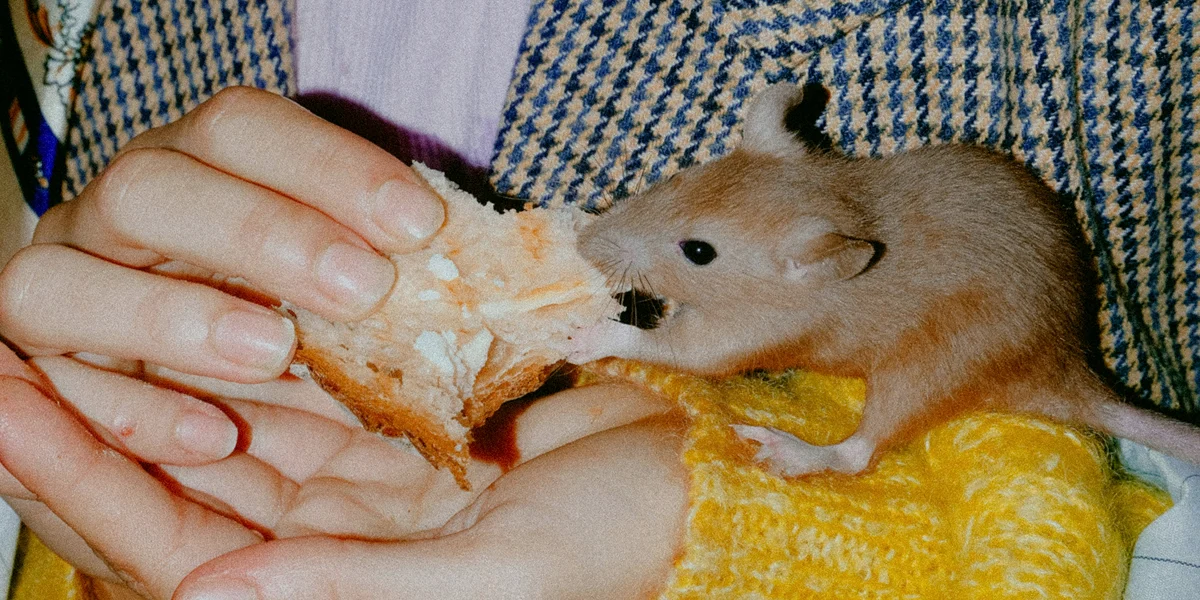
The Animorphs series occupies a unique space in the history of young adult literature. Set against the backdrop of a clandestine extraterrestrial invasion, the story follows five teenagers—Jake, Rachel, Marco, Cassie, and Tobias—who are granted the ability to "morph" into any animal they touch. This power is bestowed upon them by a dying alien prince to combat the Yeerks, a parasitic race of slug-like aliens that take over the brains of human hosts.
While the premise may appear traditional for the science fiction genre, the series is noted for its surprisingly dark and mature themes. Applegate and Grant explored the psychological toll of war, the loss of innocence, and the ethical dilemmas inherent in leadership and combat. For many readers who grew up in the late 1990s and early 2000s, the series served as an introduction to complex sociopolitical allegories. In recent years, the series has undergone a critical re-evaluation, with many scholars and fans identifying strong subtextual themes related to the LGBTQ+ experience. The concept of body dysmorphia, the necessity of living a double life, and the fluidity of identity inherent in the morphing process have resonated deeply with queer and transgender audiences.
Author K.A. Applegate has been vocal in her support of these interpretations. As a public advocate for LGBTQ+ rights and the mother of a transgender daughter, Applegate has frequently engaged with fans who find personal resonance in her work. This alignment between the author’s personal politics and the series’ thematic depth provides a robust foundation for a modern adaptation that can explore these allegories more explicitly.
Production Context and Streaming Strategy
The choice of Disney+ as the home for Animorphs reflects a broader strategic shift within the Walt Disney Company’s streaming division. Historically, Disney’s animated features have faced scrutiny regarding the depth and frequency of LGBTQ+ representation. However, the company’s live-action television wing has shown a greater willingness to incorporate diverse casts and storylines. A primary example of this trend is the recent adaptation of R.L. Stine’s Goosebumps, which featured a diverse ensemble including queer and transgender actors.
Ryan Coogler’s involvement adds a layer of prestige and creative vision to the project. Known for his ability to weave social commentary into high-budget genre filmmaking, Coogler’s influence suggests that the Animorphs adaptation will likely move beyond simple action-adventure tropes. Industry analysts suggest that Disney+ is positioning the series to compete with other successful young adult adaptations, such as Percy Jackson and the Olympians, which have proven that faithful yet modernized versions of classic book series can drive significant subscription growth.
Developments in Television and Crossover Media
The Animorphs announcement coincides with several other major developments in the television landscape. ABC’s long-running medical drama Grey’s Anatomy continues to serve as a cornerstone for character crossovers within the Shondaland universe. Reports indicate that Danielle Savre will reprise her role as Maya Bishop, the resident lesbian firefighter from the recently concluded series Station 19, for a guest appearance in the current season of Grey’s Anatomy. This move is seen as an effort to provide closure for fans of the firefighter spin-off while maintaining the interconnected narrative of the Seattle-based franchise.
Simultaneously, HBO’s Euphoria remains a focal point of media discussion. Lead actress Zendaya recently confirmed that the upcoming third season will likely serve as the show’s conclusion. Since its premiere in 2019, Euphoria has been both praised and criticized for its graphic depiction of teenage life, addiction, and identity. The series has been instrumental in launching the careers of several actors and has set a new aesthetic standard for prestige television. The conclusion of the series marks the end of a significant chapter in Gen Z-focused media.
Emerging Talents and Genre Shifts in Cinema
The film industry is also seeing a surge in projects featuring queer and transgender talent in prominent roles. Transgender actress Josie Totah is set to star in the upcoming horror film Faces of Death, a reimagining of the 1978 cult classic. Totah, who rose to prominence in the Saved by the Bell revival, will appear alongside Barbie Ferreira, further signaling a shift toward more inclusive casting in the horror genre.
In the realm of high-profile sequels, the final trailer for The Devil Wears Prada 2 has been released, generating significant buzz. The film, which reunites members of the original cast, features a collaborative original song by Lady Gaga and Doechii. The inclusion of these musical powerhouses underscores the film’s status as a major cultural event. Additionally, Alexandra Shipp, known for her roles in the X-Men franchise and Barbie, has joined the cast of White Elephant, a holiday-themed horror film that also stars Nick Jonas and KJ Apa.
Music, Sports, and Cultural Milestones
The intersection of entertainment and science reached a unique milestone this month as NASA integrated contemporary music into its Artemis II mission protocols. As a "wake-up call" for the astronauts aboard the spacecraft, the agency played Chappell Roan’s "Pink Pony Club." This selection is significant not only for its cultural popularity but also for its status as an anthem within the LGBTQ+ community. The Artemis II mission, which aims to return humans to lunar orbit, represents a historic leap in space exploration, and the inclusion of Roan’s music reflects a modernizing of NASA’s internal culture.
In the world of music videos, Sabrina Carpenter has released a visual for her track "House Tour," featuring Margaret Qualley and Madelyn Cline. The video has drawn attention for its stylistic choices and the chemistry between its leads, contributing to the ongoing trend of cinematic, narrative-driven music videos. Furthermore, Rivkah Reyes, best known for their role in School of Rock, has appeared in the music video for Randy Beth’s "classy," a project that highlights queer intimacy and artistic collaboration.
The sports world is also seeing increased visibility for high-profile relationships. Public interest has grown regarding the partnership between basketball stars Paige Bueckers and Azzi Fudd. Both athletes have become influential figures in women’s college basketball, and their relationship is often cited as an example of the growing openness regarding personal identity within professional and collegiate sports.
Literary and Animated Contributions
The literary world continues to explore complex interpersonal dynamics with the release of Frances Cannon’s new novel, Vernal Thaw. The book is garnering attention for its candid exploration of toxic monogamy within queer relationships, providing a counter-narrative to more traditional romantic tropes.
In animation, Sherri Cola has lent her voice to the character of Hannah, an aardwolf, in the sports-themed animated film GOAT. The project is part of a broader movement to diversify voice acting and bring unique animal-centric stories to younger audiences. Meanwhile, Tatiana Maslany, celebrated for her multi-character performance in Orphan Black, is set to star in Apple TV+’s Maximum Pleasure Guaranteed. The series appears to leverage Maslany’s range, casting her as a character who balances the roles of a fact-checker, mother, and inadvertent investigator.
Analysis of Industry Implications
The convergence of these various news items suggests a broader industry trend toward the "prestige-ification" of young adult and genre content. By hiring a filmmaker of Ryan Coogler’s caliber to helm Animorphs, Disney is signaling that it views the property as more than a nostalgic cash-grab. It is being treated as a complex narrative with the potential for significant cultural impact.
Furthermore, the consistent integration of LGBTQ+ actors and themes across various platforms—from NASA missions to horror films and medical dramas—indicates that inclusive representation is moving from the periphery to the center of mainstream media. The success of these projects will likely determine the trajectory of future adaptations and original content, as studios weigh the benefits of catering to a diverse, global audience that values authenticity and thematic depth.
As production on Animorphs begins, the industry will be watching closely to see if Coogler can successfully translate the psychological intensity of Applegate’s work into a visual medium. If successful, the series could set a new benchmark for how legacy IP is reimagined for a new generation, balancing the expectations of long-time fans with the sensibilities of modern viewers.