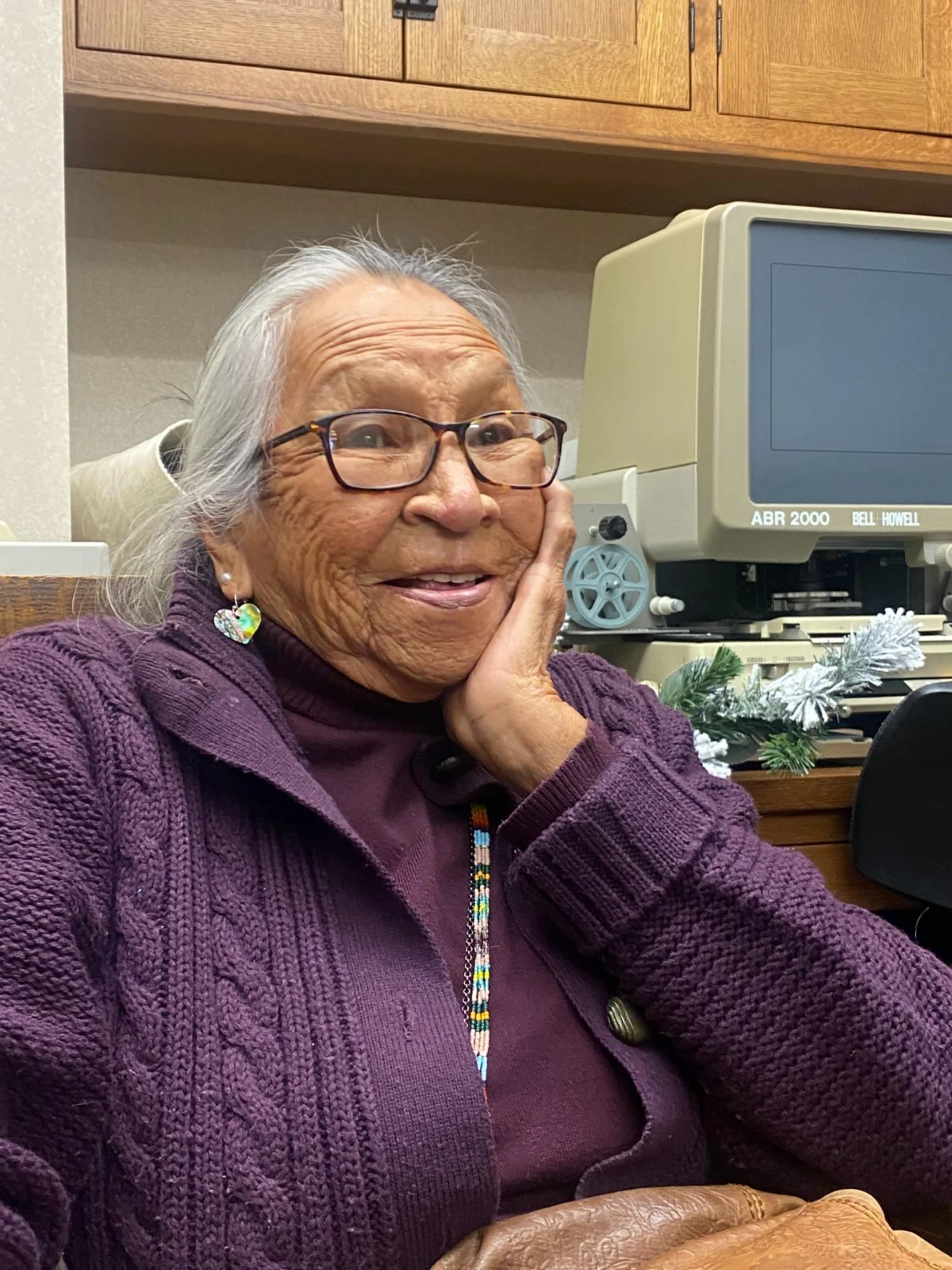
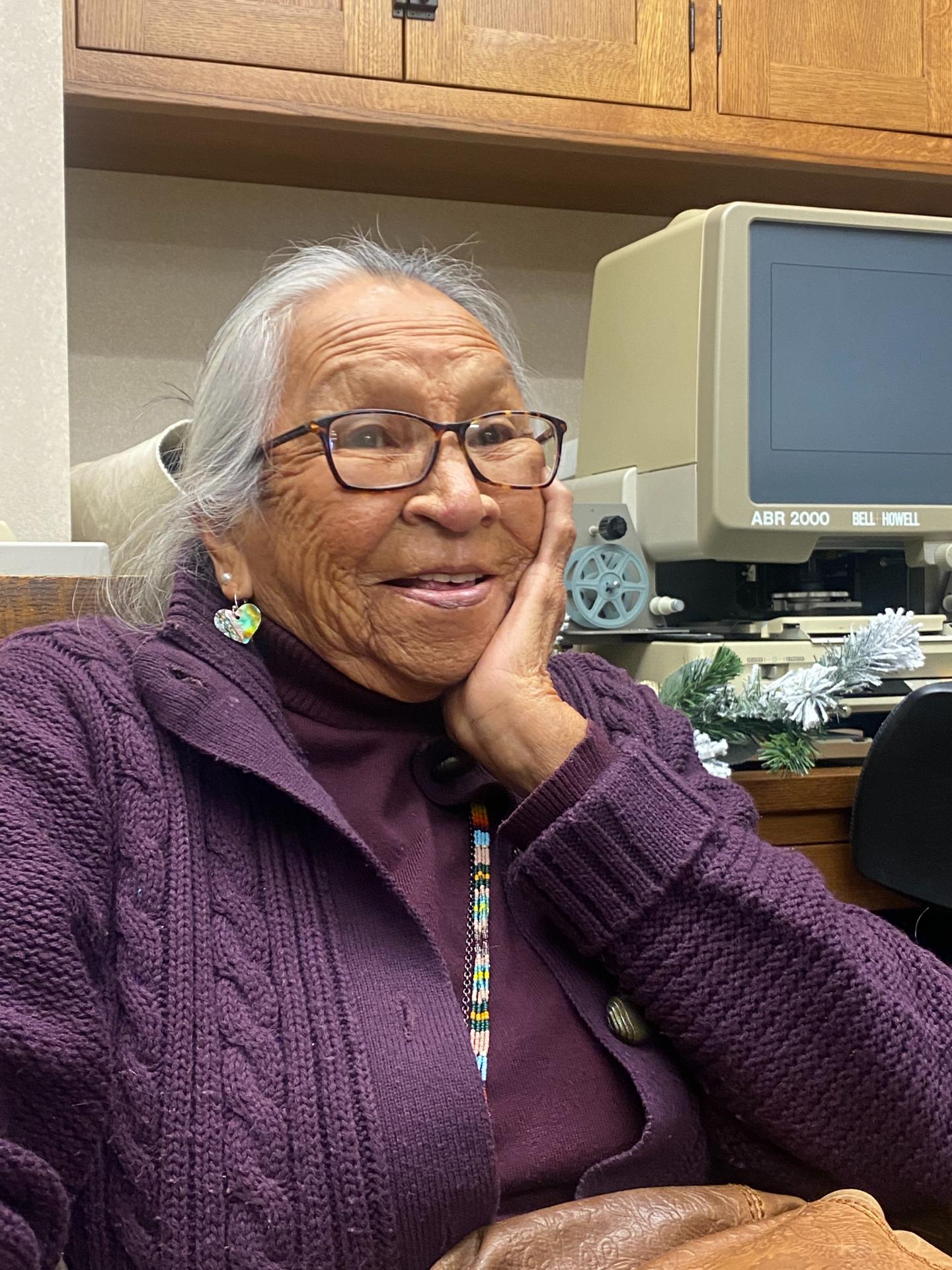
Margo Real Bird, a respected matriarch of the Crow Tribe and a vital storyteller whose vibrant spirit resonated deeply with all who encountered her, passed away on January 8, 2026. Her departure leaves a profound void, particularly within the cultural preservation efforts she championed, most notably through her participation in Preeti Vasudevan’s initiative to document the unheard stories of women in America. Real Bird, who was 82 at the time of her initial filmed recollections, embodied a unique fusion of childlike wonder and ancestral wisdom, a testament to a life lived with profound insight and infectious humor. Her ability to transmute personal and historical trauma into a powerful narrative of hope and resilience serves as a potent reminder of the enduring strength of Indigenous women and their critical role in carrying forward cultural heritage.
A Life Rooted in History and Resilience
Margo Real Bird hailed from an esteemed lineage within the Crow Tribe, a community deeply connected to the historical landscape of Montana. Her ancestral lands are intrinsically linked to the pivotal Battle of the Little Bighorn, a conflict that profoundly shaped the history of the American West. For generations, her family and the wider community have honored this history through an annual summer re-enactment. This tradition is not merely a performance but a vital act of remembrance, narrated by the very people whose ancestors lived through these events. These narratives serve as a powerful connection to the land, imbuing it with the weight of memory and history, much like the river flowing near their homes, a constant and enduring presence.
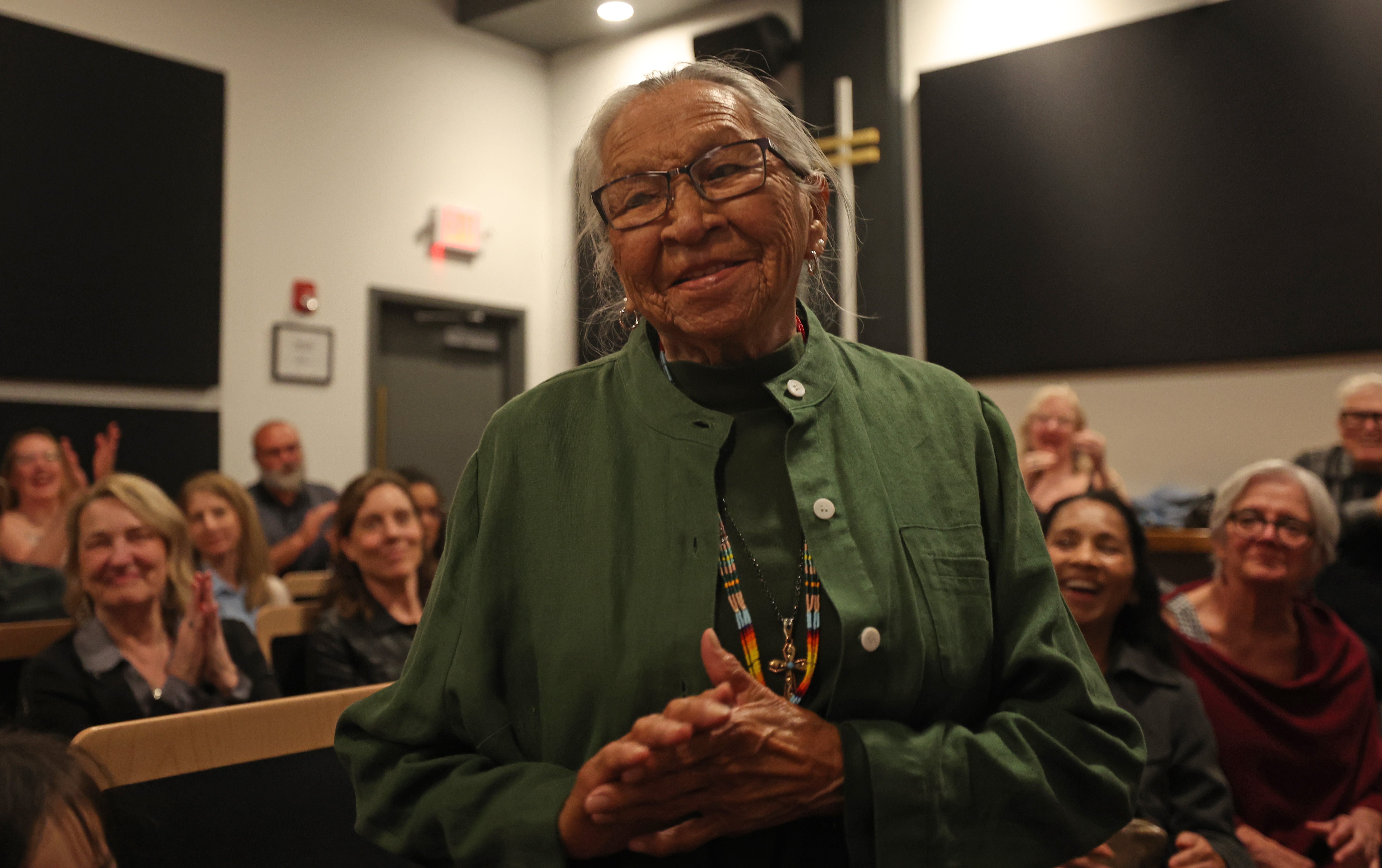
The Battle of the Little Bighorn, which took place on June 25-26, 1876, was a watershed moment in the Plains Wars. It marked a decisive victory for the Lakota, Cheyenne, and Arapaho warriors led by Sitting Bull and Crazy Horse against Lieutenant Colonel George Armstrong Custer and his 7th Cavalry. This engagement, often referred to as "Custer’s Last Stand," has been a subject of extensive historical debate and interpretation. For the Crow people, who historically allied with the U.S. Army, the battle represents a complex intersection of tribal alliances, territorial disputes, and the escalating pressures of westward expansion. Real Bird’s family’s role in preserving and narrating these events underscores the ongoing importance of Indigenous perspectives in understanding American history, moving beyond colonial narratives to incorporate the lived experiences and enduring legacies of Native peoples.
The Power of Unheard Stories: A Matriarchal Voice
Real Bird was the inaugural matriarch featured in Preeti Vasudevan’s ambitious project aimed at capturing the "unheard stories of women in America." Vasudevan, an award-winning choreographer, writer, and Certified Movement Analyst, founded Thresh, an organization dedicated to creating spaces where vulnerability is valued and deep listening fosters authentic self-discovery. Through Thresh’s "First Voices" program, Vasudevan collaborates with women and youth in underserved communities, transforming their narratives into powerful expressions of shared humanity through dance and storytelling.
The project’s focus on women stems from a profound understanding of their societal role as "gatekeepers of the family" and nurturers of future generations. Vasudevan posits that women are "grand vessels of deep emotions," holding within them a wealth of stories that often remain untold. These narratives, she argues, are not solely confined to verbal accounts but are intricately woven into the very fabric of their physical being. "Their bodies carry multiple narratives, each part carrying one dimension of the story, as if to show the most intricate kaleidoscope of life there is," Vasudevan explains. This perspective elevates women’s lived experiences, recognizing the visceral, embodied nature of memory and history, which cannot be fully replicated through conventional research methods like interviews or textual analysis. The emphasis is on a "fluid and ever-changing" transmission of knowledge, a "dance between the verbal and nonverbal" that requires attentive observation, sensing, and listening, often to the profound depths of silence.
Humor as a Coping Mechanism and a Catalyst for Hope
One of the most striking aspects of Margo Real Bird’s character, as observed by Vasudevan and many others, was her extraordinary ability to navigate centuries of colonial trauma with unwavering humor and grace. Despite the profound injustices and historical adversies faced by Indigenous communities, Real Bird transformed these experiences into a "garden of hope and surrender." This was not a passive resignation but an active engagement with the universe, a deep understanding of the cycles of life and the importance of passing on wisdom.
Real Bird’s approach to life was characterized by a conscious choice of humor over despair. This was not mere levity but a profound, healing force that offered a "great gift of a smile despite everything that is thrown at you." This resilient humor, Vasudevan suggests, fosters empathy and allows individuals to focus on mutual contribution rather than self-aggrandizement. It is a form of strength that enables people to "soar" beyond their challenges. This philosophy is particularly relevant when considering the persistent disparities faced by Indigenous populations in the United States. According to data from the Bureau of Indian Affairs and various tribal health organizations, Indigenous communities continue to grapple with systemic issues including higher rates of poverty, unemployment, and health disparities, often stemming from historical dispossession and ongoing marginalization. Real Bird’s embrace of humor and hope offers a powerful counter-narrative to these statistics, highlighting the indomitable spirit and cultural resilience that persist.
A Matriarch’s Presence: Infusing Curiosity and Connection
The author vividly recalls Margo Real Bird in everyday moments, such as shopping with her granddaughters. In these instances, Real Bird’s attentiveness and joy were palpable. She possessed a remarkable ability to observe and appreciate the world around her, encouraging a renewed sense of curiosity in younger generations who are often immersed in the digital realm. An exclamation like, "Oh! Look at that tree!" served as a gentle reminder of the natural world’s beauty and the importance of presence, a stark contrast to the constant distractions of modern technology.
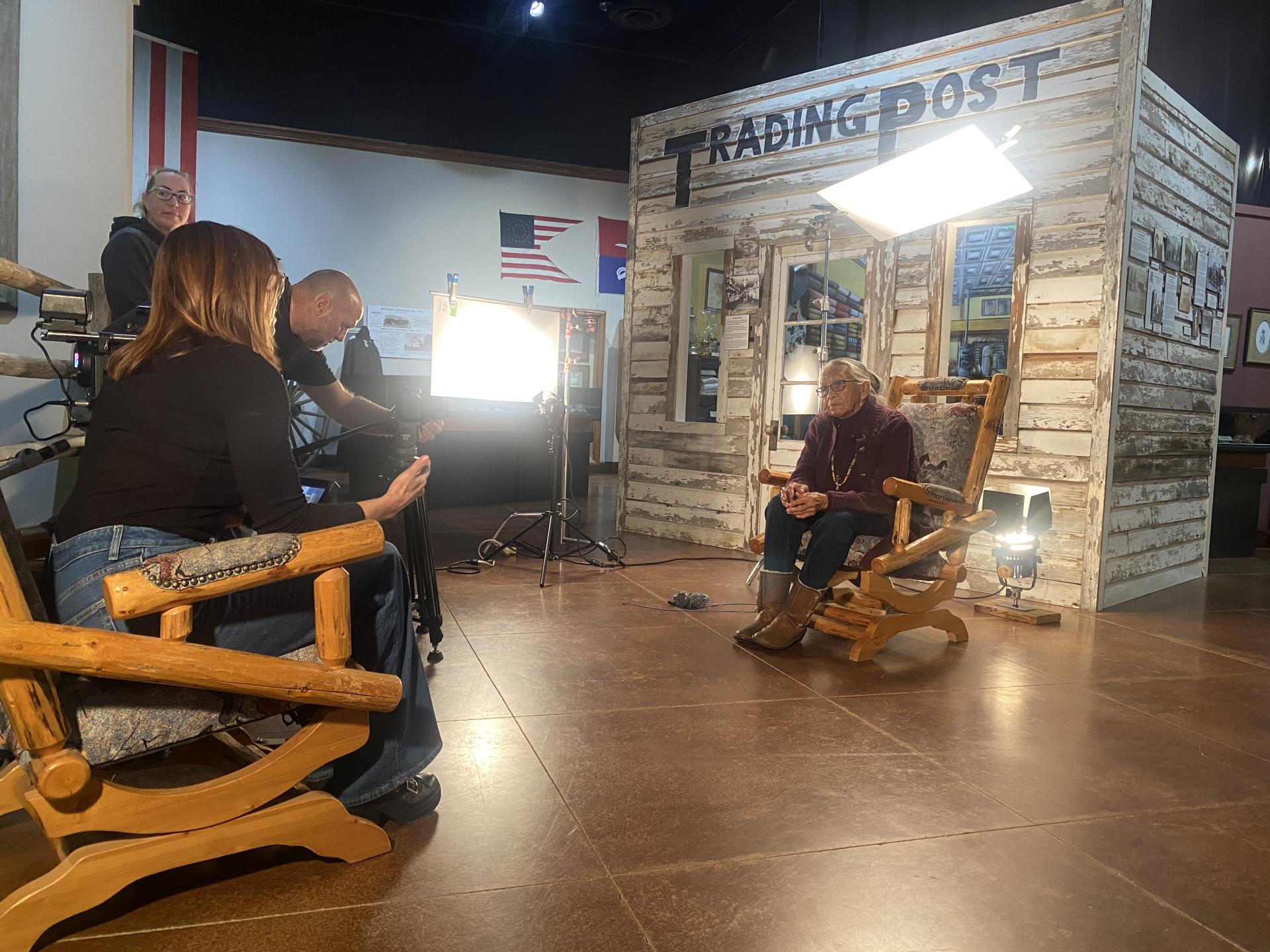
Real Bird’s keen awareness of her surroundings and her intuitive understanding of people were hallmarks of her matriarchal leadership. She seemed to possess an innate ability to grasp the unspoken thoughts and feelings of those around her, often encapsulating her observations with a characteristic chuckle. This embodied wisdom, Vasudevan reflects, is the essence of how matriarchs carry their histories. They possess a visceral understanding of the fundamental aspects of life – giving, nurturing, loss, and embrace. They have witnessed the erosion of traditional ways of life and the subsequent resilience required to rebuild and continue.
The Enduring Strength of Clay and Kitchens
The analogy of a "beautiful pot cannot be broken, only reborn from that clay, that soil, that land" powerfully encapsulates the enduring nature of cultural heritage and the resilience of women. This imagery connects directly to the earth, the source of sustenance and tradition. In the context of Indigenous cultures, the land is not merely a physical space but a sacred entity imbued with ancestral knowledge and spiritual significance. The kitchen, often considered the heart of the home, becomes a metaphor for the nurturing and educational spaces where women have historically passed down traditions, skills, and wisdom. It is within these domestic spheres, through the act of cooking, feeding, embracing, and teaching, that the deepest stories are held and transmitted, often with a shared chuckle, underscoring the joy and resilience inherent in these vital processes.
The legacy of Margo Real Bird extends far beyond her individual life. She represents a powerful archetype of Indigenous womanhood – strong, wise, humorous, and deeply connected to her heritage. Her participation in Vasudevan’s project has not only preserved her unique voice but has also highlighted the critical importance of listening to and amplifying the stories of women, particularly those from marginalized communities. These narratives, often overlooked in mainstream historical accounts, are essential for a comprehensive understanding of human experience and for fostering a more equitable and empathetic future. The "First Voices" initiative, by giving form to these silenced stories, contributes to a broader cultural reckoning, encouraging a deeper appreciation for the diverse tapestry of human existence and the profound wisdom held within every individual’s lived experience. The work of individuals like Margo Real Bird and initiatives like Thresh’s "First Voices" are vital in ensuring that these invaluable stories are not lost to time but are celebrated, understood, and carried forward for generations to come.