Our cognitive system, constantly under pressure to process information rapidly, frequently steers our thinking away from conscious intentions of open-mindedness, respect, and inclusion. With the vast majority of our thought processes operating on an automatic "System 1" autopilot, judgments can often be flawed, rooted in immediate feelings, superficial observations, past experiences, ingrained stereotypes, societal norms, and deeply held beliefs from our upbringing. Reframing, a deliberate strategy involving a conscious change in how we perceive and articulate situations, offers a powerful mechanism to reshape these mental shortcuts, making them more accurate and aligned with our aspirations for interacting with ourselves and others.
The Cognitive Foundations: Navigating System 1 and System 2 Thinking
The groundbreaking work of Nobel laureate Daniel Kahneman introduced the widely accepted dual-process theory, distinguishing between two fundamental modes of thought: System 1 and System 2. System 1 is characterized by fast, automatic, intuitive, and often emotional thinking. It operates effortlessly, making snap judgments and drawing quick conclusions based on heuristics and ingrained patterns. While incredibly efficient for daily survival, this system is prone to biases, relying on readily available information and often leading to errors when faced with complex social situations. Conversely, System 2 is slow, effortful, deliberative, and logical. It is responsible for complex calculations, reasoned decision-making, and critical analysis, acting as a crucial but energy-intensive monitor for System 1’s rapid output.
In the context of social interactions, System 1 thinking is responsible for the rapid categorization of individuals, often drawing on implicit biases and stereotypes absorbed over a lifetime. Studies consistently show the pervasive nature of unconscious bias. For instance, research in organizational psychology indicates that hiring managers, operating under time pressure, often make decisions influenced by factors like names, perceived gender, or racial background, leading to significantly different outcomes for equally qualified candidates. A 2017 study published in Journal of Applied Psychology found that résumés with traditionally "white" sounding names received 50% more callbacks than identical résumés with "black" sounding names. This demonstrates how System 1, seeking efficiency, can default to biased shortcuts unless actively intercepted by System 2.
Societal Constructs: How Normative Patterns Shape Perception
Throughout our lives, we are constantly and often unwittingly internalizing messages about ourselves and others. These messages define pervasive "normative patterns" – unspoken blueprints of who is deemed "good," "attractive," "smart," "trustworthy," "a leader," "friendly," "caring," or "strong." These snap mental associations are powerfully reinforced by an array of societal influencers, including family dynamics, peer groups, social media figures, mainstream media portrayals, educational curricula, reward systems within organizations, and broader cultural narratives. For example, traditional media often perpetuates stereotypes, with a 2019 report by the USC Annenberg Inclusion Initiative revealing significant underrepresentation of women, people of color, and LGBTQ+ individuals in leading roles across film and television. Such consistent exposure normalizes certain attributes and marginalizes others, shaping our views and interactions with people and the very systems we design and utilize.
The impact of these deeply ingrained normative patterns can be profoundly discriminatory, leading to the systemic exclusion of individuals who do not conform to the dominant archetype. This societal pressure fuels the imperative for diversity, equity, and inclusion (DEI) initiatives, aiming to dismantle these exclusionary structures and foster environments where all individuals can thrive irrespective of their background or identity. The motivation to counteract these deep-seated biases is a driving force for behavioral change designers dedicated to promoting a more equitable society.
The Personal Dimension: Internalized Biases and "Zoom Dysmorphia"
Beyond societal discrimination, these normative patterns also profoundly influence our personal perceptions. Individuals frequently internalize negative associations about themselves, often unconsciously measuring themselves against these idealized, externally defined standards. This phenomenon is exacerbated by contemporary digital trends. With the global shift to video-based online work during the COVID-19 pandemic, nearly two years of constant self-viewing led to the emergence of "Zoom dysmorphia." This term describes a negative fixation on one’s own appearance, often fueled by the distorted reflections seen on screens, the ability to constantly monitor one’s own image, and the proliferation of digital filters that promote unattainable beauty standards. A 2021 study in the International Journal of Women’s Dermatology reported a significant increase in cosmetic surgery consultations for perceived facial flaws during the pandemic, directly linking it to increased video conferencing.
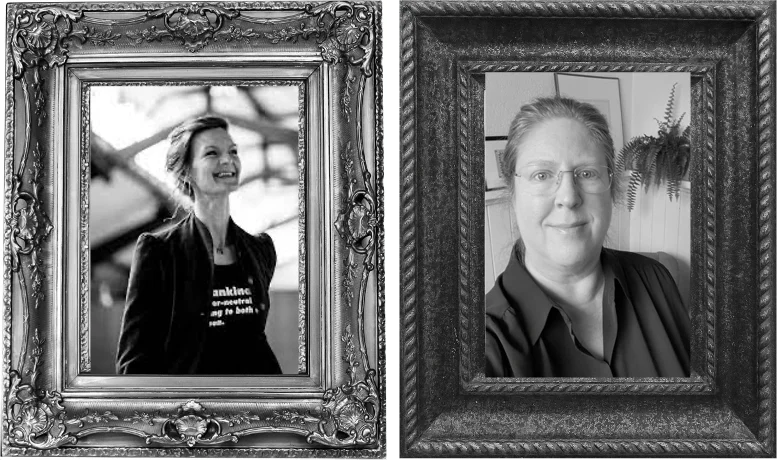
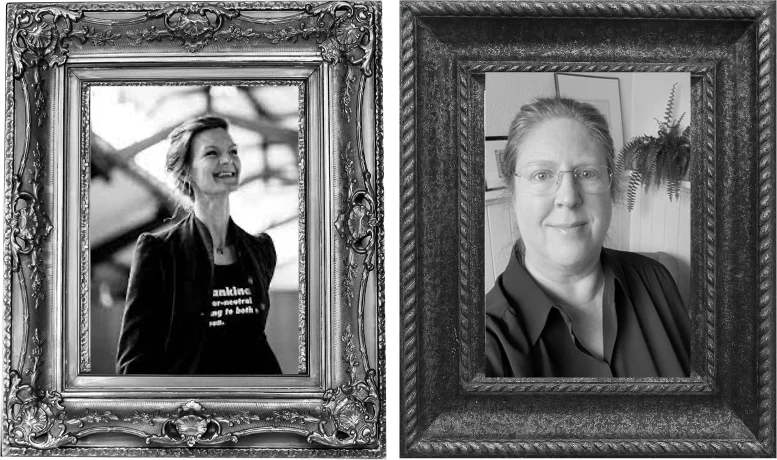
These self-judgments, whether related to perceived physical flaws or a broader sense of not "fitting in," often occur unconsciously, directly contradicting our rationally held positive self-beliefs. Behavioral change designers Lisa Kepinski and Tinna Nielsen, co-creators of the Inclusion Nudges framework, have openly shared their experiences of feeling like "outliers" at various points in their lives due to not conforming to certain norms. This personal resonance underscores the universal nature of internalised bias and the compelling need for effective strategies to interrupt and reshape these negative internal messages and exclusionary thought patterns.
Reframing as a Behavioral Intervention: The Power of Inclusion Nudges
Recognizing the powerful yet often detrimental influence of automatic cognitive processes and internalized biases, behavioral change designers are increasingly focusing on actionable interventions. Kepinski and Nielsen, as pioneers in this field, frequently apply their expertise in behavioral science to themselves, using personal experiments to refine methods for interrupting and reshaping deeply ingrained negative messages, biases, and exclusionary behaviors. Their work is encapsulated within the "Inclusion Nudges" framework, which offers practical, evidence-based designs to foster diversity, equity, and inclusion.
A core tenet of the Inclusion Nudges approach is "reframing"—a technique that involves consciously altering what we perceive and how we articulate it to reset our mental shortcuts. This deliberate shift in perspective aims to align automatic responses with desired outcomes of open-mindedness and respect. Drawing inspiration from an Inclusion Nudge design titled "Re-Frame ‘Migrant’ to ‘Human’" from The Inclusion Nudges Guidebook, which demonstrated the power of language in shifting public perception by replacing stigmatized terms with "human" to emphasize shared humanity, Kepinski and Nielsen developed a personal reframing exercise they named "That’s a human…"
Case Study: The "That’s a Human…" Experiment
Lisa Kepinski’s personal journey with this reframing technique began during the 18 months of pandemic lockdowns. Faced with increased self-scrutiny, particularly concerning her appearance, she observed a pattern of taking quick, critical glances in the mirror. These fleeting moments often spiraled into internal arguments between self-critical and self-confident thoughts, representing a significant expenditure of mental energy. Inspired by the "Re-Frame ‘Migrant’ to ‘Human’" concept, Lisa designed a personal experiment to redirect this energy by consciously changing her internal dialogue when encountering her own reflection. Instead of critical assessment, she began to assert internally, "That’s a human face," "That’s a human body," or "That’s a human being." This simple yet profound linguistic shift served as an immediate interruption to the automatic negative judgments.
The intervention quickly became a regular habit, and its scope expanded beyond self-perception to observations of other people. Lisa reported catching herself thinking "That’s a human face" or "That’s a human body" when observing others, often following an unconscious, critical assessment. This process of recalling the preceding judgmental thought, even when fleeting, created a dissonance between her inclusive intentions and her actual automatic thoughts. This dissonance, rather than being discouraging, served as a powerful motivator to continue practicing the reframing technique, reinforcing the understanding that while bias cannot be "cured," its influence can be significantly lessened through deliberate behavioral designs.
Tinna Nielsen, inspired by Lisa’s success, adopted a similar approach. She noted her own tendency to make superficial, judgmental observations about strangers in public spaces—thoughts like "she is skinny," "he is overweight," or "ugly shoes." Ashamed of this automatic critical inclination but struggling to change it, Tinna implemented the default statement, "There’s a human being." She reported an immediate shift in her internal energy, moving away from a judgmental state. The critical thoughts, as quickly as they arose, dissipated, replaced by a more neutral and positive recognition of shared humanity. This practice also had a profound impact on her self-perception; as someone who had often felt like an outlier due to her height (185 cm), she found comfort in the realization that she, too, was simply "a human being among others."
The outcomes reported by both practitioners align with established psychological principles of cognitive restructuring and mindfulness. By consciously redirecting attention and substituting negative labels with neutral, humanizing ones, they effectively leveraged System 2 to override System 1’s biased inclinations. This behavioral design created a vital pause, allowing for more considered, inclusive thought processes to emerge.
The Science of Framing Perceptions Inclusion Nudges
The efficacy of the "That’s a human…" experiment is rooted in the broader framework of Framing Perceptions Inclusion Nudges. These designs are specifically engineered to alter perceptions and help the brain interpret issues related to inclusion, diversity, and equality through a more resource-oriented discourse. As defined in The Inclusion Nudges Guidebook by Kepinski and Nielsen:
“Framing Perceptions Inclusion Nudges are designs that alter perceptions to help the brain perceive issues related to inclusion, diversity, equality in a resource discourse. The designs also prime specific associations and counter stereotypes. Altering the framing of an issue or message and changing the anchor of a thought process helps to promote inclusive behaviour because it influences the reactions in the automatic, stereotyped, and unconscious mind.”
These nudges function by strategically influencing the automatic, often unconscious, reactions that arise from deeply ingrained stereotypes. By changing the "frame" or "anchor" of a thought process, they effectively redirect cognitive pathways towards more inclusive interpretations. For instance, instead of focusing on a person’s perceived "otherness," reframing emphasizes shared humanity or common attributes. This aligns with cognitive psychology research demonstrating how language and framing significantly impact perception and decision-making. Studies on implicit association tests (IATs) have repeatedly shown how exposure to certain words or images can subtly shift an individual’s implicit biases.
Beyond "Re-Frame ‘Migrant’ to ‘Human’," other successful Framing Perceptions designs include "Ask Flip Questions to Change Your Perceptions in the Moment," which encourages individuals to challenge their initial assumptions by asking counter-factual questions. Another example is "Images Framing Immigrants as One of Us," which uses visual cues to foster empathy and connection, directly countering dehumanizing stereotypes. Similarly, "Interrupt Gender Caregiver Stereotypes with Images" uses diverse imagery to challenge traditional gender roles and promote more equitable views of caregiving responsibilities. These designs are not merely theoretical; they are practical, actionable tools that individuals and organizations can deploy to mitigate bias in real-time.
Broader Implications: Fostering a More Inclusive Society
The success of personal reframing experiments like "That’s a human…" carries significant implications for broader societal efforts to foster diversity, equity, and inclusion. If individuals can consciously alter their own internal biases, it suggests a powerful pathway for creating more inclusive interactions and systems. The challenge of bias is not something that can be simply "wished away" or "cured"; it requires continuous, proactive behavioral interventions.
For organizations, integrating Framing Perceptions Inclusion Nudges into DEI strategies can move beyond awareness training to tangible behavioral change. By designing processes, communications, and environments that subtly encourage inclusive thinking, companies can mitigate bias in hiring, promotion, team dynamics, and customer interactions. For example, ensuring job descriptions use inclusive language, providing diverse visual representations in internal communications, or implementing structured decision-making processes that reduce reliance on snap judgments are all applications of reframing. The World Economic Forum, in its 2020 report on the future of work, highlighted the critical role of behavioral science in fostering inclusive workplaces, underscoring the need for practical, nudge-based interventions.
Ultimately, reframing is a conscious act of reclaiming agency over our automatic thoughts. It empowers individuals to align their cognitive processes with their deepest values of empathy, respect, and fairness. By actively engaging in these designs, both personally and professionally, we contribute to a cumulative shift towards a more understanding, equitable, and connected society, one human interaction at a time. The ongoing exploration and application of such behavioral designs represent a conscious path toward a future where our intentions for inclusion are more consistently reflected in our actions and perceptions.