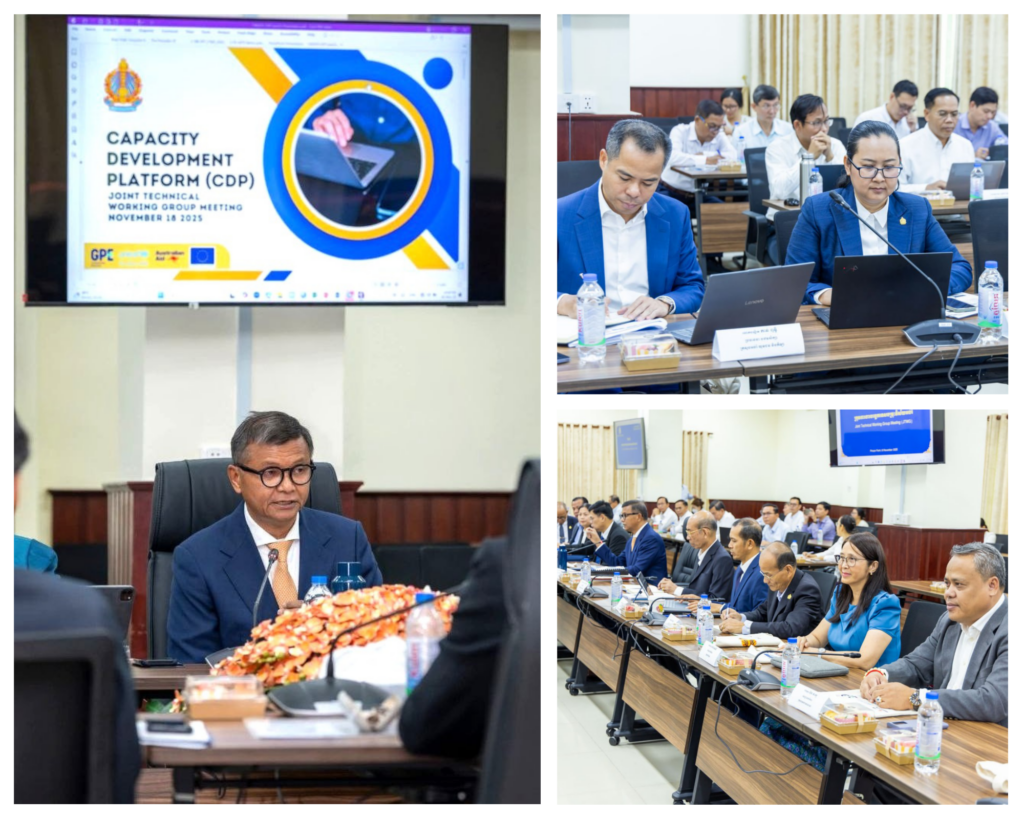
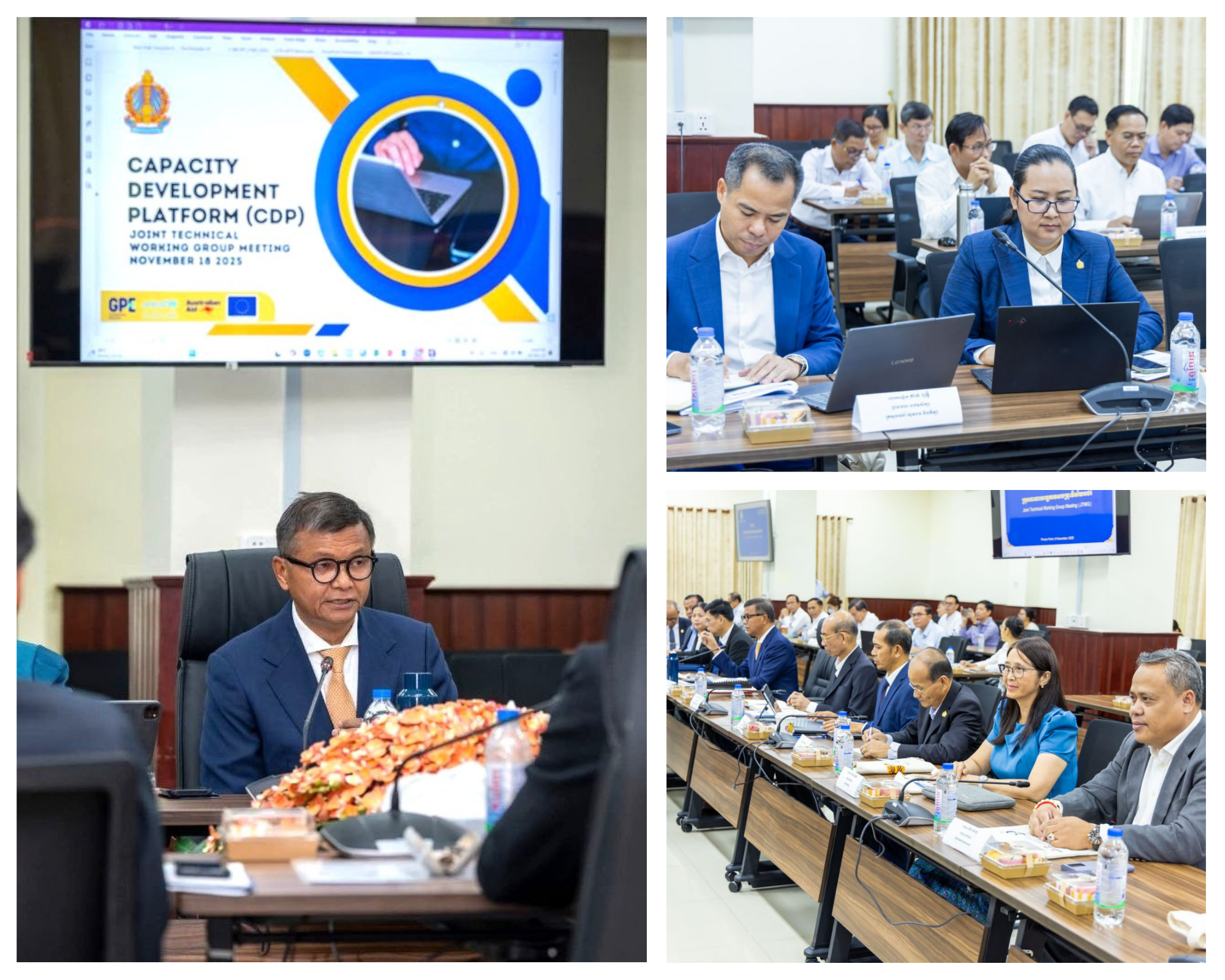
In a landmark move for the Kingdom’s educational infrastructure, the Ministry of Education, Youth, and Sport (MoEYS) has officially inaugurated the Capacity Development Platform (CDP), a comprehensive digital ecosystem designed to revolutionize teacher training and professional development across Cambodia. Launched in November 2025 in collaboration with UNICEF and technical partner World Education, the CDP represents a pivotal shift toward a decentralized, technology-driven model of educator empowerment. This initiative, supported by a coalition of international donors including the Global Partnership for Education (GPE), the European Union (EU), and the Australian Department of Foreign Affairs and Trade (DFAT), arrives at a critical juncture as Cambodia seeks to modernize its workforce to meet the demands of a 21st-century global economy.
The CDP is not merely a repository of digital content but a sophisticated management system integrated into the national educational framework. It allows educators, particularly those stationed in remote and underserved provinces, to access high-quality pedagogical resources, participate in accredited training modules, and earn professional development credits that are directly linked to their career progression and salary increments. By centralizing these resources, the MoEYS aims to eliminate the geographic and logistical barriers that have historically hindered the continuous improvement of the country’s 120,000-strong teaching force.
A Strategic Response to Global Educational Trends
The development of the CDP is rooted in Cambodia’s broader Education Strategic Plan, which emphasizes the digitalization of school management and instructional delivery. Following the disruptions caused by the global pandemic, the MoEYS identified a pressing need for a resilient system that could facilitate learning even in the face of physical school closures. However, the CDP goes beyond emergency remote teaching; it is a proactive investment in the quality of instruction.
Research consistently shows that teacher quality is the single most important school-based factor in student success. In Cambodia, where the education system has undergone rapid expansion in terms of enrollment, the focus has now shifted toward the quality of learning outcomes. The CDP serves as the primary vehicle for this transition, ensuring that every teacher, whether in a metropolitan center like Phnom Penh or a rural village in Ratanakiri, has the same opportunity to master modern pedagogical techniques.
Chronology of Development: From Co-Design to National Rollout
The journey toward the November 2025 launch was characterized by a rigorous, multi-year consultative process. Unlike traditional "top-down" technological implementations, the CDP was built using a human-centered design approach led by World Education, an initiative of JSI. This methodology prioritized the end-user—the Cambodian teacher—at every stage of development.
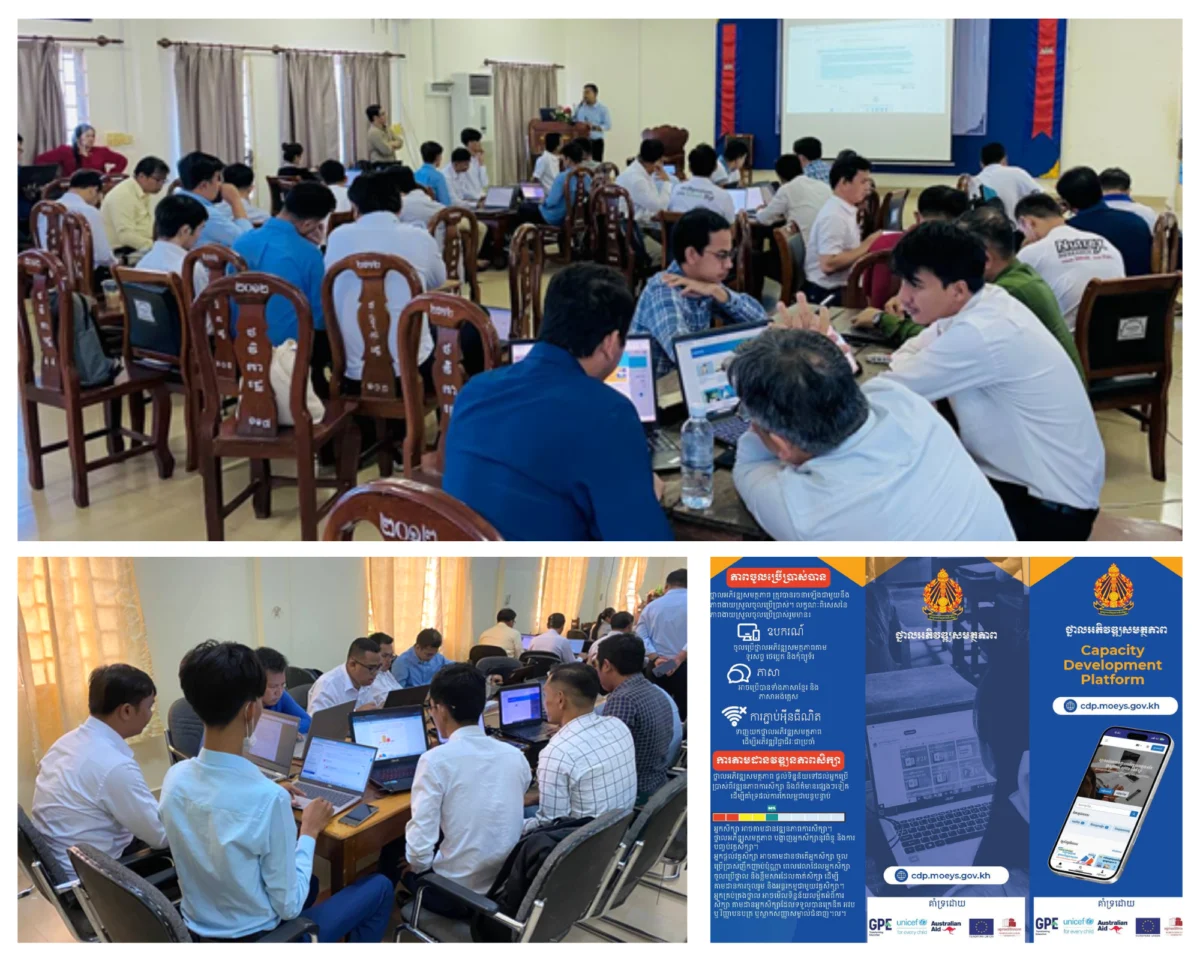
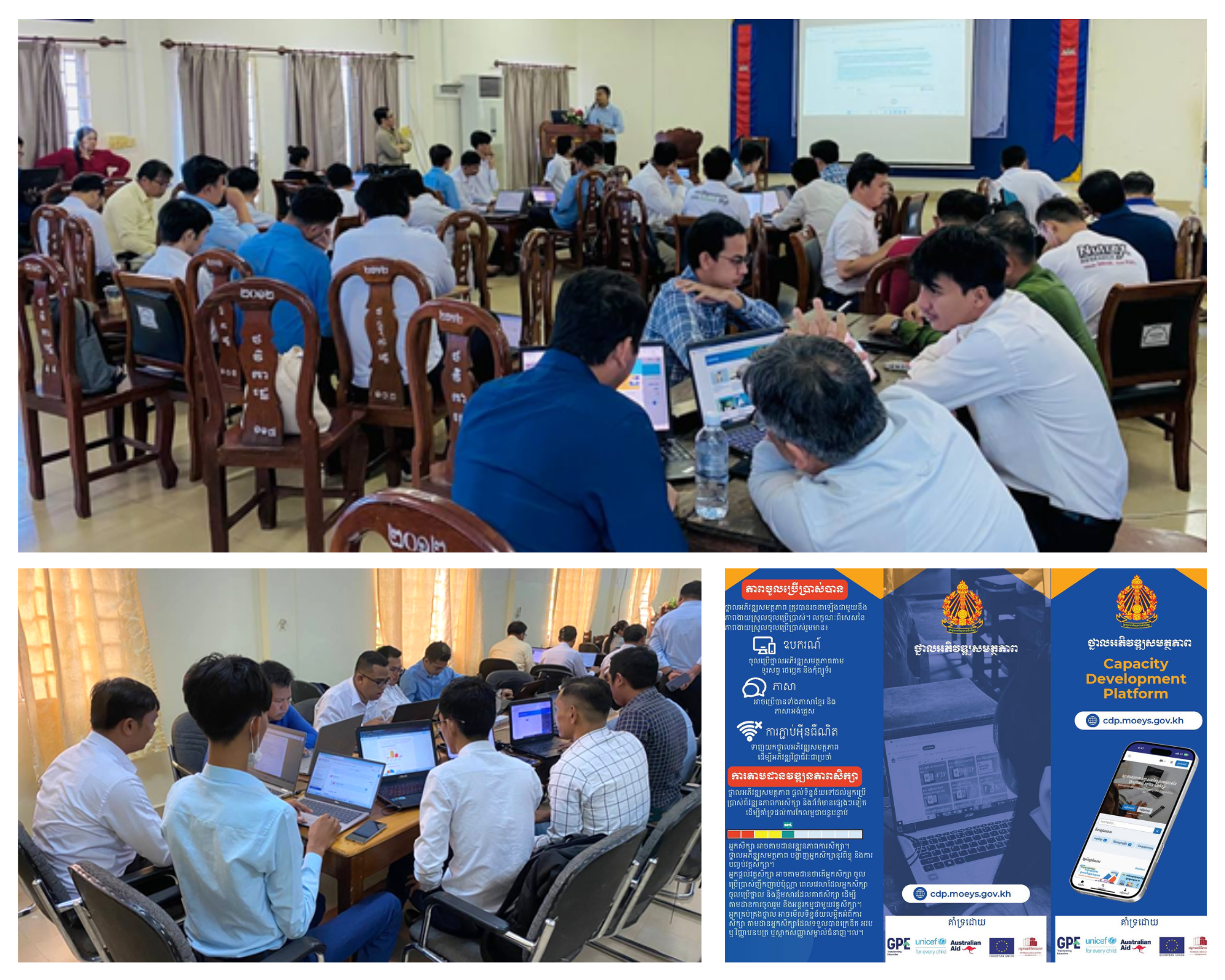
In the second quarter of 2025, specifically during intensive workshops held on May 5–6 and May 19–20, MoEYS staff, technical experts, and frontline educators gathered to prototype the platform’s interface. These sessions were vital for identifying the unique constraints of the Cambodian context. Developers recognized that while smartphone penetration is high among teachers, reliable high-speed internet is not universal. Consequently, the CDP was engineered to function efficiently in low-bandwidth environments, featuring "smartphone-first" navigation and offline capabilities that allow users to download content and sync their progress when a connection becomes available.
By mid-2025, the platform entered a pilot phase, where it was stress-tested by a diverse cohort of educators. This period allowed the Department of Digital Transformation within the MoEYS to refine the system’s security protocols and user support mechanisms. By the time of the official launch in November, the platform was already robust enough to handle tens of thousands of concurrent users, marking the transition from a technical project to a national institution.
Technical Architecture and Institutional Integration
One of the most significant aspects of the CDP is its integration with existing government systems. Rather than operating as a standalone website, the platform is tethered to the MoEYS human resources databases. This ensures that when a teacher completes a course on Information and Communication Technology (ICT) or Early Grade Reading, their achievement is automatically recorded in their official professional profile.
To ensure the platform’s longevity, World Education and its partners focused heavily on governance. A dedicated government governance group was established to oversee the quality of the content and the technical health of the servers. As the platform became operational, technical ownership was systematically transferred to the MoEYS Department of Digital Transformation. This transfer included specialized training in cybersecurity, cloud management, and data analytics, empowering the Cambodian government to maintain and scale the system independently of external consultants.
Quantifiable Impact: Early Success Metrics
The immediate adoption of the CDP has exceeded initial projections, reflecting a high demand for digital learning among Cambodian educators. According to the latest figures released by the MoEYS:
- Total Registered Users: Over 44,000 educators have created accounts on the platform within the first few weeks of operation.
- Course Enrollments: More than 23,000 teachers have enrolled in at least one accredited professional development course.
- Course Diversity: The platform currently hosts a growing library of modules, with a heavy emphasis on Early Grade Reading (EGR) and ICT for Teaching and Learning.
These numbers represent nearly a third of the national teaching workforce, a remarkable feat for a newly launched digital service. The high enrollment in ICT courses is particularly telling, as it suggests a widespread desire among teachers to integrate digital tools and even Artificial Intelligence (AI) into their daily lesson planning.
Voices from the Field: Impact on the Classroom
The true measure of the CDP’s success lies in the classroom. Mrs. Proeut Sanh, a primary school teacher from Kralanh District in Siem Reap Province, shared her experience with the platform’s ICT module. "The course strengthened my knowledge and practical skills in using digital tools and AI for lesson planning," she noted. "It has made my students more active and participatory in the classroom. Before, I struggled to find interactive resources, but now I can design lessons that truly engage them."
Such testimonials highlight the shift from passive, rote learning to active, student-centered instruction. By providing teachers with the tools to innovate, the CDP is indirectly fostering a more dynamic learning environment for millions of Cambodian children.
The Role of International Cooperation and Funding
The realization of the CDP would not have been possible without the synchronized support of the international community. The Global Partnership for Education provided the foundational funding, recognizing Cambodia’s commitment to systemic reform. The European Union and the Australian Department of Foreign Affairs and Trade contributed not only financial resources but also technical expertise in vocational training and digital literacy.
This multi-donor approach reflects a global consensus on the importance of "Systems Strengthening." Rather than funding short-term projects, these partners have invested in a permanent digital asset that the MoEYS owns and operates. This model of development is increasingly seen as the gold standard for achieving the United Nations’ Sustainable Development Goal 4: Quality Education.
Analysis of Implications: A New Era for Cambodian Education
The launch of the CDP carries profound implications for the future of the Kingdom. First, it democratizes access to knowledge. In the past, high-quality training was often restricted to those who could travel to provincial capitals or the national capital. The CDP levels the playing field, ensuring that a teacher in a floating village on the Tonle Sap has the same professional opportunities as one in a prestigious school in Phnom Penh.
Second, the platform provides the MoEYS with unprecedented data. Through the CDP’s analytics dashboard, policymakers can see in real-time which provinces are excelling in training and which areas require more support. This data-driven approach allows for more targeted interventions and more efficient allocation of educational budgets.
Finally, the CDP prepares the education system for future technological shifts. As AI and machine learning continue to evolve, the CDP provides a flexible framework that can incorporate new tools and teaching methodologies as they emerge. It positions Cambodia as a regional leader in EdTech within the ASEAN community.
The Path Forward: Scaling and Mandatory Standards
The MoEYS and World Education are not resting on the success of the launch. The next phase of the CDP involves the rollout of mandatory standards for in-service teacher qualification upgrading. New modules are currently in development that utilize a "blended learning" approach—combining the convenience of digital modules on the CDP with the depth of periodic in-person workshops.
As World Education continues to support the creation of new content, the focus will remain on practical, classroom-ready skills. The goal is to ensure that every educator in Cambodia is not only computer-literate but also "digitally pedagogical"—capable of using technology to explain complex concepts, track student progress, and inspire a lifelong love of learning.
The Capacity Development Platform stands as a testament to what can be achieved through collaborative innovation. By placing the teacher at the center of the digital transformation, Cambodia is building a resilient, equitable, and high-performing education system that will serve as the backbone of the nation’s development for decades to come.