Five years have passed since the Domestic Abuse Act received Royal Assent on 29 April 2021, marking a pivotal moment in the nation’s efforts to combat domestic violence and support its survivors. This landmark legislation, the culmination of years of relentless campaigning by organisations like Women’s Aid, dedicated survivors, and tireless activists, promised a fundamental shift in how society understands and responds to abuse. As the fifth anniversary is observed, reflections are underway on the profound progress achieved, the enduring challenges, and the critical next steps required to truly eradicate domestic abuse for good.
A Long-Awaited Legislative Milestone: The Journey to the Act
The path to the Domestic Abuse Act 2021 was protracted and fraught with advocacy. For decades, campaigners highlighted significant gaps in existing legislation, which often failed to comprehensively address the complex and insidious nature of domestic abuse. Previous laws, while offering some protections, were frequently criticised for their narrow definitions, inadequate support mechanisms, and a fragmented approach that left many survivors, particularly children, vulnerable and unsupported.
Before 2021, the legal framework struggled to fully encompass the breadth of abusive behaviours, especially non-physical forms such as coercive control, economic abuse, and emotional manipulation, which often precede or accompany physical violence. The previous definition of domestic abuse primarily focused on physical violence between adults, largely overlooking the devastating impact on children witnessing or experiencing such abuse, and failing to acknowledge the coercive tactics often employed by perpetrators.
The call for comprehensive reform gained significant momentum throughout the 2010s, fuelled by increasing public awareness, compelling survivor testimonies, and persistent lobbying from a coalition of charities, legal professionals, and cross-party parliamentarians. Women’s Aid, alongside sister organisations, played a central role in articulating the need for a holistic legislative framework that would not only criminalise a wider range of abusive behaviours but also enhance protections and support for all victims. The legislative process itself involved extensive consultation, robust parliamentary debates, and numerous amendments, reflecting the complex societal issues the Act sought to address. Its eventual passage into law was hailed as a monumental victory for victim-survivors and a testament to the power of sustained advocacy.
Transformative Provisions: Redefining Domestic Abuse
The Domestic Abuse Act 2021 introduced a series of groundbreaking provisions designed to offer more robust protections and a more coherent response across various sectors. One of its most significant achievements was the creation of a statutory definition of domestic abuse that explicitly includes emotional, coercive, and economic abuse, alongside physical and sexual abuse. This broadened definition was crucial for recognising the full spectrum of harm inflicted upon survivors, moving beyond the often-narrow focus on physical violence.
Crucially, the Act for the first time enshrined in law the recognition of children as victims of domestic abuse in their own right, rather than merely witnesses. This provision acknowledged the profound psychological and developmental trauma experienced by children exposed to abusive environments, necessitating tailored support and protection for them directly. This shift has significant implications for family court proceedings, social services interventions, and educational support, aiming to break cycles of abuse across generations.
Furthermore, the legislation extended the reach of coercive control offences, clarifying that a victim does not necessarily need to live with a perpetrator to experience this form of abuse. This amendment addressed scenarios where ex-partners or individuals in non-cohabiting relationships could still exert significant control and manipulation, ensuring that geographical separation does not equate to freedom from abuse. The Act also introduced the concept of a Domestic Abuse Commissioner, an independent advocate tasked with championing survivors and holding public bodies to account.
Beyond these core elements, the Act brought about changes in several critical areas, reflecting the pervasive nature of domestic abuse across a survivor’s life:
- Housing: Enhanced protections for survivors in housing, including measures to prevent homelessness and ensure access to safe accommodation.
- Family Courts: Improvements aimed at making family court proceedings safer and more responsive to the needs of domestic abuse survivors, including provisions for special measures and restrictions on perpetrators cross-examining victims.
- Police Powers: Strengthened police powers to protect victims, including Domestic Abuse Protection Notices (DAPNs) and Domestic Abuse Protection Orders (DAPOs), designed to provide immediate and longer-term safeguards.
- Local Authority Duties: Placed a duty on local authorities to provide support to victims in refuges and other safe accommodation.
These provisions collectively represent a "real step change" in societal response, aiming to permeate every aspect of a survivor’s life to offer comprehensive protection and support.
Voices from the Frontline: Matching Promise with Reality
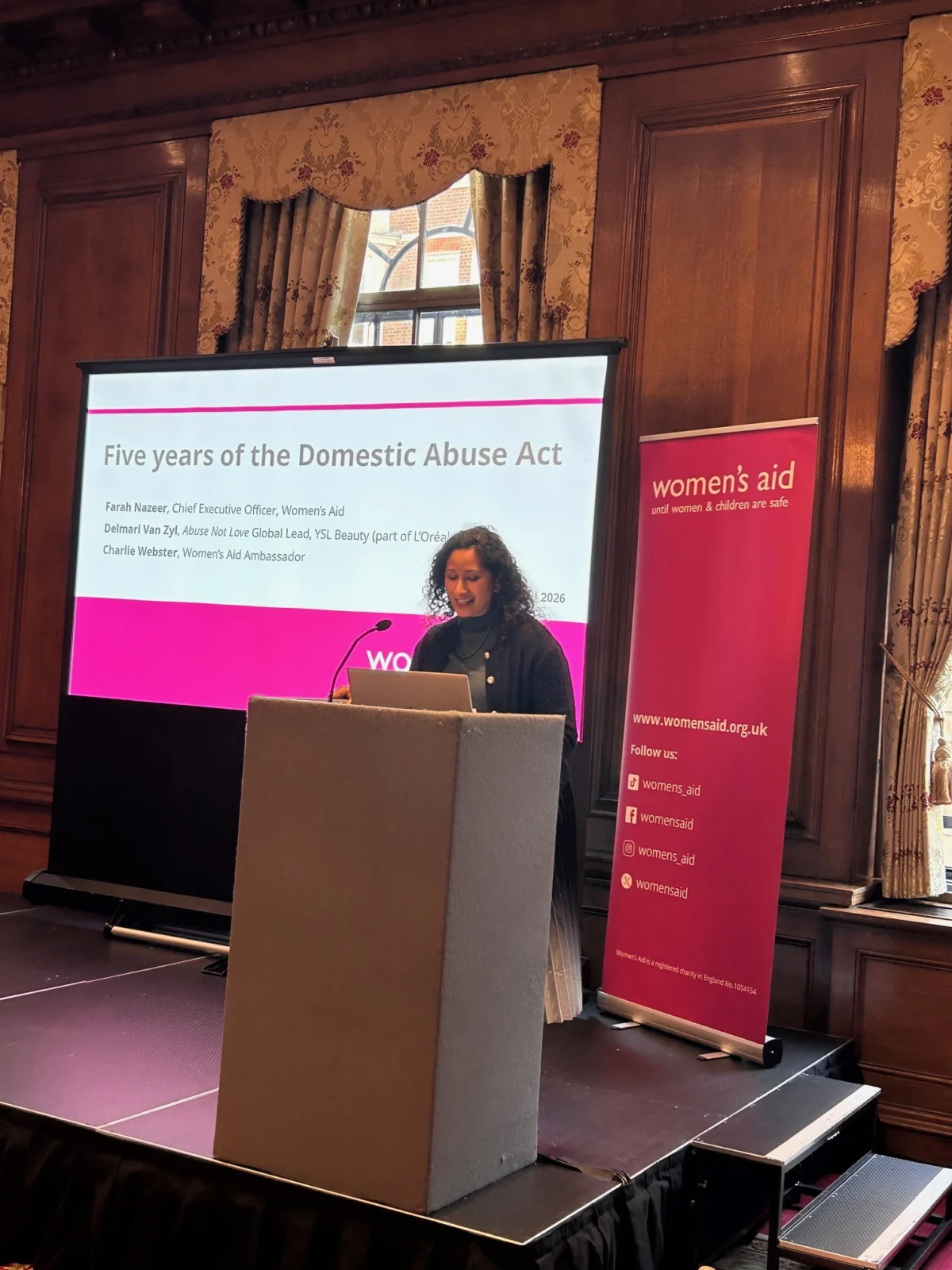
The anniversary was marked by a dedicated reception and a commemorative film, bringing together a diverse array of voices committed to enhancing the lives of survivors. Among the powerful messages shared, Farah Nazeer, CEO of Women’s Aid, articulated the ongoing imperative: “Our task is clear: match the promise of the law with the reality of peoples’ lives.” This statement encapsulates the critical challenge of translating legislative intent into tangible, positive outcomes for individuals experiencing abuse.

Charlie Webster, an ambassador for Women’s Aid, further underscored the necessity of survivor-led policy-making. "You can’t design a system to protect people whose reality you don’t understand," Webster asserted. "Survivor voice is not a nice addition to policy. It’s quality control. The abuse ending is not the end of the story. We need long term wrap around support. Because healing is not an incident, it’s a journey. And right now we’re leaving too many people to walk it alone." Her words highlight the often-overlooked post-abuse journey, emphasising that legal protection is merely the first step, and comprehensive, long-term support is essential for true recovery and empowerment.
These sentiments resonate deeply within the survivor community and among support service providers, who daily witness the chasm between legislative ideals and lived experiences. While the Act provides a robust legal framework, its effectiveness hinges on adequate funding, consistent implementation, and a profound cultural shift in how institutions respond to domestic abuse.
The Landscape Five Years On: Achievements and Persistent Gaps
Five years into its implementation, the Domestic Abuse Act has undeniably catalysed significant improvements. Official statistics demonstrate a heightened awareness of domestic abuse, particularly coercive control, among law enforcement and the judiciary. There has been an increase in recorded domestic abuse-related crimes, partly attributable to the broader statutory definition and improved reporting mechanisms. For instance, data from the Office for National Statistics (ONS) shows that domestic abuse-related crimes continue to constitute a significant proportion of all recorded crime, with police forces recording hundreds of thousands of incidents annually. While these figures are alarming, they also suggest that more incidents are being recognised and reported under the new framework.
However, alongside these achievements, critical gaps and implementation challenges persist. The original legislation, despite its breadth, left out some vital provisions that advocates continue to campaign for. These include:
- Sustainable Funding for Support Services: A persistent and severe issue is the chronic underfunding of specialist domestic abuse services, particularly refuges and community-based support. Many services operate on precarious short-term grants, leading to closures or reduced capacity. Reports consistently indicate that a significant number of women and children seeking refuge are turned away due to lack of space, highlighting a critical shortfall in essential safe accommodation. This directly undermines the Act’s promise of protection and support.
- Protection for Migrant Women: A notable omission in the Act was comprehensive protection for migrant women with insecure immigration status. Fear of deportation or lack of access to public funds often prevents these women from reporting abuse or seeking help, trapping them in dangerous situations. Advocacy groups continue to call for a ‘firewall’ between immigration enforcement and domestic abuse support to ensure all survivors can access help without fear.
- Perpetrator Interventions: While the Act focuses heavily on victim protection, there is an ongoing need for more robust and effective perpetrator programmes. Addressing the root causes of abusive behaviour and holding perpetrators accountable through evidence-based interventions is crucial for preventing re-offending and breaking the cycle of violence. The Act laid some groundwork, but more dedicated resources and a national strategy are required.
- Consistent Implementation and Training: The effectiveness of the Act relies heavily on consistent understanding and application by all relevant agencies, including police, prosecutors, judges, social workers, and healthcare professionals. There is a recognised need for ongoing, comprehensive training across these sectors to ensure a trauma-informed response and a consistent application of the law, particularly concerning the nuances of coercive control and the impact on children.
- Digital and Online Abuse: The rapidly evolving landscape of digital technology presents new challenges in domestic abuse, with online harassment, surveillance, and impersonation becoming increasingly prevalent forms of control. While some aspects may fall under existing laws, there is a call for specific provisions or clearer guidance to tackle these technologically facilitated abuses effectively.
These "unfinished business" areas represent significant hurdles that must be overcome to realise the full potential of the Domestic Abuse Act.
The Broader Impact and Implications
The Domestic Abuse Act has had a far-reaching impact beyond its direct legal provisions. It has elevated the conversation around domestic abuse to a national priority, fostering greater public understanding and reducing stigma. The statutory recognition of coercive control, for example, has empowered survivors to articulate their experiences more clearly and has provided a legal framework for prosecuting non-physical abuse that was previously difficult to challenge.
In the family courts, the Act’s provisions have led to increased awareness of domestic abuse when making child arrangements and a greater emphasis on ensuring safety during proceedings. The duty on local authorities to provide safe accommodation has also, in principle, strengthened the safety net for survivors, although resource limitations continue to be a barrier.
However, the analysis of its implications also reveals the depth of systemic change still required. The judiciary, police, and social services are grappling with the complexities of the new definitions and the increased caseload. The intersectionality of abuse, affecting individuals from diverse backgrounds with unique vulnerabilities (e.g., those with disabilities, LGBTQ+ individuals, ethnic minority groups), demands a nuanced and inclusive approach that the Act, while foundational, cannot solely guarantee. The challenge lies in ensuring that the spirit of the law translates into equitable outcomes for all survivors, irrespective of their background or circumstances.
The Path Forward: Building a Future Free from Abuse
As Women’s Aid and its partners reflect on the past five years, the focus is firmly on what comes next. The anniversary serves not just as a celebration of progress but as a renewed call to action. The vision for a future free from abuse requires a multi-faceted approach:
- Sustained and Increased Funding: A long-term, sustainable funding model for specialist domestic abuse services is paramount. This includes adequate investment in refuges, helplines, outreach services, and preventative programmes.
- Addressing Legislative Gaps: Continued advocacy for legislative amendments or new policies to protect migrant women, strengthen perpetrator interventions, and address emerging forms of abuse like technology-facilitated control.
- Comprehensive Training and Awareness: Ongoing, mandatory training for all frontline professionals to ensure a consistent, trauma-informed, and survivor-centred response across the entire criminal justice and support system.
- Prioritising Prevention: Greater investment in primary prevention strategies, including educational programmes in schools and public awareness campaigns, to challenge societal attitudes that perpetuate abuse.
- Survivor-Centred Approach: Ensuring that the voices and experiences of survivors remain at the heart of policy development and service delivery, guaranteeing that support systems are genuinely responsive to their needs.
The Domestic Abuse Act 2021 was a monumental step, providing a powerful legal framework for change. Its five-year anniversary is a moment to acknowledge the dedication of all who championed its passage and continue to work tirelessly on its behalf. As Farah Nazeer and Charlie Webster’s words underscore, the law is a promise, and the ongoing challenge is to ensure that this promise is fully realised in the lives of every woman, child, and individual affected by domestic abuse. The journey towards a society truly free from violence is long, but with continued commitment, collaboration, and a relentless focus on survivors’ needs, it is a future within reach.