Three years into the devastating civil war in Sudan, the human cost continues to mount with an unprecedented 14 million people displaced both internally and across borders. Chad, a nation already grappling with limited resources, now finds itself hosting 1.8 million displaced individuals, the vast majority of whom have arrived since the conflict erupted. This surge in refugees has placed an immense strain on existing infrastructure and humanitarian aid systems, exacerbating pre-existing vulnerabilities.
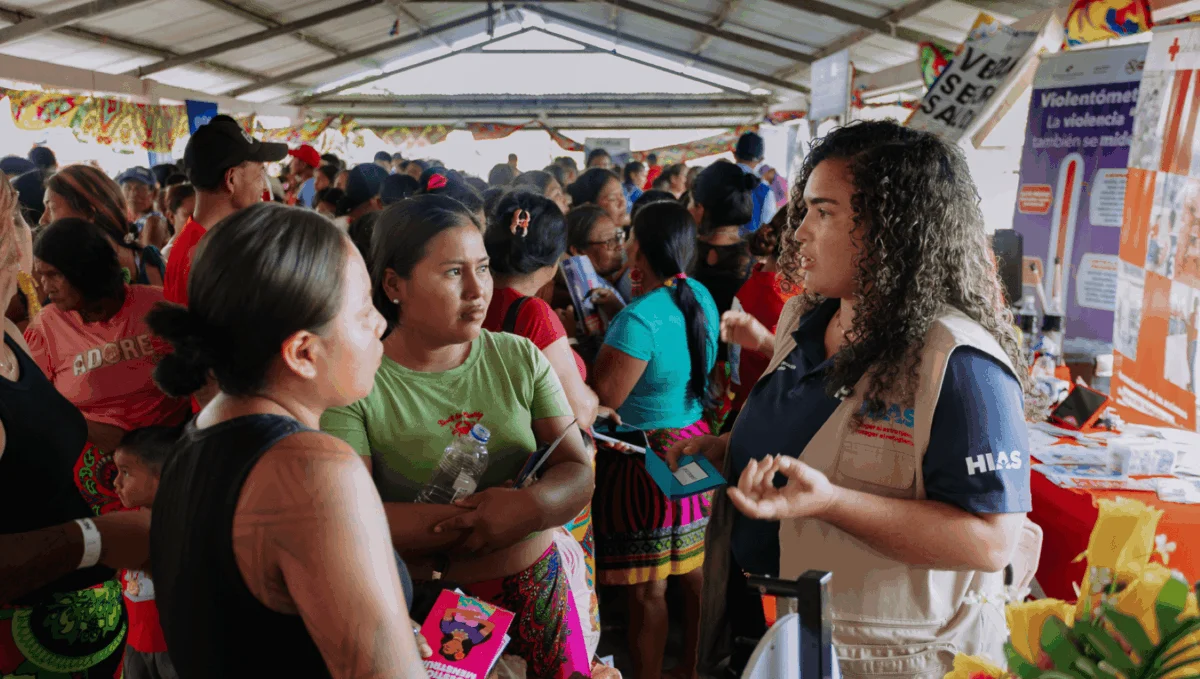
HIAS, an organization with over two decades of experience operating in Chad, remains at the forefront of providing critical support to refugees, internally displaced persons, and the host communities along the nation’s eastern border with Sudan. The ongoing conflict in Sudan has precipitated what is now recognized as the world’s largest displacement crisis, leading to a relentless increase in the demand for essential services. Compounding this humanitarian challenge, recent years have witnessed severe cuts to crucial U.S. and European humanitarian funding, further stretching an already overstretched aid apparatus and leaving vulnerable refugee populations increasingly susceptible to hunger, disease, and violence.
Despite these formidable obstacles, Sudanese refugees in Chad demonstrate remarkable resilience and an unwavering determination to rebuild their lives. Through the dedicated efforts of HIAS Chad, many are beginning to heal from the profound trauma of war and are actively engaged in establishing livelihoods to support their families. These individual success stories, often born from immense hardship, underscore the critical importance of sustained humanitarian assistance and the inherent capacity of displaced individuals to regain agency and contribute to their own recovery.
The Genesis of a Catastrophe: A Sudan Civil War Overview
The current crisis in Sudan traces its roots to a power struggle that erupted in April 2023 between the Sudanese Armed Forces (SAF) and the paramilitary Rapid Support Forces (RSF). What began as a localized dispute quickly devolved into a nationwide conflict, characterized by widespread violence, urban warfare, and the deliberate targeting of civilian infrastructure. The SAF, led by General Abdel Fattah al-Burhan, and the RSF, commanded by General Mohamed Hamdan Dagalo, have engaged in a brutal contest for control, with devastating consequences for the Sudanese population.
The conflict has not only led to mass displacement but has also resulted in a severe humanitarian catastrophe, marked by widespread food insecurity, collapsing healthcare systems, and a pervasive climate of fear. International observers and human rights organizations have documented numerous alleged atrocities, including ethnic cleansing and widespread sexual violence, further compounding the trauma experienced by those fleeing the violence. The international community has largely condemned the conflict and called for an immediate ceasefire, but diplomatic efforts have so far yielded limited results in halting the bloodshed.
A Nation Under Pressure: Chad’s Humanitarian Burden
Chad, a landlocked nation with its own developmental challenges, shares a long and porous border with Sudan. The influx of refugees, primarily from the Darfur region and other conflict-affected areas of Sudan, has placed an unprecedented burden on Chad’s resources. Camps, such as Alacha and Aboutengué, have become overcrowded, straining water, sanitation, and healthcare facilities. The existing infrastructure, often designed for much smaller populations, is struggling to cope with the sheer volume of arrivals.
The economic implications for Chad are also significant. The arrival of nearly two million displaced people adds pressure on local markets, potentially driving up food prices and exacerbating existing poverty in host communities. While international aid is crucial, the chronic underfunding of humanitarian responses creates a precarious situation, where basic needs often go unmet, and the most vulnerable are left to fend for themselves in increasingly challenging circumstances. The interconnectedness of the region means that instability in Sudan has direct and immediate repercussions for its neighbors, highlighting the regional nature of this protracted crisis.
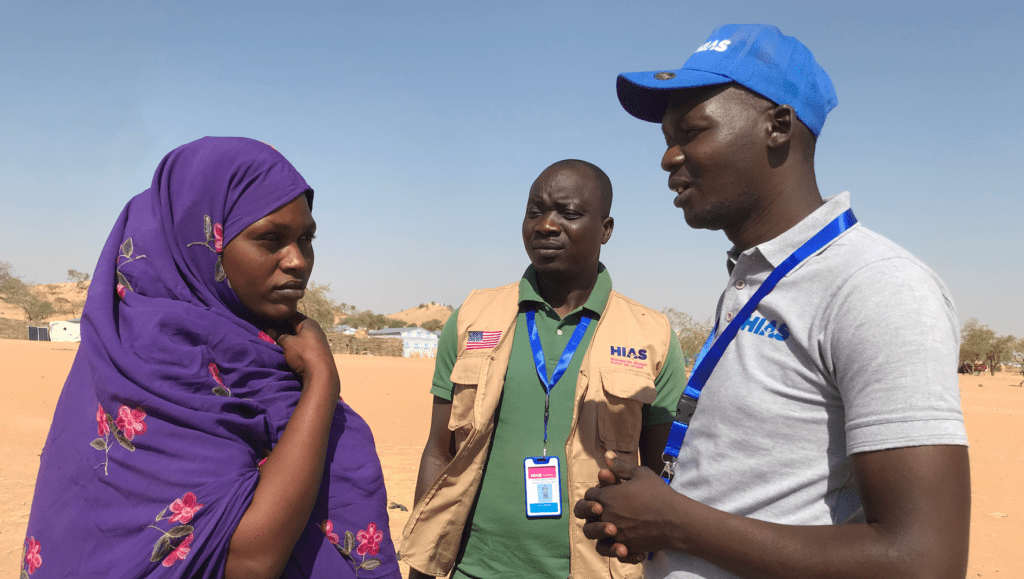
Stories of Resilience: Fatna’s Journey from Peril to Prosperity
Amidst the overwhelming statistics, the personal narratives of refugees paint a vivid picture of their struggles and triumphs. Fatna, a mother of eight residing in the Aboutengué camp, exemplifies this resilience. Before connecting with HIAS, her daily existence was a desperate struggle for survival.
"Before, to feed my children, I sold bundles of firewood," Fatna recounted, her voice tinged with the memory of past hardship. "I had to walk for miles, sometimes far from the camp, exposing myself to attacks, harassment, and even the risk of rape. Every trip was dangerous, every day a source of worry." The perilous nature of her former livelihood underscored the extreme risks many women face in their efforts to provide for their families. The constant threat of violence, coupled with the physical toll of her work, left her in a state of perpetual anxiety.
However, a turning point arrived with the economic assistance provided by HIAS Chad, a program generously funded by the German Federal Foreign Office (GFFO). This support enabled Fatna to transition from hazardous labor to a sustainable livelihood. She was able to establish her own business cultivating and selling crops. Her enterprise has since flourished, expanding to include the sale of vegetables in three neighboring camps.
"I can now provide for my children without risking my life," Fatna shared, a sense of pride evident in her tone. "By saving some of the assistance I received, I was able to plant this season. The harvest was good, proof that my strategy is working, and I am very proud of it. My home is more stable, my children are eating better, and I have regained my dignity." Her words highlight not only economic recovery but also the profound psychological impact of regaining control over her life and providing for her family with dignity.
Beyond economic empowerment, HIAS also provides vital protection services to Fatna and other women in her community. These initiatives aim to prevent gender-based violence, a pervasive issue in displacement settings. "I am deeply grateful to HIAS for this assistance, but also for the regular follow-up and constant support," Fatna stated. "Today, I am ready to get more involved in my community, to raise awareness among other women and direct them to services." Her commitment to community engagement signifies a broader movement towards empowerment and mutual support among displaced women.
Zam-Zam’s Enduring Spirit: From Darfur to a New Beginning
Fatna’s story is echoed by Zam-Zam, another mother whose life has been irrevocably shaped by the conflict in Sudan. Her journey began over two decades ago when she first arrived in Chad, fleeing the initial wave of violence in Darfur that tragically claimed her husband’s life. Now, she is responsible for the care of her six children, including a daughter with a disability who faces mobility challenges.
"When I arrived at the Farchana camp in 2004, my situation was extremely difficult," Zam-Zam recalled. "I was mentally devastated, without the resources to provide for my children’s basic needs." The initial years in displacement were marked by profound loss and overwhelming scarcity.
With her limited savings, Zam-Zam managed to establish a small business selling goods at the camp market. Her persistence and entrepreneurial spirit laid the groundwork for future growth. She eventually learned about HIAS through fellow refugee women in her community who had benefited from their services. HIAS, again with funding from the GFFO, provided Zam-Zam with economic assistance that allowed her to expand her business. This support enabled her to travel more regularly between camps, diversifying her product offerings and securing essential supplies of dried foods for resale.
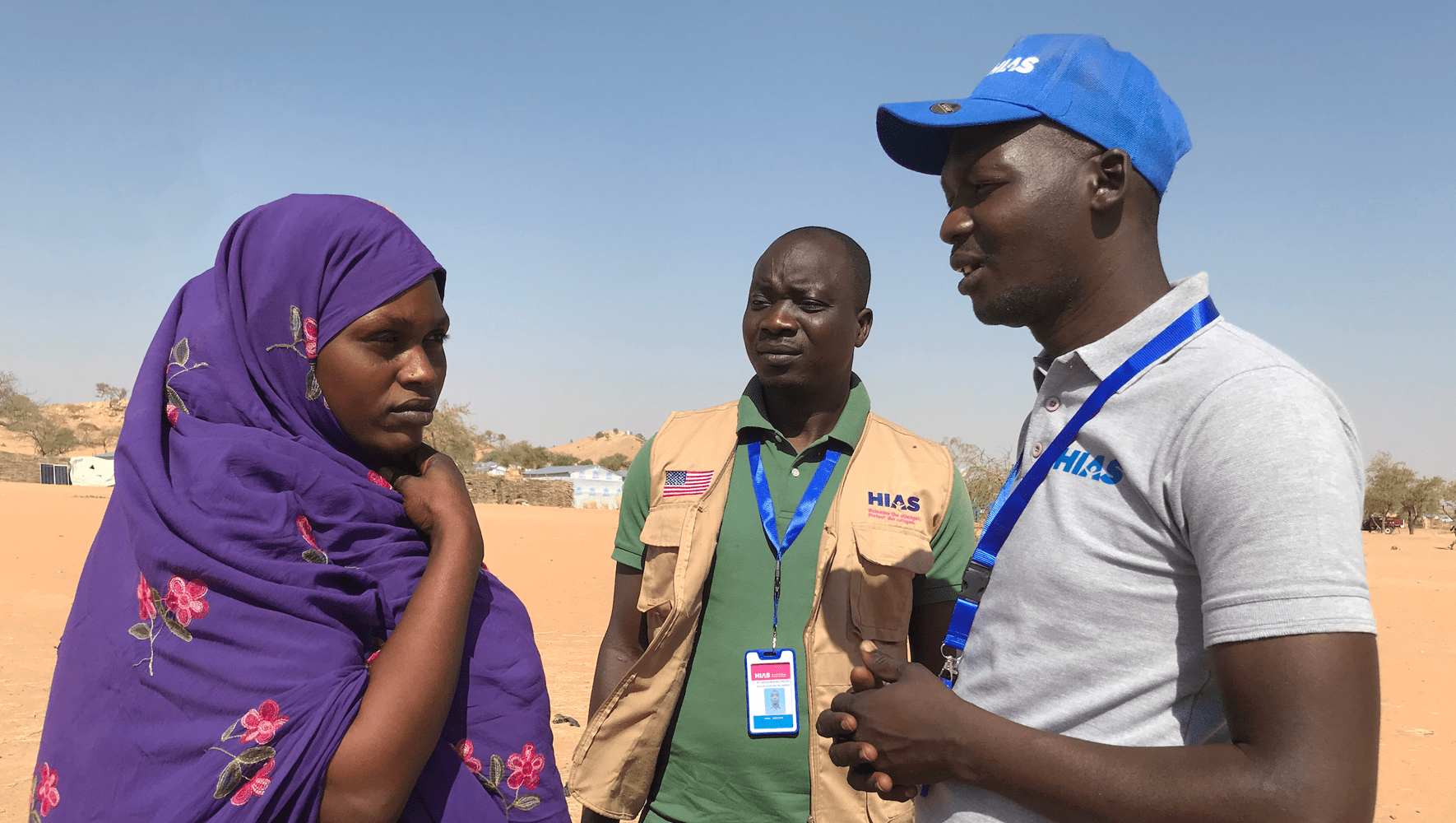
"Since that day, my life has changed," Zam-Zam shared, her voice filled with gratitude. "Thanks to this business, I can provide for my children, who have enough to eat, attend school, and receive the basic healthcare they need. With my income from my business, I can even support my relatives when they face social difficulties." Her success story illustrates the ripple effect of economic empowerment, not only improving her immediate family’s well-being but also allowing her to extend support to her extended family and community.
The Critical Role of Economic Empowerment and Protection
Across the globe, HIAS has consistently observed that even modest amounts of economic assistance yield significant returns, empowering refugees to build sustainable incomes that are then reinvested within their communities. The organization facilitates this process by providing seed capital, vocational training, and financial literacy programs.
"For Sudanese refugees in Chad, economic empowerment and protection are inseparable," stated Anitha Niyongir, HIAS Chad’s Protection Manager. "When individuals, especially women and girls, have access to safe livelihoods and opportunities alongside protection services, they are better equipped to resist exploitation, reduce harmful coping mechanisms, and reclaim control over their lives." This integrated approach recognizes that economic stability and personal safety are intrinsically linked, forming the bedrock of a dignified existence for displaced individuals.
The strategic importance of these programs cannot be overstated. In contexts where formal employment opportunities are scarce and the risk of exploitation is high, providing refugees with the means to generate their own income is a crucial step towards self-reliance and resilience. Furthermore, the protection component ensures that these economic activities are undertaken in a safe environment, mitigating the risks of trafficking, sexual exploitation, and other forms of gender-based violence that disproportionately affect women and girls in displacement settings.
A Call for Sustained Support Amidst Funding Gaps
The operational challenges faced by organizations like HIAS in Chad are amplified by persistent funding shortfalls. The cuts to humanitarian aid, particularly from key international donors, have created a precarious funding environment, making it difficult to meet the escalating needs of the refugee population. This chronic underfunding has tangible consequences, leading to reduced rations, limited access to essential services, and an increased risk of protection violations.
"I am grateful to HIAS for its continued support of women and children in the community," Zam-Zam expressed, her plea resonating with the broader needs of the refugee population. "We pray that more funding will be made available to continue supporting the most vulnerable." Her words serve as a poignant reminder of the ongoing humanitarian imperative and the urgent need for increased and sustained financial commitments from the international community.
The situation in Chad underscores a global challenge: the growing gap between the scale of humanitarian crises and the resources available to address them. As conflicts continue to drive displacement, the international community must reaffirm its commitment to providing adequate and predictable funding for humanitarian organizations working on the front lines. Investing in such programs not only alleviates immediate suffering but also fosters long-term stability and empowers displaced individuals to become active participants in their own recovery and the rebuilding of their communities. The enduring spirit of individuals like Fatna and Zam-Zam, coupled with the dedicated work of organizations like HIAS, offers a beacon of hope, but this hope is critically dependent on the sustained generosity and commitment of the global community. The protracted nature of the Sudanese conflict demands a long-term, multifaceted approach that prioritizes both immediate relief and sustainable solutions for those whose lives have been uprooted by war.