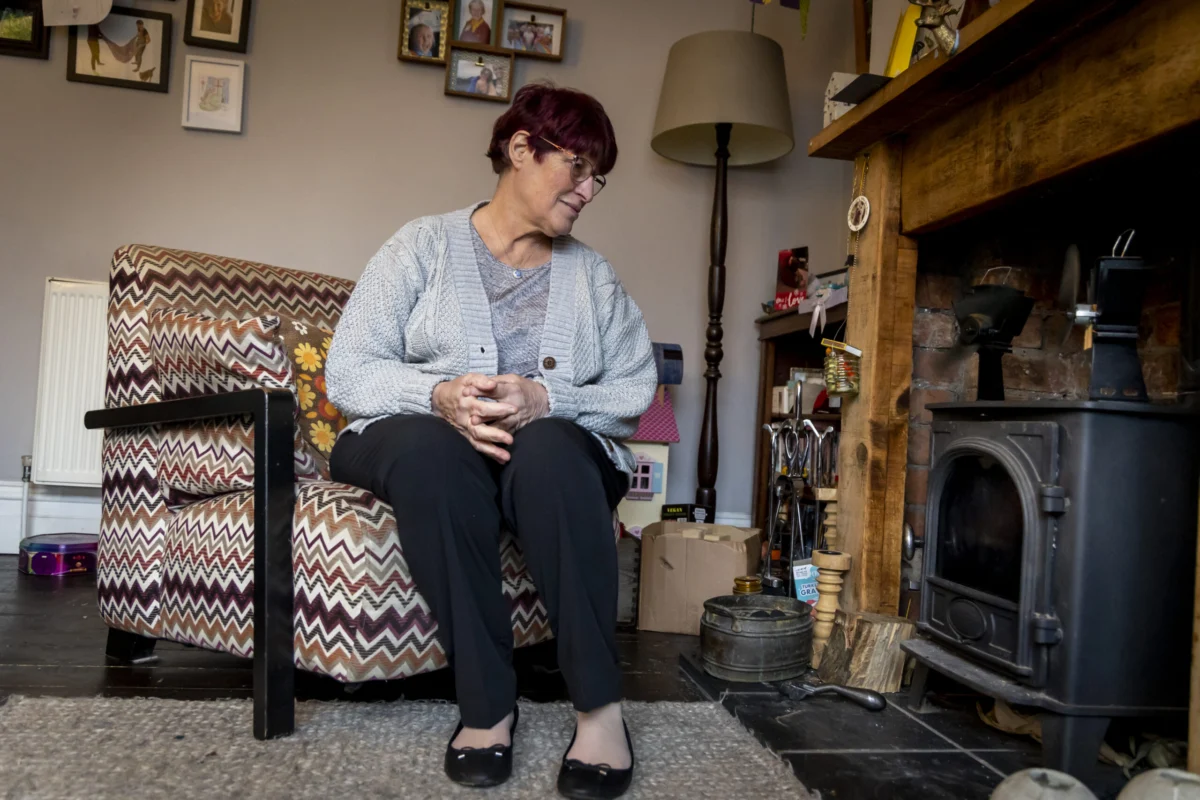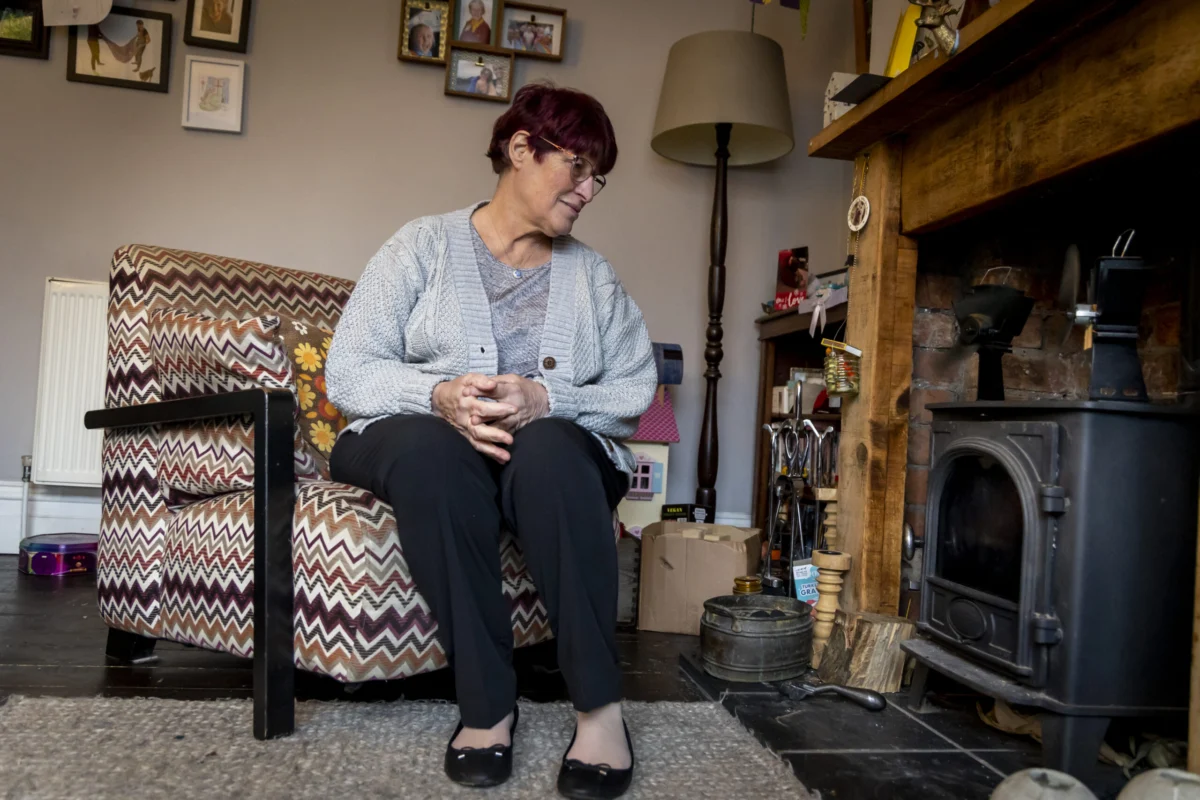
The latest data from the Central Statistics Office (CSO) has revealed a stark and concerning increase in the risk of poverty among older people in Ireland, prompting Age Action to issue an urgent warning regarding the adequacy of current social welfare protections. According to the 2025 Survey on Income and Living Conditions (SILC), those aged 65 and over, particularly individuals living alone, are facing significantly higher levels of financial instability than in previous years. The figures indicate that the progress made through temporary government interventions is beginning to erode, leaving a vulnerable segment of the population at a historic disadvantage as the cost of living remains high.
The CSO report, which serves as the primary benchmark for measuring poverty and living standards in Ireland, highlights that older people living alone experienced the highest rate of income poverty across all demographic groups in 2025. This rate reached 30.3%, representing a sharp increase of 4.4 percentage points from the 2024 figures. Perhaps most alarming is the fact that the poverty rate for this specific group is now nearly two and a half times the national average, suggesting a widening gap between the elderly and the general population in terms of economic security.
A Detailed Breakdown of the 2025 SILC Findings
The 2025 SILC data provides a granular look at the economic challenges facing Ireland’s aging population. The survey categorizes poverty through three primary metrics: the at-risk-of-poverty rate (income poverty), enforced deprivation, and consistent poverty. Each of these metrics showed a worrying trend for the year 2025.
Income poverty, or being "at risk of poverty," is defined as having an equivalised disposable income below 60% of the national median. For older people living alone, this threshold has become increasingly difficult to maintain. The rise to 30.3% indicates that nearly one in three older adults living solo are surviving on incomes that fall below the poverty line.
Beyond nominal income, the report measures "enforced deprivation," which occurs when individuals cannot afford at least two out of eleven essential items or activities. These items include basic necessities such as keeping the home adequately warm, replacing worn-out furniture, buying new clothes, or having a meal with meat, chicken, or fish (or a vegetarian equivalent) every second day. The 2025 data shows that 18.3% of older people living alone—almost one in five—suffered from enforced deprivation. Even for couples where at least one person is aged 65 or older, the rate stood at 9.8%, or roughly one in ten.
The most severe category, "consistent poverty," describes those who are both below the income poverty line and experiencing enforced deprivation. The report found that 9.8% of older people living alone were in consistent poverty in 2025. This suggests that for nearly a tenth of this demographic, the struggle is not merely a matter of low income on paper but a daily reality of lacking the basic resources required for a dignified standard of living.
The Role of Government Intervention and the 2026 Budgetary Gap
A significant portion of the current debate centers on the effectiveness of "one-off" cost-of-living measures. In recent years, the Irish government has utilized lump-sum payments, energy credits, and temporary bonuses to shield households from the worst effects of inflation and the energy crisis. Camille Loftus, Head of Advocacy and Public Affairs at Age Action, noted that these measures did have a tangible impact in 2025.
"While one-off cost of living measures have reduced the poverty risk for older people in recent years—by 5.9 percentage points in 2025—the failure to replace these supports with permanent and targeted measures in Budget 2026 means that older people will face a growing risk of living in poverty in 2026," Loftus stated.
The data suggests that without these temporary interventions, the poverty rate for older people would have been significantly higher. However, advocacy groups argue that relying on ad-hoc payments creates a "cliff edge" for the vulnerable. As the 2026 Budget cycle approaches, the absence of a permanent increase in the core State Pension rate to match inflation and the rising cost of essentials is viewed as a major policy oversight. The transition from 2025 to 2026 is now seen as a critical period where many older people may fall back into deeper financial distress as the temporary supports expire.
Chronology of the Economic Crisis and its Impact on Seniors
To understand the 2025 figures, it is necessary to look at the economic trajectory of the past several years. Ireland, like much of Europe, experienced a sharp spike in inflation beginning in 2022, driven largely by skyrocketing energy prices and supply chain disruptions following the pandemic and the onset of the war in Ukraine.
In 2023 and 2024, the government responded with record-breaking "Cost of Living" packages. These included double social welfare payments, fuel allowance bonuses, and universal electricity credits. While these measures were welcomed, they were designed as short-term relief rather than structural changes to the social welfare system.

By 2025, the "sticky" nature of inflation meant that while the rate of price increases had slowed, the actual cost of goods remained at a new, higher plateau. For older people on fixed incomes, particularly the State Pension, the purchasing power of their weekly payments had effectively diminished. The 2025 SILC data reflects the point at which these high costs finally overwhelmed the temporary protections provided in previous budget cycles.
The timeline of concerns raised by Age Action and other NGOs such as ALONE and the Society of St. Vincent de Paul shows a consistent pattern of warnings. Throughout late 2024 and early 2025, these organizations argued that the State Pension was not keeping pace with the Minimum Essential Standard of Living (MESL). The MESL is a measure of the minimum income needed to meet basic physical, psychological, and social needs. For many older people, especially those in rural areas or living in energy-inefficient housing, the gap between the pension and the MESL has become an unbridgeable chasm.
The Demographic Vulnerability of Those Living Alone
The disparity between older couples and older people living alone is one of the most striking aspects of the CSO report. Living alone presents unique economic challenges that are often overlooked in broad policy discussions. Single-occupant households do not benefit from "economies of scale"; the cost of heating a home, paying property taxes, maintaining a vehicle, or managing basic utilities is largely the same whether one or two people live in the dwelling.
Furthermore, Ireland’s older population is increasingly composed of "asset rich but cash poor" individuals. Many own their homes outright but lack the liquid income to maintain them or to pay for rising service costs. For those in the rental sector, the situation is even more precarious, as private rents have surged far beyond the increases provided in housing supports or the state pension.
The 2025 data suggests that the "Living Alone Allowance"—an additional payment for those on social welfare living solo—is no longer sufficient to offset these structural costs. The 4.4 percentage point jump in poverty for this group in just one year indicates a systemic failure to protect those without a partner to share the financial burden.
Analysis of Implications: Health, Social Isolation, and the State’s Responsibility
The rise in poverty among older people carries implications that extend far beyond financial statistics. There is a well-documented link between poverty and poor health outcomes. Enforced deprivation, particularly the inability to keep a home warm or afford nutritious food, directly contributes to respiratory issues, cardiovascular disease, and weakened immune systems among the elderly. This, in turn, places an increased burden on the national healthcare system, as preventable illnesses lead to hospitalizations and long-term care requirements.
Socially, the fear of falling into poverty often leads to withdrawal. Older people may cut back on social activities, transport, or communication (such as telephone and internet services) to save money for food and heat. This exacerbates social isolation and loneliness, which are already significant issues for those living alone.
From a policy perspective, the 2025 SILC report serves as a critique of the "lump-sum" approach to social governance. While politically popular, one-off payments do not provide the certainty required for long-term financial planning. Economic analysts suggest that the Irish government faces a choice: either index the State Pension to wages or inflation to ensure a consistent standard of living, or accept that a growing percentage of the aging population will remain in a state of perpetual economic precariousness.
Future Outlook and the Call for Budgetary Reform
As Age Action and Camille Loftus have emphasized, the focus must now shift to the 2026 fiscal year. The 2025 data is a retrospective look at a crisis that is currently unfolding. Without a fundamental shift in how the state supports its older citizens, the 2026 SILC report is likely to show even more distressing figures.
The advocacy community is calling for several key reforms:
- Benchmarking the State Pension: Ensuring the pension is set at a level that guarantees a Minimum Essential Standard of Living, currently estimated to be significantly higher than the present rate.
- Targeted Energy Support: Moving away from universal electricity credits toward more substantial, targeted support for those in receipt of the Fuel Allowance.
- Reform of the Living Alone Allowance: Increasing this payment to reflect the true cost of running a single-person household in the current economic climate.
- Investment in Retrofitting: Providing more accessible grants for older people to improve the energy efficiency of their homes, thereby reducing the long-term cost of heating.
The findings of the 11-March-2026 CSO release are a clear signal that the temporary "buffer" provided by previous budgets has worn thin. For the 30.3% of older people living alone who are now at risk of poverty, the need for permanent, structural change is no longer a matter of political debate, but a matter of survival. The government’s response in the coming months will determine whether Ireland can fulfill its social contract with its older generation or whether 2025 will be remembered as the beginning of a sustained increase in elderly destitution.