By Pablo Xol (Maya Q’eqchi’, CS Staff)
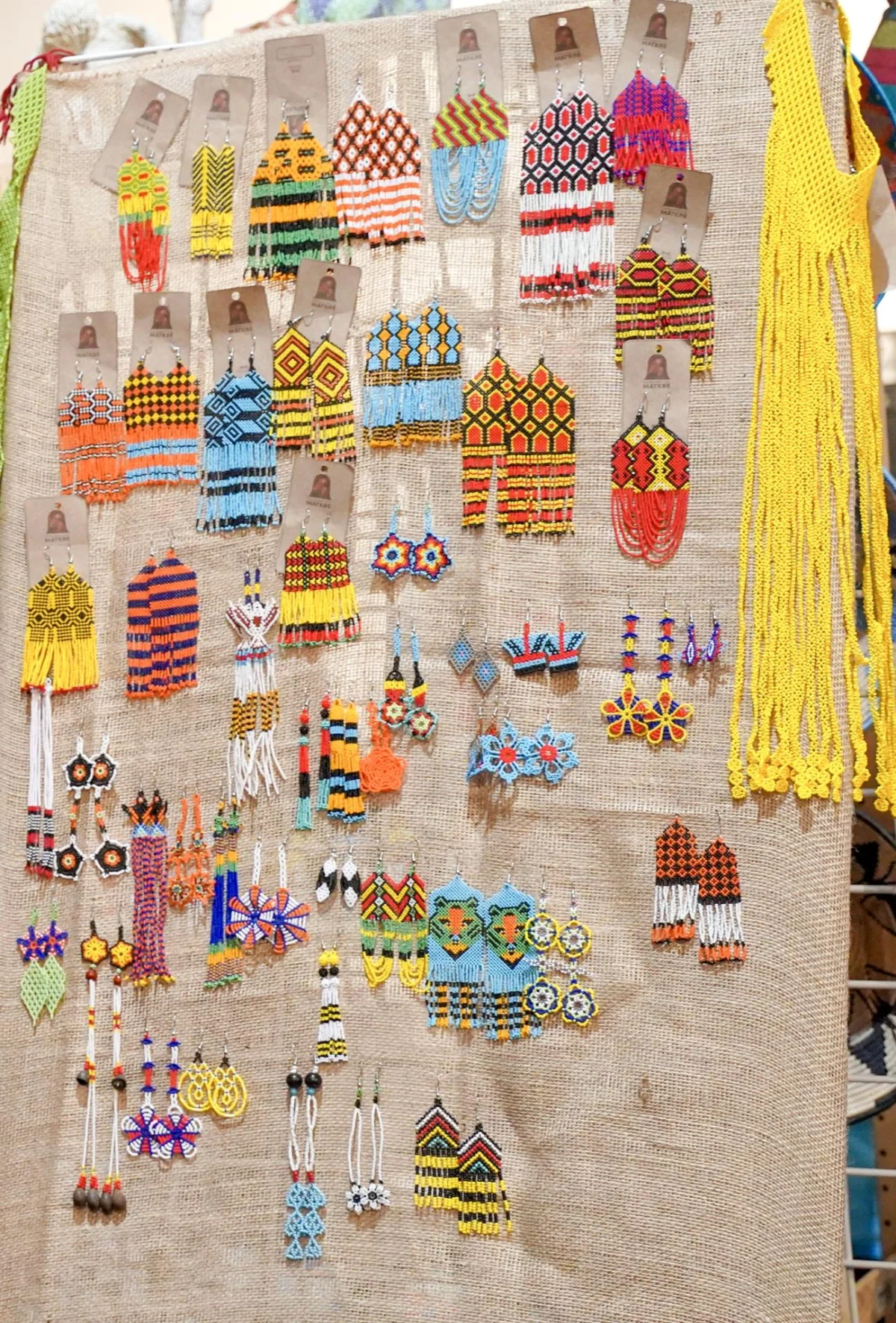
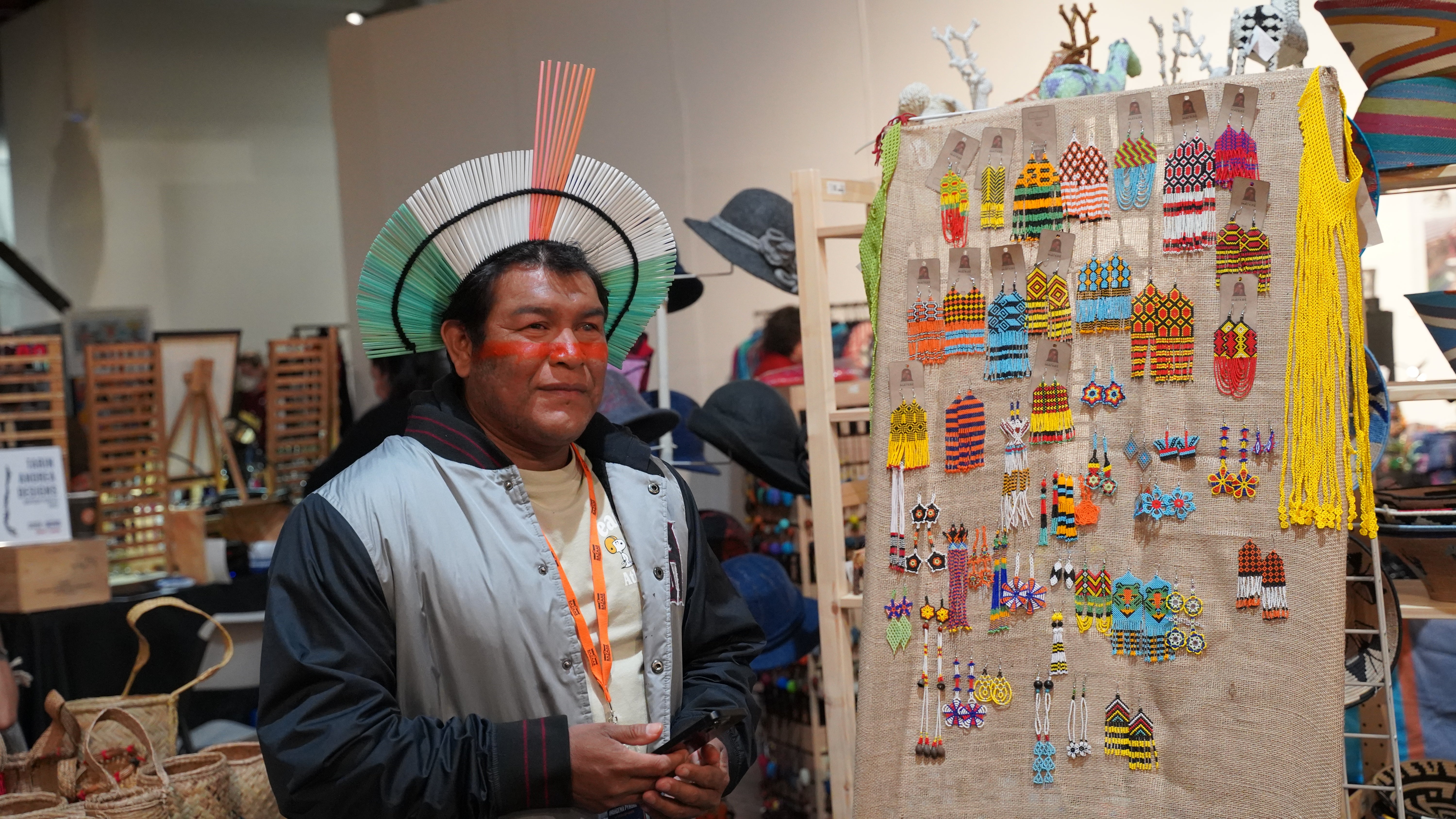
The mainstream art world often confines Indigenous creations to the periphery, labeling them as mere "handicrafts" and overlooking their profound cultural significance. This pervasive prejudice and the historical tendency towards cultural appropriation have fueled the resilience of artists like Bepbere Pat-i Kayapó, a multimedia creator from the Indigenous Territory in Southern Pará, Brazil. As a member of the Pykúre Indigenous Association, a collective predominantly composed of women, Bepbere employs traditional beaded crafts, headdresses, body painting, and audiovisual production to weave a narrative that bridges generations. His work is a powerful act of reclamation, safeguarding his people’s history against the relentless tide of land invasions, illegal mining, and external pressures. Bepbere’s philosophy of resistance transcends commercial spectacles, locating its true essence in the daily acts of survival: the sacred communion with Elders to absorb ancestral knowledge, the vital stewardship of the forest and rivers, and the meticulous creation of an archive intended to remind younger generations that their culture is not a commodity for sale, but an indispensable safeguard for their future. Cultural Survival recently engaged in a dialogue with Bepbere Pat-i Kayapó to delve into his artistic journey and its profound implications.
The Genesis of Creation: Materials and Meaning
Bepbere describes his creative process as a deliberate act of organization. "Sometimes, when I have work to do, I organize myself to create the process. I make a folder to store my photos and videos. That is how I do it," he explains. The materials he utilizes are imbued with deep personal and cultural significance. "The materials are very important to me because, when I make a film about history or record the words of an elderly man or woman, I preserve them for the future," Bepbere states. His artistic toolkit comprises a rich array of elements: "I also often use beads, painting, headdresses, a cell phone, video, and photography. For me, these materials help show our culture, our memory, and our way of life." These materials are not merely tools; they are conduits through which ancestral knowledge and contemporary realities are expressed and preserved for posterity.
A Journey Forged in Lived Experience and Identity
Bepbere’s artistic trajectory began organically, rooted in observation and emulation. "I began creating art by watching other people do it. I saw them, and I started doing it too," he recalls. His journey as an artist is a testament to the power of lived experiences, a deep-seated connection to his identity, and an unwavering commitment to the principles he represents. "My journey as an artist has been built from lived experiences, identity, and a commitment to what I represent. Each step I take carries not only learning, but also the responsibility of expressing stories, cultures, and struggles that are often not heard," he elaborates.
Over time, Bepbere cultivated a distinctive artistic style that draws from his origins, his immersion in community life, and his engagement with diverse art forms. "What makes my work stand out is precisely this true connection with my essence. It is not only about aesthetics, but about the message. My work carries identity, has purpose, and speaks directly both to those who understand it and to those who need to know this reality," he asserts. His artistic mission is clear: to elevate his culture, amplify the voices of his people, and underscore art’s potent role as a vehicle of resistance.
The Enduring Significance of an Everyday Object: A Basket of Memory
When asked to highlight a particularly significant work, Bepbere points to a humble basket, an object integral to daily life within his community. "There is a basket used to carry firewood, cassava, and other things. This work is important because it is part of community life and shows the knowledge of our people," he explains. This seemingly simple artifact transcends its utilitarian purpose, embodying a wealth of cultural significance: "It is not just an object: it carries everyday usefulness, memory, and the way the community preserves its knowledge." This particular piece serves as a potent metaphor for Bepbere’s artistic philosophy, demonstrating how even the most commonplace items can be repositories of profound cultural heritage and ancestral wisdom.
Archiving the Past for a Resilient Future
The preservation of photographs, videos, and the oral traditions of Elders is a cornerstone of Bepbere’s archival efforts. He envisions these records as vital educational resources for younger generations. "I hope young people will look for these records to see the photos and videos, learn more about our history, and learn from what has been preserved," he states. "These records help young people see, know, and remember the culture, the words, and the teachings of the elders." This proactive approach to archiving is crucial in an era where Indigenous cultures face increasing pressure from external influences and the threat of historical erasure.
Navigating the Complex Landscape of Indigenous Artistry
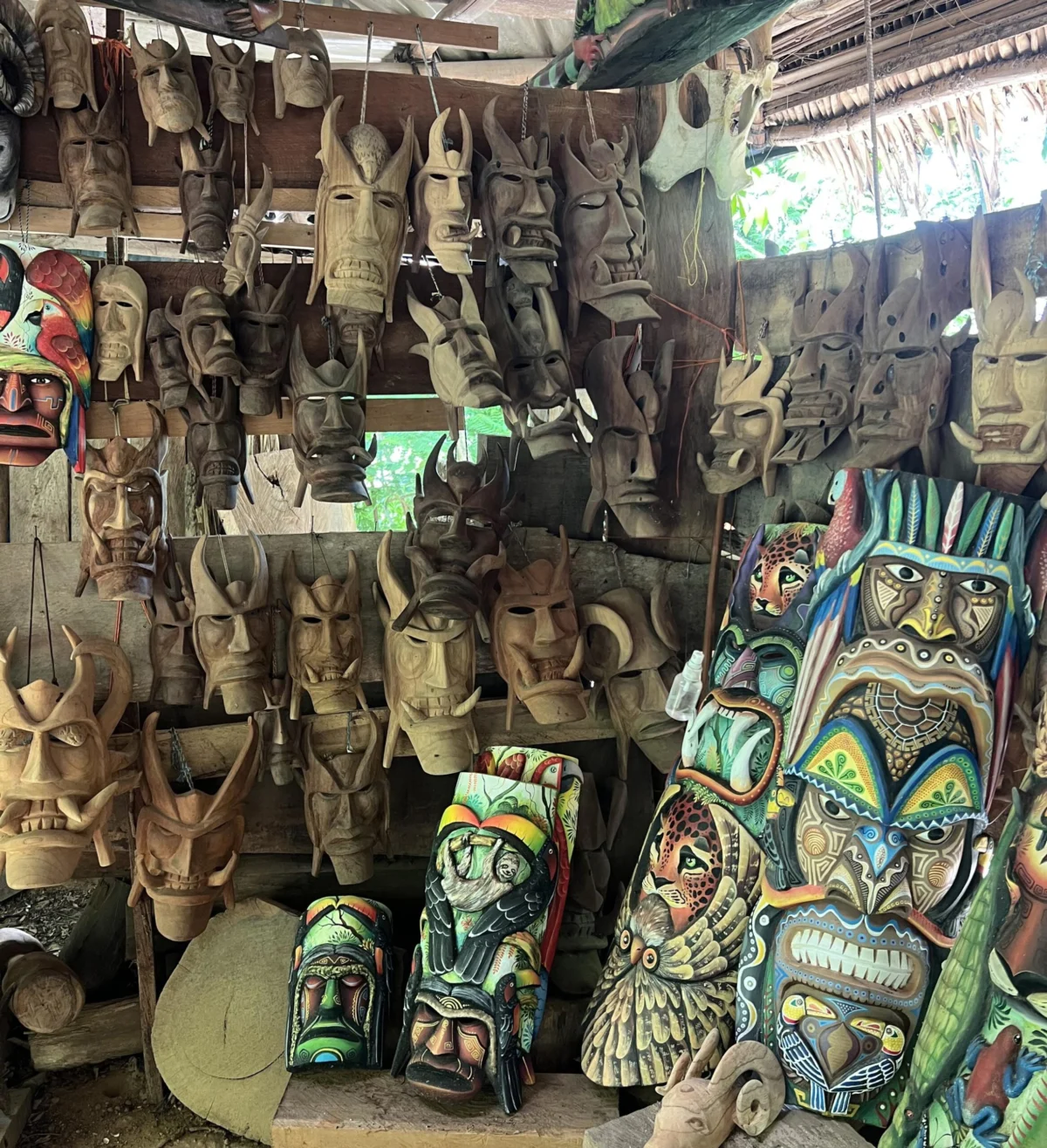
Bepbere articulates the multifaceted challenges confronting Indigenous artists today. "Being an Indigenous artist today involves a lot of strength, but also many challenges," he acknowledges. A primary obstacle is the persistent lack of appreciation and recognition, with Indigenous art frequently relegated to the category of "simple handicraft" rather than being acknowledged as a rich artistic expression steeped in history, meaning, and identity. This devaluation complicates the pursuit of fair recognition for their creations.
Cultural appropriation remains a significant concern. "When people from outside use Indigenous symbols, designs, and cultural elements without understanding or respecting their meaning, which can devalue and even distort the culture," Bepbere explains, highlighting the detrimental impact of misrepresentation and commodification.
Furthermore, access to exhibition spaces and opportunities is often limited. "Exhibitions, galleries, calls for proposals, and cultural events do not always include or facilitate the participation of Indigenous artists, especially those who live in more remote territories," he notes. Economic precarity is another stark reality. "Making a living from art can be difficult, and artists often do not receive a fair price for their work or face obstacles in selling and promoting their creations," Bepbere points out.
Prejudice and invisibility continue to cast long shadows, making it arduous for many Indigenous artists to gain visibility and respect within and beyond their communities. The delicate balance of maintaining tradition while engaging with the contemporary world also presents a constant challenge, requiring artists to adapt to new forms of expression while safeguarding their cultural roots.
Despite these formidable obstacles, Bepbere emphasizes the inherent power of Indigenous art as a form of resistance. "Indigenous art is resistance: it is a way of keeping culture alive, telling stories, strengthening the people, and showing the world that Indigenous Peoples are still alive, creating, and teaching."
The Profound Importance of Handicrafts and Artistic Expression
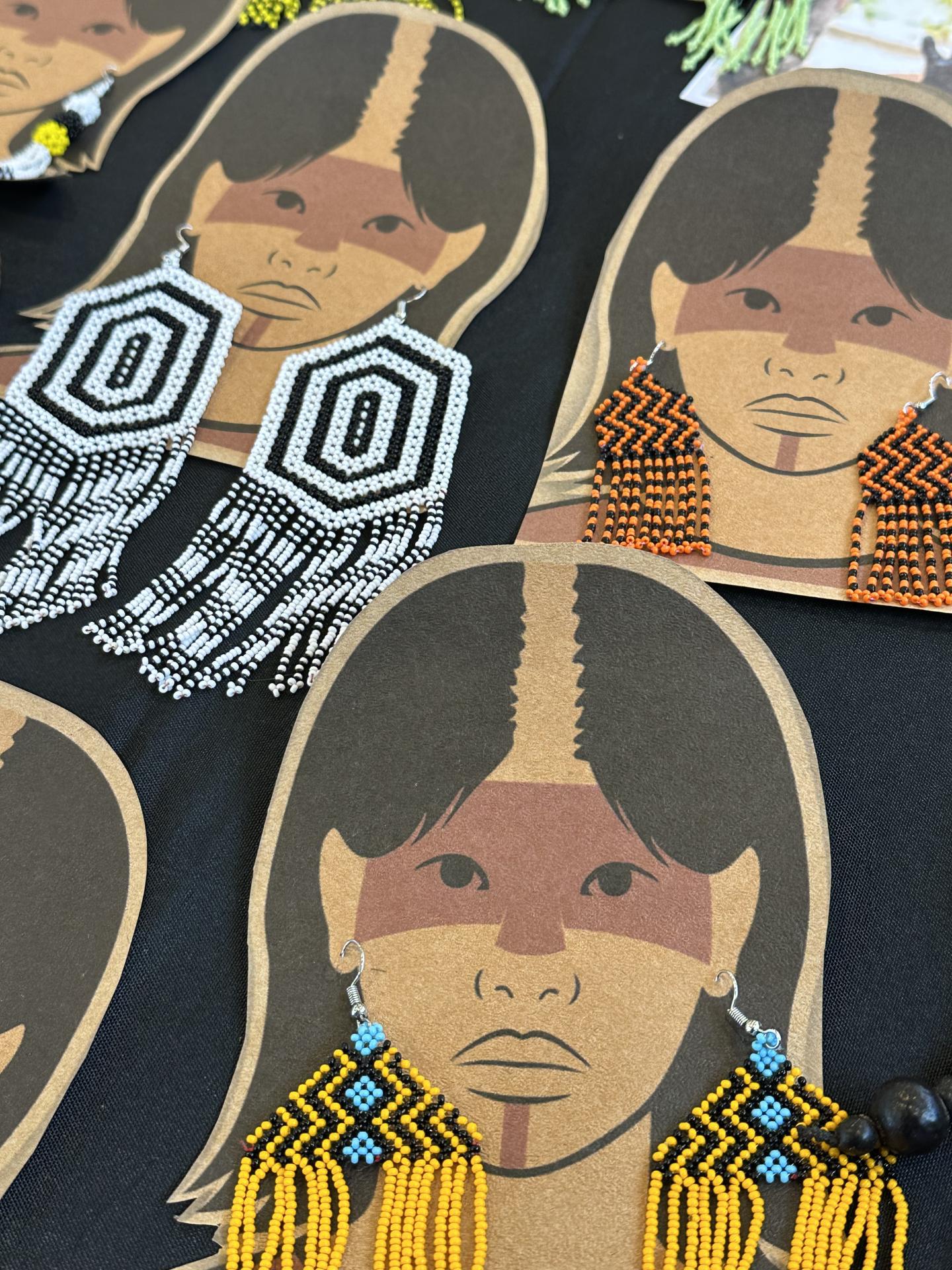
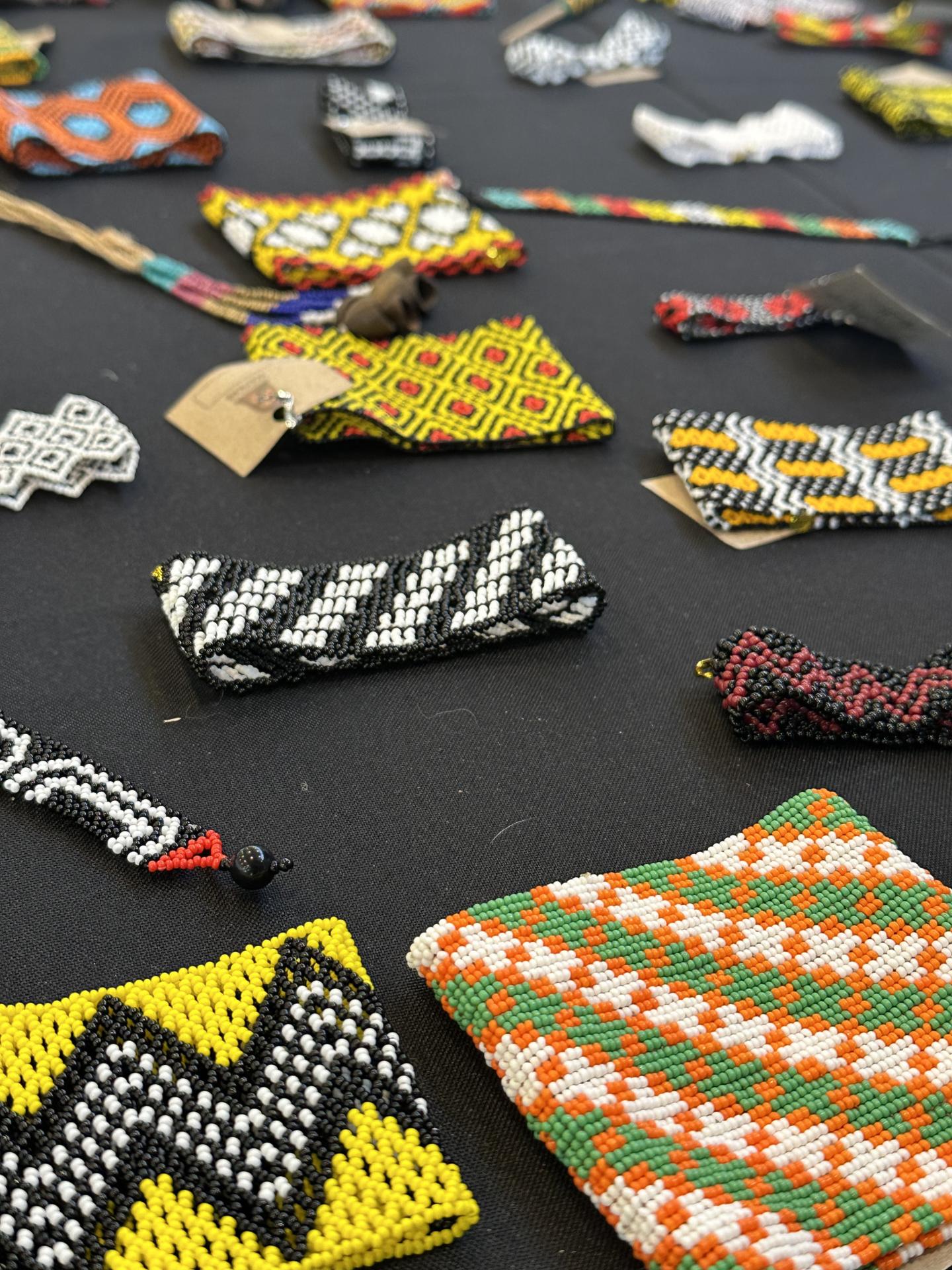
For the Kayapó/Mebêngôkre people, handicrafts and artistic expression hold a deep and multifaceted significance. "Handicrafts are a way of keeping tradition alive. Each piece—such as necklaces, body paintings, headdresses, or baskets—carries knowledge that is passed down from generation to generation. It is not just a beautiful object: it is history, identity, and the memory of the people," Bepbere explains.
Art serves as a powerful medium for cultural expression, enabling communities to articulate their interconnectedness with nature, the spiritual realm, and their ancestral territories. "It is its own language, one that communicates who we are and how we see the world," he states. Artistic endeavors also foster community cohesion, with collective creation processes strengthening intergenerational bonds and the transmission of knowledge.
In a world where Indigenous cultures face constant threats, art becomes a crucial act of affirmation. "In a world where many Indigenous cultures are threatened, handicrafts and art help affirm: ‘we exist, our culture is strong, and it is not for sale in the sense of losing its essence,’" Bepbere declares. Moreover, these creative pursuits can generate sustainable income for communities, empowering families while preserving cultural integrity.
Persistent Challenges Facing Indigenous Peoples in Brazil
The Indigenous communities of Brazil grapple with a persistent array of challenges, many of which have deep historical roots. "In Brazil, Indigenous Peoples currently face several challenges. These problems are old, but they continue today, especially in the Amazon region," Bepbere observes.
Land invasions and illegal mining represent critical threats, leading to widespread deforestation, river contamination—particularly from mercury—and escalating conflicts. The slow pace of land demarcation, despite being a constitutional right, exacerbates the vulnerability of Indigenous communities and fuels ongoing disputes.
Climate change further compounds these issues, disrupting traditional livelihoods dependent on hunting, fishing, and agriculture, and contributing to biodiversity loss. Indigenous leaders often face violence and threats for their advocacy in defending their territories, especially in regions targeted by illegal exploitation.
Inadequate access to healthcare and education remains a significant hurdle, particularly for those residing in remote areas, profoundly impacting their quality of life. Prejudice and social exclusion persist, manifesting as discrimination and invisibility, hindering the full realization of Indigenous rights within broader society.
The encroachment of non-Indigenous society and external influences also pose a threat to traditional languages, customs, and ways of life. "In summary, the greatest challenges today are connected to defending the territory, guaranteeing basic rights, and preserving culture and the environment," Bepbere concludes. "Even with all of this, Indigenous Peoples continue fighting, organizing themselves, and showing their strength to protect their lands, their culture, and their future."
A Global Stage for Indigenous Art: Exhibitions and Recognition
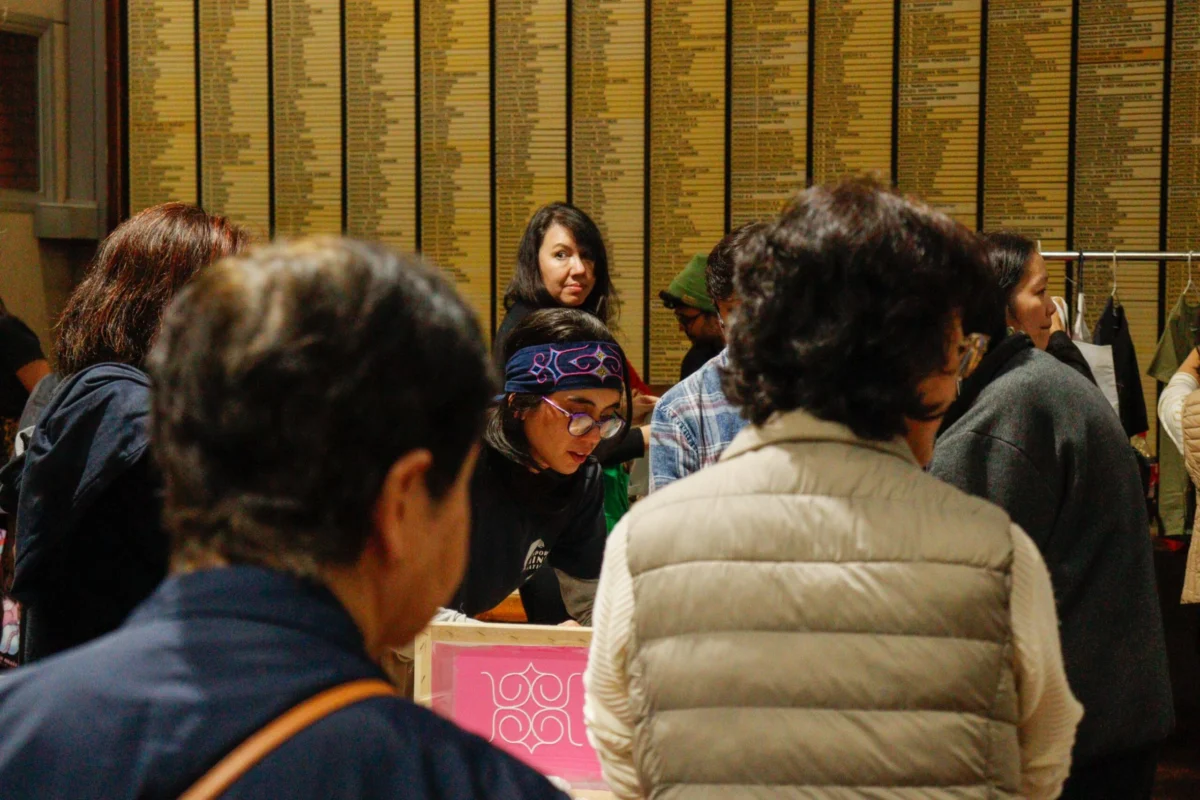
Bepbere’s art has been showcased at various festivals, talks, and fairs, providing vital platforms for presenting his culture and creations to a wider audience. Notable venues and events include the Círio de Nazaré, events hosted by Vale, COP30, and the Cultural Survival (CS) Bazaar. These opportunities are instrumental in bringing Indigenous art from the margins into broader cultural discourse and commercial circuits.
The Transformative Impact of the Cultural Survival Bazaar
Spaces like the Cultural Survival Bazaar serve as crucial hubs for visibility, cultural exchange, and economic empowerment for Indigenous artists. "Spaces such as the CS Bazaar function as environments of visibility, exchange, and income generation for Indigenous artists," Bepbere explains. They offer invaluable exhibition space where artists can directly present their diverse works to the public, effectively combating the invisibility that often shrouds Indigenous art.
The Bazaar facilitates direct sales, enabling artists to bypass intermediaries and generate income that directly benefits their communities. "It is not only about selling, but also about cultural affirmation. Artists show their traditions, designs, natural materials, and ancestral knowledge, reinforcing identity and resistance," he notes. These events foster crucial dialogue and mutual understanding between Indigenous artists and the non-Indigenous public, cultivating respect and appreciation for original cultures. Participation in such bazaars can unlock new avenues for artists, including gallery exhibitions, invitations to larger events, and collaborations with brands and institutions.
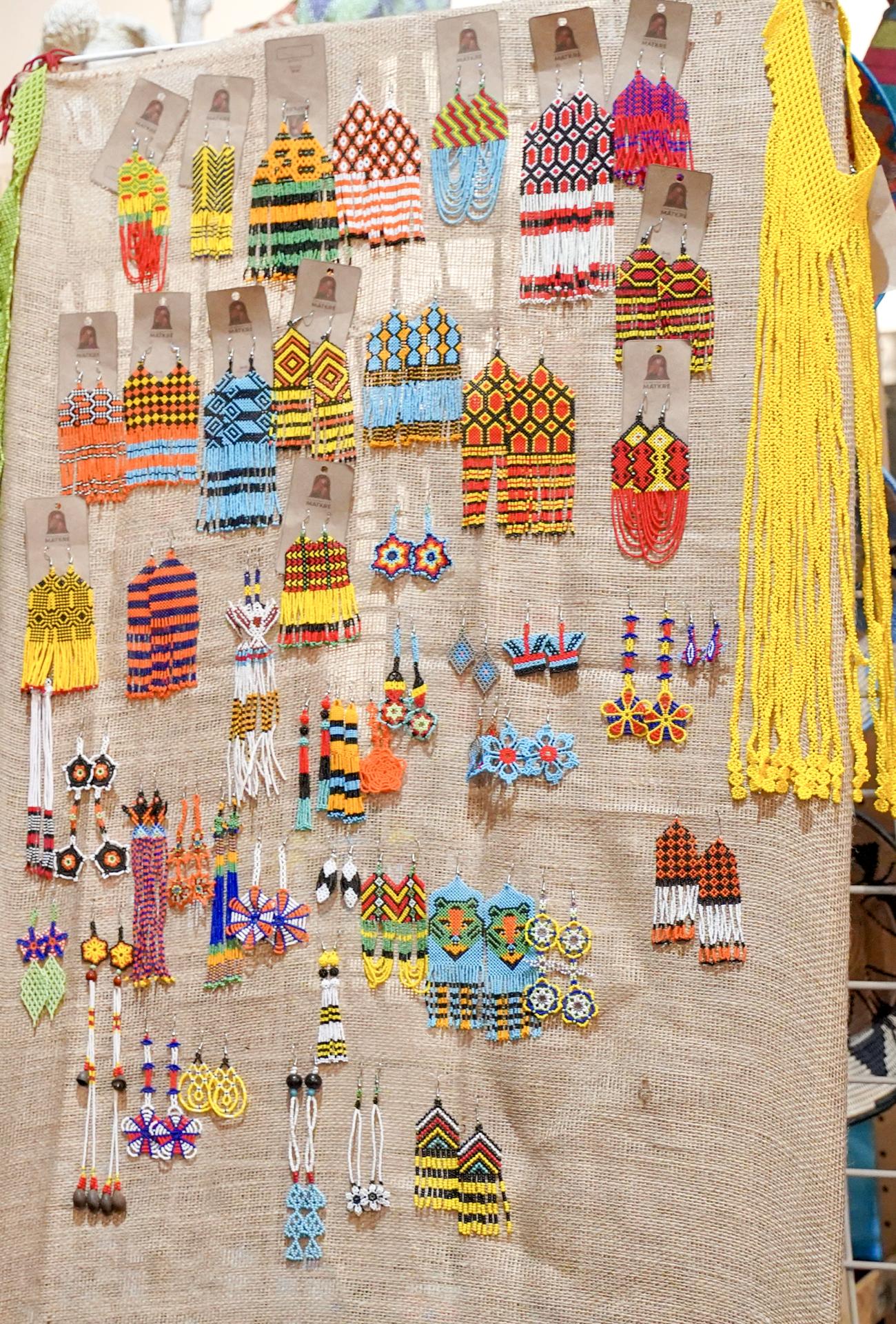
"The Bazaar changed a lot for the community, and for me, because the community was very happy with the sales, the learning, and the invitations," Bepbere shares. "This is important for the community because it also allows us to show who we are and show our culture." The Bazaar’s impact extends to supporting women artists, a vital aspect of empowering Indigenous communities. Bepbere suggests further enhancement by consistently featuring the handicrafts of both women and men annually and by focusing on showcasing the broader cultural context beyond just the artifacts.
Art as a Guardian of Identity, Knowledge, and Tradition
Art serves as a powerful mechanism for safeguarding and expressing the identity, knowledge, and traditions of a people. For the Kayapó/Mebêngôkre, art is intrinsically linked to history, teachings, and spirituality. "Through body paintings, songs, dances, designs, and handicrafts, art transmits knowledge that is passed down from generation to generation," Bepbere states. Each artistic element carries profound meaning, representing aspects of nature, the spiritual world, or significant community events, thereby facilitating the intergenerational transmission of culture.
Art is also a potent expression of identity. The act of painting one’s body or wearing traditional adornments signifies belonging, heritage, and cultural pride, serving as a bulwark against external forces that seek to erode these identities. Furthermore, art functions as a vehicle for resistance and communication with the wider world. "It is a way of saying: ‘our culture exists and is not for sale’," Bepbere emphasizes.
Crucially, art embodies and preserves the profound relationship Indigenous peoples maintain with the natural world. The utilization of natural materials underscores a deep respect for the environment. "Therefore, preserving art also means preserving the environment and the people’s way of life," he concludes.
A Call for Understanding and Respect from the Outside World
Bepbere expresses a clear desire for those outside his community to comprehend the significance of his work. "What people need to understand is that we are taking our art and our culture to show it outside the community. This needs to be understood and respected. Respect is very important," he stresses. He believes it is vital for external audiences to learn about the art, culture, traditions, and languages of Indigenous peoples, thereby recognizing their enduring heritage and living traditions.
A Message of Resilience and Hope
Bepbere concludes the interview with a powerful message in his language and Portuguese: "Mejkumrej ija kam nê inho cooperativa Mat Kre feira Bazar o jâ mji ri nê." This translates to: "Our Mat Kre cooperative has a very important partnership with the Bazaar. It is very important for us to show our art and culture."
He further elaborates on the rich history of his people: "Our people carry an ancient history of resistance and wisdom. We learn from an early age to care for the forest, the rivers, the animals, and our culture. Our work is not only for today, but for the future of the next generations. The land, for us, is not just a place—it is our life, our identity, and our strength."
He reiterates the contemporary challenges faced by his community, including invasions, mining, deforestation, and inadequate support for healthcare and education. Despite these adversities, the Indigenous peoples continue their struggle, organized through associations, leaders, and a new generation committed to defending their rights.
Bepbere highlights the proactive efforts to forge new paths, including sustainable projects, cultural revitalization, Indigenous education, and initiatives that honor their distinct way of life. Their collective aspiration is to communicate to the world their existence, their voice, and the invaluable nature of their culture.
"Our experiences show that, when we are united—leaders, communities, young people, and partners—we can move forward. But we still need respect, listening, and true support," he states. The ultimate objective remains steadfast: "Our greatest objective is to continue protecting our territory, keeping our culture alive, and guaranteeing dignity for our people."
Attend the Cultural Survival Summer Bazaars—July 24–26 in Tiverton, RI and August 1–2 in Providence, RI.
bazaar.cs.org