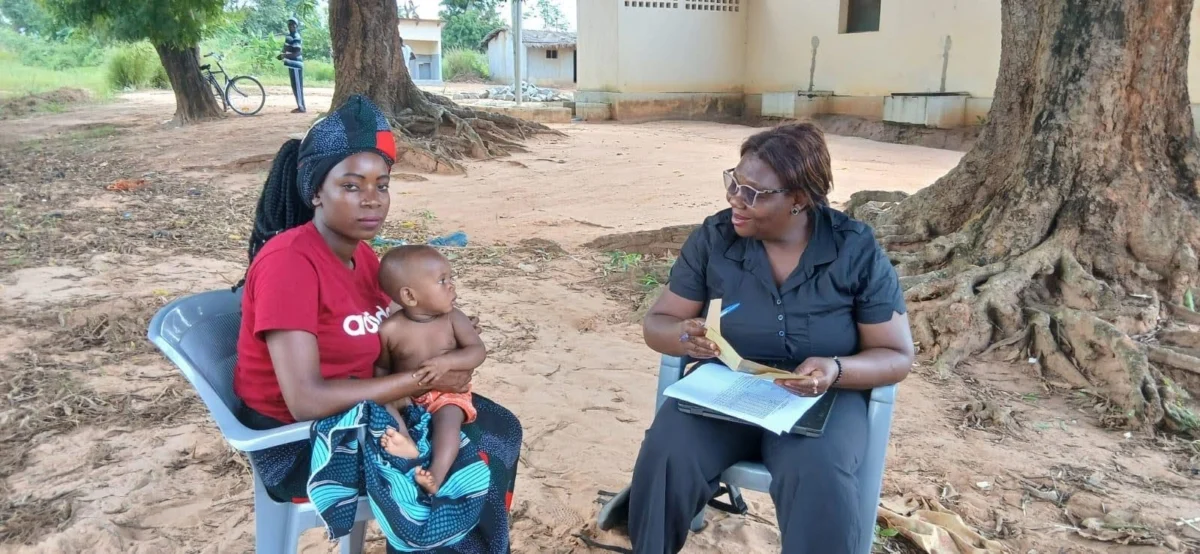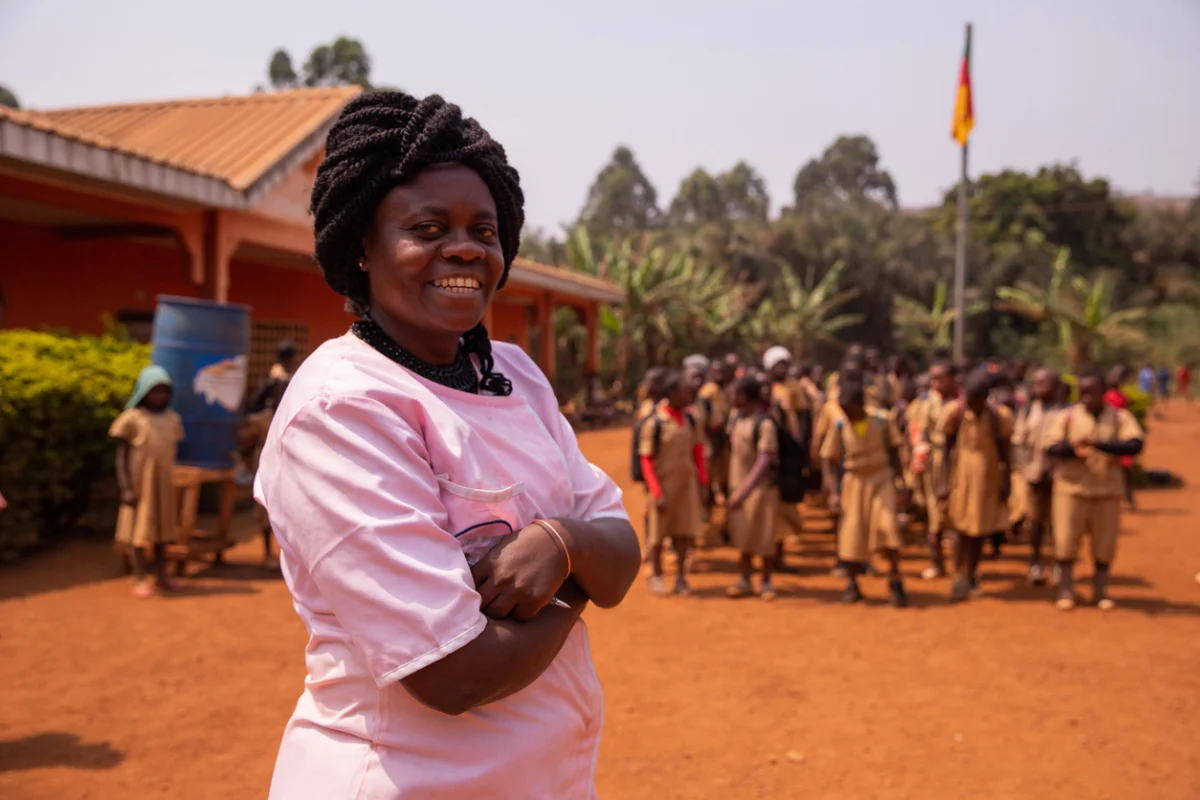
The Government of Mozambique, through its National Youth Institute (Instituto Nacional da Juventude – INJ), has officially awarded World Education, an initiative of JSI Research & Training Institute, Inc., the Eu Sou Capaz Technical Assistance and Training Activity. This strategic partnership, supported by the World Bank, marks a significant expansion of the "Eu Sou Capaz" (I Am Capable) program, which serves as a cornerstone of Mozambique’s national efforts to improve educational outcomes and economic opportunities for young women. The initiative is integrated into the broader Empowering Adolescent Girls to Earn and Read (EAGER) strategic vision, a multi-country effort funded by the World Bank that spans Mozambique, Zimbabwe, and Madagascar. The primary objective of this new phase is to provide the technical expertise necessary to scale government-led interventions that target the complex social, economic, and behavioral factors contributing to high school dropout rates among adolescent girls.
By securing this award, World Education will play a pivotal role in refining and implementing a model that moves beyond simple school enrollment. The program is designed to address the "invisible barriers" that prevent girls from completing their education, including early marriage, teenage pregnancy, and gender-based violence (GBV). Through the integration of social and behavior change (SBC) strategies and human-centered design, World Education aims to assist the National Youth Institute in redesigning educational and social support systems to better align with the daily realities and challenges faced by Mozambican girls. This transition from a focus on access to a focus on achievement is intended to ensure that every girl who enters the school system has the support necessary to graduate and transition into a productive adulthood.
The Strategic Framework of the EAGER Project
The Eu Sou Capaz initiative does not operate in isolation; it is a vital component of the World Bank’s EAGER project, which was launched to address the stark gender disparities in education and economic participation across East and Southern Africa. In Mozambique, where the secondary school completion rate for girls remains significantly lower than that of their male counterparts, the EAGER framework provides the financial and structural backing to implement large-scale reforms. The regional nature of EAGER allows for the sharing of best practices between Mozambique, Zimbabwe, and Madagascar, creating a cross-border knowledge base for tackling issues like menstrual hygiene management, life skills education, and community-led advocacy.
The World Bank’s involvement underscores the economic imperative of educating girls. Statistical evidence from the region suggests that each additional year of secondary schooling can significantly increase a woman’s future earnings and reduce the likelihood of child mortality and early marriage. By focusing on "earning and reading," the EAGER vision seeks to break the cycle of intergenerational poverty. The Eu Sou Capaz Technical Assistance and Training Activity is the mechanism through which these high-level goals are translated into actionable, ground-level programs in Mozambican communities.
Addressing the Root Causes of Educational Attrition
The challenges facing adolescent girls in Mozambique are multifaceted and deeply rooted in socio-cultural norms. According to national data, Mozambique has one of the highest rates of early marriage in the world, with nearly half of all girls married before the age of 18. This trend is inextricably linked to high rates of teenage pregnancy, which remains the leading cause of school dropout for girls in rural provinces. When a girl becomes pregnant or is forced into marriage, she often faces significant social stigma and domestic responsibilities that make continuing her education nearly impossible.
World Education’s approach under the Eu Sou Capaz banner focuses on dismantling these barriers through a combination of material support and transformative education. The program provides essential items, such as school uniforms and dignity kits, to reduce the financial burden on families. However, the core of the intervention lies in its life-skills curriculum. This curriculum is designed to empower girls with the agency to make informed decisions about their reproductive health, their rights, and their career paths. By fostering a sense of self-worth and capability—hence the name "Eu Sou Capaz"—the program encourages girls to envision a future beyond traditional domestic roles.
Pilot Success and the Community Leader Mapping Tool
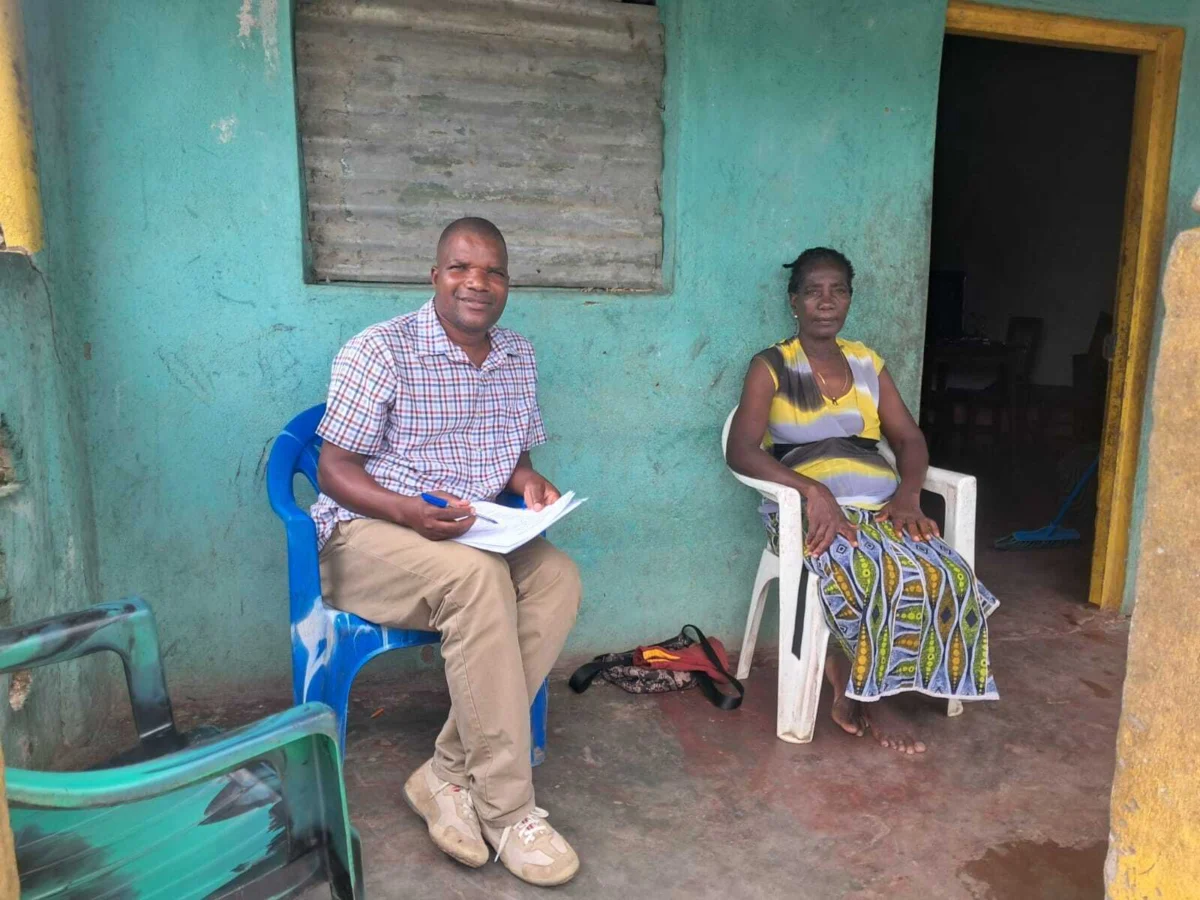
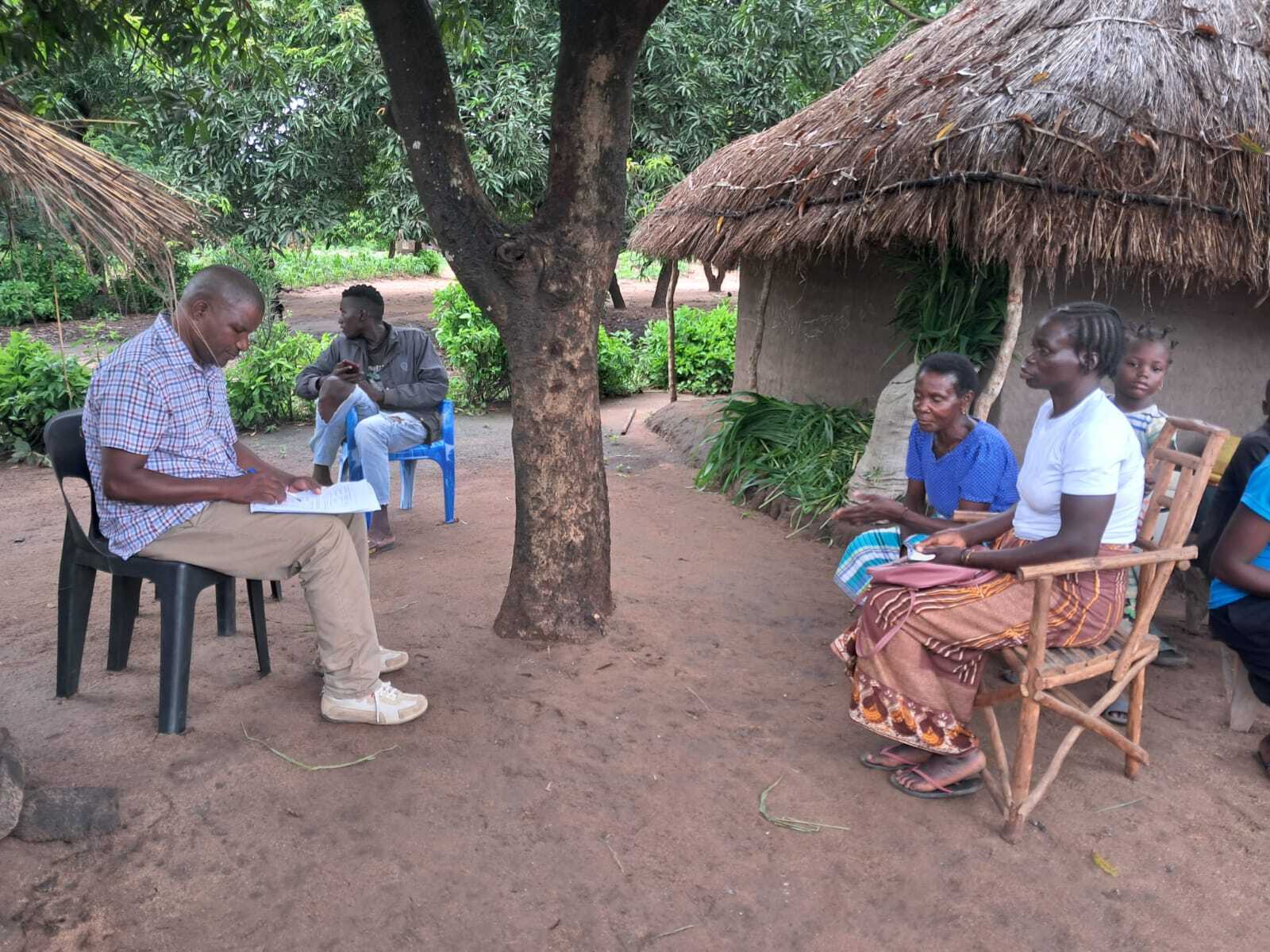
A critical component of the program’s recent development was the pilot of the Community Leader Mapping Tool in the Sofala Province. During this phase, program specialists like Alberto Domingos engaged in intensive, one-on-one interviews with community leaders, including traditional authorities, religious figures, and local government officials. The goal of this mapping exercise was to identify the specific influencers who hold the power to shift community perceptions regarding girls’ education.
The pilot in Sofala demonstrated that community buy-in is essential for the sustainability of educational interventions. By mapping the social landscape, World Education and the National Youth Institute can tailor their outreach efforts to address the unique concerns of each district. For instance, in areas where gender-based violence is a primary deterrent to school attendance, the program works with local leaders to establish "safe passage" initiatives and reporting mechanisms. This data-driven, localized approach ensures that the program is not a "one-size-fits-all" solution but a responsive framework that adapts to the specific needs of Mozambican society.
A Data-Driven Approach Based on Fifteen Years of Regional Impact
World Education brings a wealth of experience to the Eu Sou Capaz initiative, drawing on over 15 years of regional impact in Southern Africa. The organization’s history in the region is characterized by a commitment to education system strengthening and evidence-based program design. Over the past decade and a half, World Education has successfully implemented projects that have reached hundreds of thousands of learners, providing a blueprint for the current scaling efforts in Mozambique.
The organization’s expertise in applied research and evaluation is particularly relevant for the Technical Assistance and Training Activity. By utilizing robust data collection methods, World Education can track the progress of individual students and the efficacy of specific interventions in real-time. This allows for constant refinement of the Eu Sou Capaz model. The integration of JSI’s health-sector expertise further enriches the program, as it allows for a more holistic approach to adolescent well-being, connecting educational outcomes with sexual and reproductive health services.
Official Responses and Leadership Vision
The leadership of the project has emphasized that the success of Eu Sou Capaz depends on systemic change. Obert Darara, World Education’s Country Lead in Mozambique for JSI, noted that the program’s philosophy is centered on removing the "invisible barriers" that hinder progress. Darara highlighted that the partnership with the National Youth Institute is a collaborative effort to ensure that the Mozambican government has the internal capacity to sustain these interventions long after the technical assistance period ends.
Government officials within the National Youth Institute have echoed this sentiment, viewing the award as a critical step toward achieving the country’s 2030 development goals. By investing in the technical training of government staff and local educators, the initiative aims to build a resilient infrastructure that can support adolescent girls through various socio-economic shocks. The involvement of the World Bank provides the necessary fiscal oversight and alignment with international development standards, ensuring that the program remains transparent and accountable to the citizens it serves.
Broader Implications for Economic Growth and Gender Equality
The implications of the Eu Sou Capaz project extend far beyond the classroom. Educating adolescent girls is widely recognized as one of the most effective strategies for driving national economic growth. When girls stay in school, they are more likely to enter the formal workforce, contribute to the tax base, and invest in the health and education of their own future children. This "multiplier effect" is essential for Mozambique as it seeks to diversify its economy and reduce its reliance on subsistence agriculture.
Furthermore, the program’s focus on addressing gender-based violence and harmful socio-cultural norms contributes to a more equitable society. By challenging the status quo and providing girls with the tools to advocate for themselves, Eu Sou Capaz is helping to foster a new generation of female leaders. The program’s emphasis on human-centered design ensures that the voices of the girls themselves are at the heart of the policy-making process, leading to more effective and empathetic governance.
Timeline and Future Implementation Phases
The Eu Sou Capaz Technical Assistance and Training Activity is set to roll out in several phases over the coming years. Following the successful pilot of the mapping tools and initial training sessions, the program will move into a full-scale implementation phase across multiple provinces. This will involve the mass distribution of educational materials, the training of thousands of life-skills mentors, and the establishment of community-based monitoring committees.
In the mid-term, the project will focus on institutionalizing the SBC (Social and Behavior Change) strategies within the National Youth Institute’s standard operating procedures. This will ensure that the lessons learned from the technical assistance activity are integrated into the national curriculum and social service protocols. The long-term goal is to see a measurable decrease in dropout rates and a corresponding increase in the number of young women transitioning from secondary school into higher education or vocational training.
As Mozambique continues to navigate the challenges of the 21st century, the Eu Sou Capaz initiative stands as a testament to the power of partnership between governments, international financial institutions, and specialized non-governmental organizations. By focusing on the potential of adolescent girls, the project is not only changing individual lives but is also securing a more prosperous and stable future for the entire nation. Through the combined efforts of the World Bank, World Education, and the National Youth Institute, the vision of a Mozambique where every girl can say "I am capable" is moving closer to reality.