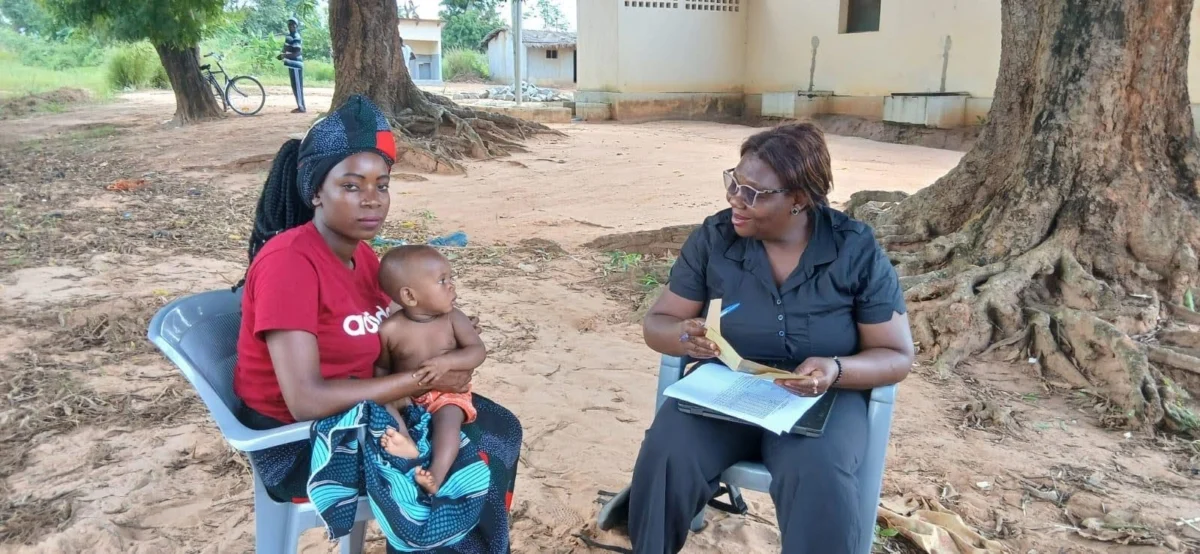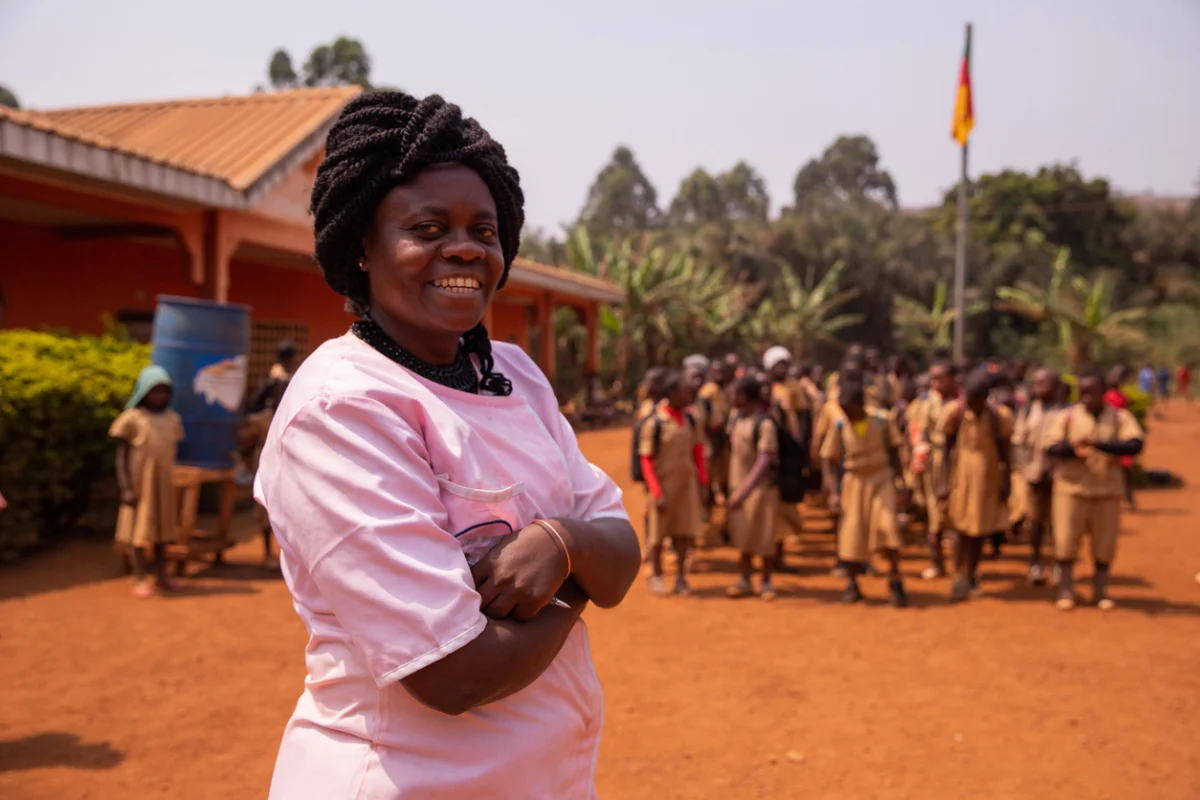
The Government of Mozambique’s National Youth Institute (INJ) has officially awarded World Education, a JSI Research & Training Institute, Inc. (JSI) initiative, the Eu Sou Capaz Technical Assistance and Training Activity to bolster the educational and economic prospects of adolescent girls across the nation. This significant award, supported by the World Bank, operates as a core component of the broader Empowering Adolescent Girls to Earn and Read (EAGER) strategic vision, a multi-country initiative spanning Mozambique, Zimbabwe, and Madagascar. The activity is designed to provide robust technical support to the Mozambican government as it scales up interventions aimed at mitigating the complex social, economic, and behavioral factors that contribute to high school dropout rates among girls. By focusing on systemic change and community-level engagement, the partnership seeks to ensure that enrollment in school is not merely a statistic, but a pathway to tangible achievement and lifelong empowerment.
The Strategic Framework of the EAGER Vision
The Eu Sou Capaz (I Am Capable) program is situated within a high-stakes regional effort to transform the human capital landscape of Southern Africa. The World Bank’s EAGER initiative recognizes that the economic future of the region depends heavily on the inclusion and productivity of its female population. In Mozambique, where the education system faces significant pressure from rapid population growth and climate-related disruptions, the EAGER framework provides the financial and strategic scaffolding necessary to implement large-scale reforms.
The collaboration between World Education and the National Youth Institute represents a shift toward government-led, sustainable interventions. Rather than operating as a parallel NGO-led project, the Technical Assistance and Training Activity is designed to embed expertise within Mozambican institutions. This ensures that the strategies developed to keep girls in school—ranging from material support to life-skills curricula—are integrated into the national educational infrastructure. The regional nature of EAGER also allows for a cross-pollination of best practices between Mozambique, Zimbabwe, and Madagascar, creating a unified front against the systemic barriers that hinder girls’ progress in the East and Southern Africa (AFE) region.
Addressing the Invisible Barriers to Girls’ Education
The primary mission of the Eu Sou Capaz activity is to address the "invisible barriers" that prevent girls from completing their education. While physical access to schools remains a challenge in remote areas, research indicates that socio-cultural norms, economic hardship, and safety concerns are often the more decisive factors in a girl’s decision—or her family’s decision—to discontinue her studies.
Obert Darara, JSI’s World Education Country Lead in Mozambique, emphasizes that the program’s philosophy extends beyond the classroom. "Eu Sou Capaz is about more than access—it is about removing the invisible barriers that stop girls from thriving," Darara stated. "By integrating social and behavior change with human-centered design, we are supporting the National Youth Institute to redesign systems around girls’ realities, ensuring enrollment leads to achievement."
These invisible barriers include high rates of teenage pregnancy and early marriage, both of which are prevalent in Mozambique. According to national health surveys, nearly half of Mozambican girls are married before the age of 18, and a similar percentage have children during their teenage years. Furthermore, the threat of gender-based violence (GBV) both on the way to school and within the community serves as a significant deterrent. World Education’s approach utilizes Social and Behavior Change (SBC) strategies to engage parents, traditional leaders, and boys in a dialogue about the value of girls’ education, aiming to shift the cultural paradigm from viewing girls as domestic assets to viewing them as future economic contributors.
Methodology: Human-Centered Design and Community Mobilization
At the heart of the Eu Sou Capaz Technical Assistance and Training Activity is the use of human-centered design (HCD). This methodology involves engaging directly with the end-users—in this case, adolescent girls and their communities—to understand their daily challenges and aspirations. By putting girls at the center of the solution-design process, World Education and the INJ can develop interventions that are more likely to be adopted and sustained.
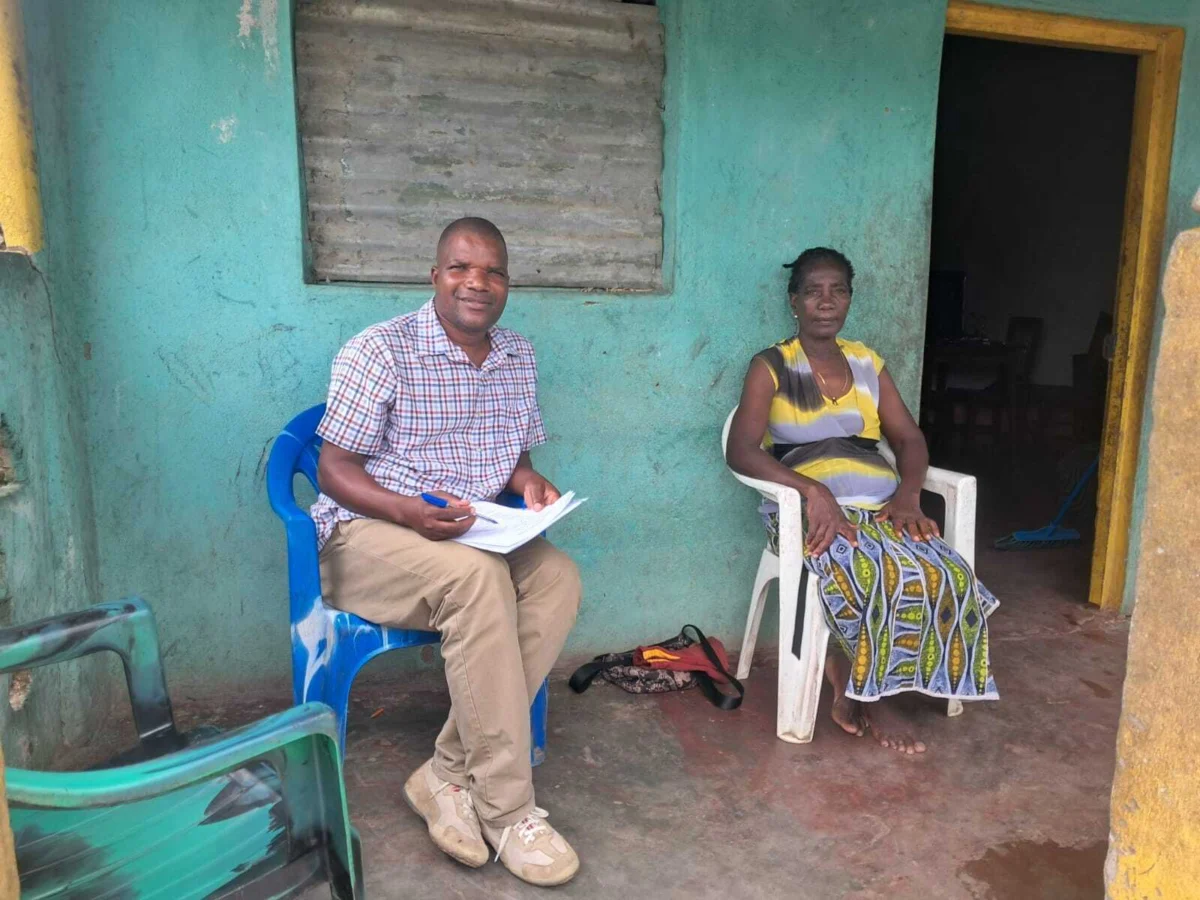
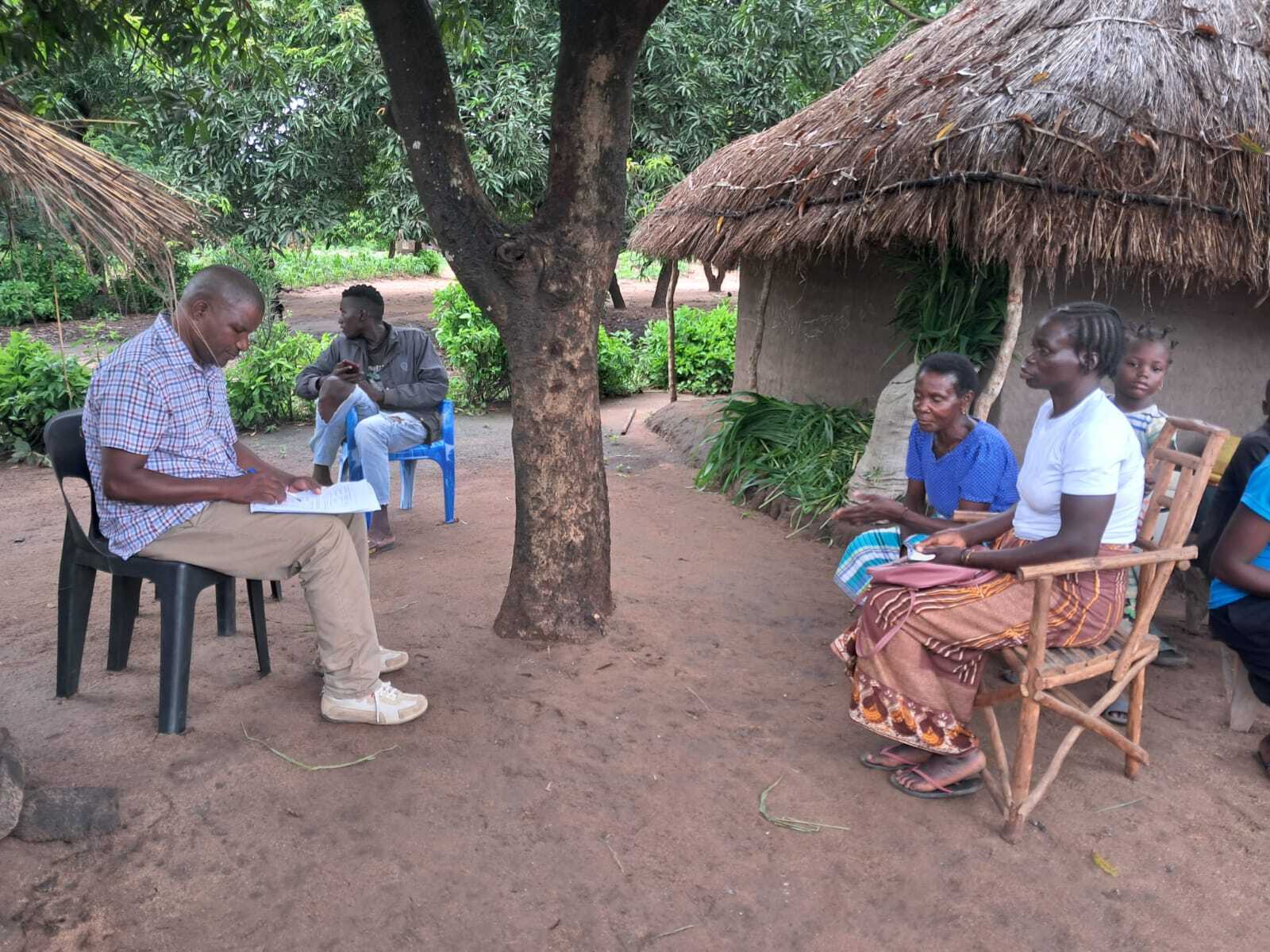
One of the key pillars of this methodology is the Community Leader Mapping Tool. During the pilot phase of this tool in Sofala Province, Alberto Domingos, a representative of the project, conducted extensive one-on-one interviews with community leaders. These leaders, ranging from village chiefs to religious figures, hold significant influence over local social norms. The mapping tool allows the project to identify which leaders are champions for girls’ rights and which may require more intensive engagement to understand the long-term benefits of female education.
This community mobilization is paired with material support and a transformative life-skills education. Material support often includes the provision of school kits, uniforms, and menstrual hygiene products—items that, while seemingly simple, can be the difference between a girl attending class or staying home. The life-skills curriculum is designed to build self-efficacy, negotiation skills, and health literacy, empowering girls to make informed decisions about their futures and resist pressures toward early marriage or unsafe sexual practices.
A Chronology of Regional Impact and Expertise
World Education’s selection for this award is predicated on its 15-year history of delivering impact-driven education and health programs in the region. The organization has a long-standing reputation for using data to drive policy and implementation. Over the past decade and a half, World Education has successfully implemented programs that have reached hundreds of thousands of learners, focusing on literacy, vocational training, and HIV prevention.
The timeline of World Education’s involvement in Mozambique shows a steady progression from localized pilot projects to national-level technical assistance. By drawing on this deep institutional memory, the Eu Sou Capaz activity is able to avoid common pitfalls and leverage existing networks of community facilitators and government officials. The data-driven expertise inherent in the JSI/World Education model ensures that the scaling of Eu Sou Capaz is not just wide, but also deep, maintaining quality and relevance as it moves from pilot provinces like Sofala to a national scale.
Supporting Data: The Economic Imperative for Girls’ Education
The urgency of the Eu Sou Capaz initiative is underscored by global and national data regarding the impact of education on economic development. Research from the World Bank suggests that for every additional year of secondary school a girl completes, her future earnings increase by approximately 10% to 20%. In the context of Mozambique, where poverty remains a significant challenge, the economic empowerment of women is a critical lever for poverty reduction.
Furthermore, the "multiplier effect" of girls’ education is well-documented. Educated women are more likely to invest in the health and education of their own children, creating a virtuous cycle that can lift entire communities out of generational poverty. By reducing the rates of school dropout and teenage pregnancy, the Mozambican government is effectively investing in its future workforce and reducing the long-term burden on the national healthcare system.
The project also addresses the gender gap in literacy and numeracy, which remains a hurdle for Mozambique’s integration into the global digital economy. By focusing on "achievement" rather than just "enrollment," the Eu Sou Capaz program aims to ensure that girls graduate with the foundational skills necessary to enter vocational training or higher education, thereby bridging the gender divide in professional sectors.
Official Responses and Strategic Implications
The partnership has been met with optimism from both government officials and international development partners. The National Youth Institute has signaled its commitment to using the Eu Sou Capaz model as a primary vehicle for achieving its youth development goals. By partnering with World Education, the INJ gains access to specialized training in program management, monitoring and evaluation, and social marketing.
From a strategic perspective, this award highlights the growing trend of "localized" international development, where global expertise is used to strengthen national systems rather than replace them. The Technical Assistance and Training Activity is designed to leave behind a more capable and resilient National Youth Institute, equipped with the tools to continue these interventions long after the current funding cycle concludes.
The implications of this program extend beyond the borders of Mozambique. As part of the EAGER vision, the successes and lessons learned from the Eu Sou Capaz initiative will be shared with stakeholders in Zimbabwe and Madagascar. This regional synergy is intended to create a standardized yet flexible approach to adolescent girls’ empowerment that can be adapted to various cultural contexts across the African continent.
Looking Forward: Scalability and Sustainability
As World Education and the National Youth Institute move forward with the implementation of the Eu Sou Capaz activity, the focus will remain on scalability and responsiveness. The use of data-driven tools, such as the Community Leader Mapping Tool, allows for real-time adjustments to the program based on local feedback. This ensures that the interventions remain relevant to the specific needs of different Mozambican communities, from the coastal regions to the inland rural provinces.
The ultimate goal of the Eu Sou Capaz initiative is to create a social environment where every girl in Mozambique has the opportunity to realize her full potential. By removing the barriers of gender-based violence, early marriage, and economic exclusion, the program is not just helping girls; it is strengthening the social fabric of the nation. Through the continued support of the World Bank and the technical leadership of World Education and JSI, the "I Am Capable" mantra of the program aims to become a reality for millions of young women across the country.
The project invites ongoing collaboration from regional sectors to further advance these educational outcomes. As the initiative gains momentum, the focus will transition toward long-term policy development, ensuring that the rights and education of adolescent girls remain a permanent priority on the national agenda. Through education systems strengthening and applied research, World Education continues to foster enduring partnerships that aim to transform lives and communities across Mozambique and beyond.