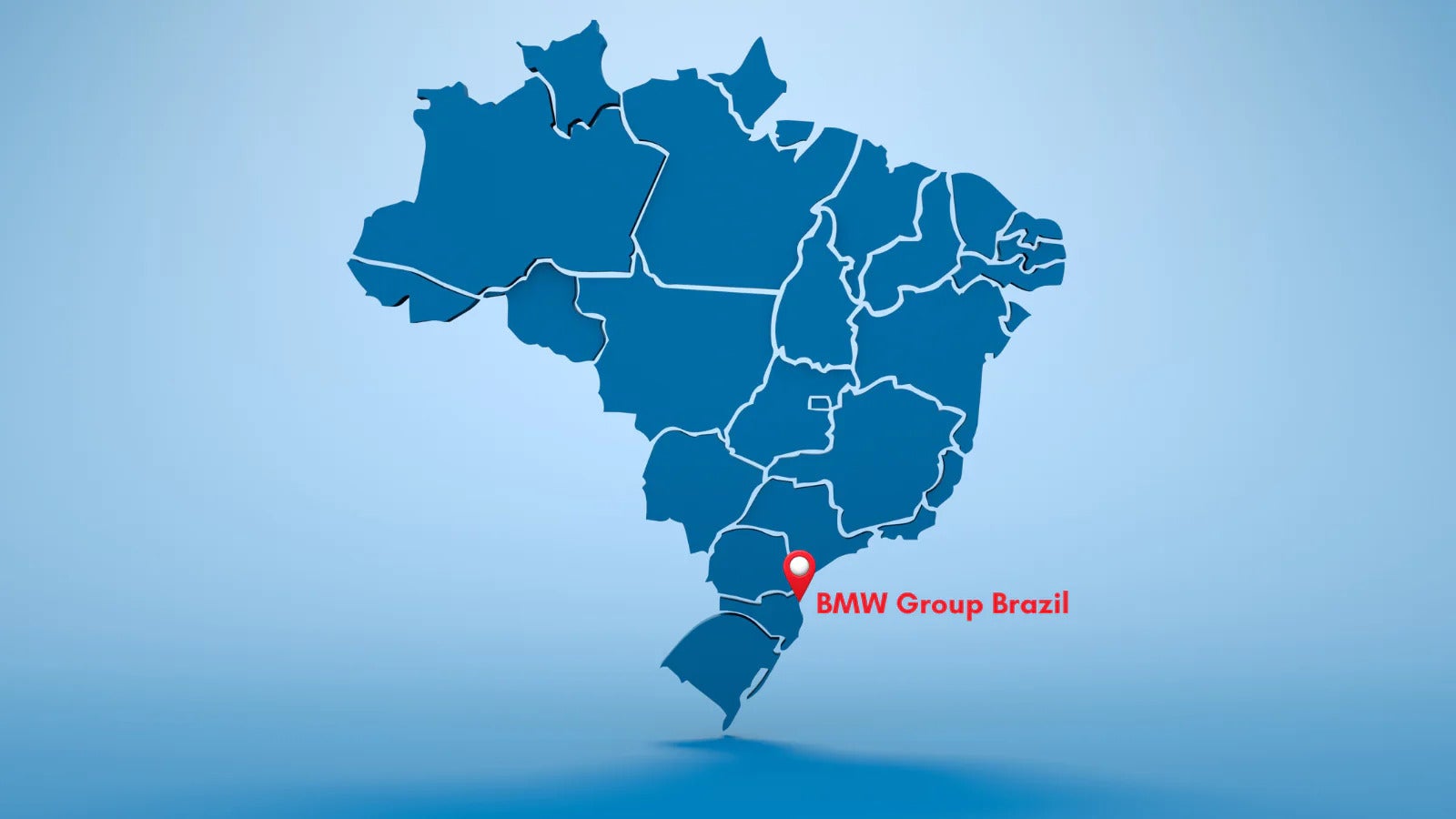
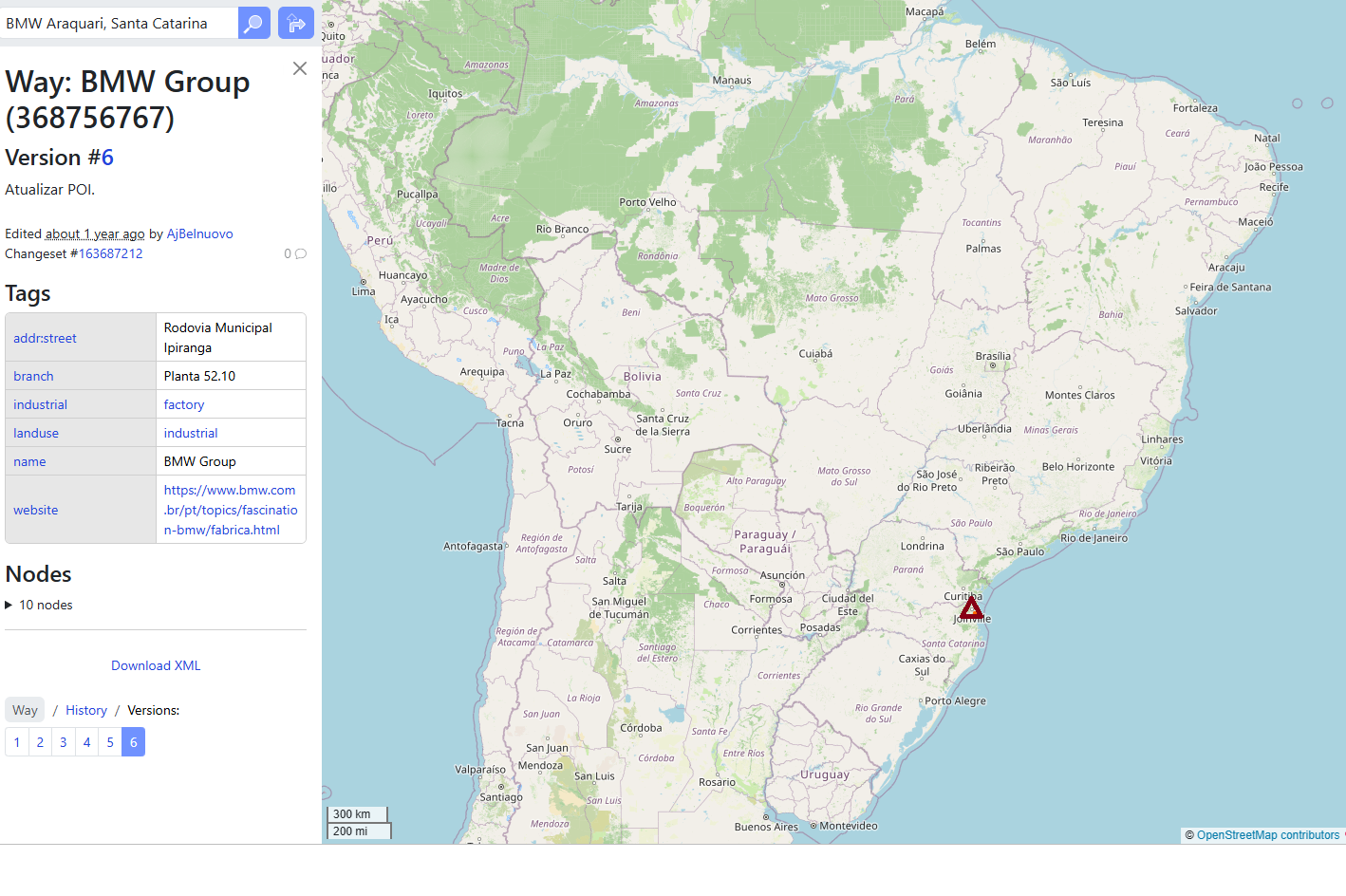
The Guarani Indigenous communities of Southern Brazil are amplifying their persistent calls for German automaker BMW to honor commitments made over a decade ago, demanding that the company finally uphold their fundamental rights and address the ongoing impacts of its operations on their ancestral territories. The dispute centers on BMW’s vehicle assembly plant in Araquari, Santa Catarina, a facility established in 2013 and fully operational by 2015, which was constructed on land historically belonging to the Piraí, Pindoty, and Tarumã Guarani peoples.
A Factory’s Footprint on Sacred Ground
The establishment of BMW’s Araquari plant marked a significant intrusion into the ancestral lands of the Guarani. Spanning 1.5 square kilometers, the industrial site has been the locus of Guarani denouncements regarding land encroachment, environmental degradation stemming from industrial production, and the cascading effects of secondary infrastructure development necessitated by the factory. In its initial five years of operation, BMW reported the production of 60,000 vehicles from this facility, a figure that underscores the scale of its industrial presence within a culturally and ecologically sensitive area.
Central to the Guarani’s grievances is the alleged violation of their right to Free, Prior, and Informed Consent (FPIC). This internationally recognized principle, enshrined in both Brazilian and international law, mandates that Indigenous peoples must be consulted and give their consent to any project that may affect them or their territories. The Guarani maintain that BMW failed to initiate the requisite FPIC process before commencing construction.
The Protracted Process of the Basic Environmental Plan
The formal process for addressing the project’s impact on Indigenous communities, known as the Indigenous Component of the Basic Environmental Plan (CI-PBA), was initiated only after the factory was already in operation. According to documentation, BMW did not present its CI-PBA until 2019, a full seven years after the initial land acquisition and construction phases began. The CI-PBA is a critical legal instrument in Brazil designed to identify, mitigate, and compensate for the adverse effects of development projects on Indigenous populations, while also outlining a series of planned remedial and supportive activities to be undertaken by the company.
Despite the delayed submission, the CI-PBA eventually received final approval from FUNAI (The National Indian Foundation), Brazil’s federal agency responsible for Indigenous affairs, in 2022. However, this approval came long after BMW had secured its pre-licensing for installation in 2013 from the local Santa Catarina Environmental Institute (IMA), raising questions about the rigor of environmental oversight and the prioritization of development over Indigenous rights.
The protracted timeline and the apparent circumvention of the FPIC process have fueled a deep-seated distrust between the Guarani communities and the local BMW operation. Indigenous leaders have described their interactions with the company as strained, marked by weak communication, inconsistent follow-through on commitments, and a perception that engagement is treated as a mere procedural formality rather than a genuine respect for community authority.
Unfulfilled Promises and Inadequate Deliverables
A visit by members of the Securing Indigenous Peoples’ Rights in the Green Economy (SIRGE) Coalition in November 2025 provided a firsthand account of the challenges faced by the Guarani communities. Discussions with Guarani leaders, supported by extensive documentation from FUNAI and BMW, revealed significant shortcomings in the implementation of the CI-PBA. A profound absence of consistent federal agency oversight was noted throughout the process, leaving communities feeling exposed and vulnerable.
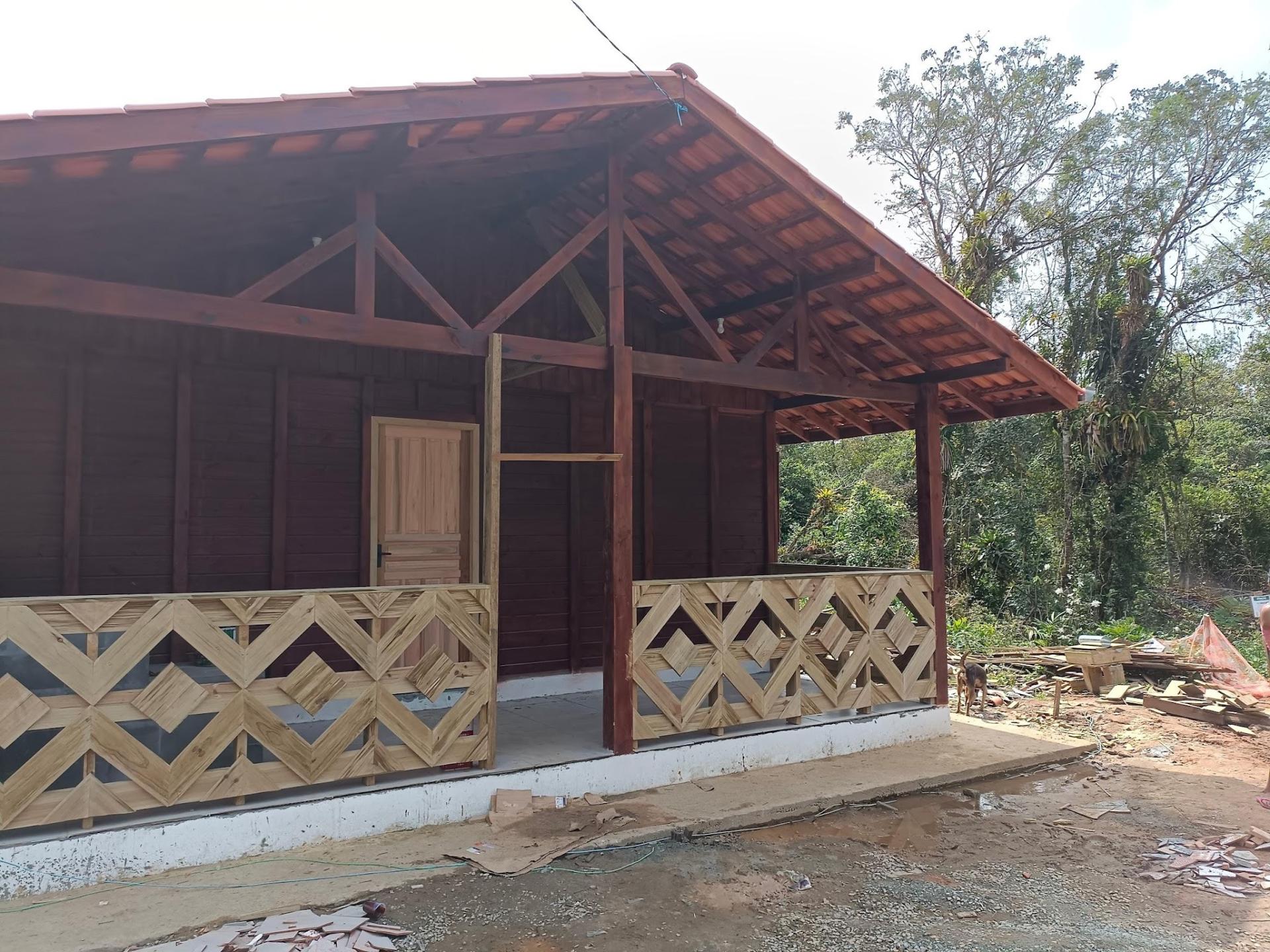
One of the most prominent aspects of the CI-PBA was the commitment to construct 46 new single-family houses for members of the Guarani communities. However, the execution of this housing project has been plagued by serious concerns regarding quality, safety, and accountability. Guarani leaders reported that the housing construction initiative experienced funding shortfalls before all promised residences could be completed. For instance, in one community, only 6 out of 16 committed houses had been constructed years into the project, leaving many families in limbo and the construction sites as persistent reminders of unmet obligations.
During the SIRGE delegation’s visit, Guarani leaders guided representatives through the ongoing housing projects, highlighting the subpar quality of craftsmanship. Issues such as prematurely broken fixtures, even while construction was still underway and the houses were uninhabited, were pointed out. The presence of incomplete structures and construction debris posed potential hazards within the communities. This situation suggests not only technical negligence but also a broader governance failure, where interventions intended to improve territorial well-being instead introduce new risks and long-term maintenance burdens for the communities.
Environmental Disruptions and Infrastructure Vulnerabilities
Beyond the housing crisis, the Guarani communities have linked the BMW plant’s operations to disruptions in essential services, including the loss of access to clean water and recurrent power outages. In November 2025, community leaders reported that two villages had lost their reliable water sources, necessitating the costly and inconvenient delivery of water by trucks. This situation has created significant challenges for daily life and agricultural activities, which are central to Guarani sustenance and cultural practices.
Further compounding these issues, intense storms in 2026, exacerbated by the accelerating impacts of climate change, led to widespread disruptions of the already precarious electricity and internet grid in several Guarani communities. While partial restoration has been achieved, the vulnerability of these essential services remains a critical concern, highlighting the interconnectedness of industrial development, environmental resilience, and Indigenous well-being. The increased strain on local power grids due to industrial activity, coupled with the broader impacts of climate change, can create a perfect storm of infrastructure failure.
The Elusive Promise of Self-Determination
The core aspiration of the Guarani communities extends beyond the mere fulfillment of specific CI-PBA activities. Their ultimate objective is the recognition and realization of their right to self-determination, coupled with effective mitigation of the factory’s impacts on their lands and lives. Genuine, substantive improvements would encompass robust risk reduction strategies, enhanced territorial security, effective and independent oversight mechanisms, the fostering of community autonomy, the active protection of their cultural heritage, and comprehensive conflict prevention measures.
However, the current implementation of the CI-PBA, as experienced on the ground, appears to perpetuate a familiar pattern of superficial compliance without substantial delivery and with minimal meaningful engagement with the communities on issues that truly matter to them. This pattern mirrors a broader trend where industrial development often proceeds on Indigenous lands without adequate respect for the fundamental rights of Indigenous Peoples. In this context, the CI-PBA risks functioning less as a genuine safeguard for rights and more as a public relations instrument, where visible "deliverables" are used to mask a lack of durable commitments, meaningful consent, and a respectful, long-term partnership grounded in Indigenous self-determination.
A Systemic Challenge for the Automotive Industry
The situation involving BMW and the Guarani communities is not an isolated incident but rather symptomatic of a larger systemic challenge within the global automotive industry. In March, the Lead the Charge Coalition released its annual leaderboard report, which meticulously scores automakers on their corporate commitments to respecting Indigenous Peoples’ rights. The findings consistently reveal minimal year-on-year improvement across the industry, with overall achievement remaining unacceptably low. Crucially, none of the analyzed automakers met the criteria for establishing effective grievance mechanisms for potentially affected rights-holders, leaving a significant gap in accountability and recourse.

The case of the Guarani Peoples in Brazil serves as a stark, concrete example of how agreements between corporations and Indigenous communities require far more than just formal documentation. Transparency, robust enforcement mechanisms, and unwavering accountability are paramount if such agreements are to genuinely protect rights and foster sustainable, respectful relationships.
Demands for Accountability and a Path Forward
After more than a decade of automobile production impacting their territories, the Comissão Guarani Yvyrupa, a key representative body, is issuing a renewed and urgent call for BMW to unequivocally honor its commitments to the affected Indigenous communities. Their demands have evolved beyond mere compliance with past promises. They now insist on a meaningful and genuinely participatory FPIC process, adequate compensation for the profound disruptions and enduring traumas they have endured, and the establishment of transparent and direct communication channels with BMW’s head office, bypassing intermediaries that have proven ineffective. Furthermore, they demand that the company prioritize and concretely address critical issues related to water security and the provision of a stable, clean water supply, alongside ensuring the provision of adequate and safe housing that meets acceptable standards of quality and durability. The future of their relationship with BMW hinges on the company’s willingness to engage in good faith and translate its corporate social responsibility pledges into tangible, rights-respecting actions.