Montgomery, AL – The Equal Justice Initiative (EJI) officially dedicated its newest legacy site, Montgomery Square, earlier this month, drawing over 300 attendees to a ceremony that honored a transformative decade in American history. Situated in downtown Montgomery, adjacent to the Elevation Convening Center and Hotel, the new site is specifically designed to illuminate the period from 1955 to 1965, a pivotal era known as the "Montgomery Decade That Changed the World." This period witnessed extraordinary courage from Black residents in Montgomery who challenged pervasive racial injustice, igniting a movement that fundamentally reshaped the United States and global perceptions of human rights.
The dedication ceremony served as a powerful reminder of the deep historical roots of the Civil Rights Movement, emphasizing the tenacity and resilience of those who fought for equality. Speakers and performers underscored the site’s mission to educate and inspire, ensuring that the lessons of the past continue to resonate in the present. EJI’s commitment to confronting difficult truths about America’s racial history through its legacy sites, including the National Memorial for Peace and Justice and The Legacy Museum, is further solidified by the opening of Montgomery Square.
Honoring the Architects of Change: A Community Gathering
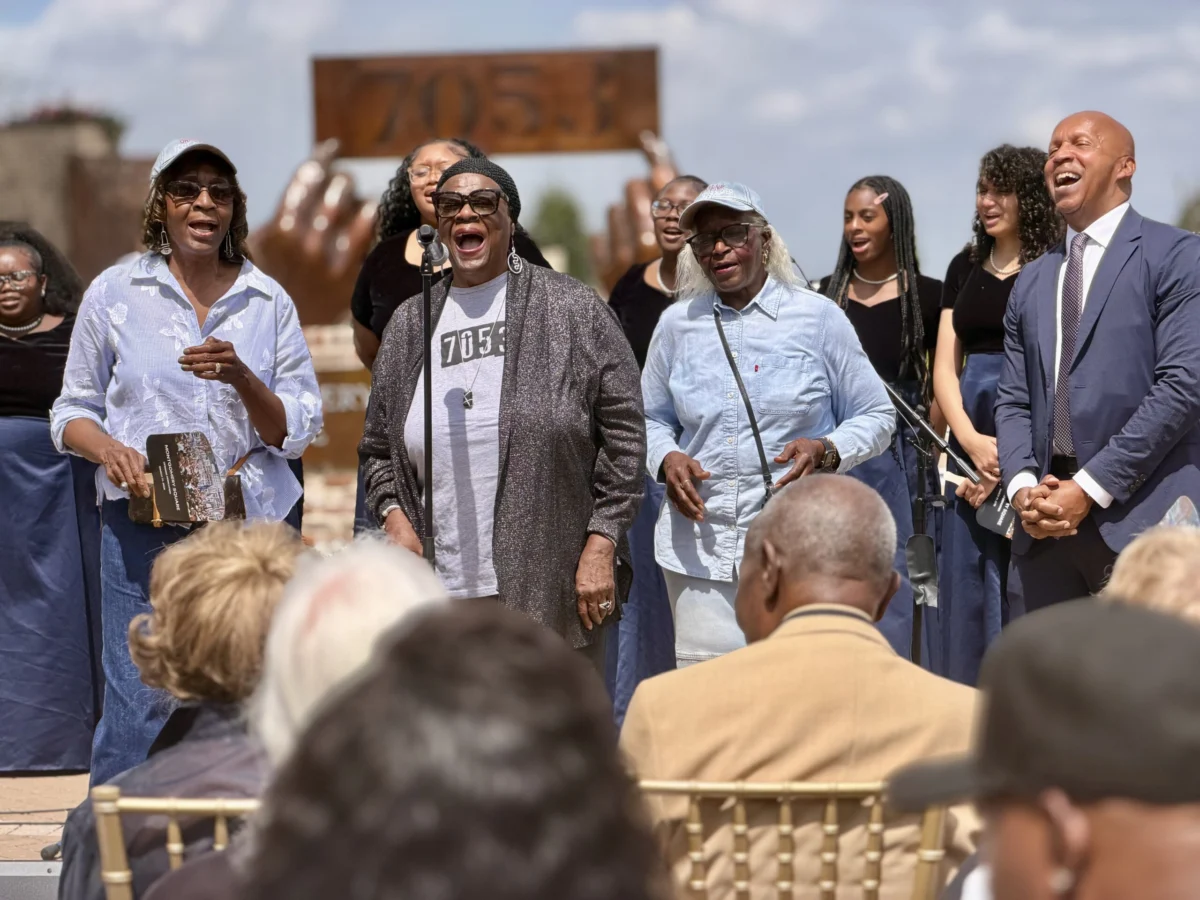
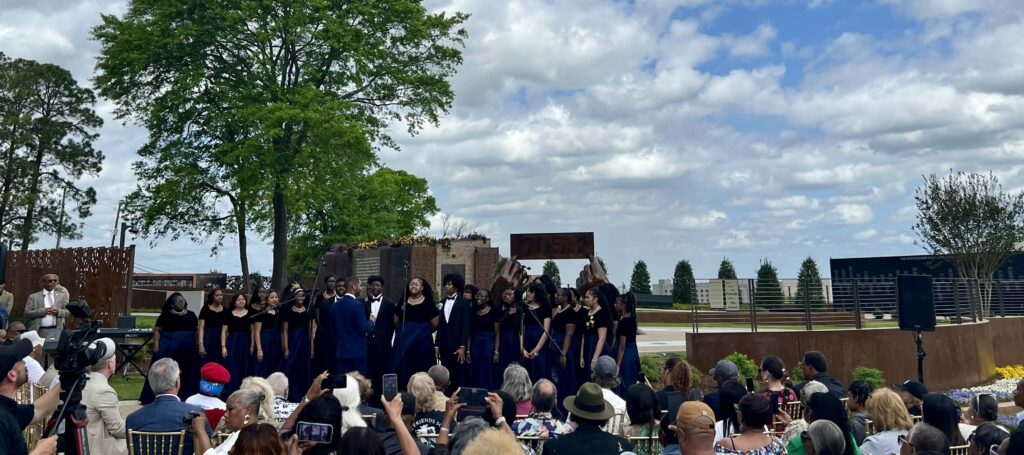
The dedication was a vibrant affair, blending historical reflection with contemporary celebration. A highlight was the performance by the Booker T. Washington Magnet High School’s choir, led by award-winning Choir Director Milton Williams. Their rendition paid tribute to the next generation of Montgomery activists and leaders, symbolizing the enduring legacy of the struggle for justice.
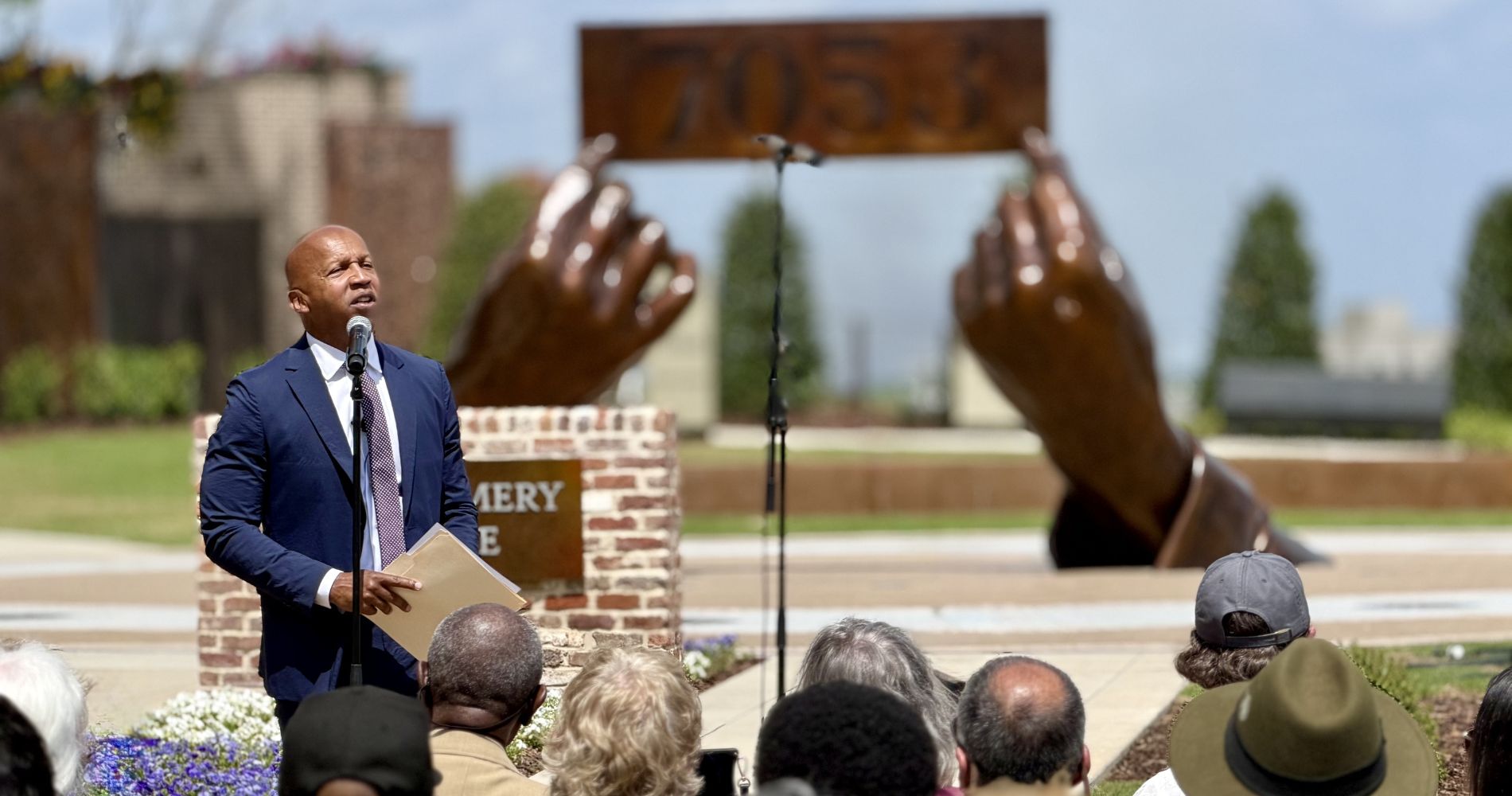
Montgomery Mayor Steven Reed, the city’s first Black mayor, delivered a poignant address, acknowledging the profound impact of the civil rights pioneers. "I wouldn’t be here without all of the people who helped change this city," Mayor Reed stated, his words echoing the sentiment of historical continuity and progress. He underscored the broader significance of the moment, telling the audience, "Your presence affirms the significance of this moment. It reminds us that what we commemorate today reaches far beyond our city limits. It speaks to all who believe in truth, reflection, and unifying power of community." Mayor Reed also extended his gratitude to EJI for its transformative work in establishing Montgomery as a preeminent global destination for understanding America’s complex history of racial injustice and its lasting legacy.
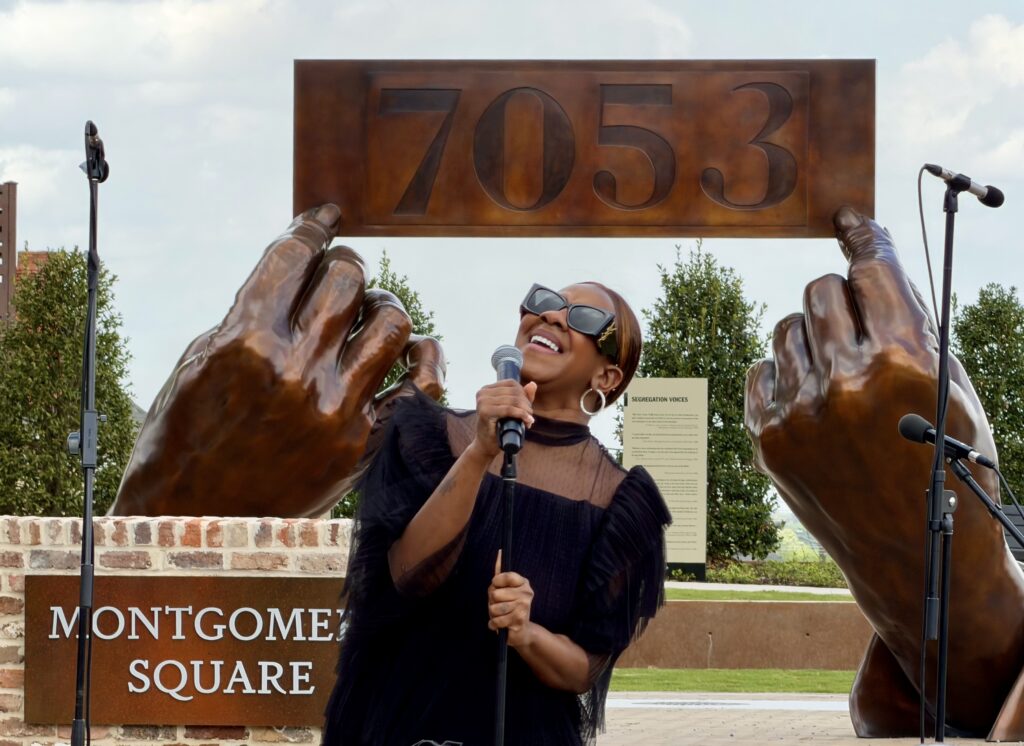
The ceremony also featured a powerful performance by Grammy and Stellar Award-winning gospel artist Le’Andria Johnson, who moved the crowd to its feet, leading a communal rendition of the iconic freedom song "We Shall Overcome." This collective singing served as a symbolic act of unity and remembrance, connecting attendees to the spirit of past struggles and triumphs.
The Montgomery Memory Project: Preserving Firsthand Accounts
A significant announcement made during the dedication by EJI Director Bryan Stevenson was the launch of the Montgomery Memory Project (MMP). This ambitious initiative aims to record video interviews with community members who lived in the Montgomery area between 1955 and 1965 and possess personal memories of that transformative period. The project seeks to capture and preserve invaluable firsthand accounts, ensuring that the voices and experiences of those who shaped history are not lost to time.
Several esteemed Montgomery residents have already shared their stories with the MMP team, with excerpts from their interviews showcased on the Montgomery Square website. Mr. Stevenson personally acknowledged and thanked these individuals at the dedication, recognizing their extraordinary experiences and reflections as crucial contributions to the historical record. The EJI extended an open invitation to anyone who lived through the "Montgomery Decade That Changed the World" to participate in the project, urging them to contact the MMP team at 334-269-1803 or via email at [email protected] for more information. This project is vital for enriching the narrative of the Civil Rights Movement with individual testimonies, providing depth and personal resonance to historical events often presented in broad strokes.
Unveiling the "Montgomery Decade That Changed the World" (1955-1965)
Montgomery Square meticulously details the historical context and events that defined this crucial decade. Bryan Stevenson elaborated on the systemic violence and humiliation faced by Black residents leading up to the bus boycott. He cited instances of police violence against Black women in the 1940s and the unpunished killings of Hilliard Brooks and two other Black men on city buses in the 1950s. These incidents underscore the pervasive climate of racial terror and injustice that permeated daily life for African Americans in the Jim Crow South.
By 1955, the indignities of segregated public transportation had reached a boiling point. Buses were not merely a means of transit but "unavoidable places of humiliation, violence, and degradation," as Stevenson described. The breaking point arrived in March with the arrest of 15-year-old Claudette Colvin, who refused to yield her seat to a white passenger. Her brave act, often overshadowed by subsequent events, paved the way for others. Three more Black women followed her example, refusing to move and facing arrest.
The pivotal moment arrived on December 1, 1955, when Rosa Parks, deeply affected by the brutal murder of 14-year-old Emmett Till earlier that year, also refused to give up her seat. Her arrest, while not the first, served as the catalyst for an unprecedented community response. "That was the moment that the people in this community did something unprecedented," Stevenson emphasized, highlighting that previous organized resistance efforts had not achieved sustained success.
What followed was the Montgomery Bus Boycott, a 382-day sustained protest where Black residents collectively refused to ride the city buses. This act of economic and social defiance, organized by the Montgomery Improvement Association (MIA) and led by figures like Dr. Martin Luther King Jr., brought the city to a standstill and garnered national attention. The boycott, which involved carpools, walking, and unwavering solidarity, ultimately led to the Supreme Court ruling in Browder v. Gayle in November 1956, declaring bus segregation unconstitutional. This victory not only desegregated Montgomery’s buses but also birthed the modern Civil Rights Movement, demonstrating the power of nonviolent direct action.
The decade that followed was marked by a relentless wave of activism, including sit-ins at segregated lunch counters, swim-ins at public pools, and countless nonviolent demonstrations across the South. These actions culminated in monumental events like the 1963 March on Washington for Jobs and Freedom, where Dr. King delivered his iconic "I Have a Dream" speech.
The Fight for Voting Rights and the Selma to Montgomery Marches
As the movement progressed, the focus intensified on securing voting rights, a fundamental pillar of democratic participation that had long been denied to Black Americans through poll taxes, literacy tests, and intimidation. Stevenson detailed the stark reality of voter suppression: in 1965, no Black people were allowed to register to vote in Lowndes or Wilcox counties, only 2% of eligible Black voters were registered in Dallas County, and even in Montgomery, only 17% of eligible Black voters could cast a ballot despite years of activism.
Voting rights activists converged on Selma, Alabama, a flashpoint for the movement. On March 7, 1965, a peaceful march from Selma to Montgomery was brutally attacked by state troopers and local police on the Edmund Pettus Bridge, an event known as "Bloody Sunday." Despite the violence and injuries, the activists persevered. Their unwavering determination led to subsequent marches, culminating in thousands of people completing the 54-mile journey to Montgomery, marching down the very street that borders Montgomery Square. Just months after Dr. King addressed marchers at the Capitol, predicting the imminent securing of voting rights, President Lyndon B. Johnson signed the Voting Rights Act of 1965 into law on August 6, 1965. This landmark legislation outlawed discriminatory voting practices, fundamentally transforming American democracy.
"For every person in this country," Mr. Stevenson asserted, "America became more just, a nation more committed to equality, to liberty, and to justice." This statement encapsulates the profound and far-reaching impact of the Montgomery Decade, not just for Black Americans but for the entire nation’s commitment to its foundational principles.
"We’ve Come Too Far to Turn Around Now": A Call to Action
Montgomery Square stands as a testament to the spirit, lives, courage, and tenacity of the Black community in Montgomery who collectively changed the nation. However, Bryan Stevenson’s message extended beyond historical commemoration; it was also a powerful call to contemporary action. "We’ve also come here today," he declared, "to say to America that we’ve come too far to turn around now."
His words carried a clear resonance with current debates surrounding historical memory and education. Stevenson emphasized that Montgomery, through EJI’s efforts, has become the leading city in the country dedicated to educating people about the legacy of slavery and racial injustice. He urged the community to once again say "no" to efforts aimed at banning books and erasing vital American history. "We’ve got to lift our nation up," he stressed, framing the work of EJI and the purpose of Montgomery Square as essential to the ongoing struggle for a more just and truthful society.
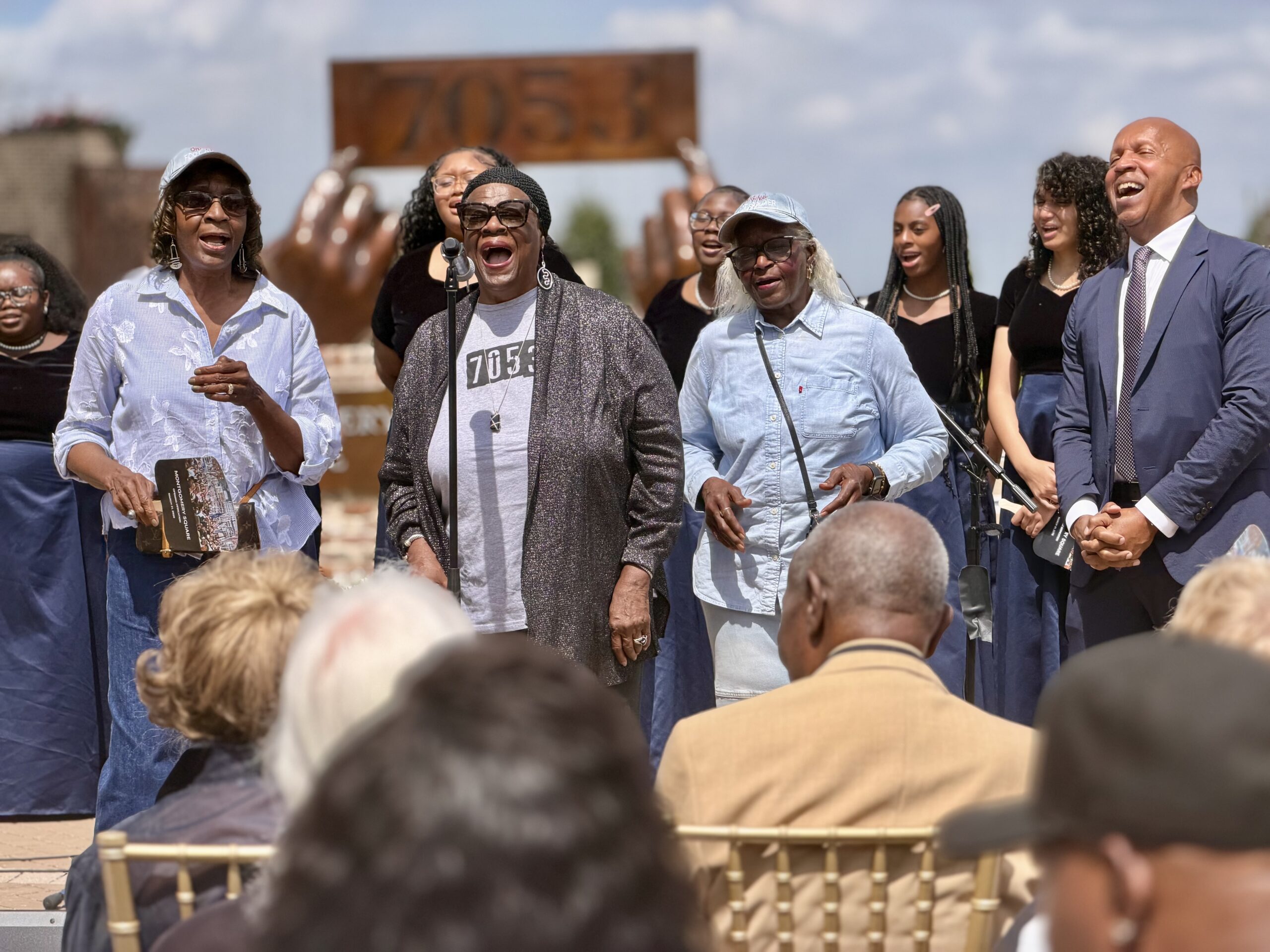
The program concluded with a deeply moving moment as Mr. Stevenson invited the Booker T. Washington choir to join him, alongside Dr. Jeanette Howard-Moore and Ms. Margaret Howard, courageous foot soldiers from Selma, and Dr. Viola Bradford. Together, they led everyone in a powerful rendition of a freedom song, linking arms and singing "Ain’t Gonna Let Nobody Turn Me ‘Round." This collective act of solidarity echoed the unity and resilience of the civil rights architects, reaffirming that the struggle for justice is an ongoing journey that requires continued vigilance, education, and collective action. Montgomery Square, therefore, is not just a site of remembrance but a vibrant center for education and a powerful call to continue the pursuit of equality and truth.