The past two years have undeniably marked a tumultuous period, transforming the global landscape in unprecedented ways. The ongoing pandemic era has served as a crucible for rapid, large-scale experimentation with novel approaches to work, catalyzing a profound re-evaluation of fundamental assumptions about employment and the future of labor. While many questions remain open and data continues to evolve, a clear picture is emerging of significant shifts across several key domains, notably ‘Purpose,’ ‘People,’ ‘Polarisation & Activism,’ and critically, ‘Process & Policy.’ This article delves into the transformative trends observed within the realm of organizational processes and policies, examining their implications for diversity, equity, and inclusion (DEI) in a dynamic and ambiguous global environment.
The Unprecedented Upheaval and the Evolving Social Contract of Work
The onset of the COVID-19 pandemic in early 2020 triggered an immediate and involuntary global experiment in remote work. Lockdowns and public health directives compelled organizations worldwide to rapidly pivot, shifting millions of employees from traditional office environments to working from home, often overnight. This forced migration exposed the vulnerabilities and inefficiencies of existing workplace norms while simultaneously revealing unforeseen opportunities for flexibility and redesigned operational models. As the initial crisis response evolved into a prolonged period of adaptation, employees began to reassess their relationship with work, their employers, and their personal well-being.
This period of intense scrutiny brought into sharp relief where the status quo of pre-pandemic work was no longer fit for purpose. The traditional social contract between employees and employers, long characterized by implicit expectations of physical presence and rigid structures, began to fray. Workers, having experienced a different way of operating, developed a significantly lower tolerance for a host of entrenched, often unhealthy, workplace norms. These included the pervasive expectation of "presenteeism"—the belief that long hours in the office equate to productivity—arduous daily commutes, inflexible formal dress codes, and often inadequate working conditions. Furthermore, issues such as unfair compensation, instances of abuse and discrimination, the insidious impact of a false belief in meritocracy, low levels of autonomy over one’s work, the "always-on" availability culture, extensive and often unnecessary business travel, feelings of isolation, and a widespread lack of psychological safety and overall well-being became subjects of intense public and internal organizational debate. The pandemic also highlighted persistent gender inequalities, particularly concerning family care responsibilities, where women disproportionately bore the brunt.
The collective experience of the pandemic made it unequivocally clear that many workplaces operated on outdated norms, ill-suited for contemporary realities and the evolving expectations of the workforce. This recognition presents a unique and invaluable opportunity for organizations to fundamentally reassess, redesign, and experiment with new solutions that prioritize employee well-being, productivity, and inclusivity.
Redefining ‘Where’ and ‘How’ Work Happens: The Location Policy Shift
One of the most significant and contentious policy shifts precipitated by the pandemic concerns the physical location of work. The sudden and widespread adoption of remote work challenged decades of deeply ingrained assumptions about the necessity of co-located teams. Now, organizations are grappling with the complex task of formalizing new policies for where and how work will be performed in the long term.
Emerging data on remote work preferences is often nuanced and, at times, conflicting, reflecting the diverse experiences and needs of a global workforce. However, a consistent theme across numerous studies is the strong desire among specific demographic groups to continue working remotely, at least part-time. For instance, research in the U.S. has projected that remote work will persist for at least one day a week for a significant portion of the workforce. Crucially, the desire for flexible work arrangements is particularly pronounced among women, working parents, and employees of color. These groups have often reported improved employee experience scores and a better work-life balance when working remotely, suggesting that flexible models can be a powerful tool for enhancing diversity and inclusion. The broader societal ramifications of this shift are considerable, including the potential for increased employee diversity, a more equitable work-life balance, and access to significantly larger talent pools as geographical location becomes a less restrictive factor in hiring.
Despite these potential benefits, the precise contours of future work models remain a subject of intense negotiation and strategic planning. A substantial portion of the global workforce—estimates suggest up to two-thirds of workers—expect more than just one day of remote work per week. A significant number are even willing to resign from their positions if remote work is not a standard option, signaling a profound shift in employee bargaining power and expectations.
Prior to the pandemic, flexible work arrangements, particularly remote work, were often handled on an ad hoc basis. This inconsistent approach was fraught with challenges: it allowed for unconscious biases to influence decisions, placed an undue burden on individual managers to approve or deny requests, discouraged employees from even asking for flexibility due to perceived stigma, and ultimately led to perceptions of unfairness. Research conducted in 2019 by Lisa and Veronika Hucke, for example, highlighted that remote work options were predominantly utilized by more senior male employees. Working mothers frequently reported feeling stigmatized when requesting flexible arrangements, while more junior staff, despite desiring remote work, often feared that asking for it would brand them as "not serious about their jobs." The collective experience of the pandemic provides an unparalleled opportunity to rectify these historical inequities and establish equitable, transparent, and standardized policies for flexible work.
The Imperative of Inclusive Policy Co-creation
While establishing clear policies for work location and methodology is crucial, the process by which these policies are created is arguably even more vital. An approach designed in isolation, without meaningful input from the very people it will affect, runs a significant risk of being ill-suited for its intended purpose, leading to low acceptance, limited usage, and potentially exacerbating existing inequalities.
Alarmingly, multi-country surveys of knowledge workers have revealed a disconnect between leadership and the workforce in policy development. A significant majority—approximately 66% of executives—reported designing post-pandemic workforce policies with little to no direct input from their employees. This top-down methodology fosters a dangerous overconfidence among leaders; the same percentage of executives believed they were being "very transparent" in their policy-making, yet only 42% of workers agreed with this assessment. Such a disparity in perception foreshadows potential friction and resistance, undermining the effectiveness and legitimacy of new policies from their inception. This failure to engage employees in an inclusive co-creation process represents a critical lost opportunity to "get it right" in this transformative era.
The collective experience of the pandemic era underscores a clear call to action for organizations: policies must be rigorously assessed for their alignment with current realities and future strategic directions. This assessment should leverage comprehensive data and actively solicit input from all levels of the organization. The goal is to co-create new solutions that integrate behavioral insights, ensuring policies are not only fair and effective but also intrinsically motivating and easy to adopt. Furthermore, implementation should embrace agile experimentation, allowing for iterative adjustments based on real-world feedback and evolving circumstances.
Broader Implications for Diversity, Equity, and Inclusion (DEI)
The shifts in process and policy have profound and multifaceted implications for DEI initiatives. Flexible work, when implemented thoughtfully, can be a powerful equalizer. By reducing the burden of long commutes and offering greater autonomy over schedules, it can significantly benefit individuals with caregiving responsibilities (disproportionately women), those with disabilities, and individuals from diverse socio-economic backgrounds who may face unique logistical challenges in traditional office settings. The expansion of talent pools beyond geographical constraints also allows organizations to recruit from a much broader and more diverse candidate base, fostering greater representation.
However, the transition to hybrid or remote models is not without its DEI challenges. There is a risk of creating a "two-tier" workforce where those physically present in the office receive preferential treatment, access to informal networks, and greater visibility for promotions. This "proximity bias" could inadvertently disadvantage remote workers, particularly those from underrepresented groups who may opt for or require greater flexibility. Policies must be meticulously designed to mitigate this risk, ensuring equitable access to opportunities, development, and recognition for all employees, regardless of their work location. This includes developing inclusive communication strategies, fair performance management systems for distributed teams, and intentional efforts to foster psychological safety and belonging among remote and in-office colleagues alike.
Challenges, Opportunities, and the Path Forward
The journey towards redefining organizational processes and policies is complex, marked by both significant challenges and immense opportunities. Challenges include navigating technological infrastructure, maintaining corporate culture across distributed teams, ensuring data security, and managing potential burnout from the blurred lines between work and home life. Yet, the opportunities are equally compelling: enhanced employee engagement and well-being, increased productivity through flexible models, reduced operational costs (e.g., real estate), and a more resilient, adaptable organizational structure capable of responding to future disruptions.
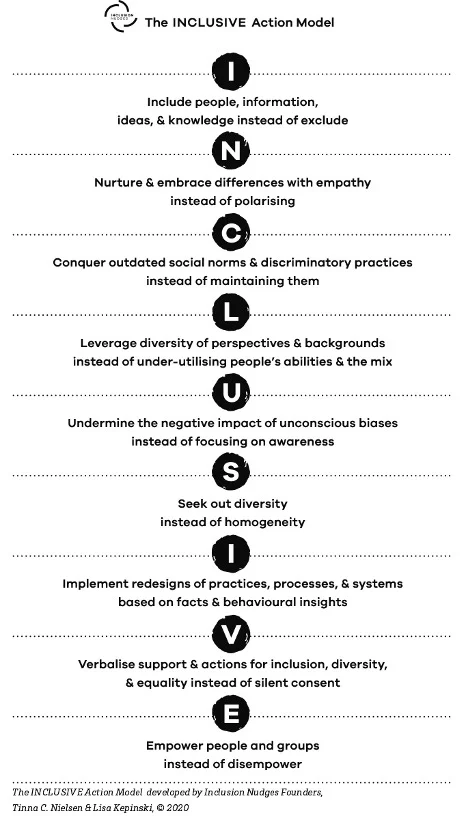
Organizations are increasingly turning to behavioral insights and "inclusion nudges" to guide their policy development. These subtle interventions, designed to steer behavior towards more inclusive and equitable outcomes, can be instrumental in shaping the new world of work. Examples include making flexible working the default option, framing all jobs as potentially 80% roles to normalize reduced hours, or proactively revealing gaps in flexible working uptake to encourage broader utilization across all demographics. Such approaches shift the burden from individuals requesting flexibility to the organization proactively designing it into its core processes.
Expert Commentary and Future Outlook
The insights from experts like Lisa and Tinna, pioneers in the field of Inclusion Nudges, underscore the critical need for organizations to integrate behavioral science into their policy frameworks. As highlighted in a September 2021 HR Master Class by Legal Island, these pandemic-era trends necessitate a deep reflection on their implications for DEI. The conversation must move beyond simply offering flexible options to embedding inclusivity into the very fabric of how work is designed, managed, and experienced.
Organizations seeking to navigate these complexities are encouraged to engage in advisory consulting, coaching, and speaking engagements focused on inclusive leadership and behavioral design. The goal is to move beyond reactive adjustments to proactive, strategic redesign of the entire employee experience.
The transformation initiated by the pandemic is not a temporary anomaly but a fundamental reshaping of the world of work. The policies and processes forged in this era will define organizational cultures, employee experiences, and DEI outcomes for decades to come. By embracing data-driven, inclusively co-created, and agile policy development, organizations can harness this tumultuous period as a catalyst for building more equitable, resilient, and thriving workplaces for all. The ongoing dialogue and continuous experimentation will be essential as societies and economies adapt to these enduring shifts.