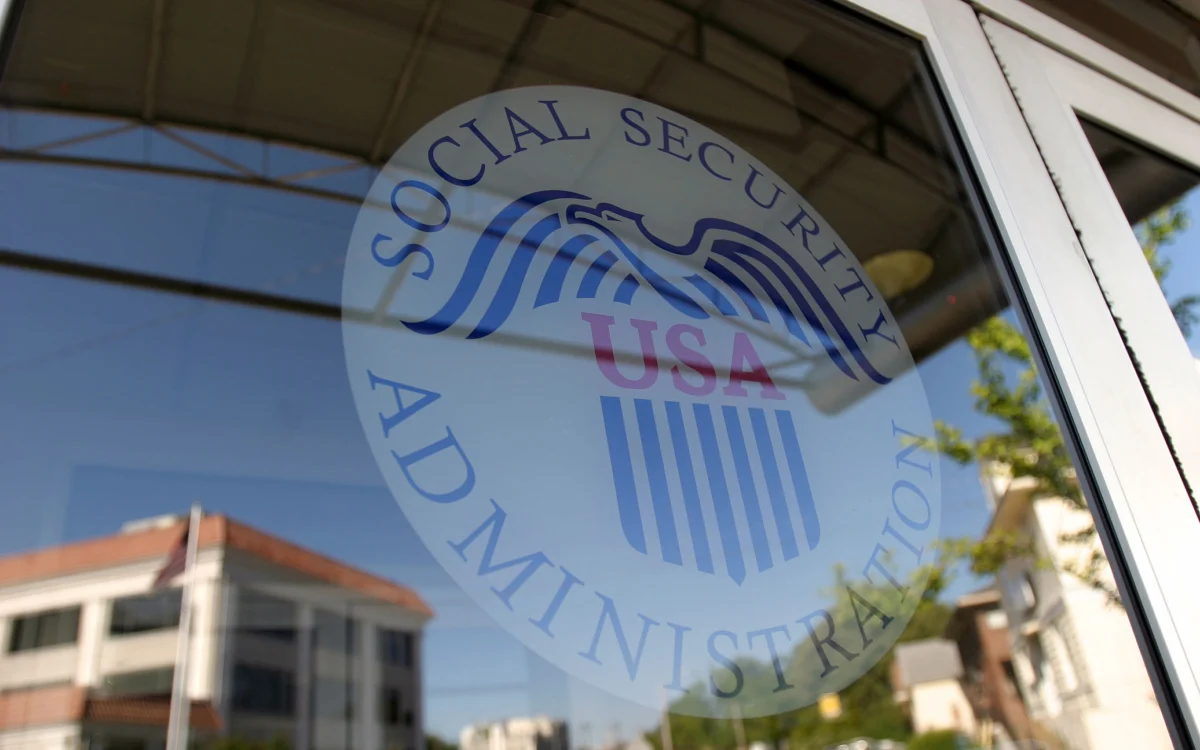
The Social Security Administration (SSA) is alerting beneficiaries across the United States that a growing number of its local offices are experiencing service disruptions, ranging from full closures to reduced operating hours and phone-only services. This situation is creating uncertainty for individuals reliant on these offices for critical assistance and information. The agency is strongly advising beneficiaries to confirm the operational status of their local SSA office before planning any in-person visits.
Patchwork of Disruptions Affecting Local Offices
The SSA’s official emergency status page, a crucial resource for the public, currently displays a complex and varied landscape of operational disruptions. These issues are not following a uniform pattern across states, but rather are isolated to individual offices facing specific, often temporary, challenges. This means that even within the same state or metropolitan area, the service availability at one SSA office could differ significantly from another. The agency updates this page dynamically to reflect the ever-changing conditions, providing real-time information on office closures, delayed openings, and other circumstances impacting service delivery.
The SSA’s standing directive to the public remains consistent: "Look before you go." This emphasizes the need for proactive verification of office status to avoid unnecessary travel and potential disappointment. It is important to note that these disruptions are typically localized and not indicative of widespread, statewide shutdowns. Instead, they are generally attributed to specific, temporary issues affecting individual office operations.
Understanding the Scope of the Disruptions
While the exact number of affected offices and the duration of these disruptions can fluctuate, the SSA’s emergency status page serves as the definitive source for up-to-date information. This page is designed to provide transparency and to help beneficiaries navigate the current service landscape. The SSA has historically faced challenges in maintaining consistent service levels across its vast network of offices, particularly in the wake of budget constraints, staffing shortages, and evolving technological landscapes. The current situation appears to be an amplification of these pre-existing vulnerabilities, exacerbated by unforeseen circumstances.
The agency manages a significant workload, processing applications for retirement, disability, and survivors benefits, as well as providing ongoing support to millions of beneficiaries. Any disruption to in-person services can have a substantial impact, especially for individuals who may not have reliable internet access or who require personalized assistance with complex claims.
What Beneficiaries Can Do Amidst Office Disruptions
The Social Security Administration strongly encourages beneficiaries to leverage its robust online resources whenever possible, especially for routine matters. The agency has invested significantly in its digital infrastructure to provide convenient and efficient self-service options. The primary online platform available to beneficiaries is the "my Social Security" portal.
Through the my Social Security portal, users can access a wide range of services without needing to visit an office. These capabilities include:
- Creating an account: This is the gateway to managing one’s Social Security information.
- Viewing Social Security statements: Beneficiaries can access their earnings history and estimated future benefits.
- Managing direct deposit information: This allows for easy updates to banking details for benefit payments.
- Requesting replacement Social Security cards: For eligible individuals, this service can be completed online.
- Checking the status of an application: For those who have applied for benefits, the portal provides updates.
- Obtaining benefit verification letters: These are often needed for various financial or governmental purposes.
The SSA emphasizes that for any task that does not necessitate a face-to-face interaction, the online portal is generally the faster and more accessible option. This is particularly true when local offices are experiencing service limitations or are closed. The my Social Security portal remains operational 24 hours a day, seven days a week, offering a consistent point of access regardless of local office hours or availability.
The Importance of the Emergency Status Page
The SSA’s emergency status page is a critical tool for beneficiaries to stay informed. It is designed to provide a centralized and authoritative source of information regarding disruptions to local office operations. The page allows users to search for affected offices by state and ZIP code, providing a targeted view of service availability in their specific area.
The types of information typically flagged on this page include:
- Full Office Closures: Instances where an office is completely shut down for a period.
- Reduced Operating Hours: Offices that are open for fewer hours than their standard schedule.
- Phone-Only Service: Offices that are not accepting in-person visitors but are still available to assist callers.
- Delayed Openings: Offices that will open later than usual on a particular day.
- Other Service Affecting Situations: This can encompass a broad range of issues, such as natural disasters, building maintenance, or staff shortages that impact service delivery.
The SSA’s commitment to updating this page underscores the dynamic nature of these disruptions. Conditions can change rapidly, and beneficiaries are urged to check the page regularly if they have upcoming appointments or planned visits.
Background and Potential Contributing Factors
While the SSA has not provided a comprehensive explanation for the widespread nature of these disruptions, several factors could be contributing to the current situation. Historically, Social Security offices have faced challenges related to:
- Budgetary Constraints: Insufficient funding can lead to staffing shortages, deferred maintenance, and limitations on operational resources.
- Staffing Shortages: The SSA, like many government agencies, has experienced difficulties in recruiting and retaining qualified personnel, which can impact the ability to staff offices adequately.
- Aging Infrastructure: Some SSA facilities may require upgrades or repairs, leading to temporary closures or service limitations.
- Unforeseen Events: Natural disasters, public health emergencies, or other unforeseen circumstances can necessitate temporary office closures or service adjustments.
- Increased Demand: A growing number of beneficiaries and the complexity of benefit programs can place a strain on SSA resources.
The current situation appears to be a confluence of these potential issues, creating a more significant and widespread impact on service delivery than typically observed. The lack of a statewide pattern suggests that these are localized operational challenges rather than a coordinated, agency-wide directive to reduce services.
Implications for Beneficiaries
The disruptions at local Social Security offices can have significant implications for beneficiaries, particularly those who rely on in-person assistance. These implications include:
- Delays in Processing Claims: In-person visits are often crucial for submitting complex documentation, clarifying application details, or resolving issues that cannot be addressed through online channels. Disruptions can lead to extended delays in the processing of new claims for retirement, disability, or survivors benefits.
- Difficulty Accessing Critical Information: Some beneficiaries may struggle to navigate online portals or may require personalized guidance to understand their benefits, appeal decisions, or manage their accounts. Limited office availability can exacerbate this challenge.
- Financial Hardship: For individuals awaiting benefit approvals or facing urgent financial needs, delays in accessing services can lead to significant financial hardship.
- Increased Stress and Anxiety: The uncertainty surrounding office availability and the potential for delays can cause considerable stress and anxiety for beneficiaries, many of whom are already facing challenging life circumstances.
- Disproportionate Impact on Vulnerable Populations: Individuals with limited internet access, those with disabilities, older adults, and individuals with lower socioeconomic status may be disproportionately affected by the shift towards online services and the reduction of in-person support.
Official Response and Public Advisory
The SSA’s primary advisory to the public is to utilize the emergency status page and the my Social Security portal. The agency’s communication strategy emphasizes self-service options and proactive verification of office status. While the SSA has not issued a broad statement addressing the cumulative impact of these disruptions, the consistent messaging on its emergency page and website points to a strategy of empowering beneficiaries with information and directing them towards available online resources.
It is plausible that internal discussions are underway within the SSA to address the root causes of these localized disruptions and to implement strategies for restoring full service levels. However, without official statements detailing these efforts, the public remains reliant on the information provided through existing advisory channels.
Looking Ahead: The Future of Social Security Services
The current wave of disruptions at Social Security offices highlights an ongoing tension between the agency’s mission to serve the public and the operational realities of budget, staffing, and infrastructure. As the SSA continues to evolve, the balance between in-person services and digital access will likely remain a critical point of discussion.
For beneficiaries, the key takeaway is the imperative to stay informed. Regularly checking the SSA’s emergency status page and familiarizing oneself with the capabilities of the my Social Security portal are essential steps to ensure uninterrupted access to benefits and information. The agency’s ongoing efforts to modernize its services, while beneficial in the long term, require clear communication and robust support systems to ensure that all beneficiaries, regardless of their technological proficiency or access, can navigate the Social Security system effectively.
The continued reliance on local offices for specific services underscores the need for consistent funding and operational stability within the Social Security Administration to meet the diverse needs of its beneficiaries across the nation. The current patchwork of disruptions serves as a stark reminder of the importance of these physical touchpoints for many individuals.