The Government of Mozambique’s National Youth Institute (INJ) has officially designated World Education, an initiative of JSI Research & Training Institute, Inc., to lead the Technical Assistance and Training Activity for the "Eu Sou Capaz" (I Am Capable) program. This strategic partnership, supported by the World Bank, represents a pivotal expansion of the Empowering Adolescent Girls to Earn and Read (EAGER) vision, a multi-national initiative designed to improve life outcomes for millions of girls across Mozambique, Zimbabwe, and Madagascar. By focusing on the systemic social, economic, and behavioral factors that contribute to high school dropout rates, the program aims to create a sustainable environment where adolescent girls can transition from basic enrollment to meaningful academic and professional achievement.
The "Eu Sou Capaz" initiative is grounded in the reality that physical access to classrooms is only the first step in a complex journey toward gender equity in education. In Mozambique, where socio-cultural norms and economic pressures often truncate a girl’s education, the program seeks to dismantle the "invisible barriers" that prevent long-term success. Through this new award, World Education will provide the technical framework necessary to scale government-led interventions, ensuring that the methodologies used are both data-driven and culturally resonant.
The EAGER Strategic Vision and Regional Context
The EAGER initiative is part of a broader commitment by the World Bank to strengthen economic empowerment for women and girls across East and Southern Africa. Launched in response to stagnant secondary school completion rates among females in the region, EAGER addresses the intersection of education, health, and economic opportunity. In Mozambique, the challenges are particularly acute. Data from various international monitoring bodies indicate that while primary school enrollment has seen significant gains over the last decade, the transition to and completion of secondary school remains a critical bottleneck for girls.
The program’s regional approach allows for the cross-pollination of best practices between Mozambique, Zimbabwe, and Madagascar. However, the Mozambican component—led by the National Youth Institute—is specifically tailored to the unique linguistic and social landscape of the country’s provinces. By integrating social and behavior change (SBC) strategies with human-centered design, World Education aims to redesign educational and support systems around the lived realities of Mozambican girls, rather than expecting the girls to navigate systems that were not built with their specific challenges in mind.
Addressing the Root Causes of School Dropout
To understand the necessity of the "Eu Sou Capaz" program, one must examine the socio-economic indicators currently affecting adolescent girls in Mozambique. According to World Bank and UNESCO data, Mozambique has one of the highest rates of early marriage in the world, with nearly 48% of girls married before the age of 18. Furthermore, teenage pregnancy remains a primary driver of school withdrawal, as young mothers often face social stigma or a lack of childcare options that would allow them to return to their studies.
Gender-based violence (GBV) also plays a significant role in educational disruption. The "Eu Sou Capaz" model recognizes that school safety and the journey to and from school are paramount. By focusing on community mobilization, the program intends to create a "protective shield" around female students. This involves engaging not just the girls themselves, but also their parents, male peers, and community influencers to shift the narrative regarding the value of a girl’s education.
Obert Darara, JSI’s World Education Country Lead in Mozambique, emphasized the holistic nature of this approach. "Eu Sou Capaz is about more than access—it is about removing the invisible barriers that stop girls from thriving," Darara stated. "By integrating social and behavior change with human-centered design, we are supporting the National Youth Institute to redesign systems around girls’ realities, ensuring enrollment leads to achievement."
The Role of Community Leadership and Field Operations
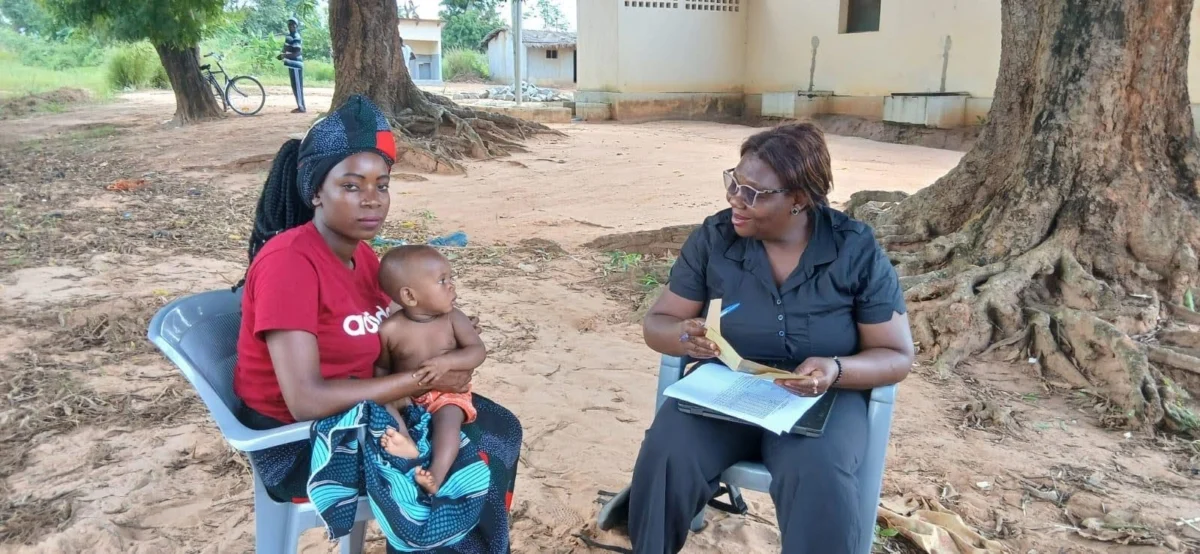
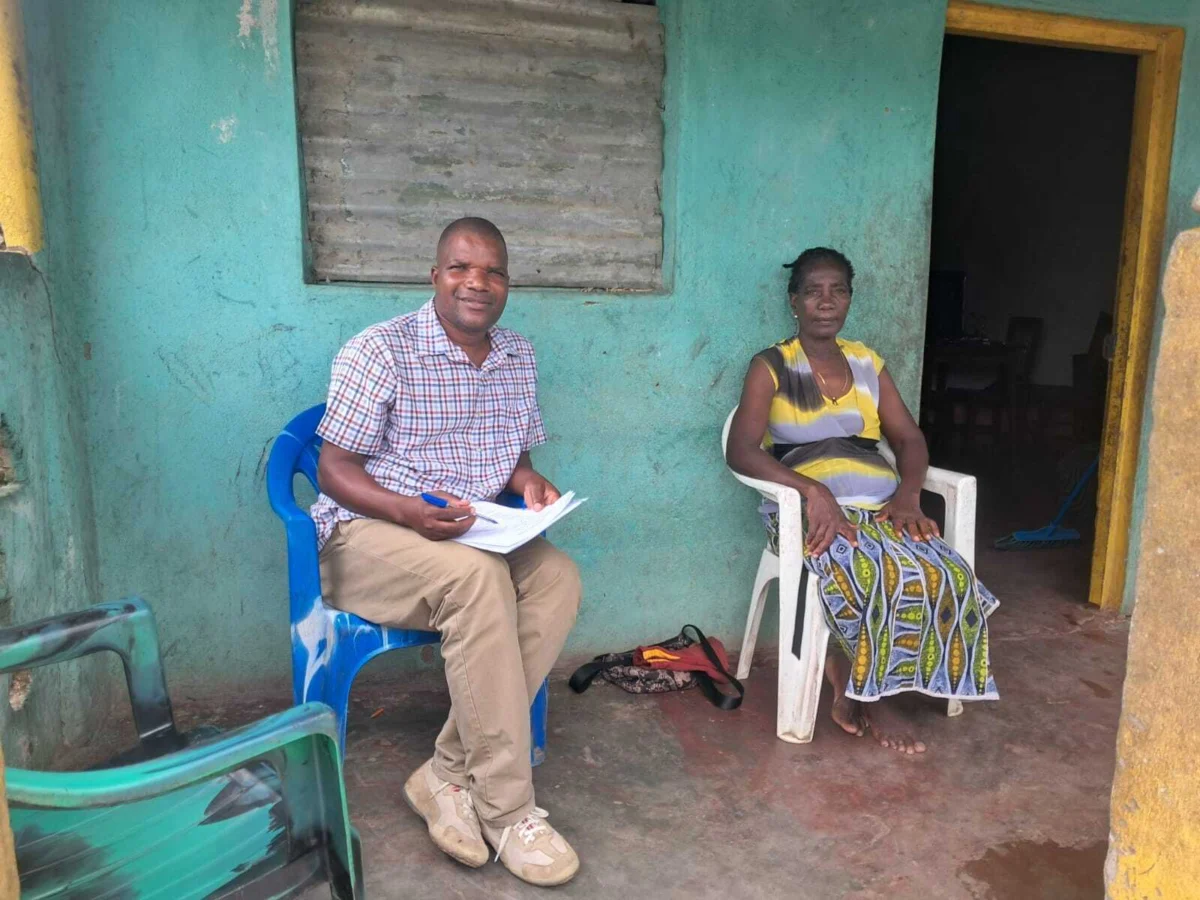
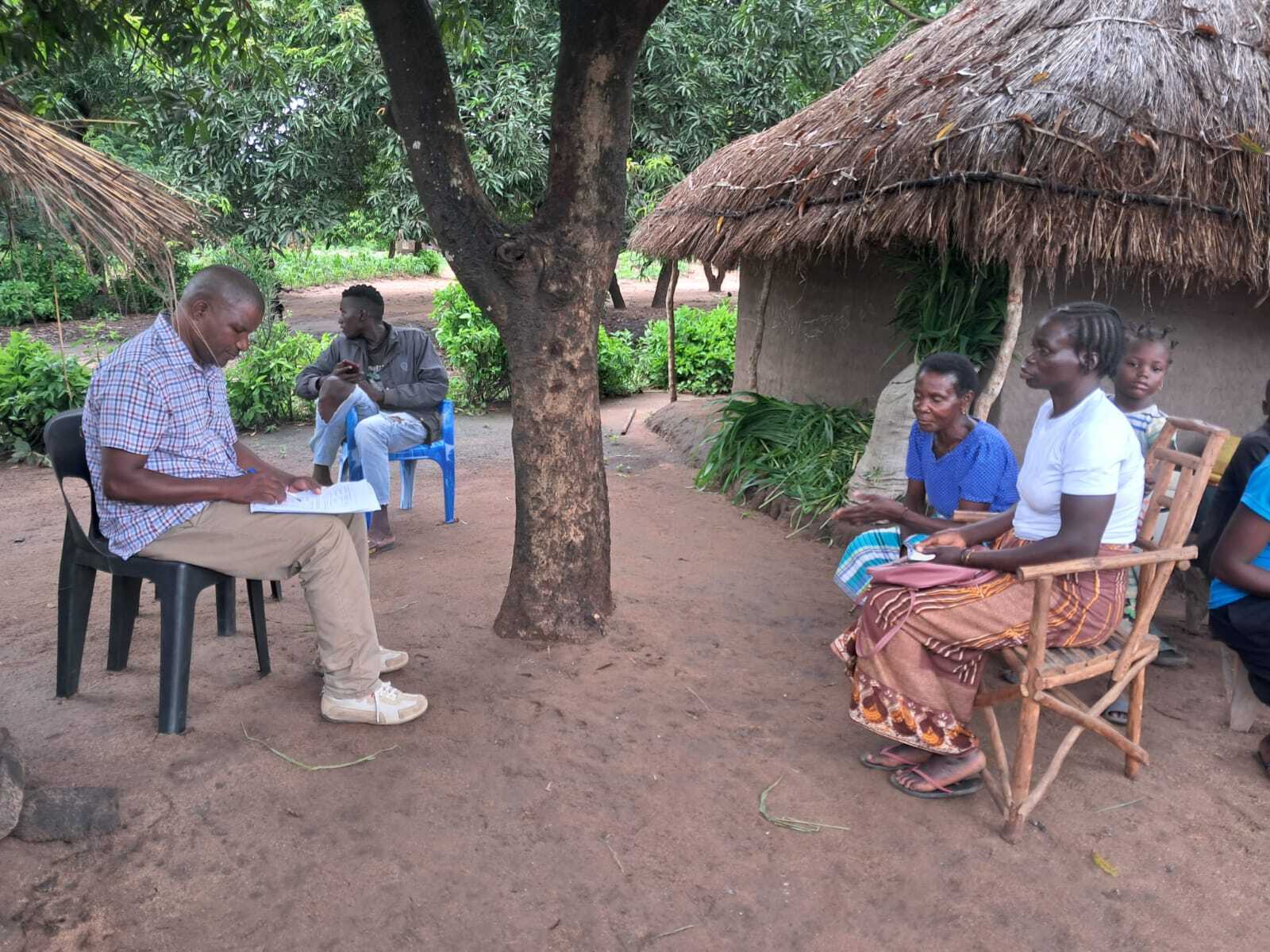
A cornerstone of the current phase of the program is the Community Leader Mapping Tool, which was recently piloted in the Sofala province. This tool is designed to identify and engage local influencers—traditional leaders, religious figures, and community elders—who hold the power to either uphold or challenge existing socio-cultural norms.
During the pilot phase in Sofala, technical experts like Alberto Domingos conducted intensive one-on-one interviews and mapping exercises with community leaders. These interactions are vital for identifying "hotspots" of school dropout and understanding the specific local triggers for child marriage or labor. By mapping the influence of these leaders, the program can tailor its advocacy efforts, turning community heads into champions for girls’ education. This localized data-driven approach ensures that the intervention is not seen as an external imposition but as a community-led movement for progress.
Technical Assistance and Capacity Building
The award focuses heavily on the "Technical Assistance and Training" aspect, meaning World Education’s primary role is to strengthen the capacity of the National Youth Institute (INJ). This involves the development of training modules for government staff, the creation of robust monitoring and evaluation (M&E) frameworks, and the implementation of transformative life-skills curricula.
The life-skills component is particularly critical. It provides girls with essential knowledge regarding reproductive health, financial literacy, and legal rights. By equipping girls with these tools, the program fosters a sense of agency, or "capacidade" (capability), allowing them to make informed decisions about their futures. The curriculum is designed to be interactive and age-appropriate, ensuring that the lessons learned in the classroom translate into real-world resilience.
A Fifteen-Year Legacy of Impact
The selection of World Education for this activity is based on a 15-year history of successful regional impact. The organization has a proven track record of managing large-scale educational initiatives in Southern Africa, having reached millions of learners through previous programs. Their expertise in data-driven programming ensures that the "Eu Sou Capaz" model is not only effective in a pilot setting but is also nationally scalable.
By applying lessons learned from previous decades of work in the region, World Education can bypass common pitfalls in international development. Their focus remains on sustainability—ensuring that once the technical assistance period concludes, the Mozambican government has the internal infrastructure, data systems, and trained personnel to maintain the program’s momentum independently.
Economic and Social Implications for Mozambique
The long-term implications of the "Eu Sou Capaz" program extend far beyond the classroom. There is a direct correlation between female education and national economic growth. According to economic analyses by the World Bank, each additional year of secondary education can significantly increase a woman’s future earning potential, which in turn reduces household poverty and improves the health and education outcomes of the next generation.
By reducing the rates of teenage pregnancy and early marriage, Mozambique stands to see a "demographic dividend." When girls stay in school longer, they tend to have smaller, healthier families and are more likely to participate in the formal labor market. This shift is essential for Mozambique’s broader goal of diversifying its economy and achieving the targets set out in the United Nations Sustainable Development Goals (SDGs), particularly SDG 4 (Quality Education) and SDG 5 (Gender Equality).
Chronology of Program Implementation
The rollout of the "Eu Sou Capaz" Technical Assistance and Training Activity follows a structured timeline:
- Phase I: Discovery and Design (Completed): Utilization of human-centered design to identify the specific barriers faced by girls in various Mozambican provinces.
- Phase II: Pilot and Tool Development (Ongoing): Implementation of the Community Leader Mapping Tool in the Sofala province and the refinement of the SBC strategies.
- Phase III: System Integration (Current): World Education begins the formal technical assistance to the National Youth Institute, integrating new modules into the national framework.
- Phase IV: National Scaling (Upcoming): Expansion of the program from the pilot provinces to a nationwide rollout, supported by World Bank funding and government oversight.
- Phase V: Evaluation and Sustainability (Long-term): Continuous monitoring of dropout rates and enrollment data to ensure the program’s interventions are yielding the desired statistical improvements.
Conclusion and Future Outlook
The partnership between the National Youth Institute and World Education represents a sophisticated evolution in how education policy is implemented in Mozambique. By moving away from a one-size-fits-all approach and toward a model that prioritizes social behavior change and community engagement, the "Eu Sou Capaz" program addresses the human element of the education crisis.
As the program moves into its next phase of national scaling, the focus will remain on ensuring that the most vulnerable girls—those in remote rural areas or those affected by regional instabilities—are not left behind. With the support of the World Bank and the technical expertise of JSI’s World Education, Mozambique is positioning itself as a regional leader in the fight for gender equity in education. The success of "Eu Sou Capaz" will be measured not just in enrollment numbers, but in the transformed lives of Mozambican women who will lead the country’s future.