The ancient rhythms and intricate melodies of the San people, specifically the Dcui and Dxana communities of the Kalahari Desert, are facing an existential threat. For millennia, these indigenous groups have thrived in southern Africa, their existence intricately woven with the land through hunting, gathering, and a rich cultural tapestry expressed through music and storytelling. However, the imposition of modern conservation policies, coupled with historical ethnic discrimination and forced relocations, has dramatically disrupted their traditional way of life, pushing their unique cultural heritage, particularly their musical traditions, to the brink of extinction.
A Legacy of Resilience Under Threat
The San, often referred to as Bushmen, are recognized as the oldest inhabitants of southern Africa, with a history stretching back tens of thousands of years. Their traditional territories spanned across what are now Botswana, Namibia, South Africa, Angola, Zambia, and Zimbabwe. The Dcui and Dxana, specific subgroups within the broader San linguistic and cultural family, have ancestral ties to the very heart of the Kalahari. Their subsistence was, and in many ways still is, deeply connected to the diverse flora and fauna of the desert. This intimate relationship fostered a profound understanding of the environment, which permeated every aspect of their culture, including their music.
However, the advent of modern nation-states and the rise of nature conservation in the mid-20th century began to systematically dispossess indigenous communities across the globe. Southern Africa was no exception. For the Dcui and Dxana, this conflict culminated in the establishment of the Central Kalahari Game Reserve (CKGR) in 1961. While initially intended, in principle, to allow for the continued coexistence of the Bushmen and wildlife, the subsequent actions of the Botswana government, particularly from 1986 onwards, signaled a decisive shift. Driven by objectives of nature conservation and the burgeoning tourism industry, the government embarked on a policy of forced relocation for the Dcui and Dxana communities living within the CKGR.
This relocation, which largely took place in 1997, was a devastating blow to their cultural continuity. Separated from their ancestral lands, spiritual sites, and the natural resources that sustained them, the Dcui and Dxana found themselves in a precarious situation. Despite a landmark court ruling in December 2006 that affirmed their right to return to their ancestral lands, the damage to their cultural fabric was profound. Many have since returned, but others remain in settlements outside the reserve, grappling with the enduring consequences of displacement.
The Sound of Displacement: Poverty and Cultural Erosion
The forced relocation has plunged many Dcui and Dxana Bushmen into a state of abject poverty. Their traditional livelihoods, intrinsically linked to the land, were severed. Consequently, they have become heavily reliant on government handouts for survival. This economic vulnerability extends to educational outcomes. Despite the availability of free public education in Botswana, many San youth face significant challenges, leading to high dropout rates and limited opportunities for further education. This cycle of poverty and lack of opportunity directly impacts the transmission of traditional knowledge and skills, including those related to music and instrument making.
The rich cultural expressions of the Kalahari Bushmen included intricate spiritual trance dances for healing, vibrant entertainment dances, captivating storytelling, and a diverse array of musical instruments. Among these, the deengu, often described as a thumb piano or kalimba, holds a special place. The Dcui and Dxana possess three distinct versions of the deengu, each tuned to specific traditional music genres: Cgoocee for spiritual tunes, innate for entertainment, and bubu, a later adaptation influenced by modern music, used for more contemporary rhythms.
These instruments were not merely for leisure; they were integral to their social and spiritual lives. Love songs were composed and performed on the deengu, expressing the complexities of relationships. Medicine men used its gentle melodies, accompanied by chanting and meditation, to connect with the spirit world, rendering the music therapeutic. Songs also narrated tales of the natural world, depicting animal behaviors, hunting expeditions, and the subtle nuances of gathering. Musicians could artfully mimic the movements of a scavenging vulture or the stealthy approach of a hyena through their instrumental compositions.
Threats to a Unique Musical Legacy
The future of these unique musical traditions is now critically endangered, facing a confluence of factors that threaten to silence them forever.
The Allure of Contemporary Culture
One of the most significant challenges is the pervasive influence of modern music and entertainment. San youth, like young people everywhere, are drawn to contemporary sounds and styles. Leisure time spent in pubs and nightclubs, saturated with music from loudspeakers, has shifted their preferences away from traditional instruments. Modern instruments like guitars and keyboards have become more appealing, offering a perceived path to cultural relevance and a connection to the wider global music scene. This has led to a decline in interest and engagement with the deengu and other traditional San instruments among younger generations.
The Vanishing Masters of Craftsmanship
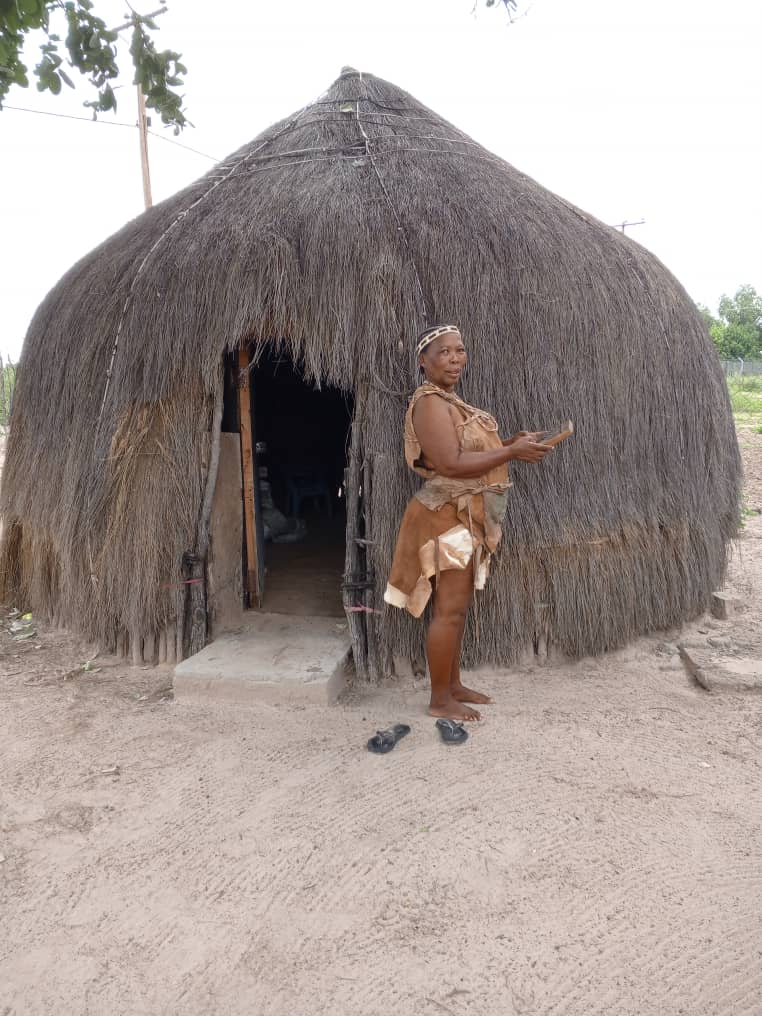
A second critical threat lies in the rapid disappearance of the Indigenous Knowledge systems required to manufacture these instruments. The intricate craftsmanship involved in creating a deengu is a skill passed down through generations, primarily held by the elders. The passing of these elder artisans represents an irreplaceable loss, as they are the sole repositories of the knowledge needed to construct these unique instruments. Without their guidance and expertise, the ability to create new deengu will inevitably cease, leading to the eventual extinction of the instruments themselves.
Social and Economic Transformation
Thirdly, the rapid social and economic changes occurring in sedentary villages have eroded traditional cultural practices. As the Dcui and Dxana increasingly adopt modern lifestyles and their access to natural resources diminishes, the transmission of cultural norms, values, and knowledge systems is severely hampered. Traditionally, these were passed down through oral traditions, including folktales, storytelling, and, crucially, music. As these channels weaken, the cultural heritage of the San, including their musical heritage, slowly fades.
A Beacon of Hope: The Saikota Self Development Trust
Recognizing the dire situation, the Saikota Self Development Trust, in partnership with Cultural Survival’s Keepers of the Earth Fund, has launched a vital project aimed at reviving, developing, and preserving the traditional music and musical instruments of the Kalahari San. This initiative represents a crucial effort to safeguard a significant part of Botswana’s cultural heritage.
Establishing a Cultural Hub
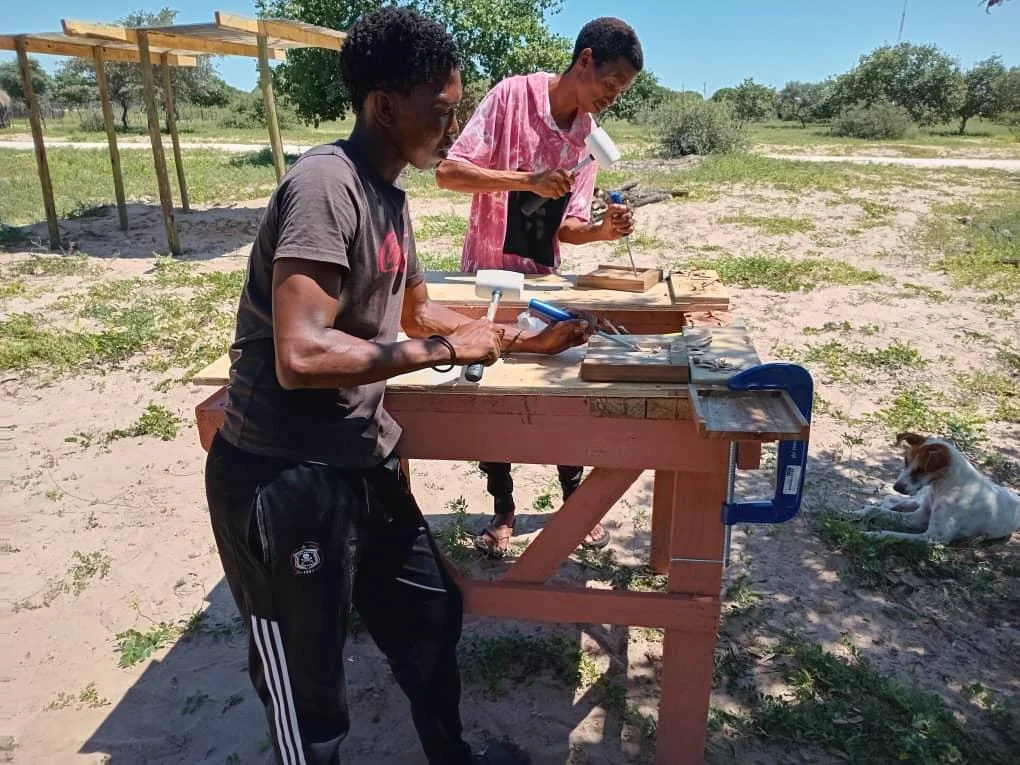
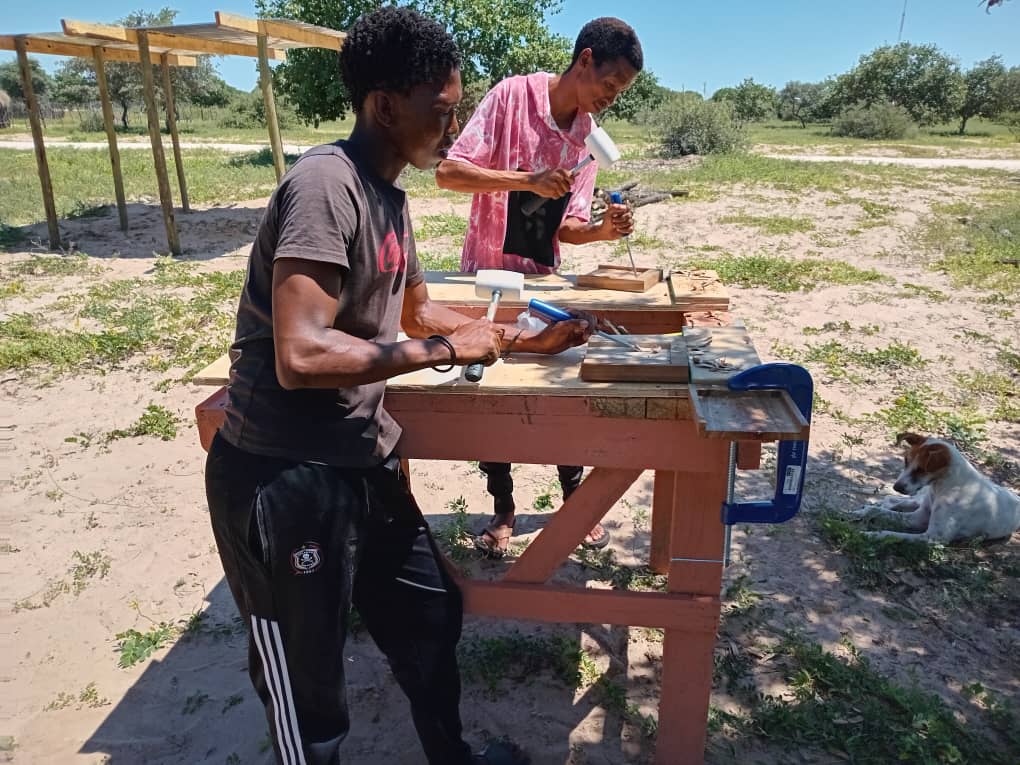
A dedicated plot has been allocated by the Ghanzi Land Board to the Saikota Self Development Trust, where a workshop and shelter have been erected. This space is slated to evolve into a fully-fledged San Culture and Education Centre. This centre will serve as a nexus for the production and marketing of San artifacts, including musical instruments, and will also function as an arena for traditional entertainment, providing a platform for Dcui and Dxana youth to engage with and perform their ancestral music.
Rebuilding Skills and Knowledge
The project’s core objective is to raise community awareness about the importance of preserving Indigenous Knowledge systems. This will involve enlisting the support of Dcui and Dxana Chiefs, political leaders, Village Development Committees (VDCs), and elders to champion the safeguarding of their cultural heritage.
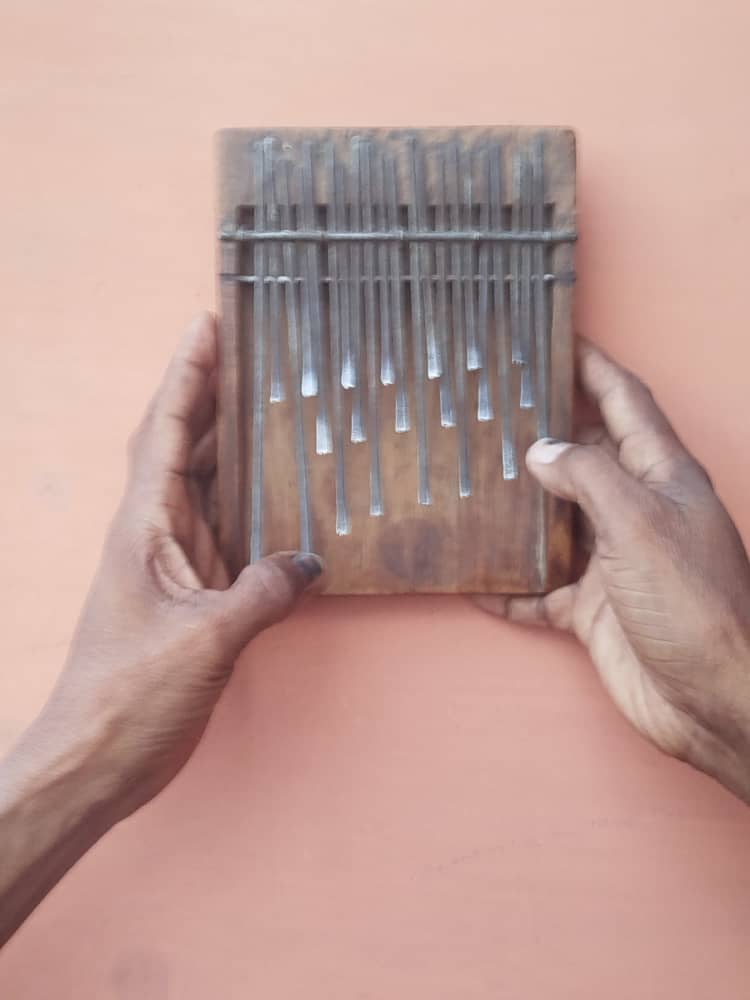
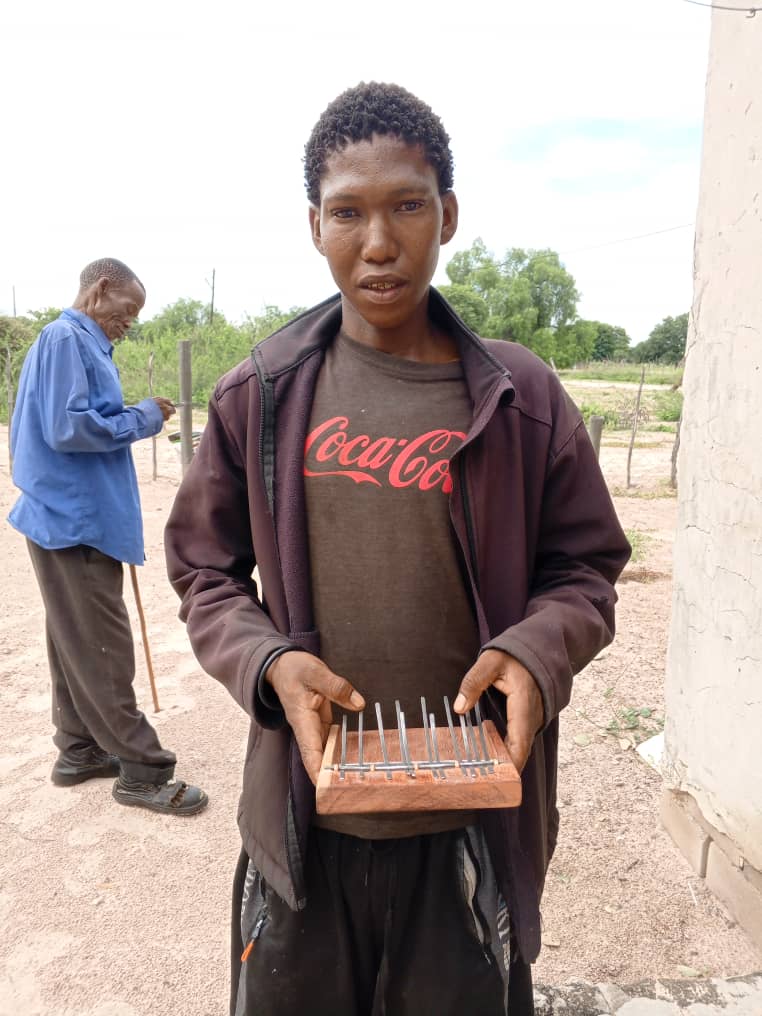
A key component of the initiative is the direct teaching of instrument manufacturing skills to San youth. The response from the youth has been remarkably enthusiastic, demonstrating a strong desire to learn and create. Simultaneously, elders are being actively engaged to transfer their irreplaceable Indigenous Knowledge of instrument construction, ensuring that these skills are not lost with their generation.
Beyond manufacturing, the project focuses on empowering San youth to perform Indigenous music. Elder musicians will impart their skills in playing traditional music on the deengu and other instruments. The complexities of traditional San music, with its unique beats and rhythmic patterns, present a challenge for younger generations accustomed to contemporary music. This intergenerational knowledge transfer is vital for bridging this gap.
Documenting and Disseminating Musical Heritage
To ensure the enduring legacy of San music, the project will meticulously document Indigenous music. This documentation will be transcribed into Tonic Sol-fa, a syllabic system of musical notation (d-r-m-f-s-l-t-d). A booklet featuring ten songs will be produced, serving as an invaluable resource for schools, educational institutions, and anyone interested in learning to play these traditional instruments. This will provide a tangible and accessible means for the preservation and dissemination of their musical repertoire.
Ensuring Sustainability Through Cultural Commodification
A crucial element of the project is its focus on income generation and long-term sustainability. This will be achieved through the thoughtful commodification of cultural heritage. A dedicated market outlet will be established where manufactured instruments will be displayed and sold to the public. The instruments, along with the instructional booklet, will be marketed to local curio shops and tourism outlets, reaching a wider audience. Schools that incorporate music into their curriculum will be approached as potential buyers, and individual customers will be targeted. To further encourage engagement, free lessons on how to play the deengu will be offered to purchasers.
The long-term vision of this project extends beyond mere preservation. It aims to foster a profound sense of cultural identity and self-determination among San youth. By actively participating in the production and commercialization of their traditional musical instruments, ethnic pride will be instilled. The adoption and use of traditional San musical instruments by other ethnic groups and public institutions will also contribute to a broader appreciation and acknowledgment of cultural diversity within Botswana, fostering a more inclusive and culturally rich society.
The fight to preserve the fading melodies of the Kalahari is not just about saving musical instruments; it is about safeguarding a living heritage, ensuring the continuity of cultural identity, and empowering a community to reclaim its narrative through the enduring power of its ancestral music.
Kuela Kiema, a traditional San instrumental musician and singer from the Central Kalahari Game Reserve, Botswana, is the Founder and Chairman of the Saikota Self Development Trust. He established the organization to drive social and economic development for the Bushmen of the Kalahari.
In 2026, Cultural Survival provided support to the Saikota Self Development Trust through its Keepers of the Earth Fund.