The current administration’s immigration policies have demonstrably escalated enforcement actions across the United States, creating an atmosphere of fear and uncertainty within immigrant communities. These actions, ranging from increased ICE raids to the severe restriction of asylum pathways, are part of a broader strategy that has systematically targeted vulnerable populations since the administration’s inception. In response to these evolving challenges, HIAS, the world’s oldest refugee agency, alongside its partners, is urging citizens to engage in concrete actions to support immigrants and uphold due process. This article outlines seven critical avenues for public involvement, emphasizing the urgency and necessity of community solidarity.
Escalating Enforcement and Its Historical Precedents
The federal government’s intensified immigration enforcement operations, particularly evident in cities like Minneapolis, Chicago, and Los Angeles, are not isolated incidents but rather a continuation of a policy direction aimed at deterring immigration and increasing deportations. These actions often involve aggressive tactics by Immigration and Customs Enforcement (ICE) agents, including widespread raids that can lead to the separation of families and the detention of individuals with no prior criminal records. The administration’s approach has been characterized by a significant increase in funding for immigration enforcement agencies, with Congress allocating substantial budgets, such as the reported $170 billion for the Department of Homeland Security in recent years, to dramatically expand their operational capacity.
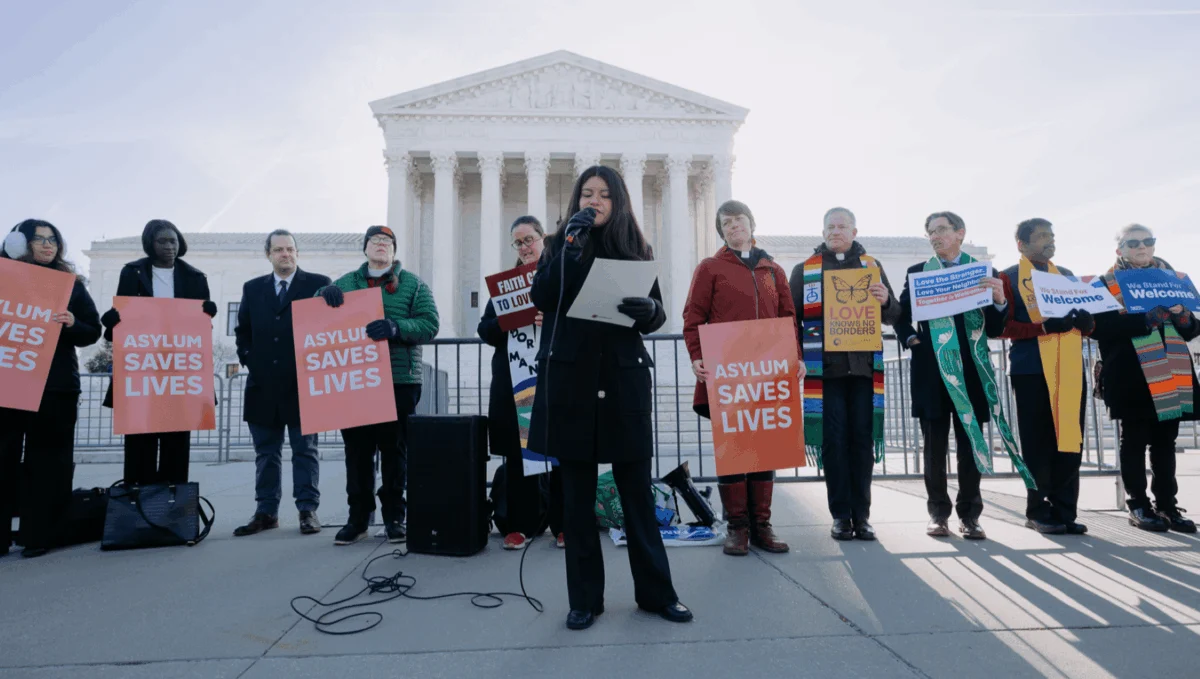
This heightened enforcement is occurring against a backdrop of significant policy shifts. The Trump administration previously implemented measures such as the Muslim travel ban, which restricted entry from several Muslim-majority countries, and the "Remain in Mexico" policy, which forced asylum seekers to wait in Mexico for their U.S. immigration court dates. These policies, along with the systematic dismantling of the U.S. Refugee Admissions Program (USRAP) and the severe limitations placed on asylum seekers at the border, have been met with widespread condemnation from human rights organizations, legal experts, and international bodies. A notable instance of public resistance occurred in Seattle, where HIAS supporters gathered outside a courthouse to celebrate a court ruling that temporarily blocked an executive order suspending the USRAP, illustrating the potent impact of organized advocacy.
Historically, aggressive immigration enforcement tactics have yielded detrimental consequences. The consequences of such actions, as illuminated by past events, underscore the human cost of policies that prioritize enforcement over humanitarian concerns. The current climate of intensified raids, fear of deportation, and the erosion of due process rights demands a proactive and multifaceted response from the public.
Seven Avenues for Action
In this critical period, collective action is paramount. HIAS and its allies have identified several key ways individuals can contribute to the protection and support of immigrant communities.
1. Financial Support for Humanitarian Organizations
One of the most direct and impactful ways to assist immigrants is through financial contributions to established humanitarian organizations. HIAS, with over 120 years of experience, remains steadfast in its commitment to supporting refugees and displaced individuals, irrespective of political administrations. Donations provide essential resources for legal aid, resettlement services, and direct assistance to clients navigating the complex immigration system.
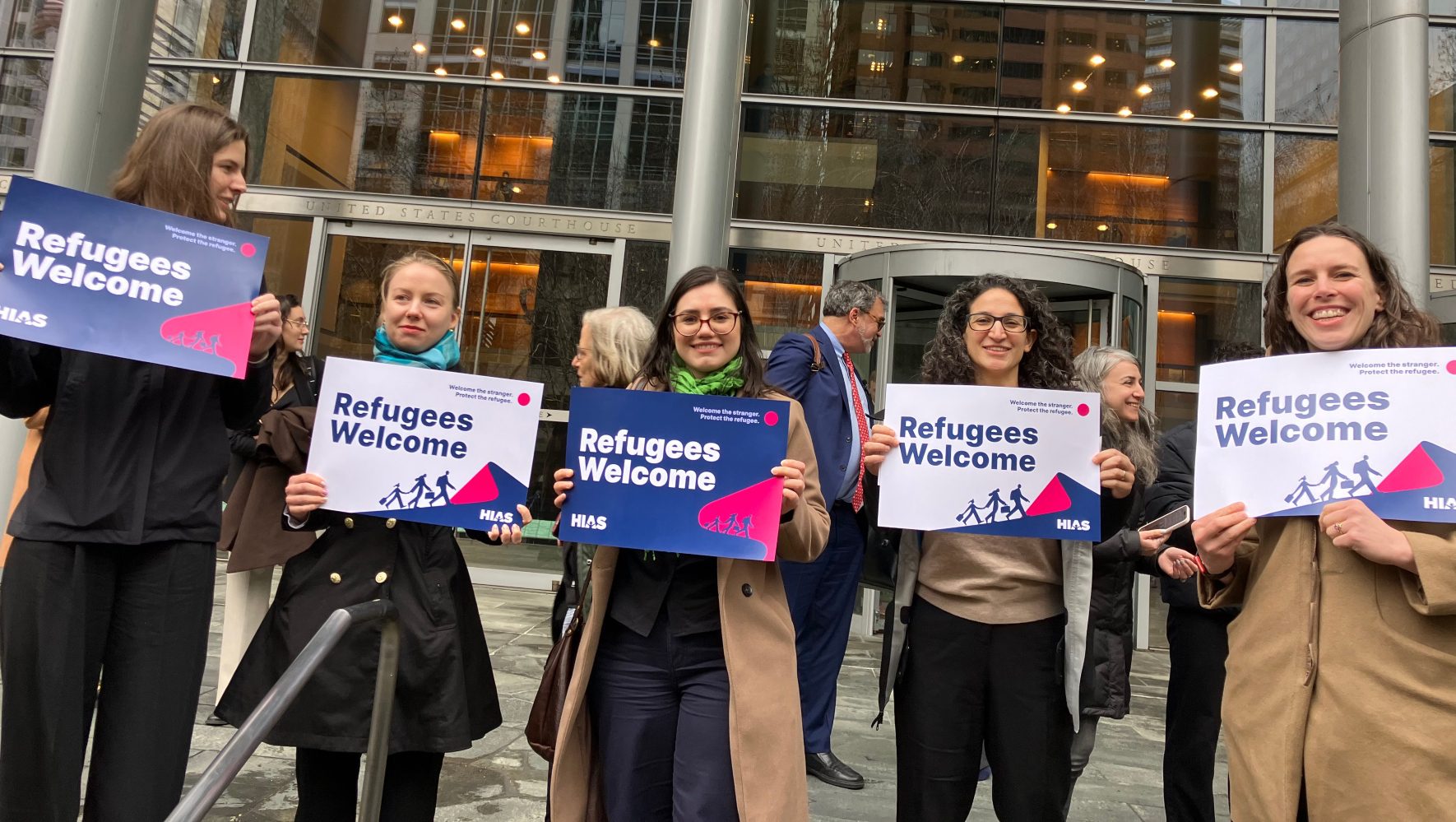
"As the world’s oldest refugee agency, HIAS will always stand for refugees – no matter who is president," stated a spokesperson for the organization. "We will do all we can to support our clients, every day, as we have for more than 120 years. Give with confidence to HIAS." This sentiment reflects the ongoing need for sustained financial backing to maintain critical services during times of increased need and policy uncertainty.
2. Advocating for Congressional Oversight of ICE
The substantial budgetary allocations to immigration enforcement agencies have empowered them to expand their reach and intensify their operations. Concerns have been raised about the methods employed by federal agents, including reports of individuals being forcibly removed from vehicles, the use of restraint devices on children, and the deployment of crowd-control measures like tear gas against students and protestors. These tactics are seen as creating an environment of pervasive fear and contributing to a climate of violence rather than enhancing public safety.
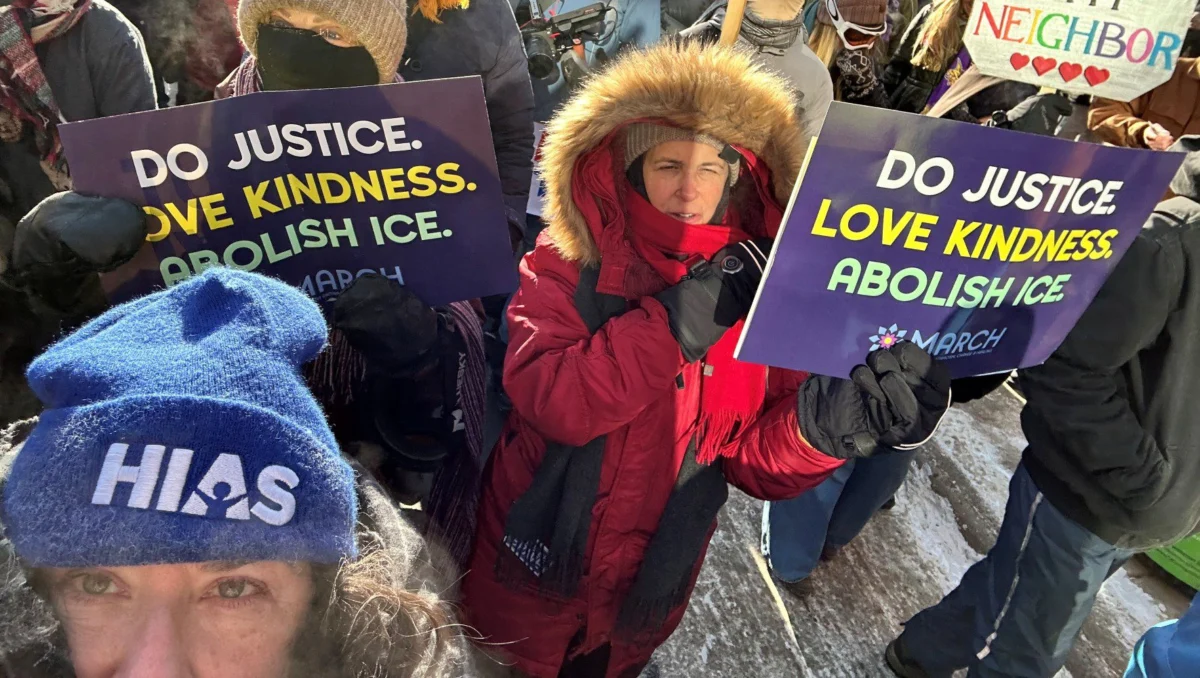
Individuals are urged to contact their congressional representatives to advocate for greater oversight and accountability of ICE. This includes demanding an end to aggressive enforcement tactics that undermine due process and humanitarian principles. Public pressure on lawmakers is crucial to rein in the expanded powers and budgets of these enforcement agencies. The call to action emphasizes that this is a moment to "keep up the pressure on Congress to rein in ICE."
3. Participating in Accompaniment Programs
As deportation efforts intensify in various cities, local organizations are developing and strengthening accompaniment programs. These programs provide crucial support to immigrants who are required to attend deportation hearings, ICE check-ins, or other legal appointments. Accompaniment involves providing a supportive presence, bearing witness to the proceedings, and offering companionship to individuals navigating an often-intimidating legal system. This is particularly vital in a climate where due process is perceived to be under threat.
HIAS is actively working with partners to identify and amplify existing accompaniment programs, particularly those involving the Jewish-American community. By sharing knowledge and resources, these initiatives aim to bolster the support network available to immigrants facing deportation. The impact of accompaniment is profound, offering a tangible human connection and a safeguard against the potential for arbitrary detention and deportation.
4. Volunteering with Resettlement and Support Agencies
For those with the capacity to offer their time, volunteer opportunities with organizations like HIAS are invaluable. HIAS provides volunteer roles in the New York City and Washington D.C. metropolitan areas, focusing on supporting asylum seekers and other humanitarian migrants. These roles can include English language instruction, job coaching, mentorship, assistance with community integration, and interpretation services. Indirect volunteer opportunities, such as participating in donation drives or developing resource guides, are also available.
Volunteering not only provides direct assistance to individuals in need but also fosters a deeper understanding of the challenges faced by immigrant communities. It allows for direct engagement in building a more inclusive and supportive society.

5. Educating Yourself and Others on "Know Your Rights" Resources
Knowledge is a powerful tool in protecting immigrant rights. Familiarizing oneself with "Know Your Rights" resources is essential for individuals who may encounter immigration enforcement actions. These resources provide crucial information about an individual’s legal rights during interactions with immigration authorities, including the right to remain silent, the right to refuse searches without a warrant, and the right to an attorney.
By understanding these rights, individuals can empower themselves and others in their workplaces, schools, and communities. Resources from organizations like the Immigration Resources Hub and the National Bail Fund Network are vital in disseminating this critical information. Educating oneself and sharing this knowledge can prevent misunderstandings and protect individuals from potential rights violations.
6. Facilitating Access to Legal Support
Ensuring that immigrants have access to competent legal representation is a cornerstone of due process. Individuals can play a role by referring those who may be impacted by enforcement actions to known immigration legal service providers. A directory of such providers, often maintained by immigration advocacy organizations, can be a valuable resource.
For legal professionals, there are opportunities to contribute through pro bono services. HIAS’s Pro Bono and Partnerships program actively engages volunteer attorneys across the United States to provide vital legal assistance to refugees, asylum seekers, and other displaced individuals. This collaboration is crucial in addressing the overwhelming demand for legal services in the immigration system.
7. Joining Rapid Response Networks
Rapid response networks are community-based initiatives designed to provide immediate support to immigrants facing detention or deportation. These networks, often coordinated by local immigration organizations and interfaith coalitions, mobilize volunteers to offer assistance such as legal observation, community education, and advocacy. Individuals interested in joining such networks can seek out opportunities within their local communities. These networks serve as a vital line of defense, ensuring that individuals are not left to face immigration enforcement actions alone.
Broader Implications and the Path Forward
The ongoing federal enforcement actions and the resulting climate of fear have significant implications for immigrant communities and the broader fabric of American society. The erosion of due process, the separation of families, and the psychological toll on individuals and communities can have long-lasting consequences. Furthermore, such policies can impact local economies and social cohesion.
The actions outlined by HIAS and its partners represent a collective effort to counter these negative trends. By engaging in advocacy, providing direct support, and raising awareness, individuals can contribute to a more just and humane immigration system. The historical context of immigration in the United States demonstrates that periods of heightened enforcement have often been met with powerful movements for civil rights and human dignity. The current moment calls for a renewed commitment to these principles, emphasizing solidarity and collective action as the most effective means of ensuring that all individuals are treated with respect and afforded their fundamental rights. The updated information, originally published on June 16, 2025, and revised on February 11, 2026, highlights the evolving nature of these challenges and the sustained need for public engagement.