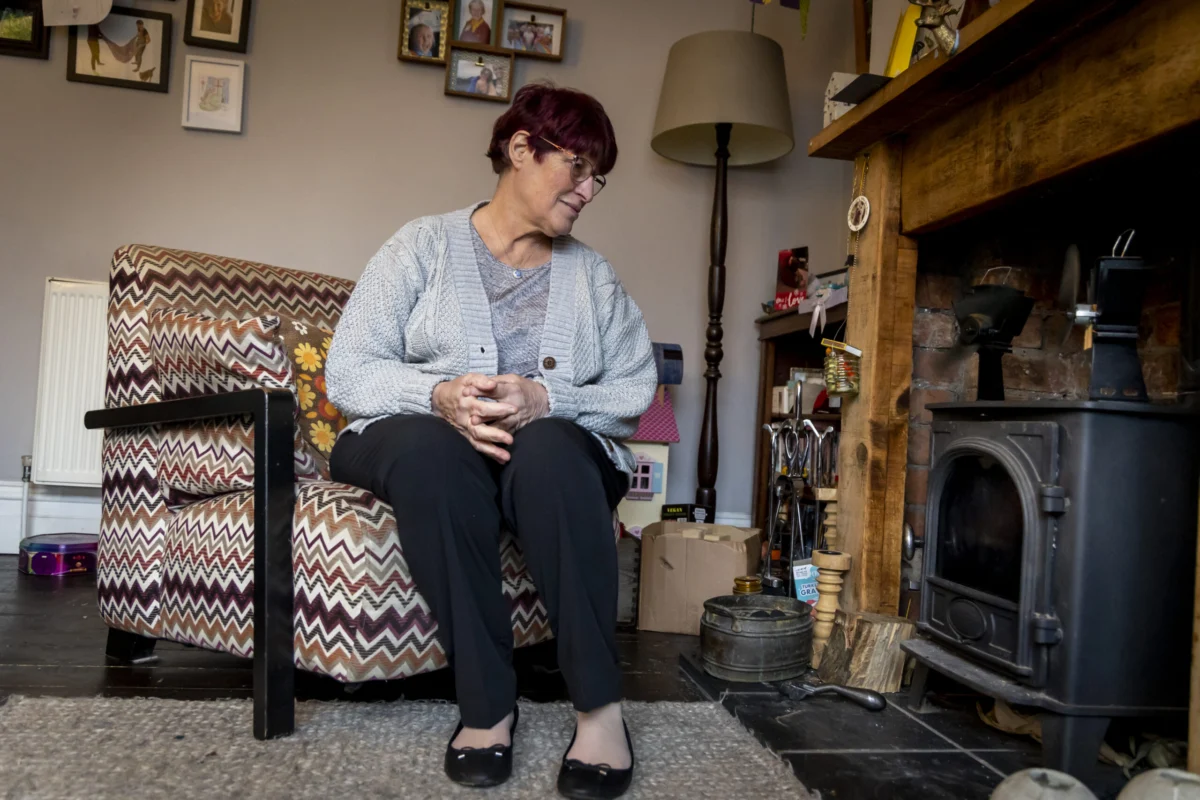
Age Action, Ireland’s leading advocacy organization for older people, has issued a stark challenge to all political parties and candidates contesting the 2024 general election, demanding a comprehensive and rights-based approach to the nation’s aging population. As the first weeks of the campaign unfold, the organization has expressed deep concern over the perceived lack of meaningful engagement with the issues affecting those over the age of 60. Dr. Nat O’Connor, Senior Policy Adviser at Age Action, highlighted that while nearly one in three voters in this election cycle belongs to the older demographic, their voices remain marginalized in mainstream political discourse. The organization’s intervention marks a critical juncture in the campaign, calling for a shift from short-term electoral promises to long-term strategic planning that addresses the fundamental rights, equality, and dignity of older citizens.
The Demographic Reality and the Electoral Power of Older Voters
The demographic profile of the Irish electorate has undergone a significant transformation over the last decade. According to the most recent census data and Age Action’s analysis, there are now over one million people in Ireland aged 60 or older. Within this group, approximately 185,000 individuals are aged 80 or older. This demographic represents not only a significant portion of the population but also one of the most consistent voting blocs in the country. Historically, older voters have higher turnout rates than younger cohorts, making their concerns a central pillar of any successful electoral strategy.
Despite this, Dr. O’Connor notes a disconnect between the size of this constituency and the attention paid to them by political strategists. "Older people are telling Age Action that they haven’t heard meaningful discussion of policies addressing their concerns," O’Connor stated. This sentiment is echoed in qualitative feedback received by the organization, where older citizens have expressed feelings of being overlooked and disrespected by the political establishment. The frustration stems from a sense that political parties view older people as a passive group to be managed rather than active citizens with evolving needs and rights.
A Chronology of the 2024 Campaign and the Sidelining of Aging Issues
The 2024 general election campaign began against a backdrop of intense debate over housing, the cost of living, and immigration. In the opening weeks, party manifestos and televised debates focused heavily on these themes, often framing them through the lens of younger families or first-time homebuyers. While these are undoubtedly critical issues, Age Action argues that the specific challenges faced by older people in these same areas are being neglected.
For example, while housing is a top-tier issue, the discussion often ignores the need for "right-sizing" options, housing adaptation grants, and the integration of universal design in new builds to allow people to age in place. Similarly, the cost-of-living crisis is frequently discussed in terms of childcare costs or mortgage interest rates, often overlooking the fixed-income constraints of those reliant on the State Pension. This chronological trend of the campaign suggests a narrow focus that fails to account for the diversity of the Irish population. Age Action’s recent call to action is a direct response to this perceived oversight, intended to force a recalibration of party priorities before the polling date.
Economic Security: The Challenge of the State Pension
A primary concern identified by Age Action is the difficulty many older people face in making ends meet on the State Pension. While recent budgets have seen incremental increases in pension rates, advocacy groups argue these have not kept pace with the soaring costs of energy, food, and essential services. The organization is calling for a "rights-based" approach to income security, which would involve benchmarking the State Pension to a level that ensures a minimum essential standard of living (MESL).
The data suggests that a significant portion of the older population is at risk of "hidden poverty." While the headline poverty rates for older people are often lower than for other groups, these figures frequently fail to account for the high cost of disability or the lack of access to affordable private transport in rural areas. Age Action’s members have reported that the current pension structure does not provide a sufficient buffer against the inflationary pressures seen over the last two years, leading to increased anxiety about financial independence in later life.
Digital Exclusion and the Erosion of Public Services
One of the most pressing issues highlighted by Age Action is the "digital-by-default" trend in public and private services. From banking and utilities to healthcare appointments and social welfare applications, there is an increasing pressure on citizens to interact exclusively online. For many older people, particularly those over 75 or those living in areas with poor broadband infrastructure, this constitutes a significant barrier to equality.
Dr. O’Connor pointed out the frustration of older people "trying to access public services, banking or utilities without constantly being forced to go online." Data from the Central Statistics Office (CSO) indicates that while internet usage among older cohorts is rising, a substantial minority remains digitally excluded. This exclusion is not merely a matter of inconvenience; it represents a fundamental denial of access to essential services. Age Action is demanding that all political parties commit to maintaining "offline" pathways for service delivery, ensuring that those who cannot or choose not to use digital tools are not penalized or left behind.
Healthcare and Social Care: The Need for Long-Term Planning
The Irish healthcare system is currently facing a period of intense transition with the implementation of Sláintecare. However, Age Action warns that the system remains ill-equipped for the "silver surge" projected over the next two decades. In twenty years, the number of older people in Ireland is expected to nearly double. This shift will require a massive expansion of health and social care services, particularly for those in advanced old age.
Current anxieties around healthcare focus on long waiting lists for surgeries, the difficulty of accessing GP services, and the critical shortage of home care hours. Many older people find themselves in a "care gap," where they are too well for a nursing home but cannot access the support needed to live independently at home. Age Action is calling for a statutory right to home care, a policy that has been discussed by successive governments but has yet to be fully realized. Without long-term planning and significant investment in the care economy, the organization warns that the state will be unable to meet its obligations to its aging citizens.
Housing and Transport: Infrastructure for an Aging Society
Beyond income and health, the infrastructure of Irish society—specifically housing and transport—requires urgent reform to accommodate an aging population. Age Action emphasizes that housing policy must move beyond just "building more houses" to building the right houses in the right places. This includes supporting sheltered housing models and ensuring that urban planning prioritizes accessibility.
In terms of transport, the "Free Travel Scheme" is a vital lifeline for older people, but its utility is limited by the lack of reliable public transport in rural Ireland. For many, the inability to drive or the lack of a local bus service leads to social isolation, which has been linked to poorer health outcomes. Age Action is urging political parties to view transport not just as a logistical issue, but as a social necessity that facilitates community engagement and prevents loneliness.
Analysis of Political Implications and Global Context
The demands from Age Action reflect a broader global trend where aging populations are beginning to exert their political influence to secure better social protections. In countries like Japan, Germany, and Italy, "grey power" has significantly influenced national policy. Ireland, which has historically had a younger demographic than its European neighbors, is now catching up to these trends.
The political implications of ignoring the "older vote" are significant. If a single party or coalition can successfully present a coherent, long-term plan for aging—encompassing pension reform, healthcare security, and digital inclusion—they stand to gain a loyal and high-turnout constituency. Conversely, parties that continue to focus exclusively on younger demographics risk alienating nearly 30% of the electorate.
From a fiscal perspective, the challenge for any incoming government will be balancing the immediate demands of the electorate with the long-term costs of an aging society. The Commission on Pensions and various economic think tanks have already warned about the sustainability of current systems. However, Age Action argues that the discussion must move away from seeing older people as a "fiscal burden" and instead recognize them as citizens with rights who have contributed to the state throughout their lives.
Conclusion: A Call for a New Approach to Ageing Policy
As the 2024 general election approaches its conclusion, the intervention by Age Action serves as a reminder of the social contract between the state and its citizens. The organization’s "ten asks" provide a roadmap for how political parties can demonstrate their commitment to an inclusive society.
"Age Action is calling on all parties to take a new approach to ageing policy, based on the rights of older people and reflecting their diversity and diverse needs," Dr. O’Connor concluded. The coming weeks will reveal whether Ireland’s political class is prepared to take these concerns seriously or if the needs of over one million citizens will remain on the periphery of the national conversation. For the voters, the choice will likely depend on which parties can move beyond rhetoric and offer concrete, actionable plans for an aging Ireland.